Desert landscapes are some of the most intriguing and diverse ecosystems on our planet. When you think of deserts, you might picture vast stretches of sand dunes under a blazing sun, but the reality is far more complex. Deserts can be rocky, mountainous, or even covered in salt flats, and they host a variety of life forms that have adapted to survive in extreme conditions.
These environments are characterized by low precipitation, high evaporation rates, and temperature fluctuations that can be quite dramatic. Understanding the intricacies of desert landscapes is essential for appreciating the resilience of life that thrives in these seemingly inhospitable areas. As you delve deeper into the world of deserts, you will discover that they are not just barren wastelands; they are vibrant ecosystems with unique flora and fauna.
The adaptations of plants and animals in these regions are nothing short of remarkable. For instance, many desert plants have developed deep root systems to access underground water sources, while animals often exhibit nocturnal behaviors to avoid the scorching daytime heat. This intricate web of life is a testament to nature’s ability to adapt and thrive, even in the harshest environments.
Key Takeaways
- Desert landscapes are characterized by low precipitation and extreme temperatures, making them challenging environments for plant life to thrive.
- Trees play a crucial role in desert ecosystems by providing shade, reducing soil erosion, and creating microclimates that support other plant and animal species.
- The process of soil formation in desert environments is slow and influenced by factors such as weathering, erosion, and the presence of organic matter.
- Soil is essential for desert plant life as it provides nutrients, water retention, and support for root systems to anchor and access resources.
- Trees have a positive impact on desert soil quality by increasing organic matter, improving water infiltration, and enhancing nutrient cycling, leading to improved conditions for plant growth.
The Role of Trees in Desert Ecosystems
Trees play a crucial role in desert ecosystems, serving as vital components that contribute to the overall health and stability of these environments. While you may not find dense forests in deserts, certain tree species have adapted to thrive in arid conditions. These trees provide shade, shelter, and food for various organisms, creating microhabitats that support a diverse range of life.
For example, the iconic mesquite tree is known for its ability to survive in dry conditions while offering sustenance to both wildlife and humans. In addition to their ecological benefits, trees in desert landscapes also contribute to soil stabilization and erosion control. Their root systems help bind the soil together, preventing it from being washed or blown away by wind and rain.
This is particularly important in desert regions where soil erosion can lead to significant degradation of the land. By maintaining soil integrity, trees play a vital role in preserving the delicate balance of desert ecosystems.
The Process of Soil Formation in Desert Environments
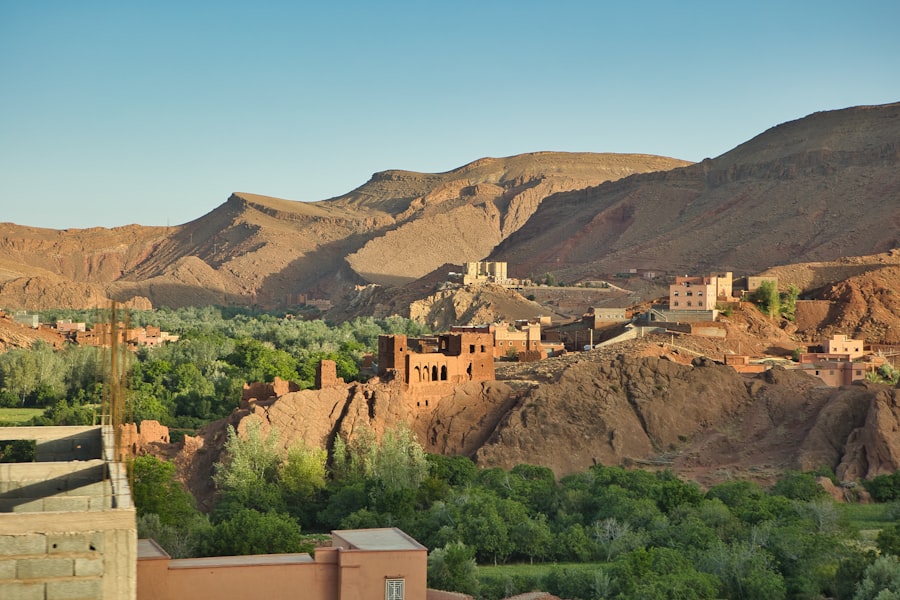
Soil formation in desert environments is a slow and complex process influenced by various factors such as climate, parent material, and biological activity. As you explore this topic, you’ll find that desert soils often develop from weathered rock materials that break down over time due to physical and chemical processes. The limited moisture available in these regions means that soil formation can take thousands of years, resulting in thin layers of soil that may lack essential nutrients.
In deserts, the process of soil formation is further complicated by the presence of salts and minerals that accumulate due to evaporation. As water evaporates from the surface, it leaves behind salts that can hinder plant growth and affect soil quality. Despite these challenges, certain organisms, including bacteria and fungi, play a crucial role in breaking down organic matter and contributing to soil fertility.
Understanding the intricacies of soil formation in deserts is essential for developing effective conservation strategies and promoting sustainable land use practices.
The Importance of Soil for Desert Plant Life
Soil is a fundamental component of any ecosystem, and its importance is magnified in desert environments where resources are scarce. In deserts, soil serves as a reservoir for water and nutrients that are critical for plant survival. The ability of plants to access these resources directly impacts their growth and reproductive success.
As you consider the relationship between soil and desert plant life, you’ll realize that healthy soil is essential for maintaining biodiversity and ecosystem resilience. Moreover, the unique characteristics of desert soils influence the types of vegetation that can thrive in these regions. For instance, sandy soils may support drought-resistant plants with shallow root systems, while clayey soils may retain more moisture and support different species.
The interplay between soil composition and plant life is a fascinating aspect of desert ecology that highlights the importance of preserving these fragile environments.
The Impact of Trees on Desert Soil Quality
The presence of trees in desert landscapes has a profound impact on soil quality and overall ecosystem health. As trees grow, they contribute organic matter to the soil through leaf litter and decaying roots. This organic matter enriches the soil with nutrients, improving its structure and fertility over time.
When you consider the harsh conditions of deserts, this contribution becomes even more significant as it helps create a more hospitable environment for other plants and organisms. Additionally, trees can enhance soil moisture retention through their canopy cover. By providing shade, they reduce evaporation rates from the soil surface, allowing moisture to remain available for longer periods.
This is particularly beneficial during dry spells when water is scarce. The interplay between trees and soil quality underscores the importance of preserving existing tree populations and promoting reforestation efforts in desert regions.
Examples of Successful Desert Reforestation Projects
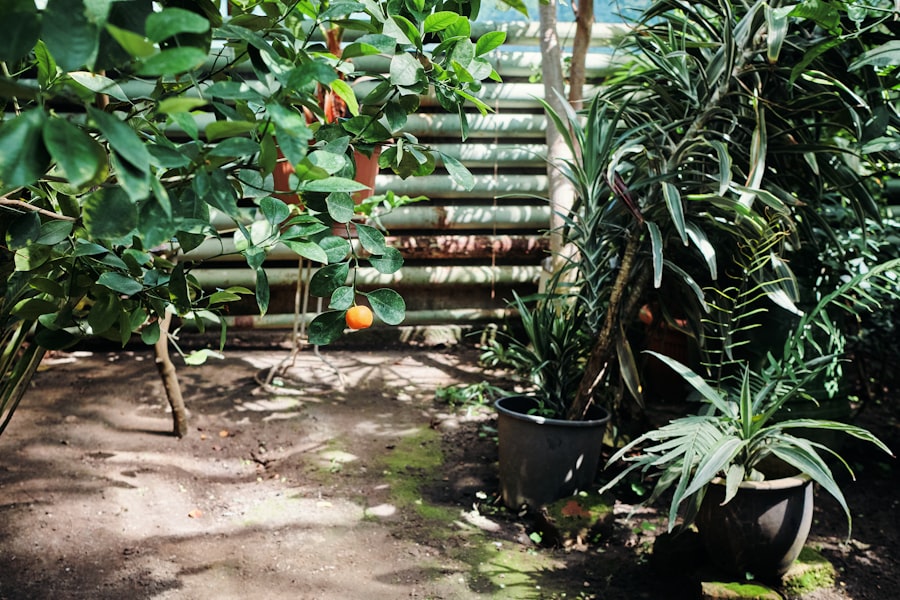
Across the globe, there have been numerous successful reforestation projects aimed at restoring desert landscapes and improving ecosystem health. One notable example is the Great Green Wall initiative in Africa, which seeks to combat desertification by planting trees across the Sahel region. This ambitious project aims to create a mosaic of green spaces that not only helps restore degraded land but also provides livelihoods for local communities through sustainable agriculture and forestry practices.
Another inspiring case is found in Israel’s Negev Desert, where innovative reforestation techniques have been employed to restore native vegetation. By utilizing advanced irrigation methods and selecting drought-resistant tree species, these projects have successfully transformed barren landscapes into thriving ecosystems. These examples demonstrate that with careful planning and community involvement, it is possible to reverse some of the damage caused by desertification and create sustainable environments for future generations.
Challenges and Considerations for Reforestation in Deserts
While reforestation efforts in desert regions hold great promise, they are not without challenges. One significant hurdle is the availability of water resources necessary for establishing new trees. In many arid areas, water scarcity poses a major obstacle to successful planting and growth.
As you consider this issue, it’s essential to explore innovative solutions such as rainwater harvesting or using treated wastewater for irrigation. Another challenge lies in selecting appropriate tree species that can thrive in harsh desert conditions. Not all trees are suited for arid environments; therefore, careful consideration must be given to native species that have adapted over time to local conditions.
Additionally, engaging local communities in reforestation efforts is crucial for ensuring long-term success. Their knowledge of the land and commitment to stewardship can significantly enhance the effectiveness of reforestation initiatives.
The Future of Desert Landscapes and Reforestation Efforts
Looking ahead, the future of desert landscapes will depend on our ability to balance conservation efforts with sustainable development practices. As climate change continues to impact weather patterns and exacerbate drought conditions, it becomes increasingly important to prioritize reforestation initiatives that enhance ecosystem resilience. By investing in research and innovative technologies, you can contribute to developing strategies that promote sustainable land use while restoring degraded areas.
Moreover, fostering awareness about the importance of desert ecosystems can inspire collective action toward their preservation. Education plays a vital role in empowering communities to engage in reforestation efforts actively. By sharing knowledge about the benefits of trees for soil quality and overall ecosystem health, you can help cultivate a sense of responsibility toward these unique landscapes.
In conclusion, desert landscapes are dynamic ecosystems that require careful consideration and proactive measures for their preservation and restoration. Through understanding the role of trees, soil formation processes, and successful reforestation projects, you can appreciate the intricate relationships within these environments. By addressing challenges and fostering community involvement, we can work together toward a sustainable future for our planet’s deserts.
From Sand to Soil: How Trees Transform Desert Landscapes explores the incredible impact that trees can have on barren landscapes. A related article on How Trees Can Save the Earth from Global Warming delves into the crucial role that trees play in combating climate change by absorbing carbon dioxide from the atmosphere. By planting trees on a massive scale, we can not only transform desert landscapes but also help mitigate the effects of global warming. These articles highlight the power of trees in creating a more sustainable and resilient planet.
FAQs
What is the process of transforming desert landscapes into fertile soil?
The process of transforming desert landscapes into fertile soil involves the planting of trees in the desert. These trees help to stabilize the soil, reduce erosion, and increase the organic matter content of the soil through the decomposition of leaves and other plant material.
How do trees help in the transformation of desert landscapes?
Trees help in the transformation of desert landscapes by providing shade, which reduces evaporation and helps to retain moisture in the soil. Their roots also help to break up compacted soil, allowing water to penetrate more easily and promoting the growth of other plants.
What are some examples of trees that are used to transform desert landscapes?
Examples of trees that are used to transform desert landscapes include mesquite, acacia, and tamarisk. These trees are well-adapted to arid environments and can thrive in harsh desert conditions.
What are the benefits of transforming desert landscapes into fertile soil?
The benefits of transforming desert landscapes into fertile soil include the creation of new habitats for wildlife, increased biodiversity, and the potential for agricultural development. Additionally, the presence of trees and fertile soil can help to mitigate the effects of desertification and climate change.
Are there any challenges associated with transforming desert landscapes into fertile soil?
Challenges associated with transforming desert landscapes into fertile soil include the need for careful planning and management to ensure the long-term success of reforestation efforts. Additionally, the availability of water and the potential for conflicts over land use can present significant challenges in desert reclamation projects.