


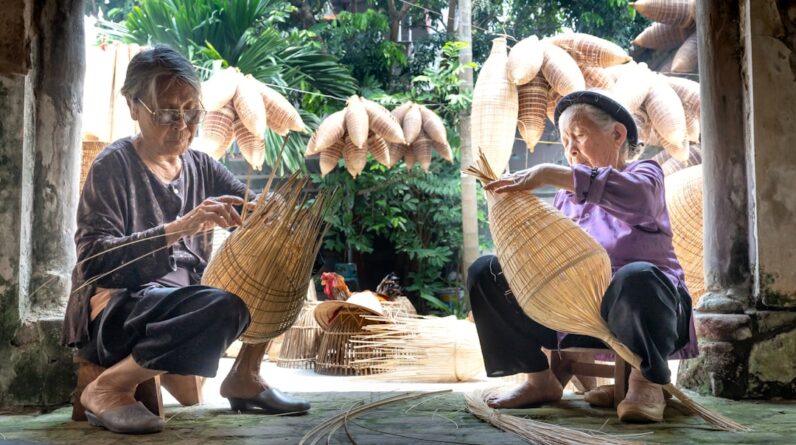
Indigenous knowledge encompasses the unique understanding and insights that Indigenous peoples have developed over generations through their close relationship with the land, flora, fauna, and ecosystems. This knowledge is not merely a collection of facts; it is a holistic worldview that integrates cultural, spiritual, and practical elements. As you delve into the realm of Indigenous knowledge, you will discover that it is deeply rooted in the traditions and experiences of communities who have lived in harmony with their environments for centuries.
This understanding is often passed down orally, through stories, rituals, and practices, making it a living testament to the resilience and adaptability of these cultures. In recent years, there has been a growing recognition of the importance of Indigenous knowledge in addressing contemporary environmental challenges. As you explore this topic, you will find that Indigenous perspectives offer valuable insights into sustainable practices and ecosystem management.
The wisdom embedded in these traditions can provide innovative solutions to pressing issues such as climate change, biodiversity loss, and habitat degradation. By acknowledging and valuing Indigenous knowledge, you can contribute to a more inclusive approach to environmental stewardship that honors the contributions of Indigenous peoples.
Key Takeaways
- Indigenous knowledge is the traditional knowledge and practices of indigenous communities that have been passed down through generations.
- Indigenous knowledge plays a crucial role in ecosystem restoration by offering valuable insights and techniques for sustainable land management.
- Examples of indigenous knowledge in ecosystem restoration include traditional farming methods, fire management practices, and medicinal plant use.
- Challenges in incorporating indigenous knowledge include lack of recognition, cultural barriers, and power imbalances between indigenous communities and external stakeholders.
- Benefits of integrating indigenous knowledge in ecosystem restoration include increased ecological resilience, cultural preservation, and social equity.
The Role of Indigenous Knowledge in Ecosystem Restoration
Indigenous knowledge plays a pivotal role in ecosystem restoration efforts by offering time-tested strategies that are often overlooked in conventional scientific approaches. When you consider the intricate relationships between species and their habitats, it becomes clear that Indigenous peoples possess a profound understanding of these dynamics. Their traditional ecological knowledge (TEK) encompasses not only the biological aspects of ecosystems but also the cultural significance of various species and landscapes.
This holistic perspective allows for a more comprehensive approach to restoration that considers both ecological health and cultural heritage. As you engage with the principles of Indigenous knowledge, you will notice that many restoration practices are grounded in a deep respect for nature. For instance, Indigenous communities often employ methods such as controlled burns to manage landscapes and promote biodiversity.
These practices have been honed over centuries and are tailored to specific ecosystems, demonstrating an intimate understanding of local conditions. By integrating Indigenous knowledge into restoration projects, you can enhance the effectiveness of these initiatives while fostering a sense of ownership and stewardship among local communities.
Examples of Indigenous Knowledge in Ecosystem Restoration

There are numerous examples around the world where Indigenous knowledge has been successfully integrated into ecosystem restoration projects. One notable case is the restoration of wetlands in North America, where Indigenous tribes have utilized their traditional practices to revitalize these critical habitats. By employing techniques such as planting native species and managing water flow based on ancestral knowledge, these communities have been able to restore ecological balance while also enhancing their cultural connections to the land.
Another compelling example can be found in Australia, where Indigenous fire management practices have been recognized for their effectiveness in reducing bushfire risks and promoting biodiversity. The Aboriginal peoples have long understood the importance of fire as a tool for land management, using it to clear underbrush and encourage the growth of fire-adapted species. As you examine these cases, it becomes evident that Indigenous knowledge not only contributes to ecological restoration but also serves as a bridge between traditional practices and modern scientific approaches.
Challenges in Incorporating Indigenous Knowledge
Despite the clear benefits of integrating Indigenous knowledge into ecosystem restoration efforts, several challenges persist. One significant hurdle is the historical marginalization of Indigenous peoples and their knowledge systems. For many communities, there is a lingering distrust towards external entities due to past experiences of exploitation and cultural appropriation.
As you navigate this complex landscape, it is essential to approach Indigenous knowledge with humility and respect, recognizing that building trust takes time and genuine effort. Another challenge lies in the differences between Western scientific methodologies and Indigenous ways of knowing. While Western science often emphasizes quantifiable data and empirical evidence, Indigenous knowledge is rooted in experiential learning and holistic understanding.
This divergence can lead to misunderstandings or misinterpretations when attempting to integrate these two systems. To overcome this barrier, it is crucial to foster open dialogue and collaboration between scientists and Indigenous communities, allowing for a mutual exchange of ideas that honors both perspectives.
Benefits of Integrating Indigenous Knowledge in Ecosystem Restoration
Integrating Indigenous knowledge into ecosystem restoration offers numerous benefits that extend beyond ecological outcomes. One significant advantage is the enhancement of community engagement and participation. When you involve Indigenous peoples in restoration projects, you empower them to take an active role in decision-making processes that affect their lands and resources.
This sense of agency fosters a deeper connection to the environment and encourages sustainable practices that align with cultural values. Moreover, incorporating Indigenous knowledge can lead to more resilient ecosystems. As you consider the diverse strategies employed by Indigenous communities, you will find that these approaches often prioritize biodiversity and ecosystem health.
By embracing traditional practices alongside modern scientific methods, restoration efforts can become more adaptive and responsive to changing environmental conditions. This synergy not only benefits the ecosystems themselves but also contributes to the well-being of local communities who rely on these resources for their livelihoods.
Collaborative Approaches to Ecosystem Restoration

Collaboration is key when it comes to effectively integrating Indigenous knowledge into ecosystem restoration initiatives. As you explore this topic further, you will discover that successful partnerships often involve a co-learning approach where both Indigenous peoples and scientists share their expertise and insights. This collaborative framework allows for the development of innovative solutions that draw on the strengths of both knowledge systems.
One example of such collaboration can be seen in various land management projects across North America, where government agencies have partnered with Indigenous tribes to restore degraded landscapes. By working together, these groups have been able to combine traditional ecological practices with contemporary scientific research, resulting in more effective restoration outcomes. As you reflect on these collaborative efforts, consider how they not only enhance ecological resilience but also promote social equity by recognizing the rights and contributions of Indigenous peoples.
Respecting and Preserving Indigenous Knowledge
Respecting and preserving Indigenous knowledge is paramount in any effort to integrate it into ecosystem restoration. As you engage with this topic, it is essential to recognize that Indigenous knowledge is not a commodity to be extracted or exploited; rather, it is a sacred aspect of cultural identity that must be treated with care and reverence. This understanding requires a commitment to ethical practices that prioritize consent and collaboration with Indigenous communities.
Furthermore, preserving Indigenous knowledge involves supporting the transmission of this wisdom to future generations. As you consider the importance of intergenerational learning, think about how initiatives that promote cultural education can help sustain traditional practices and beliefs. By fostering environments where young people can learn from their elders, you contribute to the resilience of Indigenous cultures and ensure that their invaluable knowledge continues to inform ecosystem restoration efforts.
Embracing Indigenous Knowledge for Sustainable Ecosystem Restoration
In conclusion, embracing Indigenous knowledge is essential for achieving sustainable ecosystem restoration. As you reflect on the insights gained from this exploration, consider how integrating traditional ecological knowledge can enhance both ecological outcomes and community well-being. By recognizing the value of Indigenous perspectives, you contribute to a more inclusive approach to environmental stewardship that honors the wisdom of those who have cared for the land for generations.
As we face increasingly complex environmental challenges, it becomes clear that no single approach will suffice. The integration of Indigenous knowledge alongside modern scientific methods offers a pathway towards more effective and resilient solutions. By fostering collaboration, respecting cultural heritage, and prioritizing community engagement, you can play a vital role in promoting sustainable practices that benefit both people and the planet.
Embracing this holistic perspective not only enriches our understanding of ecosystems but also paves the way for a more equitable future for all stakeholders involved in ecosystem restoration efforts.
In a related article on combatting global warming through massive tree planting, it is emphasized how reforestation efforts can play a crucial role in mitigating the effects of climate change. The article discusses the importance of planting trees to absorb carbon dioxide and restore ecosystems that have been degraded by deforestation. To learn more about the benefits of reforestation and its impact on the environment, check out