As you dive into the world of underwater photography, you find yourself in a realm that few have the privilege to explore. The underwater photographer is not merely a person with a camera; they are an artist, a scientist, and an advocate for the ocean. With each click of the shutter, you capture not just images but stories of life beneath the waves.
This unique perspective allows you to document the beauty and complexity of marine ecosystems, revealing the intricate relationships that exist within them. Your role is vital, as it bridges the gap between the underwater world and those who may never experience it firsthand. In this captivating field, you are equipped with specialized gear designed to withstand the pressures of deep water and the challenges of low light.
Your camera becomes an extension of yourself, allowing you to freeze moments in time that showcase the vibrant colors and diverse life forms that inhabit our oceans. Whether you are photographing a school of fish darting through coral reefs or the graceful movements of a sea turtle gliding through the water, each image serves as a reminder of the beauty that lies beneath the surface. As an underwater photographer, you have the power to inspire others to appreciate and protect these fragile ecosystems.
Key Takeaways
- Underwater photography is a unique and challenging form of photography that requires specialized equipment and techniques.
- Ocean oxygen systems are crucial for supporting marine life and maintaining a healthy ecosystem.
- Underwater photography captures the stunning beauty and diversity of marine life, showcasing the wonders of the underwater world.
- Ocean oxygen systems are under threat from pollution, overfishing, and climate change, leading to devastating consequences for marine life.
- Techniques such as natural lighting, composition, and patience are essential for capturing compelling underwater images.
The Importance of Ocean Oxygen Systems
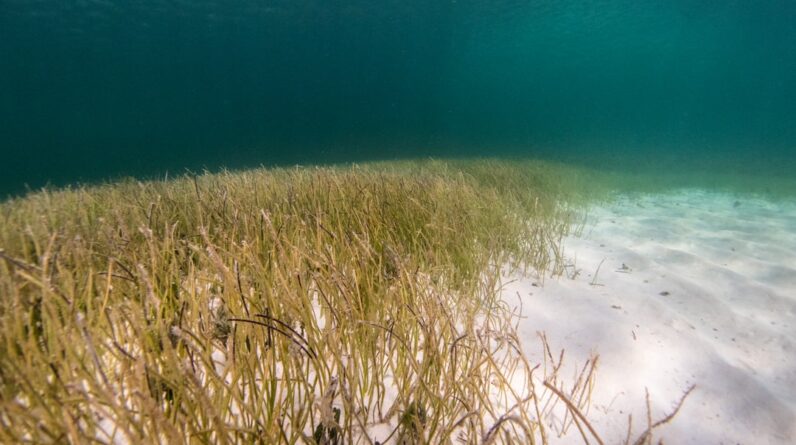
The oceans play a crucial role in maintaining the balance of our planet’s atmosphere, primarily through their oxygen systems. As you delve deeper into your understanding of marine environments, you realize that phytoplankton, tiny organisms that thrive in sunlit waters, are responsible for producing a significant portion of the Earth’s oxygen. These microscopic powerhouses not only support marine life but also contribute to the air we breathe.
By capturing images of these organisms in their natural habitat, you highlight their importance and the delicate balance they maintain within ocean ecosystems. Moreover, ocean oxygen systems are intricately linked to climate regulation. The oceans absorb carbon dioxide from the atmosphere, helping to mitigate climate change effects.
As an underwater photographer, you have a unique opportunity to showcase this relationship through your work. By documenting the vibrant life that depends on healthy oxygen levels, you can illustrate how interconnected our planet’s systems truly are. Your photographs can serve as a visual testament to the importance of preserving these vital oceanic processes for future generations.
The Beauty of Underwater Photography
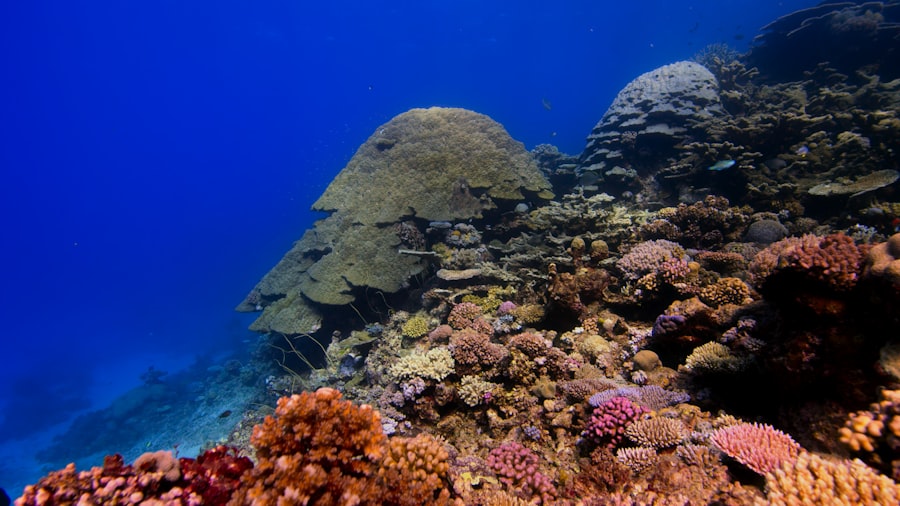
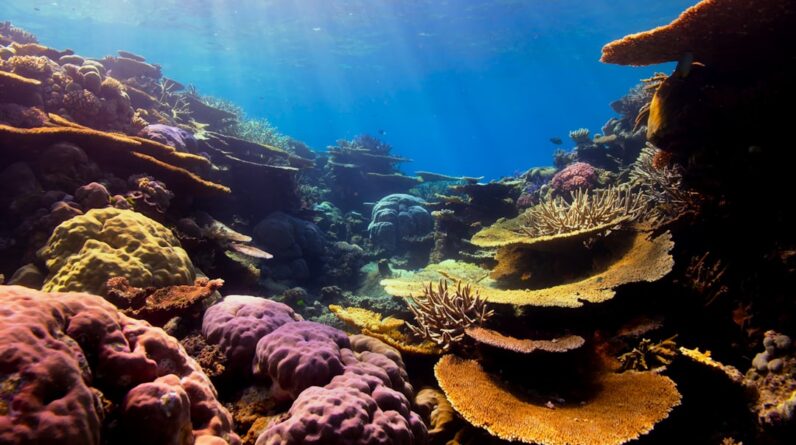
Underwater photography is a celebration of beauty that transcends mere aesthetics. As you navigate through coral gardens and kelp forests, you are greeted by a kaleidoscope of colors and forms that inspire awe. The interplay of light and water creates a magical atmosphere, transforming ordinary scenes into extraordinary works of art.
Each photograph you take captures not just an image but an emotion—a sense of wonder that invites viewers to appreciate the ocean’s splendor. The beauty of underwater photography lies in its ability to reveal hidden worlds. You may find yourself mesmerized by the intricate patterns on a fish’s scales or the delicate movements of a jellyfish as it drifts gracefully through the water.
These moments remind you of the diversity and richness of marine life, encouraging you to explore further and capture more. Your lens becomes a window into this enchanting realm, allowing others to experience its beauty and fostering a deeper connection between humanity and the ocean.
The Fragility of Ocean Oxygen Systems
While the ocean is teeming with life and beauty, it is also incredibly fragile. As you immerse yourself in underwater photography, you become acutely aware of the threats facing ocean oxygen systems. Pollution, overfishing, and climate change are just a few factors that jeopardize these vital ecosystems.
Your photographs can serve as powerful reminders of this fragility, urging viewers to recognize the urgent need for conservation efforts. The delicate balance of marine ecosystems is easily disrupted, leading to consequences that can ripple throughout the food chain. For instance, when oxygen levels drop due to pollution or warming waters, marine life suffers.
Fish populations decline, coral reefs bleach, and entire ecosystems can collapse. As an underwater photographer, your work can highlight these issues by capturing images that tell stories of resilience and vulnerability. By showcasing both the beauty and fragility of ocean life, you inspire others to take action in protecting these precious resources.
Techniques for Capturing Underwater Images
To truly excel as an underwater photographer, mastering specific techniques is essential. The unique challenges posed by underwater environments require you to adapt your approach to photography. One fundamental aspect is understanding light—underwater light behaves differently than above water due to absorption and scattering.
As you descend into deeper waters, colors fade, with reds disappearing first and blues dominating the scene. You learn to use this knowledge to your advantage by incorporating artificial lighting or adjusting your camera settings to capture vibrant colors. Another critical technique involves composition.
Underwater scenes can be chaotic, with various elements vying for attention. You develop an eye for framing your shots effectively, ensuring that your subject stands out against its surroundings. Utilizing natural lines—such as currents or coral formations—can guide viewers’ eyes through your images, creating a sense of depth and movement.
Additionally, patience becomes your ally; waiting for the perfect moment when marine life interacts with its environment can yield breathtaking results.
Conservation Efforts to Protect Ocean Oxygen Systems
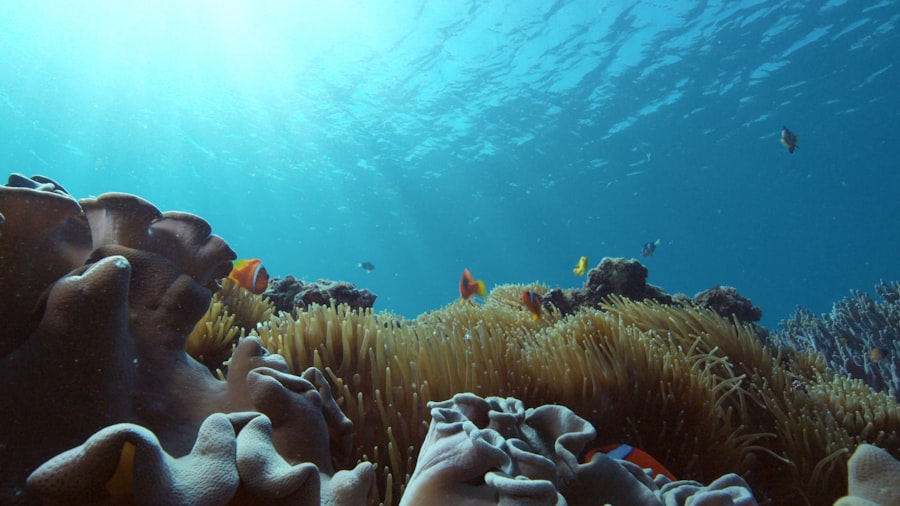
As an underwater photographer, your passion for capturing marine life often intertwines with a commitment to conservation efforts aimed at protecting ocean oxygen systems. Numerous organizations work tirelessly to address issues such as pollution reduction, habitat restoration, and sustainable fishing practices. By aligning yourself with these initiatives, you amplify your impact beyond photography alone.
Your images can serve as powerful tools for advocacy, raising awareness about the importance of preserving healthy oceans. Participating in beach clean-ups or supporting marine protected areas are just a few ways you can contribute to conservation efforts. By sharing your experiences through social media or exhibitions, you inspire others to join the cause.
Your photographs can evoke emotions that drive action—whether it’s encouraging individuals to reduce plastic use or advocating for policy changes that protect marine habitats. In this way, your role as an underwater photographer extends far beyond capturing images; it becomes a vital part of a larger movement dedicated to safeguarding our oceans.
Impact of Climate Change on Ocean Oxygen Systems
Climate change poses one of the most significant threats to ocean oxygen systems today. As temperatures rise and weather patterns shift, marine ecosystems face unprecedented challenges. You witness firsthand how coral bleaching events devastate reefs that once thrived with life.
These changes not only affect biodiversity but also disrupt oxygen production in our oceans. Understanding this impact deepens your resolve as an underwater photographer; your work becomes a visual narrative documenting these alarming transformations. The effects of climate change extend beyond coral reefs; they influence entire food webs and alter species distributions.
As certain fish populations decline due to changing habitats or increased acidity levels in seawater, you recognize that your photographs can serve as historical records—evidence of what once was and what could be lost if action isn’t taken. By capturing these changes through your lens, you contribute to a growing body of work that highlights the urgency of addressing climate change and its repercussions on ocean health.
The Role of Underwater Photography in Raising Awareness
Underwater photography plays a pivotal role in raising awareness about ocean conservation issues. Your images have the power to transcend language barriers and evoke emotions that inspire action. When people see stunning photographs of marine life—especially those depicting endangered species or damaged ecosystems—they are more likely to feel compelled to protect these environments.
As an underwater photographer, you become an ambassador for the ocean, using your art to communicate its beauty and fragility. Moreover, social media platforms provide an unprecedented opportunity for sharing your work with a global audience. By posting your photographs online, you can reach individuals who may not have considered their impact on ocean health before encountering your images.
Engaging storytelling combined with striking visuals can spark conversations about conservation efforts and encourage viewers to take steps toward sustainability in their own lives. In this way, your role as an underwater photographer extends beyond artistry; it becomes a vital part of a collective effort aimed at safeguarding our oceans for generations to come.
In a similar effort to protect our environment, individuals are taking action to combat global warming by planting trees. According to livelifewithacause.org, massive tree planting initiatives are crucial in reducing carbon dioxide levels and preserving our planet’s delicate ecosystems. By planting trees, we can help offset the effects of deforestation and promote a healthier environment for all living beings. Just as the underwater photographer captures the beauty and fragility of ocean oxygen systems, these tree planting efforts aim to protect and preserve the natural world for future generations.
FAQs
What is the role of an underwater photographer in capturing the beauty and fragility of ocean oxygen systems?
An underwater photographer plays a crucial role in documenting the beauty and fragility of ocean oxygen systems by capturing stunning images that raise awareness about the importance of these ecosystems.
Why is it important to raise awareness about the beauty and fragility of ocean oxygen systems?
Raising awareness about the beauty and fragility of ocean oxygen systems is important because these ecosystems play a vital role in supporting marine life and regulating the Earth’s climate. By highlighting their importance, we can encourage conservation efforts and sustainable practices to protect these systems.
How do underwater photographers contribute to ocean conservation efforts?
Underwater photographers contribute to ocean conservation efforts by using their images to educate the public, policymakers, and stakeholders about the importance of ocean oxygen systems. Their work can inspire action and support for conservation initiatives.
What are some of the challenges faced by underwater photographers when capturing images of ocean oxygen systems?
Underwater photographers face numerous challenges when capturing images of ocean oxygen systems, including limited visibility, unpredictable weather conditions, and the need to ensure their own safety while working in underwater environments. Additionally, they must navigate the technical aspects of underwater photography, such as adjusting for natural light and water clarity.
How can the work of underwater photographers benefit scientific research and understanding of ocean oxygen systems?
The work of underwater photographers can benefit scientific research and understanding of ocean oxygen systems by providing visual documentation of these ecosystems. Their images can be used to study changes in marine life, habitat degradation, and the impact of human activities on ocean oxygen systems.