When you think about the air you breathe, it’s easy to overlook the vast oceans that play a crucial role in producing the oxygen essential for life on Earth. The oceans are not just a beautiful expanse of blue; they are vital ecosystems that contribute significantly to the planet’s oxygen supply. In fact, it is estimated that around 50% to 80% of the oxygen in our atmosphere comes from oceanic sources.
This staggering statistic underscores the importance of oceans in maintaining the delicate balance of life on Earth. Without the oxygen produced by these aquatic environments, life as you know it would be drastically different, if not impossible. The significance of oceanic oxygen extends beyond mere survival; it is intricately linked to the health of our planet.
The oxygen generated by the oceans supports not only marine life but also terrestrial organisms, including humans. As you breathe in the air around you, remember that a substantial portion of that oxygen has traveled from the depths of the sea to your lungs. The oceans act as a life-giving force, and their ability to produce oxygen is a testament to the intricate relationships within marine ecosystems.
Understanding this connection is essential for appreciating the oceans’ role in sustaining life and recognizing the need for their protection.
Key Takeaways
- Oceanic oxygen is crucial for marine life and the overall health of the planet.
- The ocean produces a significant amount of the world’s oxygen through processes like photosynthesis and mixing.
- The ocean plays a vital role in regulating the Earth’s climate through the absorption and release of heat and carbon dioxide.
- Threats such as climate change, pollution, and overfishing are putting oceanic oxygen levels at risk.
- Oceanic oxygen levels directly impact the health and survival of marine organisms, including fish and coral reefs.
The Deep Blue Oxygen Machine: How the Ocean Produces Oxygen
The process through which the ocean generates oxygen is both fascinating and complex. At the heart of this natural phenomenon lies photosynthesis, a process primarily carried out by microscopic organisms known as phytoplankton. These tiny plants harness sunlight and carbon dioxide, converting them into energy while releasing oxygen as a byproduct.
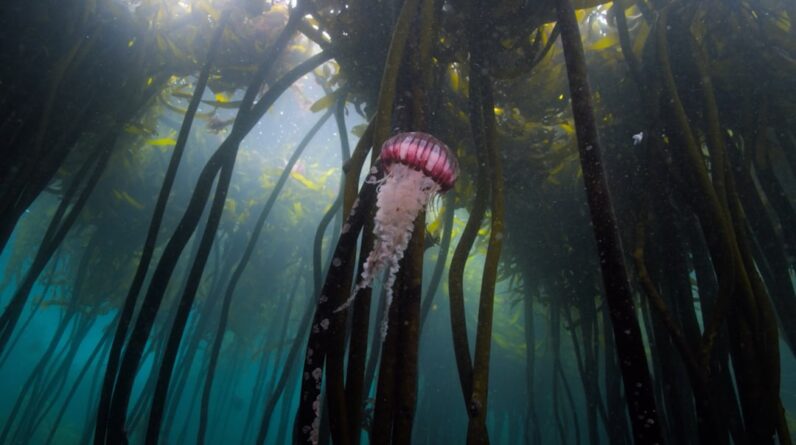
As you delve deeper into this process, you’ll discover that phytoplankton are not just simple organisms; they are the foundation of the marine food web and play a pivotal role in global biogeochemical cycles. In addition to phytoplankton, other marine plants such as seaweeds and seagrasses also contribute to oxygen production. These organisms thrive in various oceanic environments, from coastal shallows to the open sea.
As you explore these underwater landscapes, you’ll find that they are teeming with life and activity. The interplay between sunlight, water, and nutrients creates a dynamic system where oxygen is continuously produced and released into the atmosphere. This natural “oxygen machine” is essential for maintaining the balance of gases in our atmosphere and ensuring that life can flourish both in the ocean and on land.
The Ocean’s Role in Climate Regulation

The oceans are not only vital for oxygen production; they also play a crucial role in regulating the Earth’s climate. As you consider the vastness of these bodies of water, it becomes clear that they act as a massive heat sink, absorbing excess heat from the atmosphere and helping to moderate global temperatures. This process is essential for maintaining a stable climate, as it prevents extreme temperature fluctuations that could be detrimental to both marine and terrestrial ecosystems.
Moreover, the oceans are involved in carbon cycling, absorbing significant amounts of carbon dioxide from the atmosphere. This ability to sequester carbon helps mitigate climate change by reducing greenhouse gas concentrations. However, as you may be aware, rising temperatures and increased carbon emissions are putting immense pressure on oceanic systems.
The delicate balance that allows oceans to regulate climate is being threatened, leading to consequences that could affect weather patterns, sea levels, and biodiversity. Understanding this intricate relationship between oceans and climate is crucial for addressing global challenges related to climate change.
Threats to Oceanic Oxygen Levels
Despite their importance, oceanic oxygen levels are under threat from various human activities and environmental changes. One of the most pressing issues is ocean deoxygenation, a phenomenon driven by factors such as climate change, nutrient pollution, and overfishing. As temperatures rise and nutrient runoff from agricultural practices increases, algal blooms can occur, leading to hypoxic or anoxic conditions in certain areas of the ocean.
These low-oxygen zones can create “dead zones” where marine life struggles to survive. As you reflect on these threats, consider how they impact not only marine ecosystems but also human communities that rely on healthy oceans for their livelihoods. Overfishing disrupts food webs and can lead to declines in species that contribute to oxygen production.
Additionally, pollution from plastics and chemicals can harm phytoplankton populations, further exacerbating the decline in oceanic oxygen levels. Addressing these threats requires collective action and a commitment to sustainable practices that prioritize the health of our oceans.
The Impact of Oceanic Oxygen on Marine Life
The availability of oxygen in ocean waters is critical for sustaining diverse marine life. Fish, mammals, and other aquatic organisms depend on dissolved oxygen for survival; without it, their populations can decline dramatically. As you explore underwater ecosystems, you’ll notice how different species have adapted to varying levels of oxygen availability.
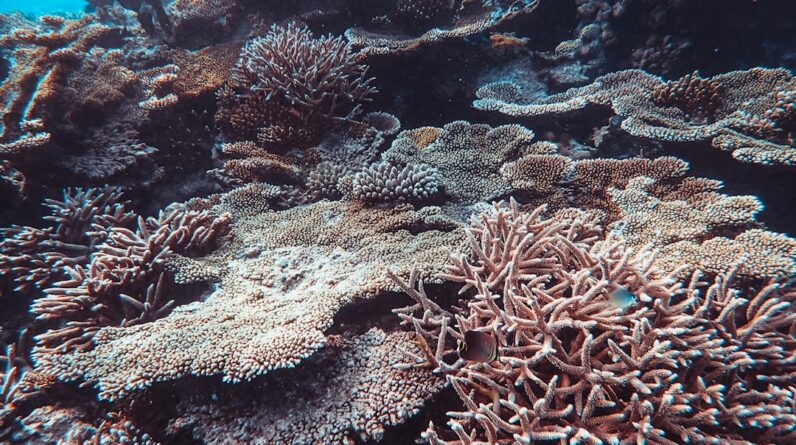
Some fish thrive in well-oxygenated waters, while others have developed unique adaptations to survive in low-oxygen environments. The impact of declining oceanic oxygen levels extends beyond individual species; it can disrupt entire ecosystems. Coral reefs, often referred to as the “rainforests of the sea,” are particularly vulnerable to changes in oxygen levels.
These vibrant ecosystems rely on a delicate balance of nutrients and gases to thrive. When oxygen levels drop, coral bleaching can occur, leading to widespread mortality among coral species and the loss of biodiversity. Understanding how oceanic oxygen influences marine life is essential for developing conservation strategies that protect these vital ecosystems.
The Connection Between Oceanic Oxygen and Human Health

The health of our oceans is intricately linked to human well-being. As you consider your own health, it’s important to recognize that clean air and water are fundamental components of a healthy lifestyle. The oxygen produced by oceans not only supports marine life but also contributes to the air quality you breathe every day.
When oceanic ecosystems are compromised due to pollution or climate change, it can have direct repercussions on human health. Moreover, many communities around the world rely on fishing and other marine resources for their livelihoods and nutrition. A decline in oceanic oxygen levels can lead to reduced fish populations and compromised food security for those who depend on these resources.
As you think about your connection to the ocean, consider how protecting these ecosystems is not just an environmental issue but also a matter of public health and social equity.
The Role of Phytoplankton in Oxygen Production
Phytoplankton are often referred to as the unsung heroes of our planet’s oxygen supply. These microscopic organisms may be small in size but have an outsized impact on global ecosystems. As primary producers in marine environments, phytoplankton form the base of the food web and are responsible for a significant portion of photosynthesis occurring in oceans.
When you think about their role in oxygen production, it’s remarkable to realize that just a few grams of phytoplankton can produce enough oxygen for an entire community. The diversity among phytoplankton species also contributes to their effectiveness in producing oxygen under varying environmental conditions. Some species thrive in nutrient-rich waters, while others are adapted to more challenging conditions.
This adaptability allows phytoplankton populations to flourish across different oceanic regions, ensuring a continuous supply of oxygen for both marine life and humans alike. Recognizing their importance highlights the need for conservation efforts aimed at protecting these vital organisms from threats such as pollution and climate change.
The Future of Oceanic Oxygen: Challenges and Solutions
As you look toward the future, it’s clear that maintaining healthy oceanic oxygen levels will require concerted efforts at local, national, and global scales. The challenges posed by climate change, pollution, and overfishing are significant but not insurmountable. Solutions exist that can help mitigate these threats and promote healthier oceans.
One promising approach involves implementing sustainable fishing practices that protect marine ecosystems while allowing communities to thrive economically. Additionally, reducing nutrient runoff through better agricultural practices can help prevent harmful algal blooms that deplete oxygen levels in coastal waters. On a larger scale, international cooperation is essential for addressing climate change and its impacts on ocean health.
By advocating for policies that prioritize ocean conservation and investing in research aimed at understanding these complex systems, you can contribute to a future where oceanic oxygen levels remain stable. In conclusion, understanding the importance of oceanic oxygen is crucial for appreciating its role in sustaining life on Earth. From its production by phytoplankton to its impact on climate regulation and human health, every aspect of this intricate system is interconnected.
By recognizing the threats facing our oceans and taking action to protect them, you can play a part in ensuring that future generations continue to benefit from the life-giving oxygen produced by our deep blue planet.
If you are interested in learning more about how to protect the environment and make a positive impact, check out the article How Does Reforestation Help the Environment? This article discusses the importance of planting trees and how it can benefit the environment in various ways. It complements the message of The Deep Blue Oxygen Machine by highlighting another crucial aspect of environmental conservation.
FAQs
What is the Deep Blue Oxygen Machine?
The Deep Blue Oxygen Machine refers to the ocean’s role in producing and regulating oxygen in the Earth’s atmosphere. It is a term used to highlight the importance of the ocean in maintaining the balance of oxygen levels on our planet.
How does the ocean produce oxygen?
The ocean produces oxygen through photosynthesis carried out by marine plants, algae, and phytoplankton. These organisms use sunlight to convert carbon dioxide and water into oxygen and organic compounds.
What is the significance of the ocean’s role in oxygen production?
The ocean is responsible for producing about 50-85% of the Earth’s oxygen. This makes it a crucial component in maintaining the balance of oxygen levels in the atmosphere, which is essential for supporting life on Earth.
How does the ocean regulate oxygen levels?
In addition to producing oxygen, the ocean also plays a key role in regulating oxygen levels through processes such as mixing and circulation of water, as well as the decomposition of organic matter.
What are the threats to the ocean’s oxygen production and regulation?
Factors such as climate change, ocean acidification, pollution, and overfishing can negatively impact the ocean’s ability to produce and regulate oxygen. These threats can disrupt marine ecosystems and have far-reaching consequences for oxygen levels and overall environmental health.