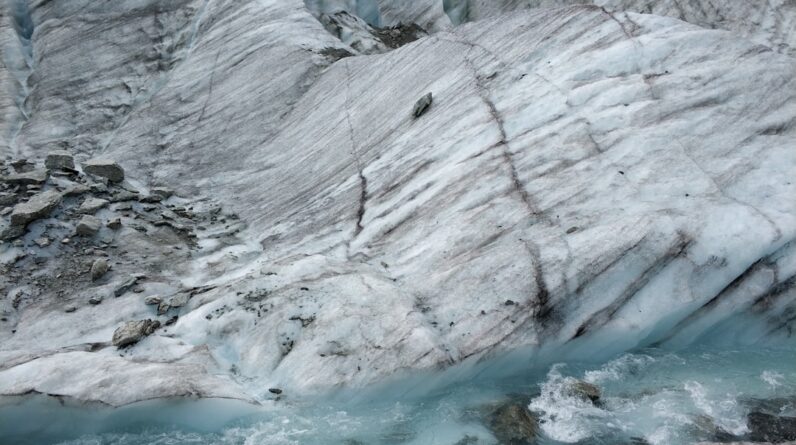
The albedo effect is a fascinating phenomenon that plays a crucial role in regulating the Earth’s temperature. At its core, albedo refers to the reflectivity of a surface, specifically how much sunlight is reflected back into space versus how much is absorbed. Surfaces with high albedo, such as ice, snow, and certain types of clouds, reflect a significant portion of incoming solar radiation.
Conversely, darker surfaces like oceans, forests, and urban areas absorb more sunlight, contributing to warming. As you delve deeper into this concept, you begin to appreciate how the albedo effect influences not only local climates but also global weather patterns. Understanding the albedo effect is essential for grasping the complexities of climate dynamics.
For instance, when snow or ice melts, it exposes darker surfaces underneath, which absorb more heat and further accelerate warming. This creates a feedback loop that can lead to even more ice melt and temperature rise. By recognizing the importance of albedo in the Earth’s energy balance, you can better understand the implications of climate change and the urgent need for action to mitigate its effects.
Key Takeaways
- The albedo effect refers to the ability of surfaces to reflect sunlight, with lighter surfaces reflecting more and darker surfaces absorbing more.
- Disappearing ice, such as melting glaciers and sea ice, reduces the Earth’s albedo, leading to more sunlight being absorbed and contributing to further warming.
- Changes in albedo can exacerbate climate change by creating a feedback loop, where warming leads to more ice melt, which in turn leads to more warming.
- The loss of ice due to the albedo effect contributes to global temperature rise, as less sunlight is reflected and more is absorbed by the Earth’s surface.
- Albedo also plays a role in ocean warming, as darker ocean surfaces absorb more heat, leading to further temperature increases and impacting marine ecosystems.
The Impact of Disappearing Ice on the Albedo Effect
As you observe the ongoing changes in our planet’s climate, one of the most striking phenomena is the rapid disappearance of ice in polar regions. This loss has profound implications for the albedo effect. When ice and snow cover diminish, they are replaced by darker surfaces that absorb more solar energy.
This shift not only contributes to local warming but also has far-reaching consequences for global climate systems. The Arctic, for example, has experienced significant ice loss over recent decades, leading to a marked decrease in its albedo and an increase in heat absorption. The impact of disappearing ice extends beyond just temperature increases; it also affects weather patterns and ecosystems.
As you consider the broader implications, you realize that reduced ice cover can disrupt ocean currents and atmospheric circulation, leading to unpredictable weather events across the globe. The loss of ice also threatens wildlife that depends on these habitats for survival, creating a ripple effect that can alter entire ecosystems. Understanding these connections is vital as you contemplate the future of our planet in the face of climate change.
Albedo and Climate Change
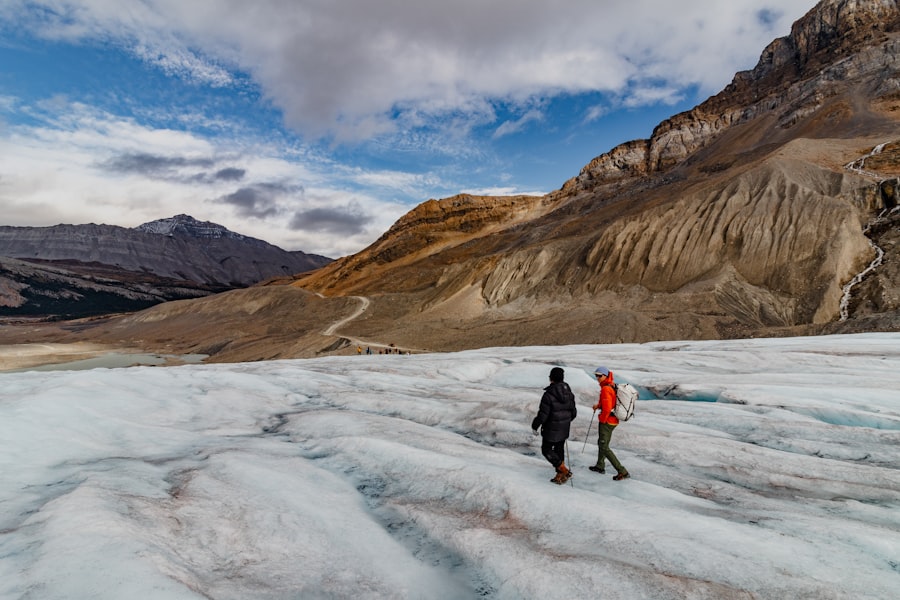
The relationship between albedo and climate change is intricate and multifaceted. As you explore this connection, it becomes clear that changes in albedo can either exacerbate or mitigate climate change effects. For instance, deforestation and urbanization can lower albedo by replacing reflective surfaces with darker ones, thereby increasing heat absorption and contributing to global warming.
Conversely, restoring natural landscapes or increasing reflective surfaces can help counteract some of these effects. Moreover, the feedback mechanisms associated with albedo changes are critical to understanding climate change dynamics. As temperatures rise and ice melts, the resulting decrease in albedo accelerates warming, creating a cycle that can be difficult to break.
This self-reinforcing loop highlights the urgency of addressing climate change comprehensively. By recognizing how human activities influence albedo and contribute to climate change, you can appreciate the importance of sustainable practices and policies aimed at reducing greenhouse gas emissions and preserving reflective surfaces.
The Role of Feedback Loops in the Albedo Effect
Feedback loops are integral to understanding the albedo effect and its implications for climate change. As you delve into this topic, you discover that these loops can either amplify or dampen changes in the climate system. In the case of the albedo effect, positive feedback loops are particularly concerning.
For example, as ice melts due to rising temperatures, less sunlight is reflected back into space, leading to further warming and more ice melt. This cycle can escalate rapidly, resulting in significant changes to global temperatures. You may also encounter negative feedback loops that can help stabilize the climate system.
For instance, increased cloud cover due to warming can enhance albedo by reflecting more sunlight away from the Earth’s surface. However, these negative feedbacks are often not strong enough to counteract the dominant positive feedbacks associated with ice melt and land-use changes. Understanding these dynamics is crucial as you consider potential strategies for mitigating climate change and its impacts on our planet.
Disappearing Ice and Global Temperature Rise
The correlation between disappearing ice and rising global temperatures is stark and alarming. As you examine data from recent years, it becomes evident that regions like the Arctic are warming at an unprecedented rate. This phenomenon is not merely a regional issue; it has global implications that affect weather patterns, sea levels, and ecosystems worldwide.
The melting of polar ice caps contributes to rising sea levels, which threaten coastal communities and ecosystems. Furthermore, as ice continues to vanish, it exacerbates global temperature rise through the albedo effect. The darker ocean waters exposed by melting ice absorb more heat from the sun, leading to further warming of both the ocean and atmosphere.
This cycle creates a precarious situation where rising temperatures lead to more ice melt, which in turn leads to even higher temperatures. As you reflect on this interconnectedness, it becomes clear that addressing ice loss is critical for stabilizing global temperatures and mitigating climate change.
Albedo and Ocean Warming
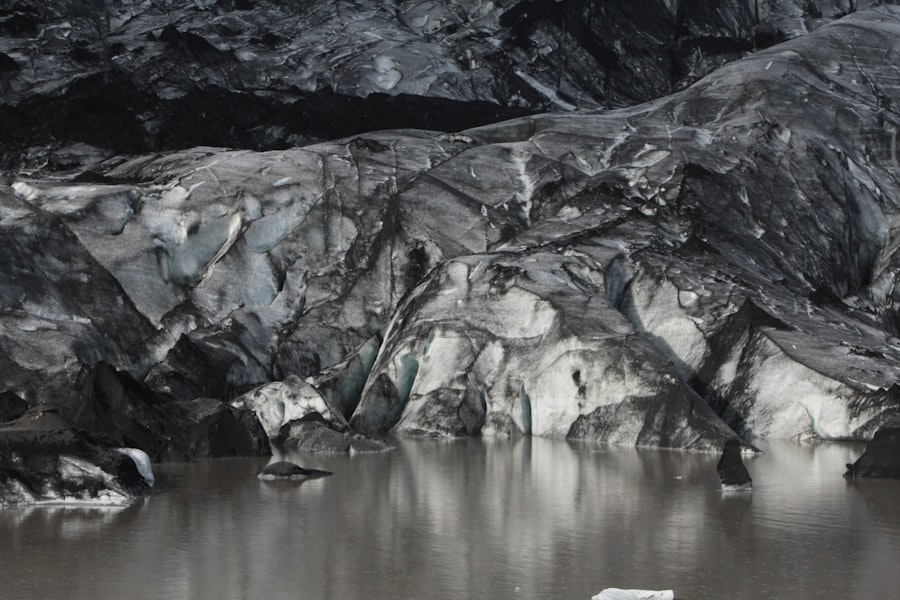
The relationship between albedo and ocean warming is another critical aspect of climate dynamics that deserves your attention. While much focus is placed on terrestrial ice loss, oceans play a significant role in regulating Earth’s temperature through their interaction with sunlight and heat absorption. Oceans have a lower albedo than ice-covered surfaces; thus, as ice melts and exposes ocean waters, more solar energy is absorbed rather than reflected.
This increased absorption contributes to ocean warming, which has cascading effects on marine ecosystems and weather patterns. Warmer oceans can lead to coral bleaching, altered fish migration patterns, and disrupted marine food webs. Additionally, as ocean temperatures rise, they can influence atmospheric conditions, leading to more intense storms and extreme weather events.
Understanding this interplay between albedo and ocean warming is essential for grasping the broader implications of climate change on both marine life and human societies.
The Albedo Effect and Extreme Weather Events
The albedo effect is intricately linked to extreme weather events that have become increasingly common in recent years. As you analyze this connection, it becomes evident that changes in surface reflectivity can influence atmospheric conditions in ways that lead to severe weather phenomena. For instance, as ice melts and dark ocean waters are exposed, increased heat absorption can contribute to warmer air temperatures, which may intensify storms or alter precipitation patterns.
Moreover, regions experiencing significant changes in albedo may face heightened risks of droughts or floods due to shifts in weather patterns. The interplay between land use changes—such as deforestation—and their impact on local albedo can exacerbate these extreme events. As you consider these factors, it becomes clear that addressing the albedo effect is not just about understanding temperature changes; it’s also about preparing for a future where extreme weather events may become more frequent and severe.
Mitigating the Albedo Effect: Solutions for a Cooler Planet
As you contemplate solutions for mitigating the albedo effect and its associated impacts on climate change, several strategies emerge that could help create a cooler planet. One approach involves enhancing reflective surfaces through urban planning and land management practices. For instance, using lighter-colored materials for roofs and pavements can increase urban albedo and reduce heat absorption in cities—a phenomenon known as urban heat island mitigation.
Another promising solution lies in reforestation and afforestation efforts aimed at restoring natural landscapes that have high albedo values. By planting trees and restoring wetlands, you can help increase surface reflectivity while also sequestering carbon dioxide from the atmosphere. Additionally, promoting sustainable agricultural practices that maintain soil health can contribute to higher albedo levels while ensuring food security.
Ultimately, addressing the challenges posed by the albedo effect requires a multifaceted approach that combines technological innovation with community engagement and policy initiatives. By understanding the complexities of this phenomenon and its implications for climate change, you can play an active role in advocating for solutions that promote a sustainable future for our planet.
A related article to The Albedo Effect: How Disappearing Ice Makes the Planet Heat Up Faster discusses the importance of preventing floods by massive tree planting. This article emphasizes the crucial role that trees play in absorbing excess water and preventing flooding in vulnerable areas. By planting more trees, we can help mitigate the effects of climate change and protect communities from the devastating impact of floods. To learn more about this important topic, visit Preventing Floods by Massive Tree Planting.
FAQs
What is the albedo effect?
The albedo effect refers to the ability of a surface to reflect sunlight. Surfaces with high albedo reflect more sunlight, while surfaces with low albedo absorb more sunlight.
How does disappearing ice contribute to the albedo effect?
As ice and snow melt, they expose darker surfaces such as land or water, which have lower albedo. This means that more sunlight is absorbed, leading to increased warming.
What are the consequences of the albedo effect on the planet?
The consequences of the albedo effect include accelerated warming, changes in weather patterns, and impacts on ecosystems and wildlife. It can also contribute to the melting of more ice, creating a feedback loop of further warming.
How does the albedo effect impact climate change?
The albedo effect is a significant factor in climate change, as it can amplify the warming effects of greenhouse gas emissions. As more ice disappears, the planet heats up faster, leading to more extreme weather events and other climate-related challenges.
What can be done to mitigate the albedo effect?
Efforts to mitigate the albedo effect include reducing greenhouse gas emissions to slow the rate of warming, as well as implementing strategies to preserve and protect ice and snow cover. These efforts can help to maintain higher albedo surfaces and limit the impact of the albedo effect on the planet.