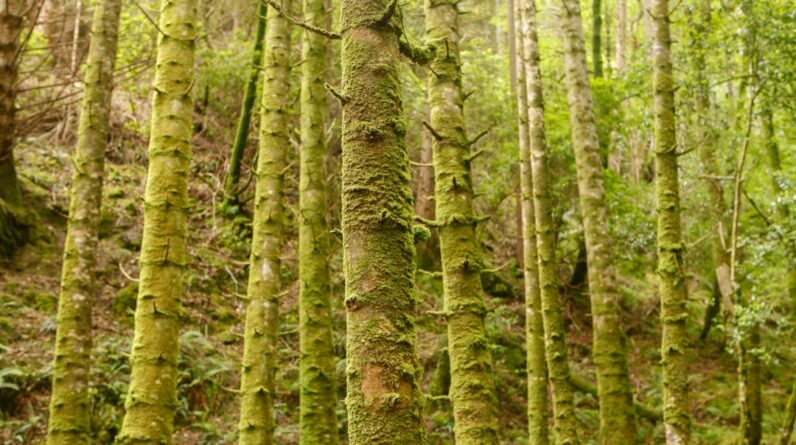
When you think about water availability, the role of forests may not be the first thing that comes to mind. However, reforestation plays a crucial role in ensuring that communities have access to clean and sufficient water. Trees act as natural sponges, absorbing rainfall and releasing it slowly into the atmosphere and soil.
This process not only helps to maintain a steady supply of water but also mitigates the effects of droughts and floods. By restoring forested areas, you can significantly enhance the local hydrological cycle, which is vital for both human consumption and agricultural needs. Moreover, reforestation contributes to the replenishment of aquifers, which are underground layers of water-bearing rock.
When trees are planted, their roots help to create pathways for water to seep into the ground, allowing it to recharge these vital water sources. This is particularly important in regions where groundwater is the primary source of drinking water. By investing in reforestation efforts, you are not only securing water availability for today but also ensuring that future generations will have access to this essential resource.
Key Takeaways
- Reforestation is crucial for maintaining water availability, as trees help to regulate the water cycle and prevent water scarcity.
- Reforestation plays a significant role in improving water quality by filtering pollutants and reducing sedimentation in water bodies.
- Trees help to prevent soil erosion and runoff by stabilizing the soil with their roots, which in turn protects water sources from contamination.
- Trees are essential for maintaining watershed health, as they help to regulate water flow and reduce the risk of flooding and drought.
- Reforestation has a positive impact on groundwater recharge, as trees enhance the infiltration of water into the ground, replenishing aquifers and maintaining water supplies.
The Connection Between Reforestation and Water Quality
The quality of water you consume is directly influenced by the surrounding environment, and reforestation plays a pivotal role in maintaining that quality. Forests act as natural filters, trapping pollutants and sediments before they can enter waterways. When you restore a forested area, you are effectively creating a buffer zone that protects rivers, lakes, and streams from harmful runoff.
This is especially important in agricultural regions where fertilizers and pesticides can easily contaminate water sources. In addition to filtering pollutants, trees also contribute to improved water quality by stabilizing soil and reducing erosion. When soil erodes, it can carry harmful substances into nearby water bodies, leading to issues such as algal blooms and decreased oxygen levels.
By planting trees, you help to anchor the soil in place, preventing erosion and maintaining the integrity of local ecosystems. This not only benefits aquatic life but also ensures that the water you rely on remains clean and safe for consumption.
How Reforestation Helps to Prevent Soil Erosion and Runoff
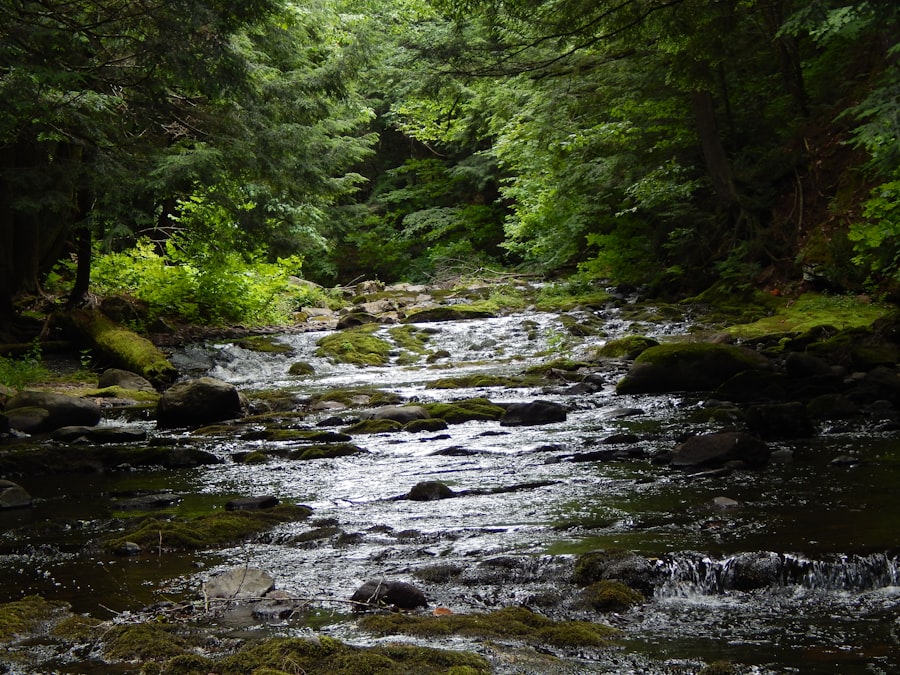
Soil erosion is a significant concern in many areas, particularly those that have been deforested or degraded. When you consider the impact of heavy rainfall or rapid snowmelt, it becomes clear how vulnerable bare soil can be. Without the protective cover of trees, soil can easily wash away, leading to loss of arable land and increased sedimentation in rivers and streams.
Reforestation serves as a powerful tool in combating this issue by providing a protective canopy that shields the soil from the elements. The roots of trees play an essential role in binding the soil together, creating a network that holds it in place. This not only reduces erosion but also minimizes runoff, allowing more water to infiltrate the ground rather than flowing over the surface.
As a result, reforested areas can absorb more rainfall, which helps to replenish local water supplies while simultaneously reducing the risk of flooding downstream. By prioritizing reforestation efforts, you contribute to a healthier landscape that is better equipped to handle extreme weather events.
The Role of Trees in Maintaining Watershed Health
Watersheds are critical ecosystems that collect and distribute water from precipitation to rivers, lakes, and aquifers. The health of these watersheds is directly linked to the presence of trees and vegetation. When you engage in reforestation efforts, you are actively working to restore the balance within these ecosystems.
Trees play a vital role in regulating water flow, maintaining moisture levels, and supporting biodiversity within watersheds. In addition to their physical presence, trees also contribute to the overall health of watersheds through their interactions with other organisms. They provide habitat for wildlife, which in turn helps to maintain ecological balance.
Furthermore, trees contribute to nutrient cycling by shedding leaves and organic matter that enrich the soil. This creates a thriving environment for various plant species, which further supports watershed health. By focusing on reforestation, you are not only enhancing water availability but also fostering a diverse and resilient ecosystem.
The Impact of Reforestation on Groundwater Recharge
Groundwater is an essential resource for many communities around the world, providing drinking water and irrigation for agriculture. However, groundwater levels are declining in many areas due to over-extraction and climate change. Reforestation can play a significant role in reversing this trend by enhancing groundwater recharge rates.
When trees are planted, their root systems create channels that allow rainwater to penetrate deeper into the soil, facilitating its movement toward aquifers. Additionally, reforested areas tend to have higher rates of infiltration compared to barren land or urbanized areas. This means that more rainwater is absorbed rather than running off into streams or rivers.
As a result, reforestation can help maintain stable groundwater levels even during periods of low rainfall. By investing in tree planting initiatives, you are contributing to sustainable water management practices that ensure long-term access to this vital resource.
Reforestation as a Solution to Urban Water Management Challenges
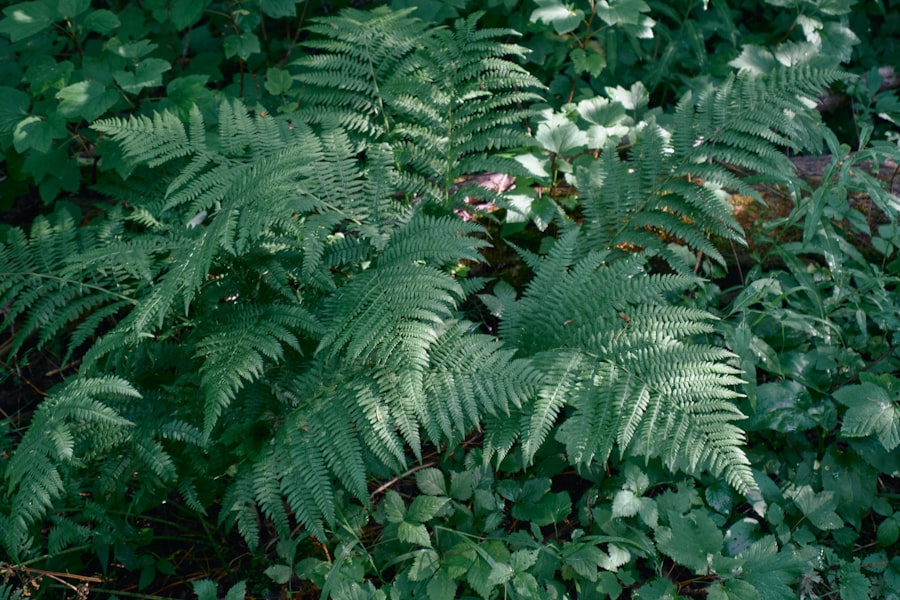
Urban areas face unique challenges when it comes to water management, including increased demand for clean water and heightened risks of flooding due to impervious surfaces like concrete and asphalt. Reforestation offers a viable solution to these challenges by integrating green spaces into urban planning. Trees can help mitigate stormwater runoff by absorbing excess rainwater and reducing the burden on drainage systems.
Moreover, urban forests provide additional benefits beyond just water management. They improve air quality, reduce heat island effects, and enhance overall quality of life for residents. By incorporating reforestation into urban development strategies, you can create more sustainable cities that prioritize both environmental health and community well-being.
This holistic approach not only addresses immediate water management issues but also fosters long-term resilience against climate change.
The Economic and Social Benefits of Reforestation for Water Resources
Reforestation is not just an environmental initiative; it also has significant economic and social implications for communities. By restoring forests, you create job opportunities in areas such as forestry management, conservation work, and eco-tourism. These jobs can provide stable income for local residents while promoting sustainable practices that benefit both people and the environment.
Socially, reforestation projects often bring communities together around a common goal: improving their local environment and ensuring access to clean water resources. Engaging community members in tree planting initiatives fosters a sense of ownership and responsibility toward their natural surroundings. This collective effort can lead to stronger community bonds and increased awareness about the importance of protecting water resources for future generations.
Successful Examples of Reforestation Projects and Their Impact on Water Availability and Quality
Around the world, numerous successful reforestation projects have demonstrated the positive impact on water availability and quality. For instance, in Ethiopia’s Great Green Wall initiative, millions of trees have been planted across degraded landscapes. This ambitious project has not only improved local water supplies but has also enhanced agricultural productivity by restoring soil health.
Another notable example is the reforestation efforts in Costa Rica, where government policies incentivize landowners to restore forests on their properties. As a result, the country has seen significant improvements in both water quality and biodiversity. These projects serve as powerful reminders of how reforestation can be an effective strategy for addressing pressing environmental challenges while simultaneously benefiting local communities.
In conclusion, reforestation is an essential component of sustainable water management practices that can significantly enhance water availability and quality. By understanding its multifaceted benefits—from preventing soil erosion to improving groundwater recharge—you can appreciate the critical role that trees play in maintaining healthy ecosystems. As you consider your own contributions to environmental sustainability, remember that supporting reforestation efforts can lead to lasting positive impacts on both your community and the planet as a whole.
A related article to How Reforestation Enhances Water Availability and Quality discusses the Advantages of Planting Trees for Climate Change. This article highlights how planting trees can help combat climate change by absorbing carbon dioxide and releasing oxygen. To learn more about the benefits of planting trees for climate change, you can read the article here.
FAQs
What is reforestation?
Reforestation is the process of planting trees in areas where forests have been depleted or destroyed, with the goal of restoring the ecological balance and increasing forest cover.
How does reforestation enhance water availability?
Reforestation enhances water availability by increasing the amount of water that is absorbed into the ground and stored in the soil. Trees help to regulate the water cycle, reducing runoff and erosion, and replenishing groundwater supplies.
How does reforestation enhance water quality?
Reforestation enhances water quality by reducing the amount of sediment, nutrients, and pollutants that enter water bodies. Trees act as natural filters, trapping and removing contaminants from surface water and improving overall water quality.
What are the environmental benefits of reforestation?
Reforestation provides a range of environmental benefits, including carbon sequestration, habitat restoration for wildlife, soil stabilization, and climate regulation. It also helps to mitigate the impacts of deforestation and land degradation.
What are some examples of successful reforestation projects?
Successful reforestation projects can be found around the world, including the Atlantic Forest Reforestation Project in Brazil, the Green Belt Movement in Kenya, and the Loess Plateau Watershed Rehabilitation Project in China. These projects have demonstrated the positive impact of reforestation on water availability and quality.