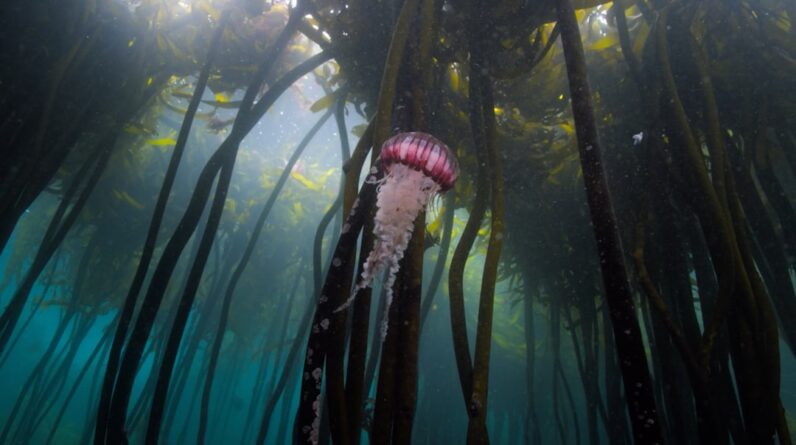
When you think about the ocean, you might picture vast blue expanses teeming with life, but have you ever considered its role in producing the oxygen you breathe? The ocean is responsible for generating approximately 50% of the Earth’s oxygen, primarily through the photosynthetic activities of phytoplankton. These microscopic organisms, along with seaweed and other marine plants, absorb carbon dioxide and release oxygen as a byproduct.
This process is not only vital for marine ecosystems but also for the survival of terrestrial life. By understanding the significance of ocean oxygen production, you can appreciate the interconnectedness of life on Earth and the critical role that oceans play in maintaining atmospheric balance. Moreover, the health of our oceans directly impacts climate regulation.
The ocean acts as a carbon sink, absorbing excess carbon dioxide from the atmosphere. This ability to sequester carbon helps mitigate climate change, making it essential for you to recognize how ocean health influences global temperatures and weather patterns. When you support initiatives aimed at protecting marine environments, you are also contributing to the preservation of this vital oxygen production system.
By fostering a deeper understanding of these processes, you can become an advocate for ocean conservation and inspire others to join in the effort to protect our planet’s life-giving waters.
Key Takeaways
- Ocean oxygen production is crucial for supporting marine life and regulating the Earth’s climate.
- Reducing carbon emissions is essential for preventing ocean acidification and preserving ocean oxygen levels.
- Supporting sustainable fishing practices helps maintain healthy fish populations and ocean ecosystems.
- Conserving marine habitats is vital for preserving biodiversity and ensuring continued oxygen production.
- Reducing plastic pollution is necessary for protecting marine life and maintaining oxygen-producing ecosystems.
Reducing Carbon Emissions
One of the most effective ways you can contribute to ocean health is by reducing your carbon emissions. Carbon dioxide is a significant contributor to climate change, which poses a direct threat to marine ecosystems. As temperatures rise, oceans experience increased acidification, leading to detrimental effects on coral reefs and marine life.
By making conscious choices in your daily life—such as using public transportation, reducing energy consumption, and opting for renewable energy sources—you can help lower your carbon footprint. Each small action you take can collectively lead to significant changes in reducing greenhouse gas emissions. Additionally, advocating for policies that promote clean energy and sustainable practices is crucial.
You can engage with local representatives or participate in community initiatives that focus on environmental sustainability. By voicing your concerns and supporting legislation aimed at reducing carbon emissions, you contribute to a larger movement that prioritizes the health of our oceans. Remember, every effort counts; when you reduce your carbon emissions, you are not only protecting marine ecosystems but also ensuring a healthier planet for future generations.
Supporting Sustainable Fishing Practices
Sustainable fishing practices are essential for maintaining healthy fish populations and preserving marine biodiversity. When you choose to support fisheries that prioritize sustainability, you are playing a vital role in protecting ocean ecosystems. Overfishing has led to the depletion of numerous fish species, disrupting food chains and harming marine habitats.
By opting for seafood sourced from sustainable fisheries, you help ensure that fish populations remain stable and that marine environments are not overexploited. Moreover, educating yourself about the seafood industry can empower you to make informed choices. Look for certifications such as the Marine Stewardship Council (MSC) label, which indicates that the seafood has been sourced responsibly.
You can also participate in local seafood initiatives that promote sustainable practices within your community. By supporting local fishermen who adhere to sustainable methods, you contribute to the economic viability of these practices while helping to protect the ocean’s resources. Your choices matter; by advocating for sustainable fishing, you are actively participating in the preservation of marine ecosystems.
Conserving Marine Habitats
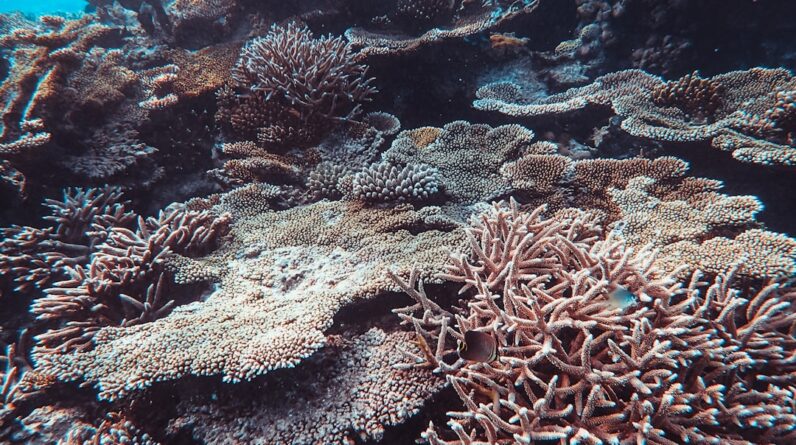
The conservation of marine habitats is crucial for maintaining biodiversity and ensuring the health of our oceans. Coral reefs, mangroves, and seagrass beds are just a few examples of vital ecosystems that provide shelter and food for countless marine species. When you engage in conservation efforts, whether through volunteering or supporting organizations dedicated to habitat protection, you contribute to the resilience of these ecosystems.
Healthy habitats not only support marine life but also play a role in carbon sequestration and coastal protection. You can also take action by promoting responsible tourism practices if you enjoy visiting coastal areas. Supporting eco-friendly businesses and participating in activities that minimize environmental impact can help protect fragile marine habitats.
Additionally, advocating for policies that prioritize habitat conservation at local and national levels is essential. By raising awareness about the importance of preserving these ecosystems, you can inspire others to join in the effort to protect our oceans and their invaluable resources.
Reducing Plastic Pollution
Plastic pollution is one of the most pressing threats facing our oceans today. Millions of tons of plastic waste end up in the ocean each year, harming marine life and disrupting ecosystems. As an individual, you have the power to make a difference by reducing your plastic consumption.
Simple actions like using reusable bags, bottles, and containers can significantly decrease the amount of plastic waste generated in your daily life. By making these small changes, you contribute to a larger movement aimed at reducing plastic pollution. In addition to personal efforts, advocating for policies that limit single-use plastics is crucial.
You can support local initiatives aimed at banning plastic straws or encouraging businesses to adopt more sustainable packaging practices. Participating in beach clean-ups or community events focused on reducing plastic waste can also amplify your impact. By raising awareness about the dangers of plastic pollution and encouraging others to take action, you help foster a culture of environmental responsibility that benefits our oceans.
Supporting Ocean Conservation Organizations
Numerous organizations are dedicated to protecting our oceans and promoting sustainable practices. By supporting these organizations—whether through donations, volunteering, or spreading awareness—you can amplify their efforts and contribute to meaningful change. Many conservation groups focus on various aspects of ocean health, from protecting endangered species to advocating for policy changes that benefit marine environments.
Your involvement can help fund research initiatives, habitat restoration projects, and educational programs aimed at raising awareness about ocean conservation. You can also leverage social media platforms to promote these organizations and their missions. Sharing their campaigns or participating in fundraising events can help increase visibility and support for their work.
By becoming an active participant in ocean conservation efforts, you not only contribute to protecting marine ecosystems but also inspire others to join in the cause. Your support can make a significant difference in ensuring that future generations inherit healthy oceans filled with diverse marine life.
Educating Others About the Importance of Ocean Oxygen Production
Education plays a pivotal role in fostering awareness about ocean health and its impact on global oxygen production. You can take it upon yourself to share knowledge about how oceans contribute to the air we breathe with friends, family, and your community. Organizing workshops or informational sessions can be an effective way to engage others in discussions about marine ecosystems and their significance in oxygen production.
By sharing facts and insights about phytoplankton and other marine plants, you help demystify the complex relationship between oceans and atmospheric health. Furthermore, utilizing social media platforms to disseminate information can reach a broader audience. Creating informative posts or sharing articles about ocean oxygen production can spark conversations and encourage others to take action.
When people understand how their actions impact ocean health, they are more likely to adopt sustainable practices in their own lives. By becoming an advocate for education on this topic, you contribute to a more informed society that values and protects our oceans.
Engaging in Citizen Science Initiatives
Citizen science initiatives offer a unique opportunity for you to contribute directly to ocean research and conservation efforts. Many organizations invite individuals like you to participate in data collection projects that monitor marine life, water quality, or habitat health. By engaging in these initiatives, you not only gain valuable insights into scientific research but also play an active role in contributing to our understanding of ocean ecosystems.
Participating in citizen science projects can be both rewarding and educational. You may find yourself exploring local beaches or diving into underwater surveys while collecting data that informs conservation strategies. Additionally, sharing your experiences with others can inspire them to get involved as well.
By fostering a sense of community around citizen science initiatives, you help build a network of individuals dedicated to protecting our oceans and ensuring their health for generations to come. In conclusion, your actions—no matter how small—can have a profound impact on ocean health and oxygen production. By understanding the importance of these processes and actively engaging in conservation efforts, you contribute to a healthier planet for all living beings.
Whether through reducing carbon emissions, supporting sustainable fishing practices, or participating in citizen science initiatives, every step you take brings us closer to preserving our oceans for future generations.
One related article that discusses the importance of planting trees in maintaining a healthy ecosystem is Increased Tree Planting Will Unbalance the World’s Ecosystems. This article delves into the potential consequences of planting too many trees and how it can disrupt the delicate balance of our environment. It highlights the need for thoughtful and strategic tree planting initiatives to ensure the sustainability of our ecosystems.
FAQs
What is ocean oxygen production?
Ocean oxygen production refers to the process by which marine plants, particularly phytoplankton, produce oxygen through photosynthesis. This oxygen is essential for the survival of marine life and also contributes to the overall oxygen levels in the Earth’s atmosphere.
Why is ocean oxygen production important?
Ocean oxygen production is crucial for maintaining the health of marine ecosystems and supporting the diverse marine life. It also plays a significant role in regulating the Earth’s overall oxygen levels, which are essential for all aerobic life forms, including humans.
What are the factors affecting ocean oxygen production?
Factors affecting ocean oxygen production include nutrient availability, temperature, light, and the presence of pollutants such as carbon dioxide and nitrogen. Changes in these factors can impact the growth and productivity of marine plants, thereby affecting ocean oxygen production.
How can individuals help to support ocean oxygen production?
Individuals can help support ocean oxygen production by reducing their carbon footprint, minimizing pollution, and supporting sustainable fishing practices. Additionally, supporting organizations and initiatives focused on marine conservation and protection can also contribute to the preservation of ocean oxygen production.