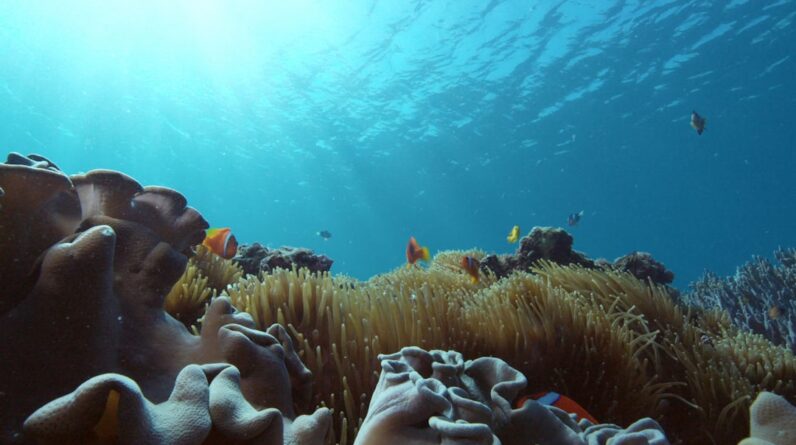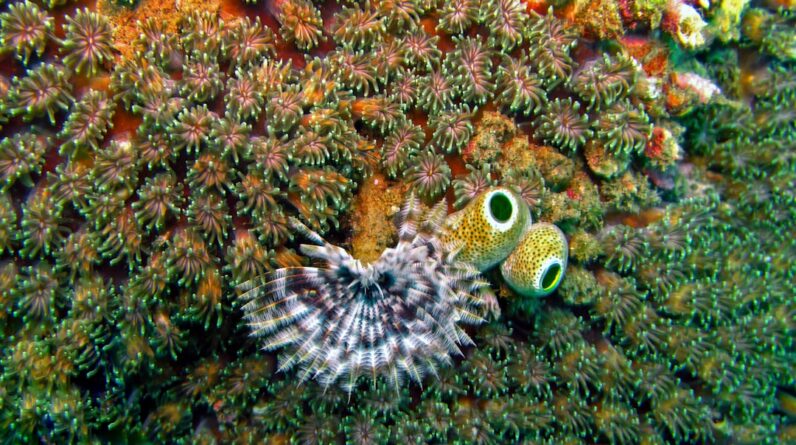
As you gaze out over the vast expanse of the ocean, you may not immediately consider the vital role that oxygen plays in this immense body of water. Yet, ocean oxygen is a fundamental component of marine ecosystems, supporting life forms from the tiniest plankton to the largest whales. The oceans produce more than half of the world’s oxygen, primarily through the process of photosynthesis carried out by phytoplankton, seaweed, and other marine plants.
This essential gas not only sustains marine life but also contributes significantly to the atmosphere, making it crucial for terrestrial organisms, including humans. Understanding ocean oxygen is not merely an academic exercise; it is a matter of survival for countless species and a cornerstone of global ecological balance. As you delve deeper into this topic, you will uncover the intricate relationships between ocean health, climate change, and biodiversity.
The oceans are not just a backdrop to human activity; they are dynamic systems that require your attention and respect. By exploring the importance of ocean oxygen, you can appreciate its role in sustaining life on Earth and recognize the urgent need to protect this precious resource.
Key Takeaways
- Ocean oxygen is essential for the survival of marine life and the overall health of the ocean ecosystem.
- Understanding the cultural significance of ocean oxygen can help bridge communication gaps and foster cross-cultural understanding.
- Different cultures have unique perspectives and practices related to ocean oxygen, highlighting the need for cross-cultural communication and collaboration.
- Effective communication across cultural boundaries regarding ocean oxygen can lead to greater awareness and conservation efforts.
- Embracing diversity in the language of ocean oxygen can lead to innovative solutions and a more sustainable future for our oceans.
The Importance of Ocean Oxygen
The significance of ocean oxygen extends far beyond the marine environment. As you consider its role in supporting life, you will find that it is intricately linked to climate regulation and the overall health of our planet. The oceans act as a carbon sink, absorbing carbon dioxide from the atmosphere and mitigating the effects of climate change.
This process is facilitated by ocean oxygen, which helps maintain the delicate balance of gases in our atmosphere. Without sufficient oxygen levels in the oceans, this natural regulation would be compromised, leading to dire consequences for both marine and terrestrial ecosystems. Moreover, ocean oxygen is essential for the survival of countless marine species.
Fish, crustaceans, and other aquatic organisms rely on dissolved oxygen in seawater to breathe and thrive. When oxygen levels drop due to pollution or climate change, entire ecosystems can collapse, leading to phenomena such as dead zones where marine life cannot survive. As you reflect on these issues, it becomes clear that maintaining healthy levels of ocean oxygen is not just an environmental concern; it is a matter of global food security and economic stability for communities that depend on fishing and tourism.
Understanding the Cultural Significance of Ocean Oxygen
As you explore the cultural significance of ocean oxygen, you will discover that it transcends scientific understanding and enters the realm of human experience. Different cultures have long recognized the importance of oceans and their resources, often weaving them into their traditions, beliefs, and practices. For many coastal communities, the ocean is not just a source of livelihood; it is a sacred space that embodies their identity and heritage.
The relationship between these communities and the ocean is deeply rooted in respect and reverence for its life-giving properties. In various cultures around the world, stories and myths often highlight the ocean’s role in creation and sustenance. For instance, Indigenous peoples have long understood the interconnectedness of all life forms within marine ecosystems.
Their traditional ecological knowledge emphasizes sustainable practices that honor ocean resources while ensuring their preservation for future generations. As you engage with these narratives, you will come to appreciate how ocean oxygen serves as a bridge between nature and culture, fostering a sense of belonging and responsibility toward the environment.
The Role of Ocean Oxygen in Different Cultures
The role of ocean oxygen varies across cultures, reflecting diverse relationships with marine environments. In some societies, such as those in the Pacific Islands, the ocean is viewed as a provider of life and sustenance. The abundance of fish and other marine resources is celebrated through festivals and rituals that honor the sea’s gifts.
These cultural practices often emphasize gratitude for the oxygen-rich waters that support vibrant ecosystems, reinforcing a sense of stewardship among community members. Conversely, in urbanized societies where direct interaction with the ocean may be limited, the cultural significance of ocean oxygen can be less tangible. However, awareness campaigns and educational initiatives are increasingly highlighting the importance of clean oceans and healthy ecosystems.
As you navigate through these cultural landscapes, you will find that regardless of geographical location or lifestyle, there is a universal recognition of the need to protect ocean oxygen as a vital resource for all life on Earth.
Communicating Across Cultural Boundaries Through Ocean Oxygen
Effective communication about ocean oxygen requires sensitivity to cultural differences and an understanding of how various communities perceive their relationship with the sea. As you engage with individuals from diverse backgrounds, you may encounter differing beliefs about environmental stewardship and resource management. By fostering open dialogue and actively listening to these perspectives, you can bridge cultural gaps and promote collaborative efforts to protect ocean health.
One effective approach to cross-cultural communication is storytelling. Sharing personal experiences or traditional narratives related to ocean oxygen can create connections that transcend language barriers. For instance, when individuals from different cultures come together to share their stories about fishing practices or conservation efforts, they can find common ground in their shared appreciation for the ocean’s life-sustaining properties.
This exchange not only enriches your understanding but also fosters a sense of unity in addressing global challenges related to ocean health.
Challenges and Opportunities in Cross-Cultural Communication of Ocean Oxygen
While there are numerous opportunities for cross-cultural communication regarding ocean oxygen, challenges also abound. One significant hurdle is the varying levels of awareness and education about marine ecosystems across different cultures. In some regions, communities may lack access to information about the importance of ocean oxygen or may prioritize immediate economic needs over environmental concerns.
As you navigate these complexities, it becomes essential to approach discussions with empathy and an understanding of local contexts. Another challenge lies in differing values associated with nature and resources. In some cultures, there may be a strong emphasis on individualism and economic growth, while others prioritize communal well-being and sustainability.
Recognizing these differences can help you tailor your communication strategies to resonate with specific audiences. By framing discussions around ocean oxygen in ways that align with cultural values—whether through economic benefits or spiritual connections—you can foster more meaningful conversations that inspire action.
Case Studies of Successful Cross-Cultural Communication of Ocean Oxygen
Examining successful case studies can provide valuable insights into effective cross-cultural communication regarding ocean oxygen. One notable example is the collaboration between Indigenous communities in North America and environmental organizations focused on marine conservation. By integrating traditional ecological knowledge with scientific research, these partnerships have led to successful initiatives aimed at restoring coastal ecosystems and promoting sustainable fishing practices.
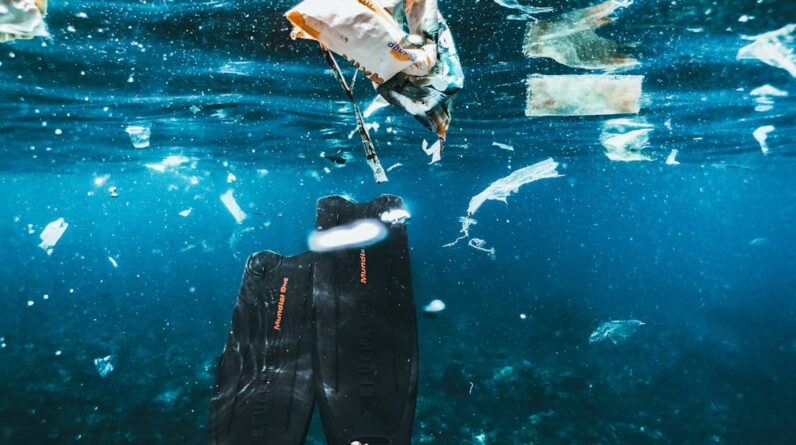
Another inspiring case study involves international efforts to address plastic pollution in oceans. Various organizations have engaged communities worldwide through educational campaigns that emphasize the impact of plastic waste on marine life and ocean oxygen levels. By utilizing culturally relevant messaging and involving local leaders in these initiatives, they have successfully mobilized grassroots movements that advocate for cleaner oceans.
These examples illustrate how cross-cultural communication can lead to meaningful change when approached with respect and inclusivity.
Embracing Diversity in the Language of Ocean Oxygen
As you reflect on the multifaceted nature of ocean oxygen and its cultural significance, it becomes evident that embracing diversity is essential for effective communication about this vital resource. Each culture brings unique perspectives and values that enrich our understanding of marine ecosystems and their importance to human life. By fostering dialogue across cultural boundaries, you can contribute to a collective effort aimed at preserving ocean health for future generations.
In your journey toward understanding ocean oxygen, remember that every voice matters. Whether through storytelling, education, or collaborative initiatives, your engagement can help bridge gaps between cultures and promote a shared commitment to protecting our oceans. As you continue to explore this vital topic, let your passion for marine conservation inspire others to join in safeguarding the precious gift of ocean oxygen—a gift that sustains life on Earth and connects us all.
In a related article discussing the benefits of planting trees for climate change, it highlights the advantages of increasing tree planting efforts to combat the effects of global warming. The article explains how planting trees can help sequester carbon dioxide from the atmosphere and reduce greenhouse gas emissions. To read more about the positive impact of tree planting on the environment, visit Advantages of Planting Trees for Climate Change.
FAQs
What is the language of ocean oxygen?
The language of ocean oxygen refers to the way in which oxygen levels in the ocean communicate important information about the health and functioning of marine ecosystems.
How do oxygen levels in the ocean communicate across cultural boundaries?
Oxygen levels in the ocean communicate across cultural boundaries by affecting the distribution and behavior of marine species, which in turn impacts the livelihoods and cultures of coastal communities around the world.
Why is it important to understand the language of ocean oxygen?
Understanding the language of ocean oxygen is important because it provides crucial insights into the impacts of climate change, pollution, and other human activities on marine ecosystems and the communities that depend on them.
What are some of the key factors that influence the language of ocean oxygen?
Key factors that influence the language of ocean oxygen include temperature, nutrient levels, ocean circulation patterns, and the presence of pollutants or other stressors.
How can we improve communication across cultural boundaries when it comes to the language of ocean oxygen?
Improving communication across cultural boundaries in relation to the language of ocean oxygen involves promoting collaboration and knowledge sharing between scientists, policymakers, and local communities, as well as implementing sustainable management practices for marine resources.