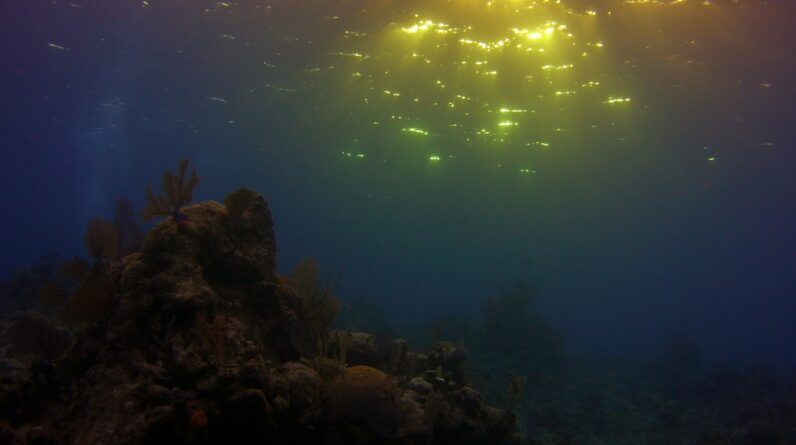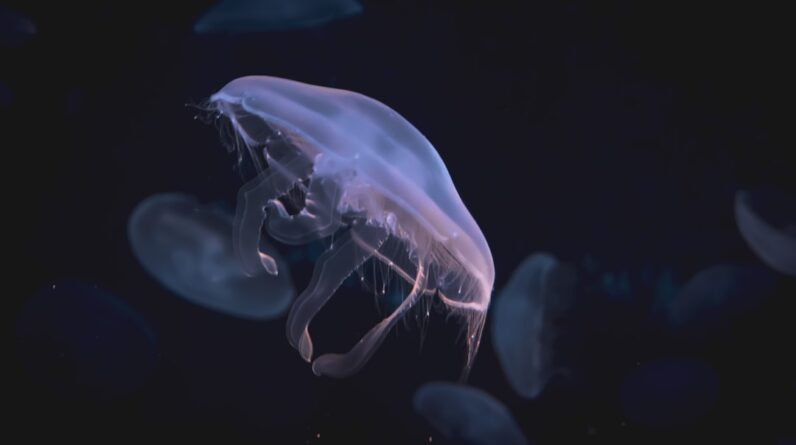
As you delve into the complexities of global environmental governance, you may find yourself drawn to the recent developments surrounding the New International Treaty aimed at protecting the high seas. This treaty represents a significant milestone in international law, addressing the urgent need for coordinated action to safeguard marine biodiversity beyond national jurisdictions. The high seas, which cover nearly two-thirds of the world’s oceans, have long been neglected in terms of legal protection, leading to rampant overfishing, pollution, and habitat destruction.
The treaty seeks to rectify this oversight by establishing a framework for sustainable management and conservation of these vital ecosystems. The negotiations leading to this treaty were not without their challenges. They involved numerous stakeholders, including governments, non-governmental organizations, and scientific communities, all advocating for a unified approach to ocean conservation.
As you explore the intricacies of this treaty, you will discover how it aims to balance economic interests with environmental stewardship, ensuring that future generations inherit a healthy and thriving ocean. The significance of this treaty cannot be overstated; it marks a turning point in humanity’s relationship with the oceans, emphasizing the need for collective responsibility in preserving our planet’s most precious resources.
Key Takeaways
- The new international treaty aims to protect the high seas, which are areas of the ocean beyond national jurisdiction.
- Protecting the high seas and their oxygen is crucial for maintaining the health of marine life and ecosystems, as well as for combating climate change.
- Key provisions of the treaty include establishing marine protected areas, regulating fishing activities, and promoting scientific research and technology transfer.
- International organizations will play a crucial role in enforcing the treaty, ensuring compliance, and resolving disputes among member states.
- The treaty has the potential to have a positive impact on marine life and ecosystems by reducing overfishing, protecting vulnerable species, and preserving biodiversity.
The Importance of Protecting the High Seas and Their Oxygen
Understanding the importance of the high seas is crucial as you consider their role in global ecosystems. The high seas are not just vast expanses of water; they are essential for maintaining the health of our planet. They produce a significant portion of the world’s oxygen through phytoplankton, microscopic organisms that thrive in these waters.
These tiny powerhouses contribute to approximately 50% of the oxygen we breathe, underscoring the critical need to protect their habitats from degradation and pollution. Moreover, the high seas serve as a refuge for countless marine species, many of which are still undiscovered. As you reflect on the biodiversity that exists in these waters, consider how vital it is to maintain their ecological balance.
The high seas are home to unique ecosystems that support a variety of life forms, from majestic whales to vibrant coral reefs. Protecting these areas not only preserves marine life but also ensures that we continue to benefit from the ecosystem services they provide, such as carbon sequestration and climate regulation.
Key Provisions of the Treaty
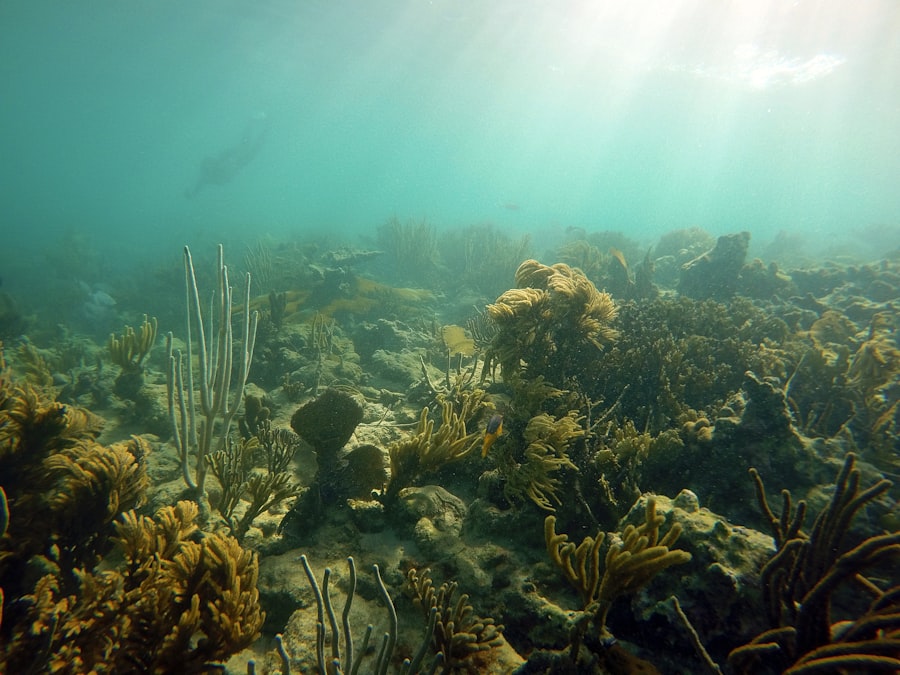
As you examine the key provisions of the New International Treaty, you will notice that it encompasses several critical components designed to enhance marine conservation efforts. One of the most significant aspects is the establishment of marine protected areas (MPAs) in the high seas. These designated zones will be crucial for safeguarding biodiversity and allowing ecosystems to recover from human-induced stressors.
By creating MPAs, the treaty aims to provide safe havens for marine species, enabling them to thrive and reproduce without the pressures of overfishing and habitat destruction. Another vital provision is the emphasis on environmental impact assessments (EIAs) for activities conducted in the high seas. This requirement ensures that any proposed projects undergo thorough scrutiny to evaluate their potential effects on marine ecosystems.
By mandating EIAs, the treaty seeks to prevent harmful activities from proceeding without adequate consideration of their environmental consequences. Additionally, the treaty promotes international cooperation in scientific research and data sharing, recognizing that understanding marine ecosystems is essential for effective management and conservation efforts.
The Role of International Organizations in Enforcing the Treaty
The successful implementation of the New International Treaty hinges on the active involvement of international organizations. As you explore this aspect, consider how entities like the United Nations and regional fisheries management organizations will play pivotal roles in enforcing the treaty’s provisions. These organizations are tasked with monitoring compliance, facilitating cooperation among nations, and providing technical assistance to ensure that countries adhere to their commitments under the treaty.
Furthermore, international organizations will be instrumental in fostering collaboration between governments and non-governmental stakeholders. By bringing together scientists, policymakers, and conservationists, these organizations can help develop best practices for managing high seas resources sustainably. You may find it encouraging that such collaborative efforts can lead to innovative solutions for addressing challenges like illegal fishing and pollution, ultimately enhancing the effectiveness of the treaty in protecting marine ecosystems.
Potential Impacts of the Treaty on Marine Life and Ecosystems
As you contemplate the potential impacts of the New International Treaty on marine life and ecosystems, it becomes clear that its implementation could lead to transformative changes in ocean health. By establishing marine protected areas and enforcing sustainable fishing practices, the treaty has the potential to reverse some of the damage inflicted on marine ecosystems over decades. You might envision vibrant coral reefs teeming with life or schools of fish returning to once-depleted waters as a result of these protective measures.
Moreover, the treaty’s focus on scientific research and data sharing can enhance our understanding of marine ecosystems and their responses to environmental changes. This knowledge will be invaluable in adapting management strategies to ensure resilience against threats such as climate change and ocean acidification. As you consider these possibilities, it becomes evident that protecting marine life is not just an environmental imperative; it is also essential for human well-being, as healthy oceans contribute to food security and livelihoods for millions around the globe.
Challenges and Obstacles in Implementing the Treaty
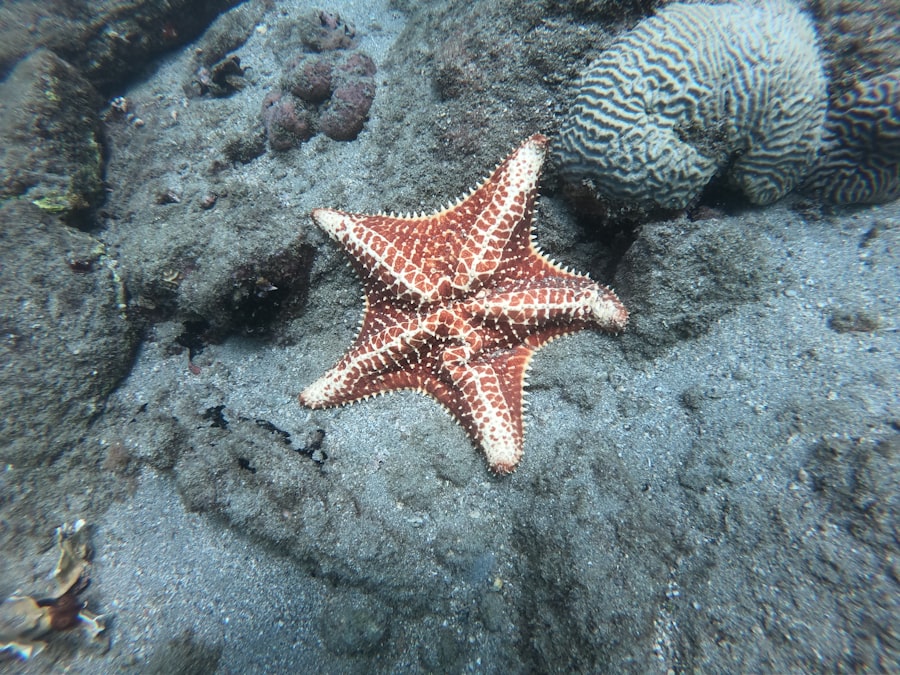
Despite its promising provisions, implementing the New International Treaty is not without challenges and obstacles. As you reflect on these hurdles, consider how differing national interests can complicate cooperation among countries. Some nations may prioritize economic gains from fishing or resource extraction over conservation efforts, leading to conflicts that could undermine the treaty’s objectives.
Balancing these competing interests will require diplomatic finesse and a commitment to shared goals. Additionally, enforcement poses another significant challenge. Monitoring compliance in vast ocean areas is inherently difficult due to limited resources and technological constraints.
You may ponder how international organizations can effectively oversee activities in these remote regions while ensuring that violators are held accountable. Developing robust enforcement mechanisms will be crucial for maintaining the integrity of the treaty and ensuring that its provisions translate into meaningful action on the ground.
The Future of High Seas Protection
Looking ahead, you may feel a sense of optimism about the future of high seas protection as a result of this treaty. The growing recognition of the importance of ocean conservation has sparked increased public awareness and advocacy efforts worldwide. As more individuals and organizations rally behind this cause, there is potential for greater political will among nations to prioritize sustainable practices in their maritime activities.
Moreover, advancements in technology could play a pivotal role in enhancing monitoring and enforcement capabilities in high seas areas. Innovations such as satellite tracking systems and autonomous underwater vehicles may provide valuable tools for gathering data on marine ecosystems and detecting illegal activities. As you consider these developments, it becomes clear that a combination of international cooperation, technological innovation, and grassroots advocacy will be essential for realizing the full potential of high seas protection.
What the Treaty Means for the Future of Our Oceans
In conclusion, as you reflect on what the New International Treaty means for the future of our oceans, it becomes evident that this landmark agreement represents a crucial step toward safeguarding marine biodiversity and ensuring sustainable use of ocean resources. By establishing a framework for cooperation among nations and emphasizing conservation measures, this treaty has the potential to reshape our relationship with the high seas. The implications extend far beyond legal frameworks; they touch upon our collective responsibility as stewards of the planet.
You may find inspiration in knowing that by supporting initiatives aimed at protecting our oceans, you contribute to a global movement advocating for healthier marine ecosystems. The future of our oceans depends on our actions today—through awareness, advocacy, and commitment to sustainable practices, we can help ensure that future generations inherit vibrant and thriving oceans teeming with life.
In a related article on Live Life with a Cause, the importance of reforestation in helping the environment is discussed. Reforestation plays a crucial role in combating climate change, preserving biodiversity, and protecting ecosystems. By planting trees and restoring forests, we can help mitigate the effects of deforestation and promote a healthier planet for future generations. This article highlights the various benefits of reforestation and emphasizes the need for collective action to protect our environment.
FAQs
What is the new international treaty to protect the high seas and their oxygen?
The new international treaty aims to protect the high seas and their oxygen by establishing a legal framework for the conservation and sustainable use of marine biological diversity in areas beyond national jurisdiction.
Why is it important to protect the high seas and their oxygen?
The high seas and their oxygen are crucial for maintaining the health of the world’s oceans and the planet as a whole. They play a vital role in regulating the Earth’s climate and providing habitat for a wide range of marine species.
What are the key provisions of the new international treaty?
The new international treaty includes provisions for the establishment of marine protected areas, the sharing of benefits from marine genetic resources, and the transfer of marine technology to developing countries. It also sets out guidelines for environmental impact assessments and the management of marine genetic resources.
Who is involved in the development of the new international treaty?
The new international treaty is being developed under the United Nations Convention on the Law of the Sea (UNCLOS) and involves participation from a wide range of countries, international organizations, and non-governmental stakeholders.
How will the new international treaty be enforced?
Once finalized, the new international treaty will be legally binding on the countries that ratify it. It will include mechanisms for monitoring and enforcing compliance with its provisions, including through the establishment of a new international body to oversee the implementation of the treaty.