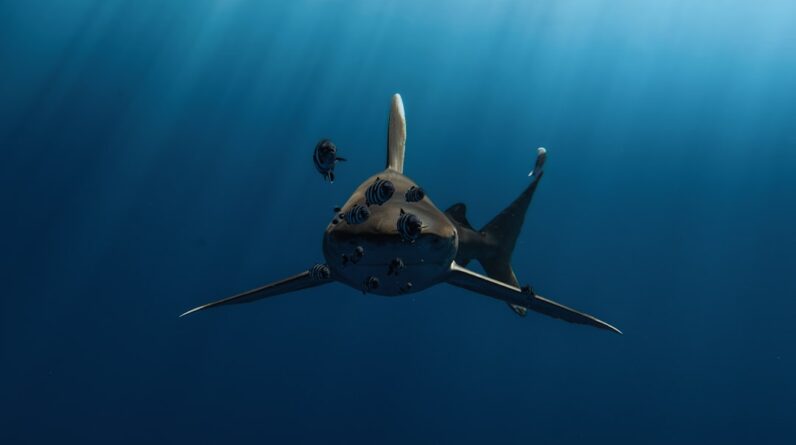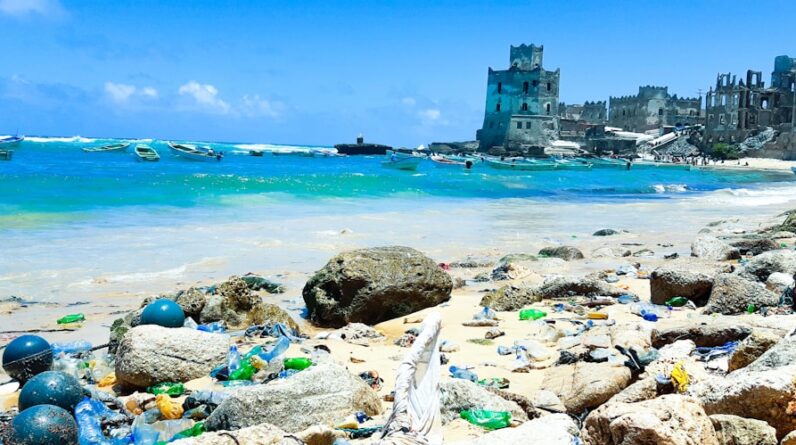
As you gaze out at the vast expanse of the ocean, it’s easy to be captivated by its beauty and mystery. However, beneath the surface lies a troubling reality: ocean pollution is a significant and growing problem that threatens marine ecosystems and human health alike. Every year, millions of tons of plastic waste, chemicals, and other pollutants find their way into the oceans, creating a toxic environment for countless species.
This pollution not only disrupts the delicate balance of marine life but also poses serious risks to the food chain, ultimately affecting you and your community. The sources of ocean pollution are varied and often interconnected. Industrial runoff, agricultural practices, and improper waste disposal contribute to the degradation of ocean health.
You may not realize it, but even everyday activities—like using single-use plastics or failing to properly dispose of hazardous materials—can have far-reaching consequences. As you navigate your daily life, it’s essential to recognize that your choices can either exacerbate or alleviate this pressing issue. Understanding the problem is the first step toward making a meaningful impact.
Key Takeaways
- Ocean pollution is a significant problem that affects marine life and coastal ecosystems.
- Plastic waste is a major contributor to ocean pollution and needs to be addressed through proper waste management and recycling.
- Sustainable fishing practices are crucial for maintaining healthy marine ecosystems and preventing overfishing.
- Restoring coastal ecosystems is essential for preserving biodiversity and protecting against the impacts of climate change.
- Supporting ocean cleanup efforts and advocating for policy change are important steps in reducing carbon emissions and addressing ocean acidification.
The Impact on Marine Life
The consequences of ocean pollution are dire for marine life. As you explore the depths of this underwater world, you may encounter creatures that are struggling to survive in increasingly toxic environments. Plastic debris, for instance, poses a significant threat to marine animals.
Sea turtles mistake plastic bags for jellyfish, while seabirds ingest small plastic particles, leading to malnutrition and death. The impact of pollution extends beyond individual species; entire ecosystems are at risk as pollutants disrupt breeding patterns and food availability. Moreover, chemical pollutants such as heavy metals and pesticides accumulate in the tissues of marine organisms, leading to bioaccumulation and biomagnification.
As you consider the implications of this process, it becomes clear that the health of marine life is intricately linked to your own well-being. Contaminated fish and seafood can enter your diet, posing health risks that range from hormonal disruptions to increased cancer risk. The plight of marine life serves as a stark reminder that the health of our oceans is inextricably tied to human health.
Addressing Plastic Waste
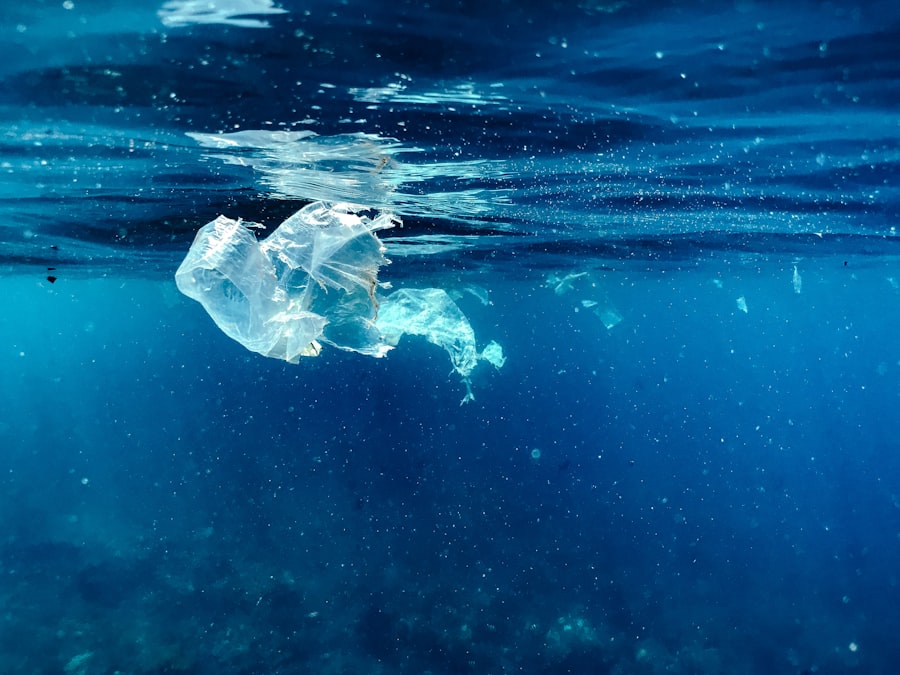
One of the most pressing challenges in combating ocean pollution is addressing plastic waste. You may be surprised to learn that an estimated 8 million tons of plastic enter the oceans each year, contributing to a growing crisis that affects marine ecosystems worldwide. To tackle this issue effectively, it’s crucial to adopt a multi-faceted approach that includes reducing plastic consumption, improving waste management systems, and promoting recycling initiatives.
By making conscious choices in your daily life—such as opting for reusable bags and containers—you can play a vital role in reducing plastic waste. In addition to individual actions, community efforts can significantly amplify the impact of your choices. Organizing local clean-up events or advocating for policies that limit single-use plastics can create a ripple effect in your community.
Engaging with local businesses to encourage sustainable practices can also foster a culture of environmental responsibility. By working together with others who share your concerns about plastic waste, you can help create a cleaner, healthier ocean for future generations.
Promoting Sustainable Fishing Practices
Sustainable fishing practices are essential for preserving marine ecosystems and ensuring that fish populations remain healthy for years to come. As you consider your own seafood consumption, it’s important to be aware of the fishing methods used to catch the fish on your plate. Overfishing and destructive fishing techniques not only deplete fish stocks but also damage habitats such as coral reefs and seagrass beds.
By choosing sustainably sourced seafood, you can support practices that prioritize ecological balance and long-term viability. You can also advocate for sustainable fishing policies at local and national levels. Supporting organizations that promote responsible fishing practices can help raise awareness about the importance of maintaining healthy fish populations.
By educating yourself and others about the impact of overfishing and advocating for change, you contribute to a movement that seeks to protect marine life while ensuring that fishing remains a viable livelihood for communities around the world.
Restoring Coastal Ecosystems
Coastal ecosystems, such as mangroves, salt marshes, and coral reefs, play a crucial role in maintaining ocean health. These habitats provide essential services, including carbon sequestration, storm protection, and nursery grounds for various marine species. However, coastal ecosystems are under threat from pollution, climate change, and habitat destruction.
As you reflect on the importance of these ecosystems, consider how you can support restoration efforts in your area. Participating in local restoration projects can be a rewarding way to contribute to the health of coastal ecosystems. Whether it’s planting mangroves or participating in coral reef restoration initiatives, your involvement can make a tangible difference.
Additionally, advocating for policies that protect these vital habitats is essential for ensuring their long-term survival. By raising awareness about the importance of coastal ecosystems and supporting restoration efforts, you help create a healthier environment for both marine life and your community.
Supporting Ocean Cleanup Efforts
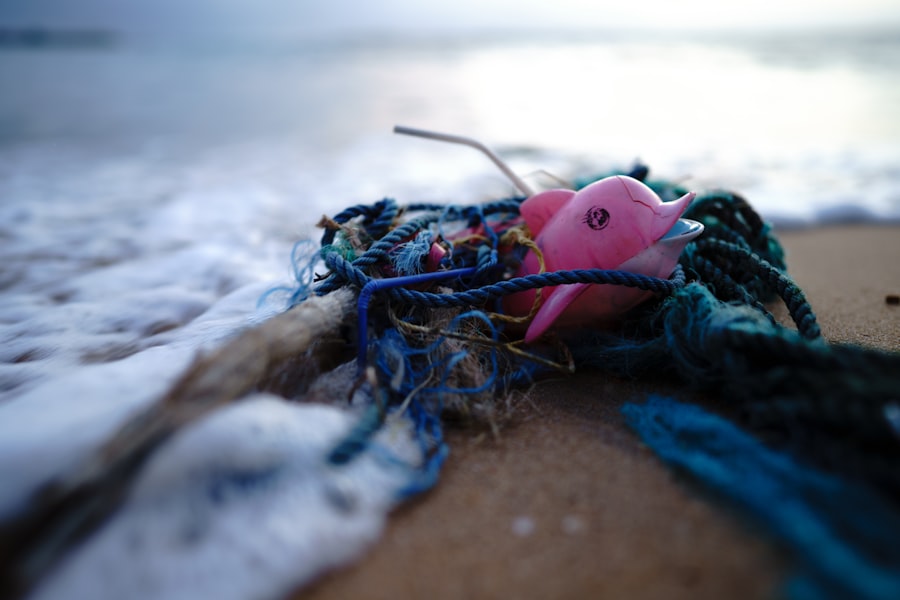
The movement to clean up our oceans is gaining momentum, with numerous organizations dedicated to removing plastic waste and other pollutants from marine environments. You can play an active role in supporting these cleanup efforts by volunteering your time or donating resources to organizations focused on ocean conservation. Participating in beach cleanups not only helps remove debris from coastal areas but also raises awareness about the importance of keeping our oceans clean.
In addition to hands-on efforts, you can also leverage social media platforms to spread awareness about ocean cleanup initiatives. Sharing information about upcoming events or fundraising campaigns can inspire others in your network to get involved. By amplifying the message of ocean conservation and supporting cleanup efforts, you contribute to a collective movement aimed at restoring the health of our oceans.
Reducing Carbon Emissions and Ocean Acidification
Climate change is one of the most significant threats facing our oceans today. Rising carbon emissions lead to increased ocean temperatures and acidification, which have devastating effects on marine life. As you consider your own carbon footprint, it’s essential to recognize how your choices impact the environment.
Simple actions like reducing energy consumption, using public transportation, or supporting renewable energy initiatives can collectively make a significant difference in combating climate change. You can also advocate for policies aimed at reducing carbon emissions on a larger scale. Engaging with local representatives or participating in climate action groups can amplify your voice in pushing for meaningful change.
By prioritizing sustainability in your own life and advocating for systemic changes, you contribute to efforts aimed at mitigating climate change and protecting our oceans from its harmful effects.
Advocating for Policy Change
Advocating for policy change is crucial in addressing the multifaceted issue of ocean pollution. As an informed citizen, you have the power to influence decision-makers by voicing your concerns about environmental issues that matter to you. Engaging with local representatives or participating in public forums allows you to express your views on policies related to ocean conservation and pollution control.
You can also support organizations that work tirelessly to promote environmental legislation at national and international levels. By staying informed about current issues and mobilizing others in your community, you can create a groundswell of support for policies aimed at protecting our oceans. Your advocacy efforts can lead to meaningful change that benefits not only marine life but also future generations who will rely on healthy oceans for their livelihoods and well-being.
In conclusion, addressing ocean pollution requires collective action at individual, community, and policy levels. By understanding the problem and its impacts on marine life, supporting sustainable practices, participating in restoration efforts, and advocating for change, you can play an integral role in protecting our oceans for years to come. Your choices matter—each small action contributes to a larger movement toward a cleaner, healthier ocean ecosystem that benefits all living beings on this planet.
In a related article on Live Life with a Cause, the importance of planting trees in combating climate change is discussed. The article highlights how planting trees can help reduce carbon dioxide levels in the atmosphere and improve air quality. It also emphasizes the role trees play in providing habitat for wildlife and promoting biodiversity. This article complements the message of the original piece on how we can help our oceans breathe again by addressing the interconnectedness of environmental issues and the importance of taking action to protect our planet.
FAQs
What is causing our oceans to choke?
The main causes of ocean pollution include plastic waste, chemical pollution from industrial and agricultural activities, oil spills, and sewage and wastewater discharge.
How does ocean pollution affect marine life?
Ocean pollution can harm marine life in various ways, including ingestion of plastic leading to suffocation and starvation, entanglement in debris, and exposure to toxic chemicals causing illness and death.
What are some solutions to help our oceans breathe again?
Some solutions to reduce ocean pollution include reducing single-use plastic consumption, properly disposing of waste, implementing stricter regulations on industrial and agricultural pollution, and investing in wastewater treatment infrastructure.
How can individuals help in the effort to clean up our oceans?
Individuals can help by reducing their plastic consumption, properly disposing of waste, participating in beach clean-ups, supporting organizations working to protect the oceans, and advocating for policies that promote ocean conservation.