
When you think about nature, it’s easy to focus on individual species or specific habitats. However, the true essence of nature lies in its intricate symphony, where every element plays a vital role in maintaining balance. Restoring this symphony is not merely an environmental concern; it is essential for the health of our planet and, ultimately, our own well-being.
Each component of an ecosystem, from the smallest microorganism to the largest predator, contributes to a complex web of life that sustains us all. When you consider the consequences of disrupting this balance—such as climate change, habitat loss, and species extinction—it becomes clear that restoring the entire symphony of nature is imperative. You may wonder how you can contribute to this restoration.
It starts with understanding that every action you take has an impact on the environment. Whether it’s reducing waste, supporting sustainable practices, or advocating for conservation efforts, your choices can help restore the harmony of ecosystems. By recognizing the importance of every species and habitat, you can become an active participant in the movement to restore nature’s symphony.
This collective effort can lead to healthier ecosystems, which in turn support human life through clean air, water, and food sources.
Key Takeaways
- Restoring the entire symphony of nature is crucial for maintaining the balance and health of ecosystems.
- Understanding the interconnectedness of ecosystems highlights the need for holistic restoration efforts.
- Reintroducing keystone species is essential for restoring the natural balance and functioning of ecosystems.
- Biodiversity plays a critical role in restoring and maintaining the equilibrium of ecosystems.
- Restoring natural fire and water cycles is vital for the health and resilience of ecosystems.
Understanding the Interconnectedness of Ecosystems
To appreciate the importance of restoring nature’s symphony, you must first grasp the interconnectedness of ecosystems. Every ecosystem is a network of relationships among organisms and their physical environment. When you observe a forest, for instance, you might see trees, birds, insects, and soil—all seemingly separate entities.
However, they are all interlinked; trees provide shelter and food for birds, while insects help decompose organic matter and enrich the soil. This intricate web means that a change in one part of the ecosystem can have cascading effects throughout the entire system. As you delve deeper into this interconnectedness, you may realize that human activities often disrupt these relationships.
Urbanization, pollution, and deforestation can sever these vital connections, leading to a decline in biodiversity and ecosystem health. Understanding these relationships is crucial for effective restoration efforts. By recognizing how species depend on one another and their environments, you can better appreciate the need for holistic approaches to ecosystem restoration that consider all components of nature.
Reintroducing Keystone Species for Ecosystem Restoration

One of the most effective strategies for restoring ecosystems is the reintroduction of keystone species. These species play a critical role in maintaining the structure and function of their ecosystems. When you think of keystone species, consider wolves in Yellowstone National Park.
Their reintroduction has led to a remarkable recovery of various other species and even altered the landscape itself. By controlling herbivore populations, wolves allow vegetation to flourish, which in turn supports a diverse array of wildlife. You might wonder how this concept applies to your local environment.
Identifying keystone species in your area can be a powerful step toward restoration. Whether it’s a particular predator, pollinator, or plant species, understanding their role can guide conservation efforts. By advocating for their protection or reintroduction, you can help restore balance to your local ecosystem.
This approach not only benefits wildlife but also enhances the resilience of ecosystems against climate change and other environmental pressures.
The Role of Biodiversity in Restoring Balance
Biodiversity is often described as the variety of life on Earth, encompassing different species, genetic variations, and ecosystems. You may not realize it, but biodiversity is fundamental to restoring balance within ecosystems. Each species contributes unique functions that support ecological processes such as nutrient cycling, pollination, and pest control.
When biodiversity is high, ecosystems are more resilient to disturbances like disease outbreaks or climate fluctuations. As you engage with nature, consider how biodiversity impacts your daily life. The fruits and vegetables you enjoy depend on diverse pollinators like bees and butterflies.
The clean water you drink is filtered by wetlands that thrive on a variety of plant and animal life. By supporting biodiversity through conservation efforts—such as protecting habitats or promoting sustainable agriculture—you can play a crucial role in restoring balance to ecosystems. This not only benefits wildlife but also ensures that future generations can enjoy the same natural resources that sustain us today.
Restoring Natural Fire and Water Cycles
Natural fire and water cycles are essential components of many ecosystems that have been disrupted by human activity. You may have noticed how fire can rejuvenate landscapes; certain plants even rely on fire for germination. However, fire suppression practices have led to overgrown forests that are more susceptible to catastrophic wildfires.
By restoring natural fire regimes—allowing controlled burns when necessary—you can help maintain healthy ecosystems that thrive on periodic disturbances. Water cycles are equally important for ecosystem health. You might be aware that urbanization often leads to increased runoff and decreased groundwater recharge.
Restoring natural water cycles involves implementing practices such as reforestation, wetland restoration, and sustainable land management. These efforts not only improve water quality but also enhance habitat for countless species. By advocating for policies that prioritize natural fire and water cycles, you can contribute to healthier ecosystems that benefit both wildlife and human communities.
Engaging Communities in Ecosystem Restoration
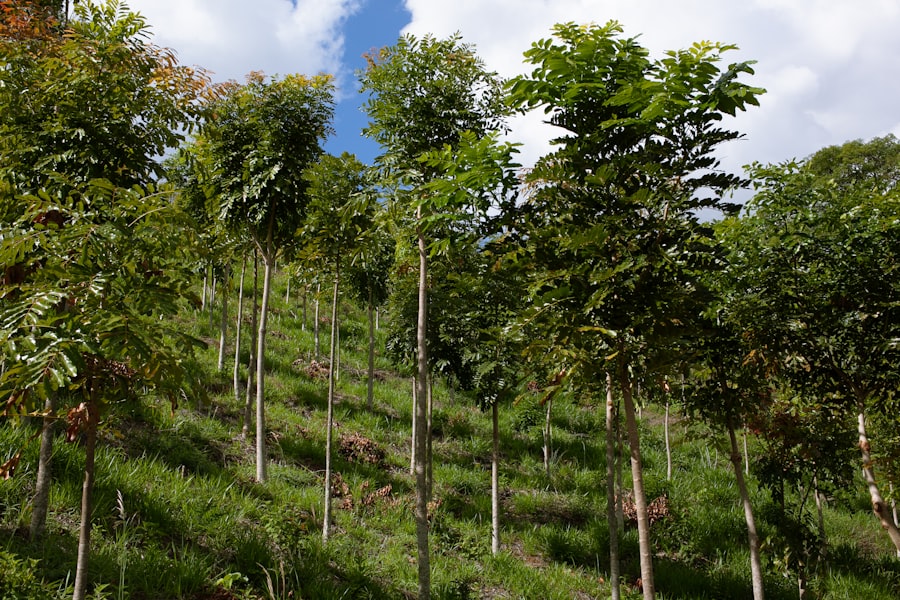
Community engagement is vital for successful ecosystem restoration efforts. You may find that local communities often possess valuable knowledge about their environment and its history. By involving them in restoration projects, you can tap into this wealth of information while fostering a sense of ownership and responsibility toward local ecosystems.
Workshops, volunteer days, and educational programs can empower individuals to take action in their own backyards. As you participate in community-driven restoration initiatives, consider how collaboration can amplify your impact. Partnering with local organizations or schools can create a network of support for restoration efforts.
Engaging diverse stakeholders—from farmers to urban residents—ensures that multiple perspectives are considered in decision-making processes. This inclusive approach not only strengthens community ties but also leads to more effective and sustainable restoration outcomes.
The Economic and Social Benefits of Restoring Nature’s Symphony
Restoring nature’s symphony offers numerous economic and social benefits that extend beyond environmental health. You may be surprised to learn that healthy ecosystems contribute significantly to local economies through tourism, recreation, and sustainable resource management. For instance, restoring wetlands can enhance fisheries while providing recreational opportunities for birdwatchers and nature enthusiasts alike.
Socially, engaging in restoration projects fosters community cohesion and pride. When you work alongside others to restore local habitats, you build relationships and create a shared sense of purpose. This collective effort can lead to improved mental health and well-being as individuals connect with nature and each other.
By advocating for ecosystem restoration not only as an environmental necessity but also as an economic and social opportunity, you can inspire others to join the movement.
The Future of Ecosystem Restoration: Challenges and Opportunities
As you look toward the future of ecosystem restoration, it’s essential to recognize both the challenges and opportunities that lie ahead. Climate change poses significant threats to ecosystems worldwide; rising temperatures and shifting weather patterns can disrupt established ecological relationships. However, these challenges also present opportunities for innovation in restoration practices.
You might find that new technologies—such as remote sensing or genetic engineering—can enhance our ability to restore degraded landscapes. Moreover, public awareness about environmental issues is growing rapidly. As more people recognize the importance of restoring ecosystems, there is potential for increased funding and support for restoration initiatives.
By staying informed about emerging trends and advocating for policies that prioritize ecosystem health, you can play a crucial role in shaping a sustainable future for our planet. In conclusion, restoring the entire symphony of nature is not just an environmental imperative; it is a multifaceted endeavor that requires your active participation and engagement. By understanding interconnectedness, reintroducing keystone species, promoting biodiversity, restoring natural cycles, engaging communities, recognizing economic benefits, and navigating future challenges together, you can contribute to a healthier planet for generations to come.
Your actions matter—each step you take toward restoration helps create a harmonious relationship between humanity and nature.
In a related article on Live Life with a Cause, the importance of combatting global warming through massive tree planting is highlighted. The article discusses how planting trees can help mitigate the effects of climate change and restore balance to our environment. To learn more about the advantages of planting trees for climate change, visit this link.
FAQs
What is the concept of “restoring the entire symphony of nature”?
The concept of “restoring the entire symphony of nature” refers to the idea of restoring and preserving the natural balance and biodiversity of ecosystems, including plant and animal species, in order to create a harmonious and sustainable environment.
Why is it important to restore the entire symphony of nature?
Restoring the entire symphony of nature is important for maintaining the health and resilience of ecosystems, supporting biodiversity, and ensuring the well-being of both wildlife and human populations. It also helps to mitigate the impacts of climate change and other environmental challenges.
What are some examples of efforts to restore the entire symphony of nature?
Efforts to restore the entire symphony of nature include reforestation projects, habitat restoration for endangered species, conservation initiatives, and sustainable land management practices. These efforts aim to recreate natural ecosystems and promote the coexistence of diverse plant and animal species.
How can individuals contribute to restoring the entire symphony of nature?
Individuals can contribute to restoring the entire symphony of nature by supporting conservation organizations, participating in volunteer restoration projects, practicing sustainable living habits, and advocating for policies that protect and restore natural ecosystems. Additionally, individuals can educate themselves and others about the importance of biodiversity and ecosystem restoration.