As you navigate through the complexities of environmental challenges today, the urgency for rapid reforestation becomes increasingly apparent. Deforestation, driven by urbanization, agriculture, and industrial activities, has led to significant loss of biodiversity and disruption of ecosystems. You may find it alarming that millions of hectares of forest are lost each year, contributing to climate change and habitat destruction.
The need for swift and effective reforestation efforts is not just a matter of restoring trees; it is about revitalizing entire ecosystems and ensuring a sustainable future for generations to come. In your quest to understand the importance of reforestation, consider the myriad benefits that forests provide. They act as carbon sinks, absorbing carbon dioxide from the atmosphere and helping to mitigate climate change.
Additionally, forests play a crucial role in maintaining water cycles, preventing soil erosion, and supporting diverse wildlife. As you reflect on these benefits, it becomes clear that rapid reforestation is not merely an environmental necessity; it is a vital component of global efforts to combat climate change and preserve biodiversity. The challenge lies in implementing effective strategies that can restore these vital ecosystems at a pace that matches the rate of their destruction.
Key Takeaways
- Rapid reforestation is essential to combat deforestation and its negative impact on the environment.
- Drones play a crucial role in reforestation efforts by efficiently planting seeds in hard-to-reach areas.
- High-tech solutions such as seed bombs and biodegradable drones are revolutionizing seed distribution for reforestation projects.
- Monitoring and maintenance of reforestation projects are made easier with the use of satellite imagery and data analytics.
- Overcoming challenges in rapid reforestation requires innovative approaches and collaboration between governments, organizations, and communities.
The Role of Drones in Reforestation Efforts
In your exploration of innovative solutions for reforestation, you may be intrigued by the role of drones in these efforts. Drones have emerged as powerful tools that can significantly enhance the efficiency and effectiveness of reforestation projects. With their ability to cover large areas quickly and gather data from hard-to-reach locations, drones are revolutionizing how you approach tree planting and ecosystem restoration.
They can be equipped with advanced imaging technology to assess forest health, monitor growth, and identify areas in need of intervention. Moreover, drones can facilitate the actual planting process through seed dispersal techniques. You might be surprised to learn that some drones are designed to shoot seed pods into the ground, allowing for rapid planting over vast areas.
This method not only saves time but also reduces labor costs associated with traditional planting methods. As you consider the implications of drone technology in reforestation, it becomes evident that these aerial devices are not just gadgets; they represent a significant leap forward in how you can tackle the pressing issue of deforestation.
High-Tech Solutions for Seed Distribution
As you delve deeper into the technological advancements in reforestation, high-tech solutions for seed distribution stand out as a game-changer. Traditional methods of planting trees often involve manual labor and can be time-consuming, especially in large-scale projects. However, with the advent of innovative seed distribution technologies, you can now explore more efficient alternatives.
For instance, seed bombs—small pods containing seeds and nutrients—can be created and dispersed using drones or other automated systems. These high-tech solutions not only streamline the planting process but also enhance the chances of seed germination. You may find it fascinating that some companies are developing biodegradable seed pods that protect seeds from pests and environmental conditions until they are ready to sprout.
This approach not only increases survival rates but also minimizes the need for chemical fertilizers or pesticides, aligning with sustainable practices. As you consider these advancements, it becomes clear that high-tech seed distribution methods are paving the way for more effective reforestation initiatives.
Monitoring and Maintenance of Reforestation Projects
Once you have initiated a reforestation project, the next critical step involves monitoring and maintaining the newly planted trees. This phase is essential to ensure that your efforts yield long-term results. You may find it beneficial to utilize technology such as satellite imagery and remote sensing to track the growth and health of your reforested areas.
These tools allow you to gather data on tree density, canopy cover, and overall ecosystem health without disturbing the environment. In addition to monitoring growth, maintenance is crucial for the survival of young trees. You might consider implementing regular assessments to identify any threats such as pests or diseases that could jeopardize your project.
Engaging local communities in this process can also enhance the effectiveness of monitoring efforts. By involving residents in observing and caring for the newly planted trees, you foster a sense of ownership and responsibility towards the environment. This collaborative approach not only ensures better maintenance but also strengthens community ties and promotes environmental stewardship.
Overcoming Challenges in Rapid Reforestation
As you embark on rapid reforestation initiatives, you will inevitably encounter various challenges that require strategic solutions. One significant hurdle is securing funding and resources for large-scale projects. You may find it necessary to explore partnerships with governmental organizations, non-profits, or private companies that share your vision for environmental restoration.
By pooling resources and expertise, you can enhance your capacity to implement effective reforestation strategies. Another challenge lies in selecting appropriate tree species for different environments. You must consider factors such as soil type, climate conditions, and local biodiversity when choosing which trees to plant.
In your research, you may discover that native species often have higher survival rates and contribute more effectively to local ecosystems than non-native varieties. By prioritizing native species in your reforestation efforts, you can help restore ecological balance while also ensuring that your project is resilient against climate fluctuations.
Environmental Impact of High-Tech Reforestation Methods
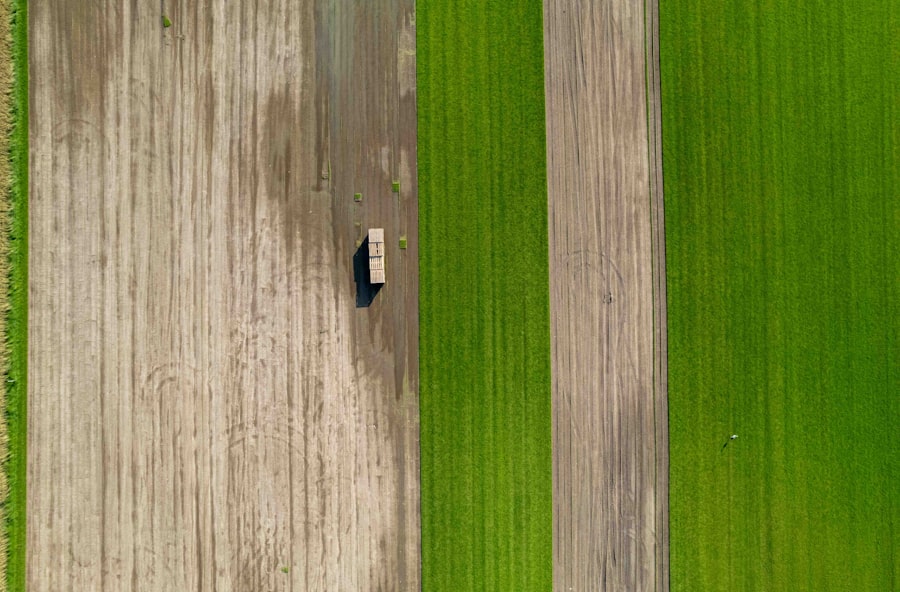
As you assess the environmental impact of high-tech reforestation methods, it is essential to weigh both the benefits and potential drawbacks. On one hand, these technologies offer innovative solutions that can significantly enhance reforestation efficiency and effectiveness. For instance, using drones for seed dispersal can cover large areas quickly while minimizing soil disturbance compared to traditional methods.
This approach not only accelerates tree planting but also reduces carbon emissions associated with transportation and manual labor. However, you must also consider the ecological implications of relying heavily on technology in reforestation efforts. The introduction of non-native species through automated seed distribution could disrupt local ecosystems if not carefully managed.
Additionally, there is a risk that over-reliance on technology may lead to neglecting traditional ecological knowledge and practices that have been honed over generations by local communities. As you navigate this complex landscape, it is crucial to strike a balance between leveraging high-tech solutions and respecting the wisdom of nature.
Community Engagement and Involvement in Reforestation Efforts
In your journey towards successful reforestation, community engagement plays a pivotal role in ensuring sustainability and long-term success. Involving local communities not only fosters a sense of ownership but also taps into valuable local knowledge about native species and ecological practices. You might consider organizing workshops or educational programs to raise awareness about the importance of reforestation and how individuals can contribute to these efforts.
Moreover, engaging communities in hands-on activities such as tree planting days can create a strong bond between people and their environment. You may find that when individuals participate actively in reforestation projects, they develop a deeper appreciation for nature and its preservation. This grassroots involvement can lead to lasting changes in attitudes towards environmental stewardship, ultimately creating a culture of sustainability within communities.
Future Prospects and Innovations in High-Tech Reforestation
As you look towards the future of high-tech reforestation, the prospects for innovation are both exciting and promising. Researchers and technologists are continually exploring new ways to enhance reforestation efforts through advancements in artificial intelligence, machine learning, and biotechnology. For instance, AI-driven analytics can help optimize planting strategies by predicting which species will thrive in specific conditions based on historical data.
Additionally, innovations such as gene editing may offer new possibilities for developing tree species that are more resilient to climate change or pests. As you contemplate these advancements, it becomes clear that the future of reforestation will likely involve a blend of cutting-edge technology and traditional ecological practices. By embracing this hybrid approach, you can contribute to creating a more sustainable world where forests thrive alongside human development.
In conclusion, as you reflect on the multifaceted aspects of rapid reforestation, it is evident that addressing this global challenge requires a comprehensive approach that combines technology with community involvement. By harnessing innovative solutions such as drones and high-tech seed distribution methods while engaging local communities in meaningful ways, you can play an active role in restoring our planet’s vital ecosystems. The journey ahead may be complex, but with determination and collaboration, a greener future is within reach.
In a related article titled How Can Trees Save the Earth from Global Warming, the importance of reforestation in combating climate change is discussed. This article delves into the role that trees play in sequestering carbon dioxide from the atmosphere and highlights the potential of forests to mitigate the effects of global warming. It further emphasizes the urgent need for reforestation efforts to help protect our planet’s biodiversity and ensure a sustainable future for generations to come.
FAQs
What is rapid reforestation?
Rapid reforestation refers to the process of quickly restoring tree cover to areas that have been deforested or degraded. This is often done to combat climate change, restore ecosystems, and provide various benefits to the environment and communities.
What are drones used for in rapid reforestation?
Drones are used in rapid reforestation for various purposes, including planting tree seeds, monitoring tree growth, and assessing the health of reforested areas. They can cover large areas quickly and efficiently, making them a valuable tool for reforestation efforts.
How do drones plant tree seeds?
Drones can plant tree seeds by carrying seed pods and dispersing them over targeted areas using precision technology. This method allows for the planting of a large number of seeds in a short amount of time, helping to accelerate the reforestation process.
What are some benefits of using drones for rapid reforestation?
Some benefits of using drones for rapid reforestation include their ability to cover large areas quickly, their precision in planting tree seeds, and their capacity to monitor reforested areas for growth and health. Drones can also access hard-to-reach or dangerous terrain, making them useful in reforestation efforts.
Are there any challenges associated with using drones for rapid reforestation?
Challenges associated with using drones for rapid reforestation include the initial cost of the technology, the need for skilled operators, and potential limitations in the types of terrain and environmental conditions in which drones can effectively operate. Additionally, there may be regulatory and logistical challenges to consider.