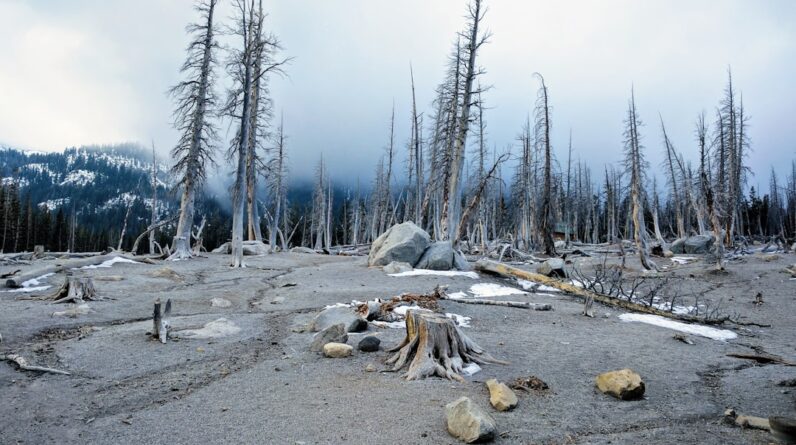
Landslides and mudslides are natural disasters that can occur suddenly and with devastating consequences. A landslide refers to the movement of rock, earth, or debris down a slope, often triggered by factors such as heavy rainfall, earthquakes, or volcanic activity. Mudslides, a specific type of landslide, involve the rapid flow of water-saturated soil and debris, creating a thick, viscous mass that can travel at alarming speeds.
You may find it surprising that these phenomena can occur in various environments, from mountainous regions to coastal areas, and they can pose significant risks to human life, infrastructure, and ecosystems. Understanding the mechanics behind these events is crucial for both prevention and response. The stability of slopes is influenced by several factors, including the angle of the slope, the type of soil and rock present, and the amount of moisture in the ground.
When the balance is disrupted—whether through natural events or human activities—the risk of a landslide or mudslide increases dramatically. As you delve deeper into this topic, you will discover how interconnected these events are with broader environmental issues, particularly deforestation.
Key Takeaways
- Landslides and mudslides are natural disasters that can be triggered by heavy rainfall, earthquakes, volcanic eruptions, and human activities such as deforestation.
- Deforestation can increase the risk of landslides by removing the stabilizing force of tree roots and disrupting the natural water flow and soil stability.
- The impact of deforestation on soil stability can lead to erosion, loss of nutrients, and decreased water retention capacity, making the land more susceptible to landslides.
- Case studies have shown a direct correlation between deforestation and an increase in landslides, with examples from countries like Brazil, the Philippines, and India.
- Solutions to prevent landslides and mudslides include reforestation, sustainable land management practices, and government policies and regulations to combat deforestation, as well as public awareness and education on the importance of preserving natural ecosystems.
The Link Between Deforestation and Landslides
Deforestation plays a pivotal role in increasing the likelihood of landslides and mudslides. When trees are removed from an area, the protective cover they provide is lost, leading to a series of changes in the landscape. Without the root systems of trees to anchor the soil, the ground becomes more susceptible to erosion.
You might not realize that tree roots help to bind the soil together, creating a stable environment that can withstand heavy rainfall. When this natural barrier is removed, the risk of soil movement increases significantly. Moreover, deforestation often leads to changes in local hydrology.
Trees absorb water from the soil and release it back into the atmosphere through a process called transpiration. When forests are cleared, this balance is disrupted, resulting in increased surface runoff during rainstorms. This excess water can saturate the soil quickly, leading to conditions ripe for landslides.
As you consider these factors, it becomes clear that deforestation is not just an environmental issue; it has direct implications for human safety and infrastructure.
The Impact of Deforestation on Soil Stability
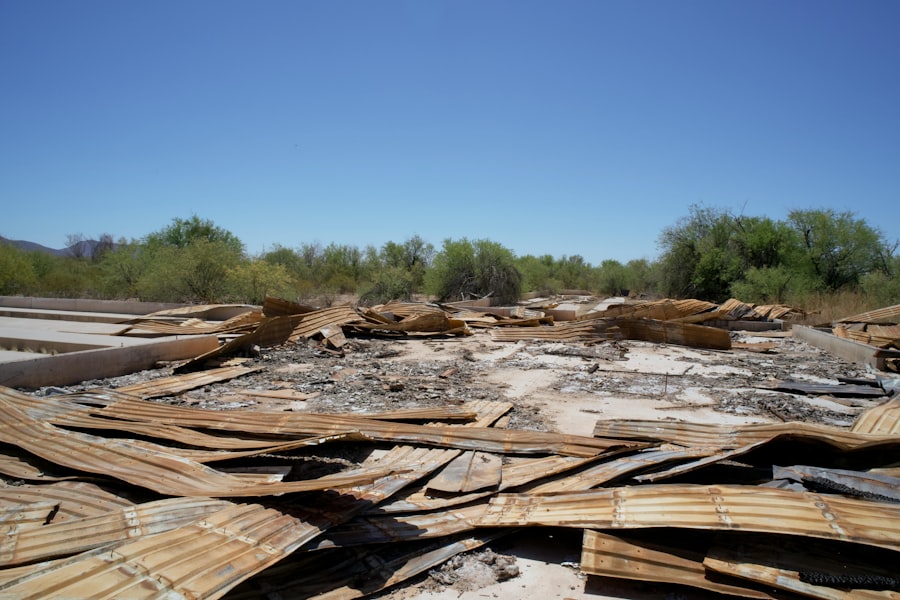
The removal of trees and vegetation has profound effects on soil stability. When you think about soil, you might envision a solid foundation; however, it is much more dynamic than that. Soil is composed of various particles that can be easily displaced when saturated with water or disturbed by external forces.
Deforestation exacerbates this instability by removing the natural barriers that hold soil in place. Without vegetation to absorb rainfall and reduce runoff, soils become more prone to erosion and collapse. Additionally, deforested areas often experience a decline in soil quality over time.
The organic matter that trees contribute to the soil is essential for maintaining its structure and fertility. When trees are cut down, this organic matter diminishes, leading to a less cohesive soil structure that is more vulnerable to erosion. You may find it alarming that this cycle can perpetuate itself; as soil erodes, it becomes less capable of supporting new vegetation, further increasing the risk of landslides in the future.
Case Studies: Deforestation and Landslides
Examining specific case studies can provide valuable insights into the relationship between deforestation and landslides. One notable example is the 1999 Vargas tragedy in Venezuela, where heavy rains triggered massive landslides that resulted in thousands of deaths and widespread destruction. Investigations revealed that extensive deforestation in the region had destabilized slopes, making them more susceptible to failure during intense rainfall events.
This disaster serves as a stark reminder of how human activities can exacerbate natural hazards. Another case worth mentioning is the landslide events in Indonesia, particularly on the island of Java. Rapid deforestation for agricultural expansion has led to significant soil erosion and increased landslide occurrences during monsoon seasons.
You may be surprised to learn that local communities have faced repeated losses due to these events, highlighting the urgent need for sustainable land management practices. These case studies illustrate not only the immediate dangers posed by landslides but also the long-term consequences of deforestation on communities and ecosystems.
Solutions to Prevent Landslides and Mudslides
Preventing landslides and mudslides requires a multifaceted approach that addresses both environmental management and community preparedness. One effective strategy is implementing sustainable land-use practices that prioritize reforestation and afforestation efforts. By restoring tree cover in vulnerable areas, you can help stabilize soils and reduce runoff during heavy rains.
Additionally, employing techniques such as terracing or building retaining walls can provide physical barriers against soil movement. Community education plays a crucial role in prevention as well. You should be aware of your local environment and understand the signs of potential landslide risks.
Engaging with local authorities to develop early warning systems can also be beneficial. These systems can alert residents to impending dangers based on weather patterns or geological assessments. By fostering a culture of preparedness and resilience within communities, you can significantly reduce the impact of landslides when they do occur.
The Role of Reforestation in Mitigating Landslides
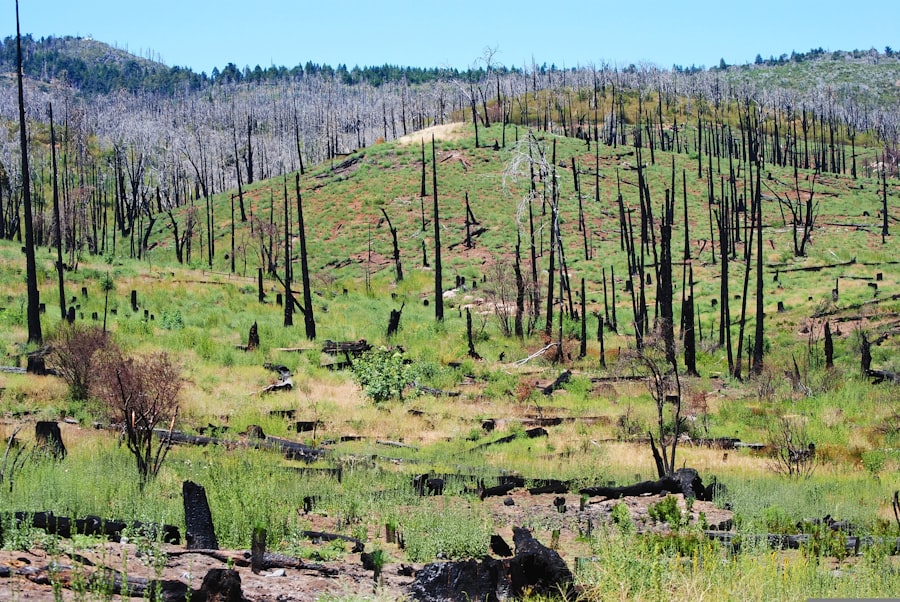
Reforestation emerges as a powerful tool in mitigating landslide risks associated with deforestation. When you plant trees in areas previously affected by deforestation, you not only restore biodiversity but also enhance soil stability. Tree roots help bind the soil together while their foliage intercepts rainfall, reducing the amount of water that reaches the ground directly.
This process minimizes erosion and helps maintain moisture levels in the soil. Moreover, reforestation initiatives can have far-reaching benefits beyond just preventing landslides. You may find it interesting that healthy forests contribute to improved air quality, carbon sequestration, and enhanced local climate regulation.
By investing in reforestation efforts, you are not only addressing immediate concerns related to landslides but also contributing to broader environmental sustainability goals. This holistic approach underscores the interconnectedness of ecological health and human safety.
Government Policies and Regulations to Combat Deforestation
Effective government policies are essential for combating deforestation and its associated risks, including landslides. You may be surprised to learn that many countries have implemented regulations aimed at protecting forested areas from unsustainable logging practices or land conversion for agriculture. These policies often include establishing protected areas or promoting sustainable forestry practices that balance economic needs with environmental conservation.
In addition to protective measures, governments can incentivize reforestation efforts through grants or tax breaks for landowners who commit to restoring forest cover on their properties. You should also be aware that international agreements, such as the Paris Agreement on climate change, emphasize the importance of forest conservation as part of global efforts to combat climate change. By supporting these initiatives at both local and global levels, you contribute to a more sustainable future while reducing the risks associated with landslides.
The Importance of Public Awareness and Education
Public awareness and education are critical components in addressing the challenges posed by deforestation and landslides. You have a role to play in spreading knowledge about these issues within your community. By engaging in discussions about sustainable practices and advocating for responsible land use, you can help foster a culture of environmental stewardship among your peers.
Educational programs focused on environmental science can empower individuals with the knowledge needed to understand their impact on ecosystems. Schools and community organizations can collaborate to create workshops or informational campaigns that highlight the importance of forests in preventing landslides and maintaining ecological balance. As you become more informed about these issues, you will be better equipped to advocate for policies that protect both your community and the environment at large.
In conclusion, understanding the intricate relationship between deforestation and landslides is essential for developing effective strategies to mitigate these risks. By recognizing how human activities contribute to environmental degradation, you can take proactive steps toward promoting sustainable practices within your community. Through reforestation efforts, government policies, and public education initiatives, we can work together to create a safer future while preserving our planet’s vital ecosystems.
Deforestation has been a major contributing factor to the increasing frequency and severity of landslides and mudslides around the world. According to a related article on livelifewithacause.org, healthy forests act as a biodiversity reservoir, providing crucial habitat for a wide range of plant and animal species. By preserving and restoring forests, we can help mitigate the devastating impacts of deforestation on our environment and prevent the deadly consequences of landslides and mudslides. It is important to understand the connection between deforestation and natural disasters in order to take meaningful action to protect our planet.
FAQs
What are landslides and mudslides?
Landslides and mudslides are natural disasters that occur when a mass of rock, earth, or debris moves down a slope. Landslides involve mainly rock and soil, while mudslides involve a higher proportion of water and mud.
What causes landslides and mudslides?
Landslides and mudslides can be caused by a variety of factors, including heavy rainfall, earthquakes, volcanic eruptions, and human activities such as deforestation and construction.
How does deforestation contribute to landslides and mudslides?
Deforestation can increase the risk of landslides and mudslides by removing the stabilizing effect of tree roots and vegetation, which helps to hold soil in place. Without this natural protection, heavy rainfall can easily trigger erosion and slope failure.
What are the impacts of landslides and mudslides?
Landslides and mudslides can cause significant damage to infrastructure, homes, and agricultural land. They can also result in loss of life and injury, as well as long-term environmental degradation.
How can landslides and mudslides be prevented?
Preventative measures for landslides and mudslides include reforestation efforts, slope stabilization, early warning systems, and land use planning to avoid building in high-risk areas. It is also important to address the root causes of deforestation and unsustainable land use practices.