Rainforests are often referred to as the lungs of our planet, and for good reason. They play a crucial role in maintaining the Earth’s ecological balance by absorbing carbon dioxide and releasing oxygen. This process not only supports life on Earth but also helps mitigate the effects of climate change.
As you breathe in the fresh air, it’s easy to overlook the intricate systems that make it possible, yet rainforests are at the heart of this vital exchange. Covering only about 6% of the Earth’s surface, these lush ecosystems are home to an astonishing variety of flora and fauna, many of which are not found anywhere else on the planet. Moreover, rainforests contribute significantly to global weather patterns.
They influence rainfall and temperature across vast regions, affecting agriculture and water supply for millions of people. The intricate web of life within these forests supports countless species, including many that are essential for food production and medicine. You may not realize it, but many of the foods you enjoy, such as chocolate, coffee, and various fruits, have their origins in these vibrant ecosystems.
The loss of rainforests would not only diminish biodiversity but could also disrupt food systems and economies worldwide.
Key Takeaways
- Rainforests are crucial for maintaining the balance of the Earth’s ecosystems and play a vital role in regulating the global climate.
- Deforestation of rainforests leads to loss of biodiversity, disruption of water cycles, and contributes to climate change.
- Climate change is impacting rainforests through increased temperatures, altered rainfall patterns, and more frequent extreme weather events.
- Biodiversity loss in rainforests has far-reaching consequences for the planet, affecting everything from medicine to food security.
- Indigenous communities are often the most affected by rainforest destruction and play a key role in preserving these vital ecosystems.
Deforestation and Its Impact
Deforestation is one of the most pressing issues facing rainforests today. Driven by agricultural expansion, logging, and urban development, vast areas of these forests are being cleared at an alarming rate. As you consider the implications of this destruction, it becomes clear that the consequences extend far beyond the immediate loss of trees.
When forests are cut down, the delicate balance of ecosystems is disrupted, leading to soil erosion, loss of habitat for countless species, and a decline in air quality. The impact of deforestation is particularly severe for local communities that rely on these forests for their livelihoods. Many indigenous peoples have lived in harmony with rainforests for generations, depending on them for food, shelter, and cultural identity.
As their homes are destroyed, they face displacement and loss of traditional knowledge. You might find it shocking to learn that every year, millions of acres of rainforest are lost, contributing to a cycle of poverty and environmental degradation that affects both people and wildlife alike.
Climate Change and Rainforests
The relationship between rainforests and climate change is complex and multifaceted. On one hand, rainforests act as carbon sinks, absorbing significant amounts of carbon dioxide from the atmosphere. This natural process helps to mitigate climate change by reducing greenhouse gas concentrations.
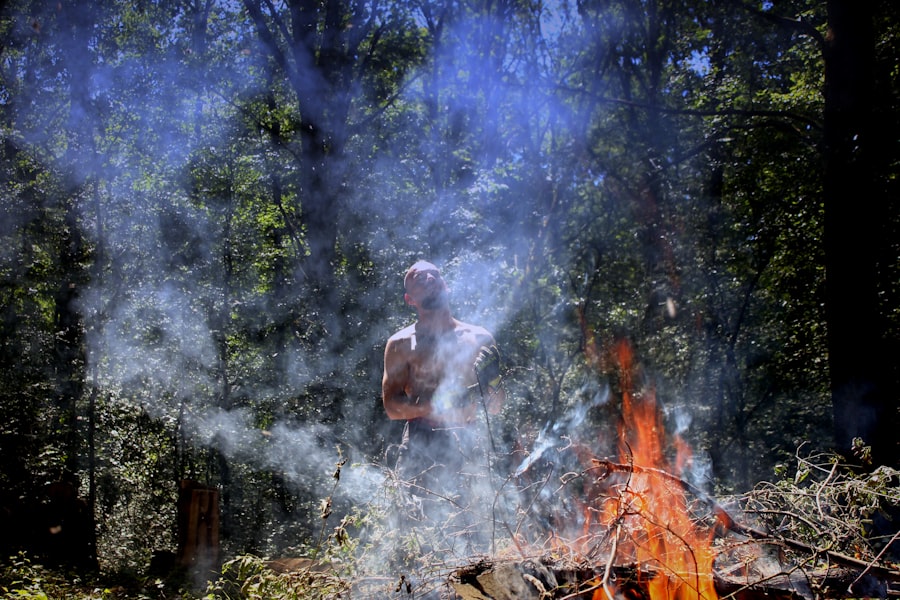
However, when trees are cut down or burned, the stored carbon is released back into the atmosphere, exacerbating global warming. As you reflect on this cycle, it becomes evident that protecting rainforests is not just an environmental issue; it is a critical component in the fight against climate change. Furthermore, climate change itself poses a significant threat to rainforests.
Rising temperatures and altered precipitation patterns can lead to droughts and increased vulnerability to wildfires. These changes can disrupt the delicate ecosystems that have evolved over millions of years. You may wonder how this affects you personally; as climate change intensifies, it can lead to more extreme weather events globally, impacting food security and water availability in your own community.
The interconnectedness of our planet means that the health of rainforests directly influences your quality of life.
Biodiversity Loss in Rainforests
Rainforests are among the most biodiverse ecosystems on Earth, housing approximately half of the world’s plant and animal species despite covering such a small portion of the planet’s surface. This incredible diversity is not just fascinating; it is essential for maintaining ecological balance and resilience. Each species plays a unique role in its ecosystem, contributing to processes such as pollination, seed dispersal, and nutrient cycling.
As you consider the importance of biodiversity, think about how interconnected life is; the loss of even a single species can have cascading effects throughout an ecosystem. Unfortunately, deforestation and habitat destruction are leading to alarming rates of species extinction in rainforests. Many animals and plants are unable to adapt quickly enough to the rapid changes in their environment caused by human activity.
You might be surprised to learn that some species may vanish before they are even discovered or studied by scientists. This loss not only diminishes the richness of our planet but also deprives humanity of potential benefits such as new medicines or agricultural innovations derived from these unique organisms.
Indigenous Communities and Rainforest Preservation
Indigenous communities have long been stewards of rainforests, possessing invaluable knowledge about sustainable practices and biodiversity conservation. Their deep connection to the land has allowed them to thrive in harmony with nature for centuries. As you explore this topic further, consider how indigenous peoples often have a profound understanding of their local ecosystems, including the intricate relationships between species and their environments.
This traditional knowledge is crucial for effective conservation efforts. However, these communities face significant challenges as their lands are threatened by deforestation and industrial development. You may find it disheartening that many indigenous groups are fighting not only for their rights but also for the preservation of their ancestral lands.
Supporting their efforts can lead to more effective conservation strategies that respect both cultural heritage and ecological integrity. By amplifying indigenous voices and incorporating their wisdom into conservation initiatives, we can work towards a more sustainable future for rainforests.
Conservation Efforts and Solutions
In response to the urgent need for rainforest preservation, numerous conservation efforts have emerged worldwide. Organizations dedicated to protecting these vital ecosystems are working tirelessly to raise awareness about deforestation’s impacts and promote sustainable practices. As you delve into this topic, you will discover various strategies being employed to combat deforestation, such as reforestation projects, sustainable agriculture initiatives, and eco-tourism programs that provide economic incentives for preserving rather than exploiting natural resources.
One promising approach is the establishment of protected areas where logging and other destructive activities are prohibited. These reserves serve as sanctuaries for wildlife and help maintain biodiversity while allowing ecosystems to recover from past damage. You might also be interested in community-based conservation efforts that empower local populations to manage their resources sustainably.
By involving communities in decision-making processes and providing them with alternative livelihoods, we can create a win-win situation where both people and nature thrive.
Corporate Responsibility and Rainforest Protection
The role of corporations in rainforest preservation cannot be overstated. Many industries rely on rainforest resources for their products, from palm oil to timber. As a consumer, you have the power to influence corporate practices through your purchasing decisions.
By choosing products that are certified as sustainable or ethically sourced, you can support companies that prioritize environmental responsibility over short-term profits. This shift in consumer behavior encourages businesses to adopt more sustainable practices that protect rainforests. Moreover, corporations can take proactive steps to minimize their impact on rainforests by implementing responsible sourcing policies and investing in reforestation projects.
You may be surprised to learn that some companies are now partnering with environmental organizations to develop innovative solutions that benefit both their bottom line and the planet. By holding corporations accountable for their environmental impact and advocating for transparency in supply chains, you can contribute to a broader movement toward corporate responsibility in rainforest protection.
The Future of Earth’s Rainforests
The future of Earth’s rainforests hangs in a delicate balance between conservation efforts and ongoing threats from human activity. As you contemplate this issue, consider the potential consequences if current trends continue unchecked: increased deforestation could lead to irreversible damage to ecosystems, loss of biodiversity, and exacerbation of climate change impacts. However, there is also hope; growing awareness about the importance of rainforests has sparked a global movement toward preservation.
You have a role to play in shaping this future through your actions and choices. By advocating for policies that protect rainforests, supporting sustainable businesses, and educating others about the importance of these ecosystems, you can contribute to a collective effort aimed at safeguarding our planet’s vital resources. The future may be uncertain, but with concerted action from individuals, communities, corporations, and governments alike, we can work together to ensure that rainforests continue to thrive for generations to come.
In a related article on combatting global warming through massive tree planting, it discusses the importance of reforestation efforts in combating climate change. The article highlights the crucial role that trees play in absorbing carbon dioxide and releasing oxygen, emphasizing the need for sustainable practices to protect our planet’s vital ecosystems. To learn more about the benefits of planting trees for the environment, check out this article.
FAQs
What are rainforests and why are they important?
Rainforests are dense forests with high levels of rainfall, typically located in tropical regions. They are important because they are home to a wide variety of plant and animal species, and they play a crucial role in regulating the Earth’s climate by absorbing carbon dioxide and producing oxygen.
What are the main threats to rainforests?
The main threats to rainforests include deforestation for agriculture, logging, mining, and urban development. Additionally, climate change, wildfires, and illegal hunting also pose significant threats to rainforest ecosystems.
How does deforestation impact rainforests?
Deforestation leads to the loss of biodiversity, disrupts the water cycle, contributes to climate change, and reduces the Earth’s carbon sink. It also has negative impacts on indigenous communities and local economies that rely on the rainforest for their livelihoods.
What are the consequences of the decline of rainforests?
The decline of rainforests has far-reaching consequences, including the loss of biodiversity, increased greenhouse gas emissions, disrupted water cycles, and the potential for irreversible damage to the Earth’s ecosystems.
What can be done to protect rainforests?
Efforts to protect rainforests include establishing protected areas, promoting sustainable land use practices, supporting indigenous land rights, and implementing policies to reduce deforestation and promote reforestation. Additionally, consumer choices and international cooperation play a crucial role in protecting rainforests.