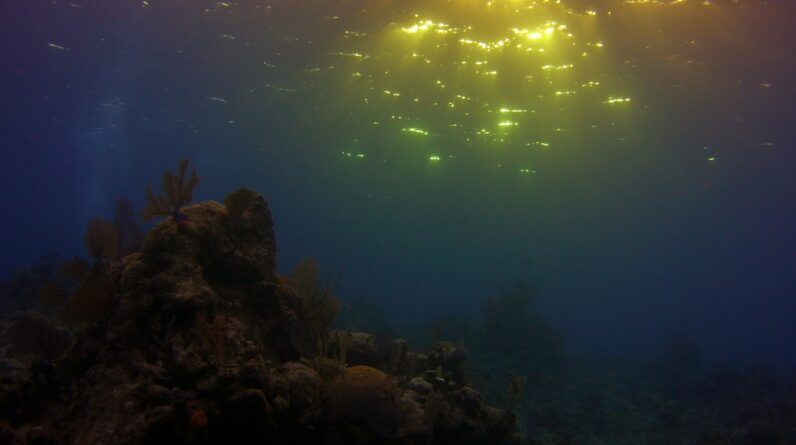
When you think about the air you breathe, it’s easy to overlook the vast oceans that play a crucial role in producing the oxygen essential for life on Earth. The oceans are not just a source of beauty and biodiversity; they are also a powerhouse of oxygen production, contributing nearly half of the oxygen in our atmosphere. This remarkable process is vital for sustaining life, not only for marine organisms but also for humans and terrestrial ecosystems.
As you delve deeper into the significance of ocean oxygen production, you will discover how interconnected our planet’s systems truly are. The oceans act as a massive carbon sink, absorbing carbon dioxide from the atmosphere and helping to regulate climate. This natural process is facilitated by the myriad of organisms that inhabit the ocean, particularly phytoplankton, which are microscopic plants that float on the surface.
By understanding the importance of ocean oxygen production, you can appreciate how vital it is to maintain healthy marine ecosystems. The balance of oxygen levels in the ocean directly influences global weather patterns, climate stability, and the overall health of our planet.
Key Takeaways
- Ocean oxygen production is crucial for supporting marine life and regulating the Earth’s climate.
- Phytoplankton play a key role in producing oxygen through photosynthesis, making them essential for the health of the oceans.
- Declining ocean oxygen levels can have detrimental effects on marine life, leading to habitat loss and species extinction.
- The connection between ocean oxygen and climate change is complex, with potential feedback loops and impacts on global temperatures.
- Human activities, such as pollution and climate change, are contributing to the decline of ocean oxygen levels, posing a threat to marine ecosystems.
- Decreased ocean oxygen levels can lead to dead zones, harmful algal blooms, and disruptions to the marine food web.
- Protecting ocean oxygen production requires addressing the root causes of its decline, including reducing carbon emissions and controlling nutrient pollution.
- The future of ocean oxygen has significant implications for the planet, affecting not only marine ecosystems but also global climate and human well-being.
The Role of Phytoplankton in Oxygen Production
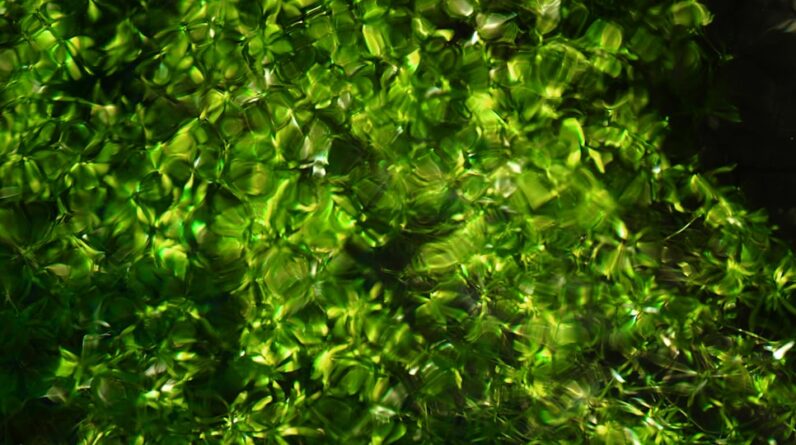
Phytoplankton are often referred to as the “lungs of the Earth,” and for good reason. These tiny organisms, which are primarily found in the sunlit upper layers of the ocean, perform photosynthesis just like terrestrial plants. Through this process, they convert sunlight, carbon dioxide, and nutrients into energy, releasing oxygen as a byproduct.
As you explore their role in oxygen production, you will find that these microscopic powerhouses are responsible for producing an estimated 50% to 80% of the world’s oxygen supply. The diversity of phytoplankton species is astounding, with thousands of different types contributing to this vital process. Each species has its own unique adaptations that allow it to thrive in various marine environments.
As you learn more about these organisms, you will come to understand how their health and abundance are directly linked to ocean conditions such as temperature, nutrient availability, and light penetration. Protecting phytoplankton populations is essential not only for maintaining oxygen levels but also for ensuring the overall health of marine ecosystems.
The Impact of Ocean Oxygen on Marine Life
The levels of oxygen in the ocean have a profound impact on marine life. Just as you rely on oxygen to breathe and function, marine organisms depend on it for survival. Fish, invertebrates, and other aquatic creatures require dissolved oxygen in the water to thrive.
When oxygen levels are adequate, marine ecosystems flourish, supporting a rich tapestry of life. However, when oxygen levels drop, often referred to as hypoxia, the consequences can be dire. Hypoxic conditions can lead to dead zones—areas in the ocean where oxygen is so low that most marine life cannot survive.
These dead zones can disrupt entire ecosystems, leading to fish kills and a decline in biodiversity. As you consider the implications of decreased ocean oxygen levels, it becomes clear that maintaining healthy oxygen levels is crucial for sustaining marine populations and preserving the intricate balance of oceanic ecosystems.
The Connection Between Ocean Oxygen and Climate Change
The relationship between ocean oxygen levels and climate change is complex and multifaceted. As global temperatures rise due to climate change, ocean temperatures also increase, which can lead to a decrease in dissolved oxygen levels. Warmer water holds less oxygen than cooler water, creating a precarious situation for marine life.
As you reflect on this connection, it becomes evident that climate change poses a significant threat not only to terrestrial environments but also to our oceans. Moreover, climate change can exacerbate other factors that contribute to declining ocean oxygen levels. For instance, increased nutrient runoff from agricultural practices can lead to algal blooms that consume large amounts of oxygen when they decompose.
This cycle creates a feedback loop that further diminishes oxygen availability in marine environments. Understanding this connection is crucial for developing effective strategies to combat climate change and protect ocean health.
Human Activities and the Decline of Ocean Oxygen
Human activities have significantly contributed to the decline of ocean oxygen levels over recent decades. Industrialization, urbanization, and agricultural practices have led to increased nutrient runoff into coastal waters, resulting in harmful algal blooms and subsequent hypoxic conditions. As you consider your own impact on the environment, it’s important to recognize how everyday choices can contribute to these larger issues.
Additionally, overfishing and habitat destruction further exacerbate the problem. When fish populations decline due to overfishing, the balance of marine ecosystems is disrupted, leading to changes in nutrient cycling and oxygen production. As you reflect on these human-induced challenges, it becomes clear that collective action is necessary to mitigate these impacts and protect our oceans.
The Consequences of Decreased Ocean Oxygen Levels
The consequences of decreased ocean oxygen levels extend far beyond individual species; they ripple through entire ecosystems and ultimately affect human communities as well. When hypoxic conditions prevail, fish populations decline, leading to reduced catches for commercial fisheries and impacting livelihoods dependent on healthy marine resources. As you consider these implications, it’s essential to recognize that the health of our oceans directly influences food security for millions around the globe.
Moreover, decreased ocean oxygen levels can lead to shifts in species distribution as marine organisms seek out more hospitable environments. This can result in changes to local ecosystems and disrupt traditional fishing practices. As you contemplate these consequences, it becomes evident that protecting ocean oxygen levels is not just an environmental issue; it is also a matter of social and economic stability for communities reliant on marine resources.
Solutions for Protecting Ocean Oxygen Production
Addressing the decline of ocean oxygen levels requires a multifaceted approach that involves individuals, communities, governments, and organizations working together toward sustainable solutions. One effective strategy is reducing nutrient runoff through improved agricultural practices. By implementing techniques such as crop rotation, cover cropping, and reduced fertilizer use, farmers can minimize their impact on nearby waterways and help maintain healthy ocean ecosystems.
Additionally, promoting sustainable fishing practices is crucial for protecting marine biodiversity and ensuring that fish populations remain stable. By supporting local fisheries that prioritize sustainability and responsible management practices, you can contribute to healthier oceans and more resilient marine ecosystems. Advocacy for policies that protect marine habitats—such as establishing marine protected areas—can also play a significant role in safeguarding ocean oxygen production.
The Future of Ocean Oxygen and its Implications for the Planet
As you look toward the future of ocean oxygen levels, it’s clear that proactive measures are essential for ensuring a healthy planet. Climate change continues to pose significant challenges; however, there is hope in the form of innovative solutions and increased awareness about the importance of ocean health. By prioritizing research on marine ecosystems and investing in sustainable practices, we can work toward reversing some of the damage done by human activities.
The future of ocean oxygen production will depend on our collective commitment to protecting these vital ecosystems. As you engage with this issue—whether through personal choices or advocacy—you become part of a larger movement aimed at preserving our oceans for generations to come. The implications of maintaining healthy ocean oxygen levels extend beyond marine life; they encompass global climate stability and human well-being as well.
By recognizing your role in this interconnected web of life, you can contribute to a more sustainable future for our planet.
The importance of oxygen production in our ecosystems extends beyond just the oceans. Increased tree planting plays a crucial role in maintaining the balance of the world’s ecosystems. According to a related article on Live Life with a Cause, planting more trees can help combat climate change and provide essential oxygen for both humans and animals. It is essential to stop forest burning and protect our trees and animals to ensure a sustainable future for all living beings on Earth. Let’s all strive to live life with a cause and make a positive impact on our planet.
FAQs
What is the importance of the ocean’s oxygen production?
The ocean’s oxygen production is crucial for supporting marine life and maintaining the balance of the Earth’s atmosphere. It is estimated that more than 50% of the oxygen we breathe comes from the ocean.
How does the ocean produce oxygen?
The ocean produces oxygen through a process called photosynthesis, which is primarily carried out by phytoplankton, seaweed, and other marine plants. These organisms use sunlight, carbon dioxide, and water to produce oxygen as a byproduct.
What are the main threats to the ocean’s oxygen production?
Climate change, ocean acidification, pollution, and overfishing are some of the main threats to the ocean’s oxygen production. These factors can disrupt the balance of marine ecosystems and impact the ability of marine plants to produce oxygen.
How does the ocean’s oxygen production impact the global climate?
The ocean’s oxygen production plays a significant role in regulating the Earth’s climate. It helps to maintain the balance of greenhouse gases in the atmosphere and supports the ocean’s ability to absorb carbon dioxide, which helps mitigate the impacts of climate change.
What can be done to protect the ocean’s oxygen production?
Protecting marine ecosystems, reducing carbon emissions, and implementing sustainable fishing practices are some of the key actions that can help protect the ocean’s oxygen production. Additionally, reducing pollution and addressing the root causes of climate change are essential for safeguarding this vital process.