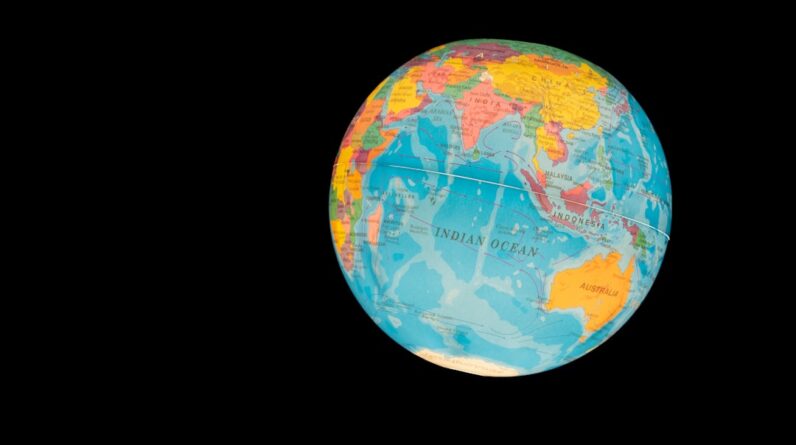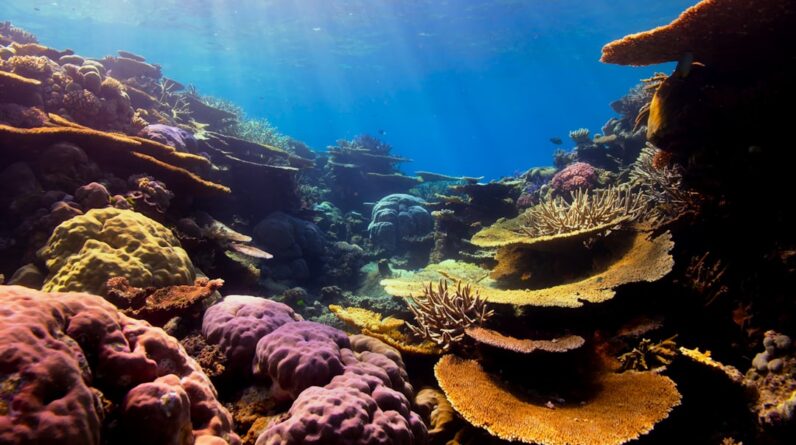
When you think about the sources of oxygen on Earth, your mind might immediately drift to lush forests or sprawling green fields. However, the oceans play an equally vital role in producing the oxygen that sustains life on our planet. In fact, it is estimated that around 50% to 80% of the Earth’s oxygen comes from marine environments, primarily through the process of photosynthesis carried out by microscopic organisms.
This remarkable contribution is often overlooked, yet it is essential for maintaining the delicate balance of our atmosphere and supporting diverse ecosystems. The oceans are vast and complex, teeming with life forms that contribute to oxygen production. From the surface waters to the depths of the ocean, a myriad of organisms work tirelessly to convert sunlight into energy, releasing oxygen as a byproduct.
Understanding this intricate process is crucial for appreciating the oceans’ role in our global ecosystem. As you delve deeper into the subject, you will uncover the interconnectedness of marine life and the atmosphere, revealing how changes in one can significantly impact the other.
Key Takeaways
- The ocean is a major source of oxygen production, contributing over 50% of the Earth’s oxygen.
- Ocean’s oxygen production is crucial for supporting marine life and regulating the Earth’s climate.
- Factors such as temperature, nutrient availability, and ocean acidification can affect the ocean’s oxygen production.
- Phytoplankton play a key role in ocean’s oxygen production through photosynthesis.
- Human activities such as pollution, overfishing, and climate change are impacting the ocean’s oxygen production.
- Declining ocean’s oxygen production can lead to marine life die-offs and disruptions in the global carbon cycle.
- Conservation and restoration efforts, such as marine protected areas and sustainable fishing practices, are essential for protecting ocean’s oxygen production.
- Future challenges include addressing climate change and finding sustainable solutions to maintain and enhance ocean’s oxygen production.
The Importance of Ocean’s Oxygen Production for Life on Earth
The significance of oxygen production by the oceans cannot be overstated. As you breathe in the air around you, you are directly benefiting from the work of countless marine organisms. This oxygen is not only essential for human survival but also for all terrestrial and aquatic life forms.
The intricate web of life on Earth relies on a stable supply of oxygen, which supports respiration in animals and plants alike. Without this vital resource, ecosystems would collapse, leading to dire consequences for biodiversity and human existence. Moreover, oceanic oxygen production plays a crucial role in regulating the Earth’s climate.
The oceans act as a carbon sink, absorbing carbon dioxide from the atmosphere and mitigating the effects of climate change. By producing oxygen, marine organisms help maintain a balance between carbon dioxide and oxygen levels, which is essential for sustaining life. As you consider the broader implications of oceanic oxygen production, it becomes clear that protecting these ecosystems is not just about preserving marine life; it is about safeguarding our own future.
Factors Affecting the Ocean’s Oxygen Production

Several factors influence the ocean’s ability to produce oxygen, and understanding these variables is key to addressing potential challenges. One significant factor is temperature. Warmer waters can lead to decreased oxygen solubility, which affects the overall productivity of marine organisms.
As global temperatures rise due to climate change, you may notice shifts in marine ecosystems that could impact oxygen production rates. Another critical factor is nutrient availability. Nutrients such as nitrogen and phosphorus are essential for phytoplankton growth, which in turn drives oxygen production.
However, excessive nutrient runoff from agricultural practices can lead to harmful algal blooms that deplete oxygen levels in certain areas, creating “dead zones.” These zones are devoid of life and highlight the delicate balance required for healthy ocean ecosystems. As you explore these factors further, you will gain insight into how human activities can disrupt natural processes and threaten the oceans’ ability to produce oxygen.
The Role of Phytoplankton in Ocean’s Oxygen Production
Phytoplankton are often referred to as the “lungs of the ocean,” and for good reason. These microscopic organisms are responsible for a significant portion of the oxygen produced in marine environments. Through photosynthesis, phytoplankton convert sunlight and carbon dioxide into energy, releasing oxygen as a byproduct.
As you learn more about these tiny powerhouses, you’ll discover that they are not only crucial for oxygen production but also form the foundation of the marine food web. Phytoplankton thrive in nutrient-rich waters, where they can rapidly reproduce and flourish. Their abundance supports a diverse array of marine life, from small fish to large whales.
However, their productivity can be influenced by various environmental factors such as light availability, water temperature, and nutrient levels. Understanding these dynamics is essential for recognizing how changes in ocean conditions can impact phytoplankton populations and, consequently, oxygen production.
Impacts of Human Activities on Ocean’s Oxygen Production
Human activities have far-reaching consequences for oceanic oxygen production. One of the most pressing issues is pollution, particularly nutrient runoff from agricultural practices and urban areas. When excess fertilizers enter waterways, they can lead to algal blooms that consume vast amounts of oxygen as they decompose.
This phenomenon creates dead zones where marine life struggles to survive, disrupting entire ecosystems and diminishing the ocean’s capacity to produce oxygen. Additionally, climate change poses a significant threat to oceanic oxygen production. Rising sea temperatures can lead to stratification, where warmer water sits atop cooler water layers, preventing nutrient mixing and limiting phytoplankton growth.
As you consider these impacts, it becomes evident that human actions are not only harming marine ecosystems but also jeopardizing our own access to clean air and a stable climate.
The Consequences of Declining Ocean’s Oxygen Production
The decline in oceanic oxygen production has dire implications for both marine life and human populations. As dead zones expand due to reduced oxygen levels, fish populations decline, leading to economic repercussions for communities that rely on fishing industries. The loss of biodiversity can destabilize entire ecosystems, resulting in cascading effects that threaten species survival and disrupt food chains.
Moreover, declining oxygen levels can exacerbate climate change by reducing the oceans’ ability to absorb carbon dioxide. This creates a feedback loop where increased atmospheric carbon leads to further warming and diminished oxygen production capabilities. As you reflect on these consequences, it becomes clear that addressing the decline in oceanic oxygen production is not merely an environmental issue; it is a matter of global health and sustainability.
Conservation and Restoration Efforts to Protect Ocean’s Oxygen Production
In light of these challenges, various conservation and restoration efforts are underway to protect oceanic oxygen production. Initiatives aimed at reducing nutrient runoff through sustainable agricultural practices are gaining traction. By promoting responsible farming techniques and implementing buffer zones along waterways, communities can help minimize pollution entering marine environments.
Additionally, marine protected areas (MPAs) are being established to safeguard critical habitats and promote biodiversity. These areas allow ecosystems to thrive without the pressures of overfishing or pollution, ultimately enhancing their capacity for oxygen production. As you explore these efforts further, you’ll find that collaboration among governments, scientists, and local communities is essential for creating effective strategies that ensure the health of our oceans.
Future Challenges and Opportunities for Sustaining Ocean’s Oxygen Production
Looking ahead, several challenges and opportunities lie ahead for sustaining oceanic oxygen production. Climate change remains a formidable obstacle; however, it also presents an opportunity for innovation in renewable energy sources and sustainable practices that can mitigate its effects. By investing in research and technology aimed at understanding ocean dynamics better, we can develop strategies to enhance resilience against climate-related changes.
Furthermore, raising awareness about the importance of oceanic oxygen production can inspire collective action among individuals and communities. By advocating for policies that prioritize ocean health and supporting conservation initiatives, you can contribute to a more sustainable future for our planet. As you consider your role in this global effort, remember that every action counts—whether it’s reducing plastic waste or supporting sustainable seafood choices—each step contributes to protecting our oceans and ensuring they continue to provide the vital oxygen we all depend on.
In conclusion, understanding the oceans’ role in producing oxygen is crucial for appreciating their significance in sustaining life on Earth. By recognizing the factors affecting this process and acknowledging the impacts of human activities, we can work towards effective conservation strategies that protect these vital ecosystems for generations to come. The future may hold challenges, but with awareness and action, there is hope for sustaining oceanic oxygen production and preserving our planet’s health.
If you are interested in learning more about how reforestation can help the environment, check out the article How Does Reforestation Help the Environment? on the Live Life with a Cause website. Reforestation plays a crucial role in combating global warming and preserving essential environmental services like the production of oxygen in the oceans. To explore more articles related to environmental conservation and sustainability, visit the Live Life with a Cause blog. Additionally, you can learn about the impact of massive tree planting initiatives in Combatting Global Warming by Massive Tree Planting.
FAQs
What is the importance of the ocean’s oxygen production?
The ocean’s oxygen production is crucial for supporting marine life and maintaining the balance of the Earth’s atmosphere. It is estimated that more than half of the oxygen we breathe is produced by the ocean.
How does the ocean produce oxygen?
Oxygen in the ocean is primarily produced through photosynthesis by phytoplankton, seaweed, and other marine plants. These organisms use sunlight, carbon dioxide, and water to produce oxygen as a byproduct of the photosynthesis process.
What are the main factors that affect the ocean’s oxygen production?
The ocean’s oxygen production can be influenced by various factors, including temperature, nutrient availability, and levels of carbon dioxide in the water. Changes in these factors can impact the growth and productivity of marine plants, which in turn affects oxygen production.
How does human activity impact the ocean’s oxygen production?
Human activities such as pollution, overfishing, and climate change can have negative effects on the ocean’s oxygen production. For example, nutrient runoff from agriculture and industrial activities can lead to algal blooms, which can deplete oxygen levels in the water.
What are the potential consequences of a decline in the ocean’s oxygen production?
A decline in the ocean’s oxygen production can have serious consequences for marine ecosystems, leading to the loss of biodiversity, disruptions in food chains, and the formation of oxygen-depleted “dead zones” in the ocean. This can also have impacts on the Earth’s overall oxygen balance and atmospheric composition.