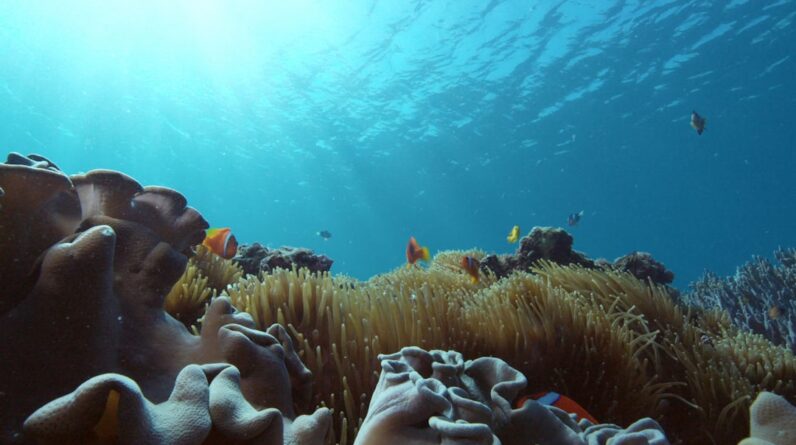
When you think about the sources of oxygen that sustain life on Earth, your mind might immediately drift to lush forests or sprawling green fields. However, the ocean plays an equally vital role in producing the oxygen you breathe. Covering over 70% of the planet’s surface, the ocean is a powerhouse of oxygen generation, contributing approximately 50% to 80% of the Earth’s atmospheric oxygen.
This remarkable contribution is often overlooked, yet it is essential for maintaining the delicate balance of life on our planet. Understanding the ocean’s role in oxygen production is crucial, especially as you consider the myriad challenges it faces today. The ocean’s ability to produce oxygen is not just a byproduct of its vastness; it is intricately linked to the complex ecosystems that thrive within its depths.
From the smallest microorganisms to the largest marine mammals, every component of the ocean contributes to this life-sustaining process. As you delve deeper into this topic, you will discover how interconnected these systems are and why protecting them is imperative for your own survival and that of future generations.
Key Takeaways
- The ocean plays a crucial role in oxygen production, contributing over 50% of the Earth’s oxygen through processes like photosynthesis and phytoplankton production.
- Human activities such as pollution, overfishing, and climate change are impacting ocean oxygen production, leading to oxygen-deprived “dead zones” in the ocean.
- Ocean oxygen is vital for marine life, supporting the survival of fish, whales, and other aquatic organisms, and maintaining the balance of marine ecosystems.
- Phytoplankton, microscopic marine plants, are key players in oxygen production, absorbing carbon dioxide and releasing oxygen through photosynthesis.
- The connection between ocean oxygen and climate change is complex, with potential feedback loops and impacts on ocean circulation and marine biodiversity. Conservation efforts are crucial to protect ocean oxygen production, including reducing pollution, establishing marine protected areas, and promoting sustainable fishing practices.
- The future of ocean oxygen production has significant implications for the planet, as disruptions to this process could have far-reaching effects on global oxygen levels and the health of marine ecosystems.
The Process of Oxygen Production in the Ocean
Oxygen production in the ocean primarily occurs through a process known as photosynthesis, which is carried out by various marine organisms. When sunlight penetrates the surface waters, it provides the energy needed for phytoplankton, algae, and other photosynthetic organisms to convert carbon dioxide and water into glucose and oxygen. This process not only produces oxygen but also serves as the foundation of the marine food web, supporting countless species that rely on these primary producers for sustenance.
As you explore this process further, you will find that phytoplankton are particularly significant players in oceanic oxygen production. These microscopic organisms are incredibly efficient at photosynthesis and can bloom in vast numbers under favorable conditions. The oxygen they release into the water eventually diffuses into the atmosphere, replenishing the air you breathe.
The intricate balance of nutrients, light, and temperature in ocean waters creates a dynamic environment where these organisms can thrive, underscoring the importance of maintaining healthy marine ecosystems.
The Impact of Human Activities on Ocean Oxygen Production

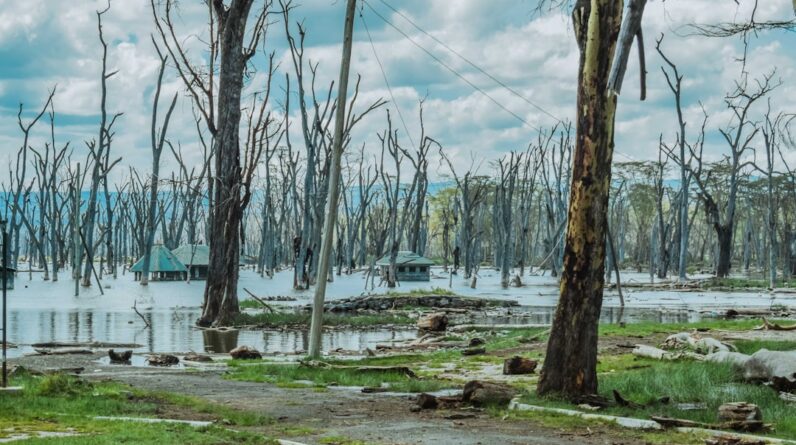
Unfortunately, human activities have begun to take a toll on the ocean’s ability to produce oxygen. Pollution, overfishing, and climate change are just a few of the factors that threaten marine ecosystems and their capacity for photosynthesis. For instance, nutrient runoff from agricultural practices can lead to algal blooms that deplete oxygen levels in the water, creating “dead zones” where marine life struggles to survive.
As you consider these impacts, it becomes clear that your actions—whether through consumption choices or advocacy—can influence the health of ocean ecosystems. Moreover, climate change poses a significant threat to ocean oxygen production. Rising sea temperatures can alter the distribution and productivity of phytoplankton, while increased carbon dioxide levels lead to ocean acidification.
These changes can disrupt the delicate balance of marine ecosystems and hinder their ability to produce oxygen effectively. As you reflect on these challenges, it is essential to recognize that your awareness and engagement can contribute to solutions that protect these vital systems.
The Importance of Ocean Oxygen for Marine Life
The oxygen produced by the ocean is not just crucial for human survival; it is equally vital for marine life. Fish, mammals, and other aquatic organisms rely on dissolved oxygen in the water to breathe and thrive. Without sufficient oxygen levels, entire ecosystems can collapse, leading to a decline in biodiversity and disrupting food chains.
As you consider the interconnectedness of life in the ocean, it becomes evident that maintaining healthy oxygen levels is essential for preserving marine habitats. In addition to supporting individual species, ocean oxygen plays a critical role in maintaining overall ecosystem health. Healthy coral reefs, for example, depend on adequate oxygen levels for their survival and growth.
When oxygen levels drop due to pollution or climate change, coral reefs become more susceptible to disease and bleaching events. By understanding the importance of ocean oxygen for marine life, you can appreciate the urgency of protecting these ecosystems and advocating for sustainable practices that ensure their longevity.
The Role of Phytoplankton in Oxygen Production
Phytoplankton are often referred to as the “lungs of the Earth” due to their significant contribution to global oxygen production. These tiny organisms are not only responsible for producing a substantial portion of the Earth’s oxygen but also play a crucial role in carbon cycling and nutrient cycling within marine ecosystems. As you learn more about phytoplankton, you’ll discover that they come in various forms, including diatoms and dinoflagellates, each with unique adaptations that allow them to thrive in different environments.
The productivity of phytoplankton is influenced by several factors, including nutrient availability, light penetration, and water temperature. When conditions are optimal, phytoplankton can reproduce rapidly, leading to blooms that can be seen from space. However, these blooms can also have negative consequences if they become excessive or toxic.
Understanding the dual nature of phytoplankton’s role in oxygen production highlights the need for careful management of marine resources and ecosystems.
The Connection Between Ocean Oxygen and Climate Change

The relationship between ocean oxygen production and climate change is complex and multifaceted. As global temperatures rise due to human-induced climate change, ocean temperatures also increase, affecting the distribution and productivity of phytoplankton. Warmer waters can lead to stratification, where layers of water become separated by temperature differences, limiting nutrient mixing and reducing phytoplankton growth.
This decline in productivity directly impacts oxygen levels in the ocean and subsequently affects all marine life. Additionally, climate change contributes to ocean acidification as increased carbon dioxide levels dissolve into seawater. This change in pH can hinder the ability of certain marine organisms—such as shellfish and corals—to build their calcium carbonate structures, further disrupting marine ecosystems.
As you contemplate these connections, it becomes clear that addressing climate change is not just an environmental issue; it is a matter of preserving the very systems that produce the oxygen essential for life on Earth.
Conservation Efforts to Protect Ocean Oxygen Production
Recognizing the critical importance of ocean oxygen production has led to various conservation efforts aimed at protecting marine ecosystems. Initiatives such as establishing marine protected areas (MPAs) help safeguard vital habitats from overfishing and pollution while allowing ecosystems to recover and thrive. By supporting these efforts through advocacy or responsible consumption choices, you can contribute to preserving the health of our oceans.
Moreover, promoting sustainable agricultural practices can significantly reduce nutrient runoff into coastal waters, helping to mitigate harmful algal blooms and dead zones. Engaging with local communities and organizations focused on ocean conservation can amplify your impact and foster a collective commitment to protecting these vital resources. As you consider your role in these efforts, remember that every action counts—whether it’s reducing plastic use or supporting policies aimed at protecting marine environments.
The Future of Ocean Oxygen Production and its Implications for the Planet
Looking ahead, the future of ocean oxygen production is uncertain but critical for sustaining life on Earth. As human activities continue to exert pressure on marine ecosystems, it is essential to prioritize conservation efforts and adopt sustainable practices that protect these vital resources. The health of our oceans directly influences global oxygen levels and climate stability; thus, safeguarding them is imperative for future generations.
As you reflect on this interconnected web of life, consider how your choices can contribute to a healthier planet. Whether through advocacy for policy changes or personal lifestyle adjustments aimed at reducing your ecological footprint, your actions can help ensure that oceans continue to produce the oxygen necessary for all living beings. By fostering a deeper understanding of the ocean’s role in oxygen production and its broader implications for our planet’s health, you can become an informed advocate for change—one who recognizes that a thriving ocean is essential for a thriving world.
In a related article, Biodiversity Reservoir by Having Healthy Forest, the importance of maintaining healthy forests as a reservoir of biodiversity is discussed. Just as the ocean plays a crucial role in oxygen production, forests also play a vital role in supporting a diverse range of plant and animal species. By protecting and preserving forests, we can help ensure the health and sustainability of our planet’s ecosystems.
FAQs
What is the role of the ocean in oxygen production?
The ocean plays a crucial role in oxygen production through the process of photosynthesis carried out by marine plants, algae, and phytoplankton. These organisms produce a significant portion of the Earth’s oxygen supply.
How does the ocean contribute to the global oxygen cycle?
The ocean contributes to the global oxygen cycle by producing approximately 50-85% of the Earth’s oxygen. This is achieved through the photosynthetic activities of marine plants and phytoplankton, which release oxygen as a byproduct.
What are the key organisms responsible for oxygen production in the ocean?
Marine plants, algae, and phytoplankton are the key organisms responsible for oxygen production in the ocean. These photosynthetic organisms utilize sunlight, carbon dioxide, and water to produce oxygen and organic compounds.
How does human activity impact the ocean’s role in oxygen production?
Human activity, such as pollution, climate change, and overfishing, can negatively impact the ocean’s role in oxygen production. These activities can disrupt marine ecosystems, leading to a decline in the population of oxygen-producing organisms.
What are the potential consequences of a decline in ocean oxygen production?
A decline in ocean oxygen production can lead to a decrease in the Earth’s overall oxygen supply, impacting the health of marine life and potentially causing oxygen-depleted “dead zones” in the ocean. This can have far-reaching consequences for global ecosystems and human livelihoods.