Have you ever wondered how cutting down trees could impact the planet? It’s easy to overlook how interconnected the elements of our environment are, but deforestation plays a significant role in global warming.
What Is Deforestation?
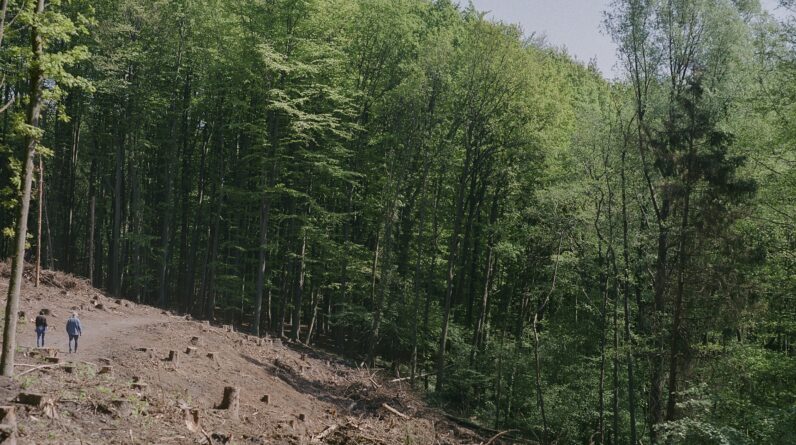
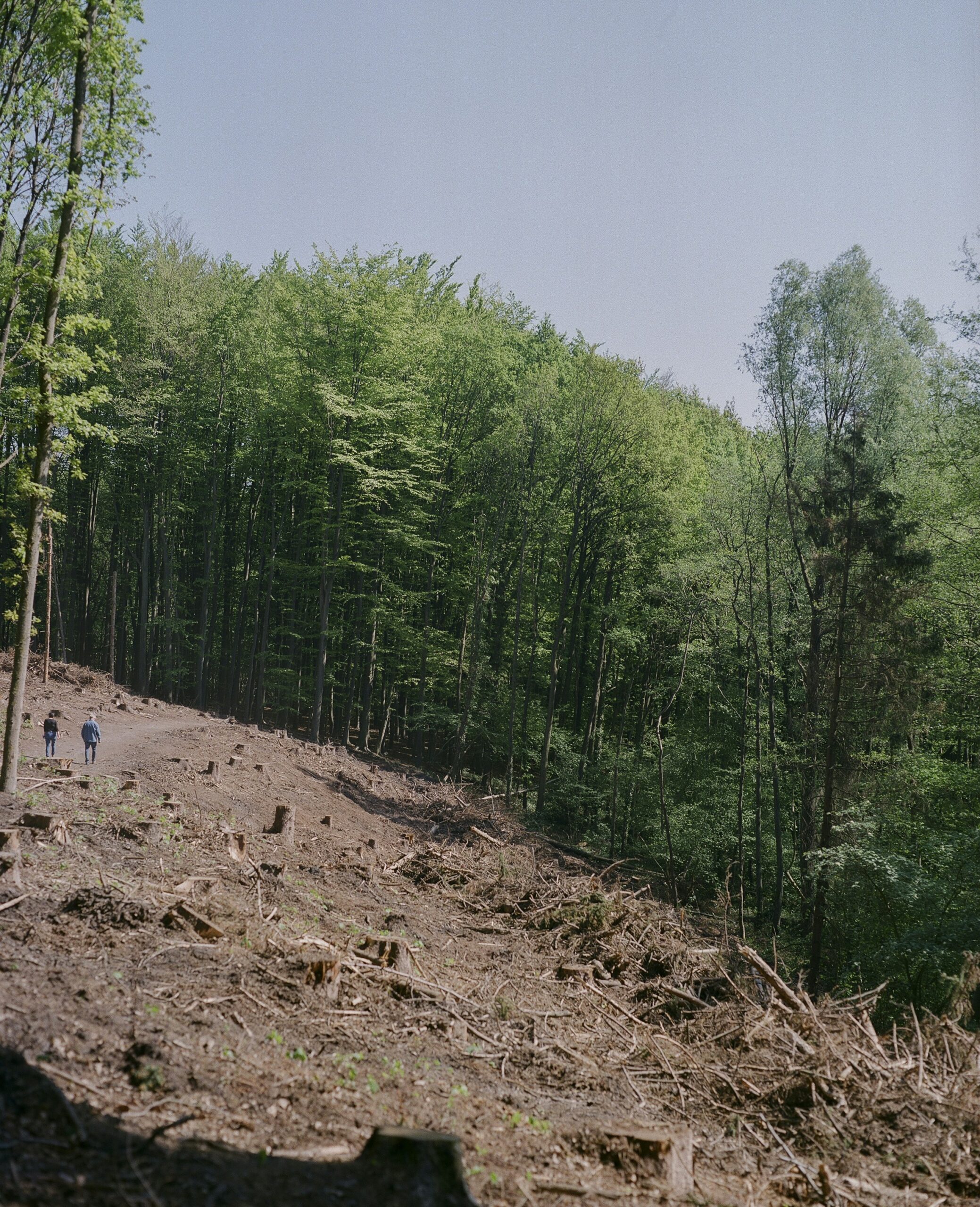
Deforestation refers to the large-scale removal of forests, usually driven by human activities such as logging, agriculture, and urbanization. When forests are cleared, the land is often converted to non-forest uses, leading to a cascade of environmental impacts.
Causes of Deforestation
Understanding what drives deforestation can help us address the problem effectively. Here are some principal causes:
| Cause | Description |
|---|---|
| Logging | The cutting down of trees for timber and paper products. |
| Agriculture | Clearing land for crops or grazing livestock. |
| Urbanization | Expanding cities and towns into forested areas. |
| Mining | Removing forests to extract minerals and fossil fuels. |
The Scale of Deforestation
It’s startling how much forested land we lose each year. According to the World Bank, the world lost 1.3 million square kilometers of forest between 1990 and 2016. That’s an area larger than South Africa!
The Link Between Deforestation and Global Warming
Many people think of deforestation as simply losing trees, but it has far-reaching effects on our climate. Let’s explore some of these connections.
Carbon Sequestration
Forests act as carbon sinks. They absorb more carbon dioxide (CO2) than they release, helping to moderate global temperatures. When trees are cut down or burned, the CO2 they’ve stored is released back into the atmosphere, exacerbating global warming.
Greenhouse Gas Emissions
Besides CO2, deforestation can also release methane (CH4) and nitrous oxide (N2O), both potent greenhouse gases. These emissions accelerate the greenhouse effect, trapping more heat in the Earth’s atmosphere.
Altered Weather Patterns
Did you know that forests play a role in regulating weather? Trees release water vapor into the atmosphere through a process called transpiration, influencing precipitation patterns. Deforestation can disrupt this cycle, leading to irregular rainfall and extreme weather conditions.

The Ripple Effects of Deforestation
Deforestation doesn’t only affect the climate; it has numerous other ecological impacts that, in turn, influence global warming.
Loss of Biodiversity
Forests are home to an astonishing variety of species. When forests are destroyed, many plants and animals lose their habitats, leading to declines in biodiversity. This loss can destabilize ecosystems, making them less resilient to environmental changes.
Soil Erosion
Trees help to anchor soil, reducing erosion. Without trees, soil is easily washed away by rain, leading to decreased soil fertility and increased sedimentation in rivers and streams. This can contribute to increased carbon emissions from soil and water bodies.
Water Cycles
Forests play a critical role in maintaining the Earth’s water cycle. When forests are removed, the natural water cycle is disrupted, resulting in altered river flows and reduced water quality. These changes can contribute to global warming by affecting the thermal balance of ecosystems.
Mitigating Deforestation
Now that we understand the severe impacts of deforestation on global warming, let’s talk about possible solutions to mitigate these effects.
Reforestation and Afforestation
Reforestation is the process of replanting trees in deforested areas. Afforestation, on the other hand, involves planting trees in areas that were not previously forested. Both approaches can help restore carbon sinks and mitigate the effects of global warming.
Sustainable Agriculture
Implementing sustainable farming practices can reduce the need to clear new land for agriculture. Techniques such as crop rotation, agroforestry, and conservation tillage can help preserve forests while maintaining agricultural productivity.
Protected Areas and Conservation Efforts
Designating certain areas as protected can help curb deforestation. National parks, wildlife reserves, and conservation easements are examples of protected areas that help maintain forest cover and promote biodiversity.
Corporate Responsibility
Companies that rely on forest products can adopt sustainable practices and commit to not sourcing materials from deforested areas. Consumer awareness and demand for sustainably sourced products can also drive corporate responsibility.
Policy and Legislation
Strong legal frameworks can provide the necessary support to enforce deforestation regulations. International agreements, national laws, and local ordinances all have roles to play in mitigating deforestation.
The Role of Individuals
It might seem like deforestation is an issue that’s too large for any one person to solve. However, individual actions can collectively make a difference. Here are some ways you can contribute.
Reduce, Reuse, Recycle
Minimizing waste is a simple yet effective way to lessen the demand for new forest products.
Support Sustainable Products
Opt for products that are sustainably sourced and certified by organizations such as the Forest Stewardship Council (FSC).
Plant Trees
Participate in community tree-planting initiatives or start your own. Every tree planted helps to sequester carbon and support local ecosystems.
Spread Awareness
Educate others about the importance of forests and the impacts of deforestation. Awareness is the first step toward change.
Advocate for Change
Write to your local representatives and support policies that aim to reduce deforestation and promote sustainable practices.
The Future of Our Forests
Considering the intricate link between deforestation and global warming, it’s evident that preserving forests is essential for our future. While the task is daunting, collective efforts at individual, corporate, and governmental levels can make a significant impact.
The International Landscape
International cooperation is crucial for addressing global issues like deforestation. Climate agreements, such as the Paris Agreement, emphasize the importance of forest conservation in mitigating climate change. Collaborative efforts between countries can amplify the impact of local actions and foster a unified approach.
Technological Advances
Emerging technologies offer innovative solutions to monitor, assess, and combat deforestation. Satellite imagery, drones, and AI-powered analytics can provide real-time data to inform conservation strategies and track progress.
Education and Community Engagement
Empowering communities through education can lead to more sustainable forest management. Local populations who understand the importance of forests are more likely to engage in conservation efforts and adopt sustainable practices.
Conclusion
The heat is indeed on, and deforestation is a critical factor in the worsening crisis of global warming. By understanding the causes and effects of deforestation and taking proactive steps to mitigate it, you can contribute to a healthier, more sustainable planet. Remember, every action counts – from planting a tree to advocating for stronger forest protection policies. Together, we can make a difference.