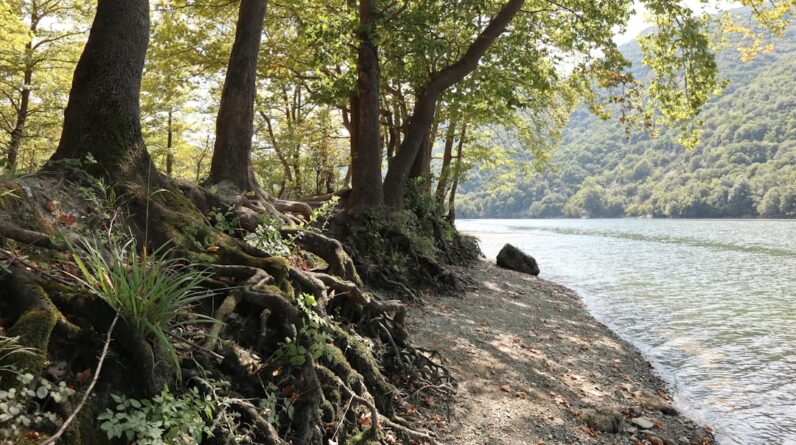
As you step into a forest, you may be struck by the towering trees, the vibrant undergrowth, and the myriad sounds of wildlife. However, beneath this apparent chaos lies a complex and interconnected ecosystem that thrives on relationships and interdependence. This intricate web of life is not merely a collection of individual organisms; it is a dynamic community where each component plays a vital role in maintaining the balance of the environment.
Understanding this interconnectedness is crucial for appreciating the delicate dance of life that unfolds in these natural spaces. In this ecosystem, trees, fungi, and wildlife are not isolated entities but rather participants in a grand symphony of survival. Each organism contributes to the health and vitality of the forest, creating a network that supports growth, reproduction, and resilience.
As you delve deeper into this world, you will discover how fungi serve as the unsung heroes of the forest, facilitating communication between trees and providing essential nutrients. You will also learn about the wildlife that relies on these relationships for sustenance and shelter, highlighting the importance of preserving this delicate balance for future generations.
Key Takeaways
- The interconnected ecosystem is a complex web of relationships between fungi, trees, and wildlife that is essential for the health of the environment.
- Fungi play a crucial role in the forest ecosystem by breaking down organic matter, recycling nutrients, and forming symbiotic relationships with trees.
- Trees and fungi communicate through a network of underground mycelium, allowing them to exchange nutrients and information to support each other’s growth and survival.
- Wildlife depends on fungi and trees for food, shelter, and habitat, making them integral to the interconnected ecosystem.
- Mutualistic relationships between fungi, trees, and wildlife demonstrate the interdependence and cooperation within the ecosystem, highlighting the importance of conservation efforts to protect it.
The Role of Fungi in the Forest
Fungi are often overlooked in discussions about forest ecosystems, yet they play an indispensable role in maintaining ecological balance. These organisms are not just decomposers; they are vital players in nutrient cycling and soil health. As you explore the forest floor, you may notice mushrooms sprouting from decaying wood or the ground itself.
These visible structures are merely the fruiting bodies of fungi, which primarily exist underground as an extensive network of mycelium. This mycelial network acts as a conduit for nutrient exchange, breaking down organic matter and releasing essential minerals back into the soil. Moreover, fungi form symbiotic relationships with trees through mycorrhizal associations.
In this partnership, fungi extend their hyphae into the soil, increasing the surface area for nutrient absorption while simultaneously connecting with tree roots. This relationship allows trees to access water and nutrients that would otherwise be out of reach. In return, trees provide fungi with carbohydrates produced through photosynthesis.
This mutualistic exchange is crucial for the health of both parties and underscores the importance of fungi in sustaining forest ecosystems.
How Trees and Fungi Communicate

The communication between trees and fungi is a fascinating aspect of forest ecology that reveals the complexity of their relationship. Through their mycorrhizal networks, trees can send chemical signals to one another via the fungal pathways. When a tree is under stress—whether from drought, disease, or insect infestation—it can release specific compounds into the soil that alert neighboring trees to its plight.
This communication allows other trees to bolster their defenses or adjust their resource allocation in response to potential threats. Additionally, these networks facilitate a form of communal support among trees. For instance, older or larger trees often share nutrients with younger saplings through their mycorrhizal connections.
This nurturing behavior enhances the survival rates of young trees, ensuring that the forest remains diverse and resilient. As you observe this intricate communication system at work, you begin to appreciate how trees are not solitary beings but rather part of a larger community that thrives on cooperation and mutual support.
Wildlife’s Dependence on Fungi and Trees
The interdependence between fungi, trees, and wildlife is a testament to the complexity of forest ecosystems. Many animals rely on both trees and fungi for food and habitat. For instance, squirrels and birds depend on tree seeds and fruits for sustenance, while various insects feed on tree bark or leaves.
Fungi also play a crucial role in this dynamic; many species of wildlife consume mushrooms as a primary food source. The presence of fungi can significantly influence animal populations and behaviors within the forest. Moreover, certain animals have developed specialized relationships with fungi.
For example, some species of beetles rely on specific types of fungi to decompose wood, creating habitats that support diverse insect communities. In turn, these insects become food for larger predators, illustrating how interconnected these relationships are. As you explore the forest, you will witness firsthand how wildlife thrives in this environment, relying on both trees and fungi to meet their needs.
Mutualistic Relationships in the Ecosystem
The mutualistic relationships within forest ecosystems extend beyond just trees and fungi; they encompass a wide range of interactions among various organisms. For instance, pollinators such as bees and butterflies depend on flowering plants for nectar while simultaneously aiding in their reproduction through pollination. This relationship benefits both parties: plants ensure their survival through reproduction while pollinators receive nourishment.
Similarly, many animals contribute to seed dispersal by consuming fruits and excreting seeds in different locations. This process not only aids in plant reproduction but also promotes genetic diversity within plant populations. As you observe these interactions in action, it becomes clear that mutualism is a driving force behind ecosystem health and resilience.
Each organism plays a role in supporting others, creating a balanced environment where life can flourish.
The Impact of Human Activities on the Interconnected Web

Despite the resilience of forest ecosystems, human activities pose significant threats to their integrity. Deforestation, urbanization, and pollution disrupt the delicate balance that has evolved over millennia. When trees are removed from an area, it not only affects the immediate habitat but also disrupts the mycorrhizal networks that connect them to fungi and other plants.
This loss can lead to decreased soil health and reduced biodiversity, ultimately impacting wildlife populations that depend on these resources. Additionally, climate change exacerbates these challenges by altering temperature and precipitation patterns. As forests experience shifts in their climate conditions, both trees and fungi may struggle to adapt.
Some species may thrive while others decline or disappear altogether, leading to imbalances within the ecosystem. As you reflect on these human impacts, it becomes evident that our actions have far-reaching consequences for the interconnected web of life within forests.
Conservation Efforts to Protect the Ecosystem
Recognizing the importance of preserving forest ecosystems has led to various conservation efforts aimed at protecting these vital habitats. Initiatives such as reforestation projects seek to restore areas that have been degraded by human activities. By planting native tree species and promoting healthy soil practices, these efforts aim to rebuild mycorrhizal networks and support biodiversity.
Furthermore, education plays a crucial role in conservation efforts. By raising awareness about the significance of fungi and their relationships with trees and wildlife, communities can foster a greater appreciation for these ecosystems. Engaging local populations in conservation initiatives encourages stewardship and empowers individuals to take action in protecting their natural surroundings.
As you consider these efforts, you may feel inspired to contribute to conservation initiatives in your own community.
The Future of the Intricate Dance Between Fungi, Trees, and Wildlife
Looking ahead, the future of forest ecosystems hinges on our ability to understand and respect their interconnectedness. As climate change continues to pose challenges for these environments, it is essential to prioritize sustainable practices that promote resilience. By fostering healthy relationships between trees, fungi, and wildlife, we can help ensure that these ecosystems thrive for generations to come.
Moreover, ongoing research into the complexities of these relationships will deepen our understanding of forest dynamics. As scientists uncover new insights into how fungi communicate with trees or how wildlife interacts with both organisms, we can develop more effective conservation strategies tailored to specific ecosystems. The intricate dance between fungi, trees, and wildlife is not just a natural phenomenon; it is a reminder of our responsibility to protect and preserve the delicate balance that sustains life on Earth.
In conclusion, as you immerse yourself in the wonders of forest ecosystems, take a moment to appreciate the intricate connections that bind all living things together. From the vital role of fungi in nutrient cycling to the mutualistic relationships that support biodiversity, every element plays a part in this grand tapestry of life. By understanding these connections and advocating for conservation efforts, you can contribute to safeguarding these precious ecosystems for future generations to enjoy.
In a related article on increased tree planting, the intricate dance between fungi, trees, and wildlife is further explored. This article delves into the potential consequences of unbalanced ecosystems resulting from large-scale reforestation efforts. It highlights the importance of understanding the complex relationships between different elements of the environment in order to ensure the long-term health and sustainability of our planet. For more insightful articles on environmental conservation and reforestation, visit livelifewithacause.org/blog.
FAQs
What is the relationship between fungi, trees, and wildlife?
The relationship between fungi, trees, and wildlife is a complex and interconnected one. Fungi form symbiotic relationships with trees, providing them with essential nutrients and aiding in their growth. Trees, in turn, provide habitat and food for wildlife, creating a diverse and interconnected ecosystem.
How do fungi benefit trees?
Fungi form mycorrhizal associations with trees, where they exchange nutrients with the tree roots. This symbiotic relationship helps trees access essential nutrients such as phosphorus and nitrogen, aiding in their growth and overall health.
How do trees benefit wildlife?
Trees provide habitat, food, and shelter for a wide variety of wildlife. They offer nesting sites for birds, food for herbivores, and shelter for countless species. Trees also contribute to the overall biodiversity of an ecosystem, supporting a healthy and balanced wildlife population.
What role do fungi play in the ecosystem?
Fungi play a crucial role in the ecosystem as decomposers, breaking down organic matter and recycling nutrients. They also form symbiotic relationships with plants, aiding in nutrient uptake and overall plant health. Additionally, some fungi serve as food sources for wildlife, contributing to the intricate web of interactions within an ecosystem.