Have you ever wondered how cutting down trees thousands of miles away can impact climate change? The answer ties back to the intricate relationship between deforestation and global warming. It’s a topic that needs attention because its ramifications are both profound and far-reaching.

Understanding Deforestation
What is Deforestation?
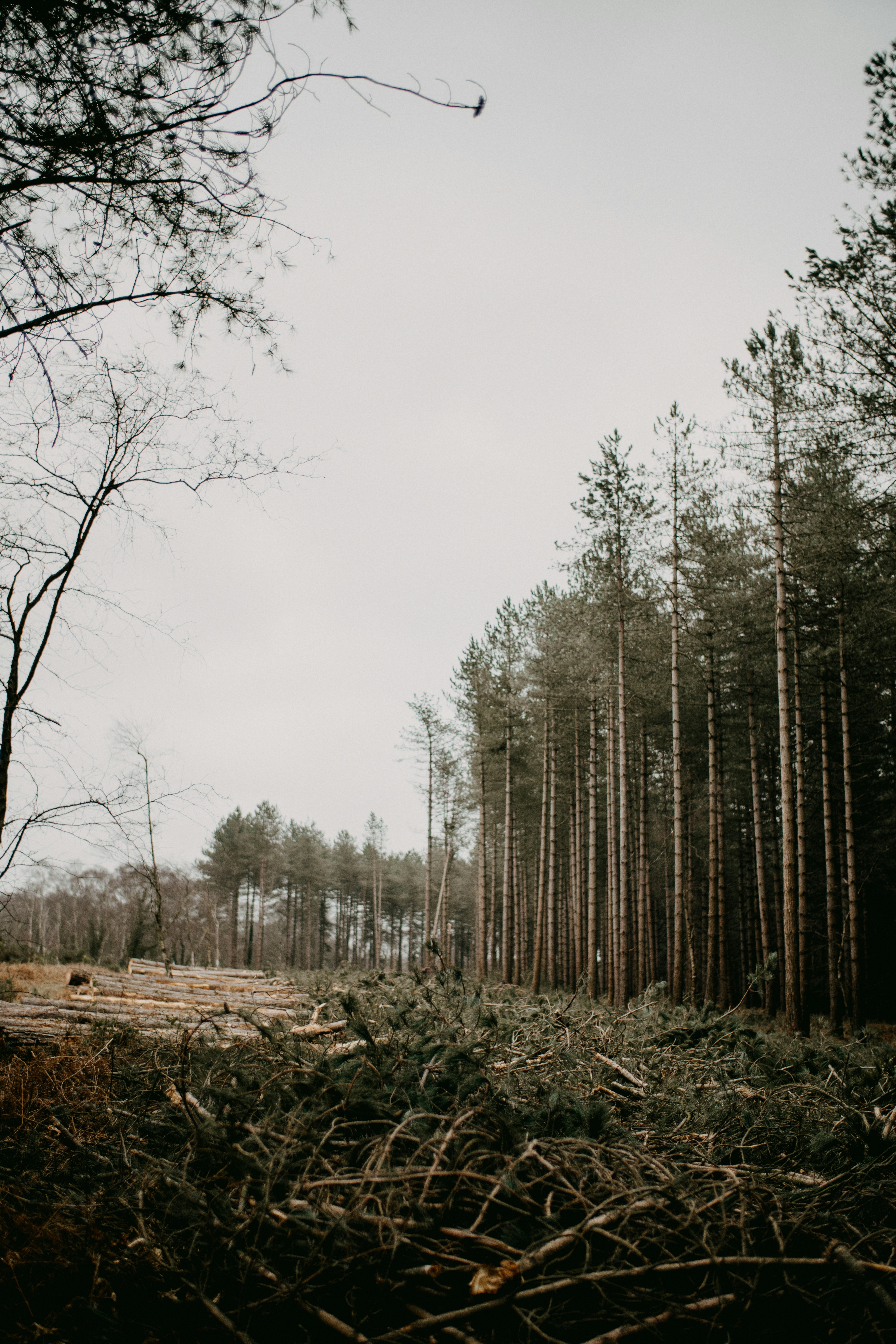
Deforestation refers to the large-scale removal of trees from forests or other lands without sufficient reforestation, often resulting in damaged ecosystems, loss of biodiversity, and disruption in weather patterns. It’s a complex issue, driven by agricultural expansion, logging, and infrastructure development.
Global Statistics on Deforestation
Deforestation rates vary across the globe, with some regions experiencing significant tree loss. Reflect on these figures for a sense of scale:
| Region | Annual Forest Loss (in million hectares) |
|---|---|
| South America | 2.6 |
| Africa | 2.8 |
| Southeast Asia | 1.5 |
| Oceania | 0.4 |
The numbers might not seem alarming on the surface, but the cumulative impact is substantial.
The Role of Forests in Climate Regulation
Carbon Sequestration
Forests are natural carbon sinks. When trees undergo photosynthesis, they absorb carbon dioxide (CO2) from the atmosphere and store it. This process, known as carbon sequestration, significantly mitigates global warming. However, when trees are cut down and burned or left to decay, the stored carbon is released back into the atmosphere, contributing to greenhouse gas emissions.
Temperature Regulation
Forests influence local and global temperatures by providing shade and releasing moisture into the air through a process called transpiration. This helps cool the planet. Without these large wooded areas, temperature regulation is compromised, leading to heightened global temperatures.
How Deforestation Contributes to Global Warming
Release of Greenhouse Gases
When forests are cleared, massive amounts of carbon stored in trees are released into the atmosphere, primarily as CO2. Deforestation accounts for approximately 10% of global greenhouse gas emissions. Imagine how much CO2 is emitted from clearing a forest the size of Panama annually—it’s considerable.
Loss of Carbon Sinks
Reducing the number of trees diminishes the planet’s capacity to absorb CO2. Fewer trees mean less carbon is sequestered, exacerbating the effects of climate change. This is a double whammy: more atmospheric CO2 and fewer natural mechanisms to absorb it.
Albedo Effect
Forests typically have a lower albedo, meaning they absorb more sunlight and heat. When forests are replaced by agricultural fields or urban areas with higher albedo, more sunlight is reflected back into the atmosphere instead of being absorbed. This phenomenon initially might seem like it cools the Earth, but it disrupts local climates and can also contribute to global warming in the long run.
The Interconnectedness of Ecosystems
Biodiversity Loss
Forests are home to about 80% of the world’s terrestrial animals and plants. When forests are cleared, these species lose their habitats, leading to a loss in biodiversity. This can result in imbalances that affect everything from food chains to pollination of crops, ultimately affecting human food supplies.
Water Cycles
Trees play a crucial role in the water cycle. They absorb rainwater and release it slowly, preventing floods and maintaining river flows. Deforestation disrupts this natural balance, leading to altered rainfall patterns, reduced water quality, and increased risk of floods and droughts.
Soil Erosion
Without tree roots to hold the soil in place, deforested lands become vulnerable to erosion. This not only degrades the land but also affects water quality in nearby streams and rivers. Nutrient-poor soils can no longer support robust plant life, creating a vicious cycle that further degrades ecosystems.
Immediate and Long-term Consequences
Immediate Impact
The immediate effect of deforestation is the rapid increase in CO2 levels and the loss of biodiversity. Local communities often experience these impacts first-hand: changes in rainfall, reduced agricultural productivity, and loss of medicinal plants.
Long-term Impact
The long-term effects extend globally. Increased greenhouse gases contribute to climate change, leading to more severe weather events like hurricanes, floods, and droughts. The erosion of biodiversity can also render ecosystems more vulnerable to disease and pests, affecting global health and food security.
Current Efforts and Challenges
International Agreements
Internationally, agreements like the Paris Climate Accord aim to address deforestation. Countries are encouraged to include reforestation and reduced deforestation efforts in their national climate action plans.
Conservation Programs
Conservation programs work on various levels—local, national, and international. Initiatives such as REDD+ (Reducing Emissions from Deforestation and Forest Degradation) offer financial incentives for developing countries to invest in sustainable forest management.
Challenges
Despite these efforts, several challenges hinder progress. Corruption, lack of funding, and conflict over land use often derail conservation projects. Additionally, the demand for agricultural land continues to grow, putting constant pressure on forested areas.

What You Can Do
Reduce, Reuse, Recycle
These three actions can significantly minimize waste, reducing the need for raw materials that drive deforestation. Opting for recycled products and reducing paper use can make a difference.
Support Sustainable Products
By choosing products that are sustainably sourced, you support companies that prioritize conservation. Look for certifications like FSC (Forest Stewardship Council) when buying wooden products.
Advocate and Educate
Raise awareness about the importance of forests in combating climate change. Use your voice to influence policy by supporting conservation efforts and demanding responsible environmental practices from corporations and governments.
Conclusion
The connection between global warming and deforestation is undeniable. Every tree cut down represents a lost opportunity to fight climate change. By understanding the intricacies and taking actionable steps, you can contribute to the global effort to protect and sustain our planet. Every small change counts, and together, these changes can add up to a substantial difference.
It’s time to pay attention—our future depends on it.