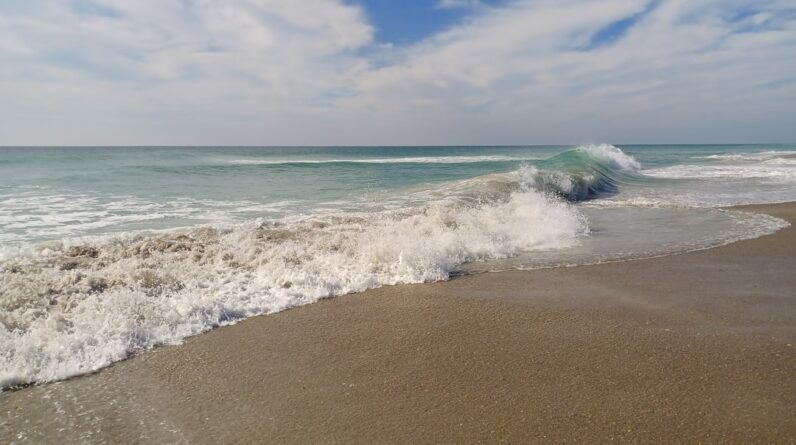
The Gulf Stream is a powerful ocean current that originates in the Gulf of Mexico, flows up the eastern coast of the United States, and then crosses the Atlantic Ocean towards Europe. This current is not just a mere flow of water; it plays a crucial role in regulating climate and weather patterns across the North Atlantic region. By transporting warm water from the tropics to higher latitudes, the Gulf Stream helps to moderate temperatures, making regions like Western Europe significantly warmer than they would otherwise be.
Without this vital current, the climate of these areas would be drastically different, potentially leading to harsher winters and cooler summers. Understanding the Gulf Stream’s importance extends beyond mere temperature regulation. It also influences precipitation patterns, storm tracks, and even the distribution of marine species.
The current acts as a conveyor belt, moving nutrients and heat throughout the ocean, which supports diverse ecosystems. As you delve deeper into the complexities of ocean currents, you begin to appreciate how interconnected our climate systems are and how changes in one part of the world can have far-reaching effects elsewhere. The Gulf Stream is a prime example of this interconnectedness, making its health and stability critical for both human and ecological well-being.
Key Takeaways
- The Gulf Stream is a powerful ocean current that plays a crucial role in regulating global climate and weather patterns.
- Signs of a slowdown in the Gulf Stream have been observed, including changes in sea surface temperature and shifts in marine ecosystems.
- A slowdown in the Gulf Stream could lead to disruptions in climate and weather patterns, affecting everything from agriculture to extreme weather events.
- Marine life, including fish and other species, could be significantly impacted by a slowdown in the Gulf Stream, leading to changes in migration patterns and food availability.
- Ongoing research and monitoring efforts are essential for understanding the potential consequences of a Gulf Stream slowdown and developing mitigation and adaptation strategies.
Signs of the Gulf Stream Slowdown
In recent years, scientists have observed concerning signs that the Gulf Stream may be slowing down. This phenomenon, often referred to as “Gulf Stream slowdown,” is primarily attributed to climate change and the melting of polar ice caps. As freshwater from melting glaciers enters the North Atlantic, it disrupts the salinity and density of seawater, which are essential for maintaining the current’s strength.
You might find it alarming that this slowdown has been documented as one of the most significant changes in ocean circulation in over a millennium. Research indicates that the Gulf Stream has weakened by about 15% since the mid-20th century. This decline is not just a statistical anomaly; it has real-world implications for weather patterns and climate stability.
You may notice that extreme weather events, such as hurricanes and heavy rainfall, have become more frequent and intense in regions influenced by the Gulf Stream. The signs are clear: if this trend continues, we could face unprecedented changes in our climate systems.
Impact on Climate and Weather Patterns

The implications of a slowing Gulf Stream are profound and multifaceted. One of the most immediate effects is on temperature regulation across the North Atlantic region. As the current weakens, areas that once enjoyed milder winters may experience colder temperatures, leading to increased heating costs and altered agricultural practices.
You might find it surprising that regions like the UK and Scandinavia could see significant shifts in their climate, potentially resembling more continental climates with harsher winters. Moreover, changes in the Gulf Stream can also affect precipitation patterns. A slowdown could lead to drier conditions in some areas while causing increased rainfall in others.
For instance, you may observe that parts of Southern Europe could face droughts, while regions like the eastern United States might experience more intense storms and flooding. These shifts not only threaten ecosystems but also pose challenges for water management and food security. The interconnected nature of these changes underscores how vital it is to monitor and understand the Gulf Stream’s behavior.
Potential Consequences for Marine Life
The Gulf Stream is not just a climate regulator; it is also a lifeline for marine ecosystems. As it transports warm water and nutrients across vast distances, it supports a diverse array of marine life, from plankton to large fish species. A slowdown in this current could disrupt these delicate ecosystems, leading to shifts in species distribution and abundance.
You may find it concerning that many fish species rely on specific temperature ranges for breeding and feeding; any significant change could threaten their survival. Additionally, changes in ocean circulation can impact nutrient availability, which is crucial for phytoplankton growth—the foundation of the marine food web. If nutrient transport is altered due to a weakened Gulf Stream, you might witness declines in fish populations that depend on these primary producers.
The consequences extend beyond just fish; entire marine ecosystems could be at risk, affecting everything from commercial fisheries to biodiversity conservation efforts.
Research and Monitoring Efforts
Given the potential consequences of a slowing Gulf Stream, researchers are ramping up efforts to monitor its behavior closely. Advanced technologies such as satellite observations, buoys, and oceanographic research vessels are being employed to gather data on temperature, salinity, and current strength. You may be interested to know that international collaborations are also underway to enhance our understanding of ocean circulation patterns and their implications for global climate.
These research initiatives aim not only to track changes in the Gulf Stream but also to develop predictive models that can forecast future scenarios based on current trends. By analyzing historical data alongside real-time observations, scientists hope to provide insights into how a slowing Gulf Stream could impact various regions around the world. Your awareness of these efforts can contribute to a broader understanding of climate science and its importance in shaping policy decisions.
Historical Instances of Gulf Stream Slowdowns

Historically, there have been instances where scientists believe the Gulf Stream has slowed down significantly due to natural climate variations. For example, during the last Ice Age, changes in ocean circulation were linked to dramatic shifts in climate across Europe and North America. You might find it fascinating that these historical events provide valuable context for understanding current trends; they serve as reminders that ocean currents are not static but rather dynamic systems influenced by various factors.
By studying past instances of Gulf Stream slowdowns, researchers can gain insights into potential future scenarios. For instance, examining sediment cores from the ocean floor can reveal information about past temperatures and salinity levels, helping scientists piece together how ocean circulation has changed over millennia. This historical perspective is crucial for understanding the potential long-term impacts of contemporary climate change on the Gulf Stream.
Mitigation and Adaptation Strategies
As awareness grows regarding the implications of a slowing Gulf Stream, discussions around mitigation and adaptation strategies have become increasingly important. You may wonder what steps can be taken to address this issue effectively. One approach involves reducing greenhouse gas emissions to slow down global warming—an essential factor contributing to changes in ocean circulation patterns.
By transitioning to renewable energy sources and promoting sustainable practices, you can play a role in mitigating climate change. Adaptation strategies are equally vital as communities prepare for potential changes in weather patterns and marine ecosystems. This could involve investing in infrastructure improvements to manage flooding or developing policies that support sustainable fishing practices.
You might also consider engaging with local conservation efforts aimed at protecting marine habitats that are vulnerable to shifts caused by a weakening Gulf Stream. By taking proactive measures now, we can better equip ourselves to face the challenges posed by changing ocean currents.
Future Outlook for Ocean Circulation Collapse
Looking ahead, the future of ocean circulation remains uncertain but increasingly concerning. The potential collapse of systems like the Gulf Stream could have catastrophic consequences for global climate stability. You may find it unsettling that some models suggest we could reach a tipping point where significant changes occur rapidly rather than gradually—a scenario that would challenge our ability to adapt effectively.
As you reflect on these possibilities, it’s essential to recognize that while challenges abound, there is still hope for positive change through collective action and informed decision-making. By staying informed about ongoing research and supporting initiatives aimed at combating climate change, you can contribute to efforts that may help preserve vital ocean currents like the Gulf Stream for future generations. The interconnectedness of our planet’s systems underscores the importance of collaboration across borders and disciplines as we navigate this complex issue together.
In a related article discussing the importance of trees in combating climate change, Combatting Global Warming by Massive Tree Planting highlights the significant role that forests play in sequestering carbon dioxide and mitigating the effects of global warming. As seen in “The Day the Gulf Stream Slowed: Tracking Ocean Circulation Collapse,” the health of our planet’s ecosystems, including forests and oceans, are interconnected and crucial for maintaining a stable climate. By understanding the impact of human activities on these natural systems, we can work towards sustainable solutions to address climate change and protect biodiversity.
FAQs
What is the Gulf Stream?
The Gulf Stream is a powerful ocean current that originates in the Gulf of Mexico and flows along the eastern coast of the United States before crossing the Atlantic Ocean towards Europe.
What causes the Gulf Stream to slow down?
The Gulf Stream can slow down due to changes in ocean circulation patterns, such as the weakening of the Atlantic Meridional Overturning Circulation (AMOC), which is a key component of the global ocean conveyor belt.
What are the potential consequences of a slowed Gulf Stream?
A slowed Gulf Stream can lead to changes in weather patterns, sea level rise, and impacts on marine ecosystems. It can also affect global climate by disrupting the distribution of heat around the world.
How is the slowing of the Gulf Stream tracked?
Scientists track the Gulf Stream and ocean circulation patterns using a combination of satellite data, ocean buoys, and computer models to monitor changes in sea surface temperature, salinity, and ocean currents.
Is the slowing of the Gulf Stream a natural occurrence or a result of human activity?
While natural variations in ocean circulation can cause the Gulf Stream to fluctuate, there is evidence to suggest that human-induced climate change may also be contributing to its slowdown. Ongoing research is needed to fully understand the causes.