


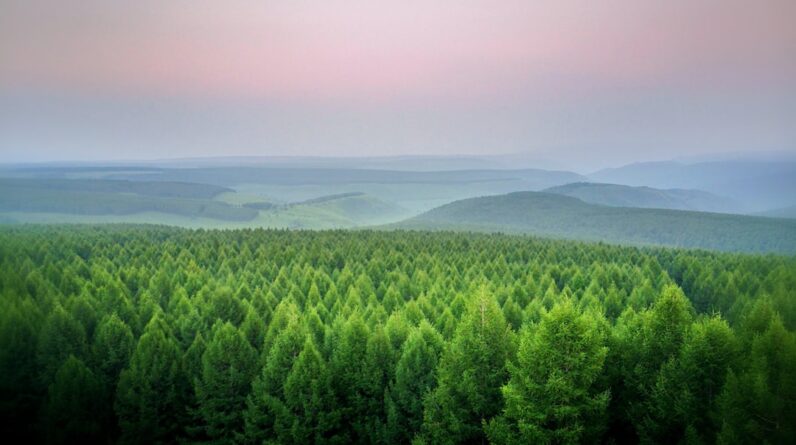
Reforestation plays a crucial role in maintaining the ecological balance of our planet. As you may know, forests are often referred to as the lungs of the Earth, absorbing carbon dioxide and releasing oxygen. This natural process is vital for sustaining life, and when forests are depleted, the consequences can be dire.
Deforestation, driven by agriculture, urbanization, and logging, has led to significant loss of biodiversity and disruption of ecosystems. By engaging in reforestation efforts, you contribute to restoring these vital habitats, ensuring that wildlife has a place to thrive and that the delicate balance of nature is preserved. Moreover, reforestation is essential for combating soil erosion and maintaining water quality.
Trees play a significant role in stabilizing the soil with their root systems, preventing landslides and reducing sediment runoff into rivers and streams. When you participate in reforestation projects, you help to protect watersheds and improve the quality of water available for both human consumption and wildlife. This not only benefits the environment but also supports local communities that rely on clean water sources for their livelihoods.
In essence, reforestation is not just about planting trees; it is about nurturing the very foundation of life on Earth.
Key Takeaways
- Reforestation is crucial for restoring ecosystems, combating climate change, and preserving biodiversity.
- Reforestation provides numerous benefits such as carbon sequestration, soil conservation, and habitat restoration for wildlife.
- Challenges of reforestation include deforestation, land degradation, and lack of funding and resources.
- Successful reforestation initiatives involve community involvement, sustainable land management, and government support.
- Reforestation plays a vital role in mitigating climate change by absorbing carbon dioxide and reducing greenhouse gas emissions.
The Benefits of Reforestation
The benefits of reforestation extend far beyond environmental restoration; they also encompass economic and social advantages. When you engage in reforestation efforts, you contribute to job creation in local communities. The process of planting and maintaining trees requires manpower, which can lead to employment opportunities in areas that may otherwise struggle economically.
This not only helps individuals support their families but also fosters a sense of community as people come together for a common cause. By investing in reforestation, you are also investing in the future of these communities. Additionally, reforestation can have a positive impact on local economies through ecotourism.
As forests are restored, they become attractive destinations for tourists seeking to experience nature. This influx of visitors can provide a significant boost to local businesses, from hotels to restaurants, creating a sustainable economic model that relies on the preservation of natural resources rather than their exploitation. When you support reforestation initiatives, you are not only helping the environment but also contributing to the economic resilience of communities that depend on healthy ecosystems.
Challenges of Reforestation

Despite its numerous benefits, reforestation is not without its challenges. One significant hurdle is the availability of suitable land for planting new trees. In many regions, urban expansion and agricultural development have left little room for reforestation efforts.
As you consider participating in these initiatives, it is essential to recognize that finding appropriate locations for planting can be a complex process that requires careful planning and collaboration with local stakeholders. Another challenge lies in ensuring the survival and growth of newly planted trees. Many reforestation projects face high mortality rates due to factors such as pests, diseases, and adverse weather conditions.
As someone interested in contributing to reforestation, it is vital to understand that simply planting trees is not enough; ongoing maintenance and monitoring are necessary to ensure their long-term success. This may involve protecting young saplings from herbivores or providing supplemental water during dry spells. By being aware of these challenges, you can better prepare yourself to engage in effective reforestation efforts.
Successful Reforestation Initiatives
Around the world, there are numerous successful reforestation initiatives that serve as inspiring examples of what can be achieved when communities come together for a common goal. One notable project is the Bonn Challenge, which aims to restore 150 million hectares of deforested and degraded land by 2020. This global effort has garnered support from various countries and organizations, demonstrating that collective action can lead to significant progress in reforestation.
Another remarkable initiative is the Green Belt Movement in Kenya, founded by Nobel laureate Wangari Maathai. This grassroots organization focuses on empowering women through tree planting and environmental conservation. By engaging local communities in reforestation efforts, the Green Belt Movement has successfully planted over 51 million trees since its inception in 1977.
As you learn about these successful initiatives, you may find inspiration to get involved in similar projects or even start your own efforts in your local area.
Reforestation and Climate Change
Reforestation is increasingly recognized as a vital strategy in the fight against climate change. As you may know, forests act as carbon sinks, absorbing carbon dioxide from the atmosphere and helping to mitigate the effects of global warming. By restoring degraded forests and planting new trees, you can play a part in reducing greenhouse gas emissions and promoting a healthier planet.
Furthermore, reforestation can enhance resilience against climate change impacts. Healthy forests provide essential ecosystem services such as regulating water cycles and maintaining soil health. When you support reforestation efforts, you contribute to building ecosystems that are better equipped to withstand extreme weather events like floods and droughts.
This not only benefits the environment but also protects vulnerable communities that are often disproportionately affected by climate change.
The Role of Technology in Reforestation

In recent years, technology has emerged as a powerful ally in reforestation efforts. Innovations such as drone technology have revolutionized how trees are planted and monitored. Drones can efficiently survey large areas of land, identifying suitable locations for planting while also assessing the health of existing forests.
As someone interested in reforestation, you may find it fascinating how these advancements can streamline the process and enhance the effectiveness of restoration projects. Moreover, technology has enabled better data collection and analysis regarding forest health and growth patterns. Remote sensing tools allow researchers to monitor changes in forest cover over time, providing valuable insights into the success of reforestation initiatives.
By leveraging these technological advancements, you can contribute to more informed decision-making processes that lead to more effective reforestation strategies.
How Individuals Can Contribute to Reforestation
As an individual, there are numerous ways you can contribute to reforestation efforts in your community and beyond. One of the simplest yet most impactful actions is participating in local tree-planting events or organizing your own initiatives. Many organizations host community tree-planting days where volunteers come together to plant saplings in designated areas.
By joining these efforts, you not only help restore ecosystems but also inspire others to take action. Additionally, consider supporting organizations dedicated to reforestation through donations or fundraising efforts. Many non-profits focus on planting trees in deforested areas or restoring degraded landscapes.
Your financial contributions can help fund these vital projects and ensure their long-term success. Furthermore, spreading awareness about the importance of reforestation through social media or community events can inspire others to get involved as well.
The Future of Reforestation
Looking ahead, the future of reforestation holds great promise as awareness about environmental issues continues to grow. With increasing recognition of the importance of forests in combating climate change and preserving biodiversity, more individuals and organizations are likely to engage in reforestation efforts. As you consider your role in this movement, remember that every action counts—whether it’s planting a single tree or supporting larger initiatives.
Moreover, as technology continues to advance, we can expect even more innovative solutions to emerge that will enhance reforestation efforts worldwide. From genetic engineering of trees for better resilience against pests and diseases to improved monitoring systems using artificial intelligence, the possibilities are endless. By staying informed and actively participating in these developments, you can help shape a future where reforestation becomes an integral part of global sustainability efforts.
In conclusion, reforestation is not just an environmental necessity; it is a multifaceted approach that offers economic benefits, combats climate change, and fosters community engagement. As you reflect on your role in this vital movement, consider how your actions can contribute to a healthier planet for future generations. Whether through direct involvement or supporting organizations dedicated to this cause, your efforts can make a significant difference in restoring our world’s forests and ensuring a sustainable future for all living beings.
If you are interested in learning more about the advantages of planting trees for climate change, check out this insightful article here. It discusses how reforestation can help combat climate change and improve air quality. Additionally, if you want to understand the devastating effects of forest burning on trees and animals, read this article here. It highlights the importance of preventing wildfires and protecting our precious ecosystems. Lastly, for a different perspective on tree planting, explore this article