Have you ever wondered how your everyday actions might be connected to the warming planet? The reality is, they’re more intertwined than you might think, particularly when it comes to how we treat our forests. In this article, we’ll explore the significant link between deforestation and global warming.
What is Global Warming?
Global warming refers to the Earth’s rising temperatures due to an increase in greenhouse gases like carbon dioxide, methane, and nitrous oxide. These gases trap heat in the atmosphere, creating a “greenhouse effect.” While some level of greenhouse gases is essential for life, human activities such as burning fossil fuels and deforestation have significantly increased their concentration.
The Greenhouse Effect
The greenhouse effect is crucial for maintaining Earth’s temperature. However, when excessive greenhouse gases accumulate, they trap more heat than necessary, leading to global warming.
- Carbon Dioxide (CO2): Emitted by burning fossil fuels, deforestation, and various industrial processes.
- Methane (CH4): Released during the production and transport of coal, oil, and natural gas.
- Nitrous Oxide (N2O): Emitted from agricultural activities, like the use of synthetic fertilizers.
Understanding Deforestation
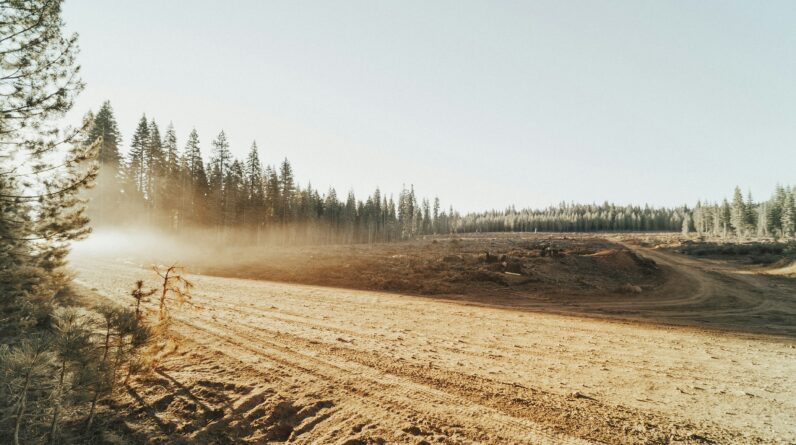
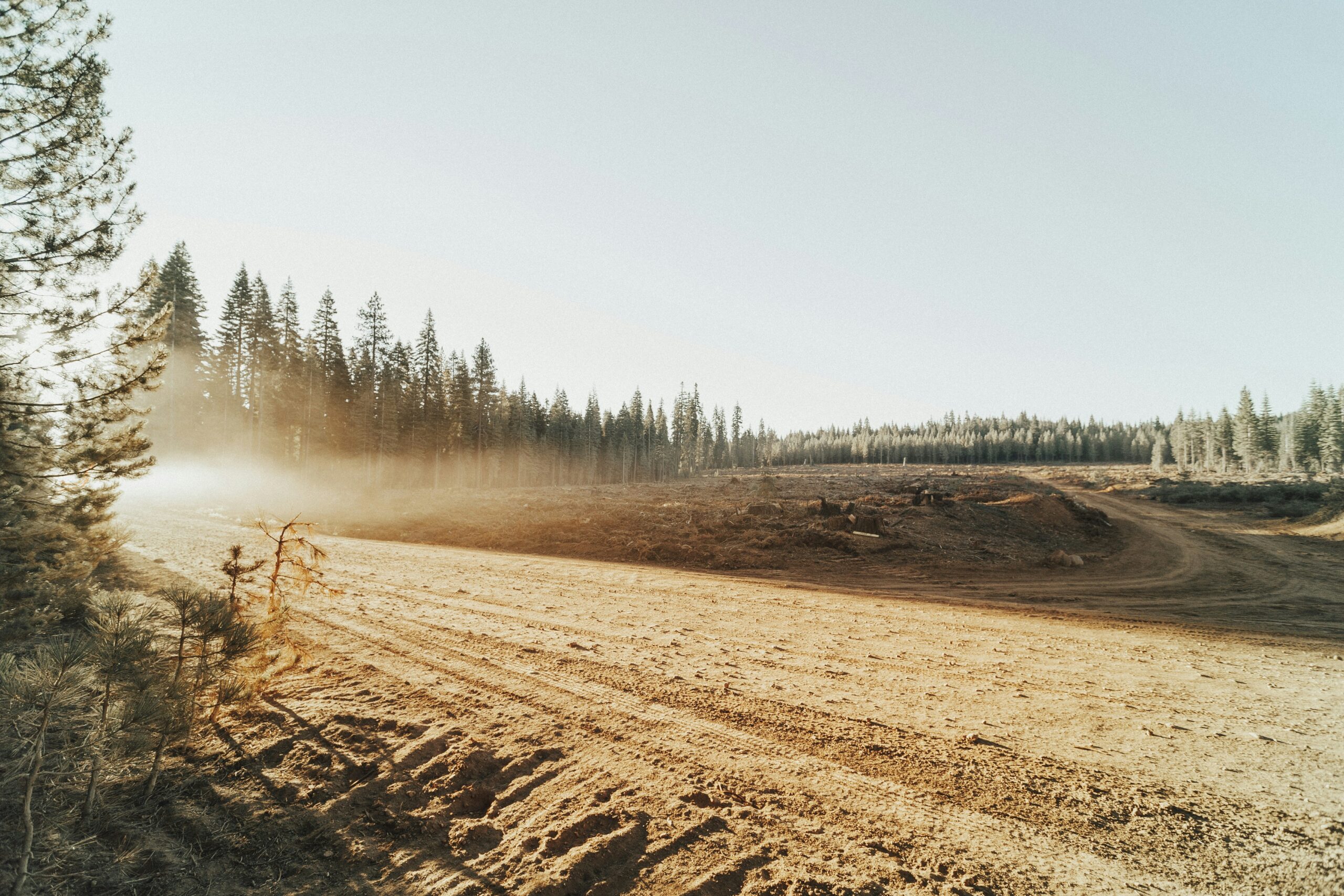
Deforestation is the large-scale removal of forests, which often results in severe environmental consequences. While forests can be cut down for wood, agriculture, and urbanization, the loss of trees significantly impacts the planet.
Reasons Behind Deforestation
Understanding why deforestation occurs can help identify how it contributes to global warming:
- Agricultural Expansion: Forests are cleared to make way for plantations and farms.
- Logging: Trees are cut down for timber and paper products.
- Urbanization: Forest land is converted into cities and infrastructure.
Immediate Effects of Deforestation
When forests are cut down, the immediate effects are felt both locally and globally:
- Loss of Biodiversity: Many species lose their habitats.
- Soil Erosion: Without trees, soil quality deteriorates.
- Water Cycle Disruption: Trees play a vital role in maintaining the water cycle, affecting climate patterns.
How Deforestation Contributes to Global Warming
The connection between deforestation and global warming is primarily due to the release of stored carbon into the atmosphere. Let’s break down how this happens.
Carbon Storage and Release
Trees absorb CO2 during photosynthesis, storing carbon in their biomass. When trees are cut or burned, this carbon is released into the atmosphere.
- Carbon Sink: Forests act as carbon sinks, absorbing more CO2 than they emit.
- Release Post-Deforestation: When trees are removed or burned, the stored carbon is released, increasing atmospheric CO2 levels.
Tables for Clarity
| Factor | Impact on Global Warming |
|---|---|
| Carbon Storage | Trees store carbon, reducing atmospheric CO2 |
| Carbon Release | Deforestation releases stored carbon, increasing CO2 levels |
| Loss of Carbon Sink | Fewer trees mean less CO2 absorption |
Cascading Effects
Deforestation doesn’t just stop at carbon release; it sets off a series of environmental changes that further contribute to global warming:
- Increased Greenhouse Gases: More CO2 in the atmosphere enhances the greenhouse effect.
- Albedo Effect: Forests reflect less sunlight compared to deforested areas, causing more heat absorption.
- Climate Feedback Loops: Warming leads to more soil carbon release, intensifying the greenhouse effect.
The Impact on Climate Patterns
Forests play a crucial role in climate regulation. By altering the land cover, deforestation affects weather patterns, precipitation, and temperature.
Regional Climate Changes
Deforestation can lead to local climate alterations that may have significant impacts:
- Temperature Increases: Loss of tree cover can lead to higher ground temperatures.
- Altered Rainfall Patterns: Reduced evapotranspiration modifies precipitation patterns.
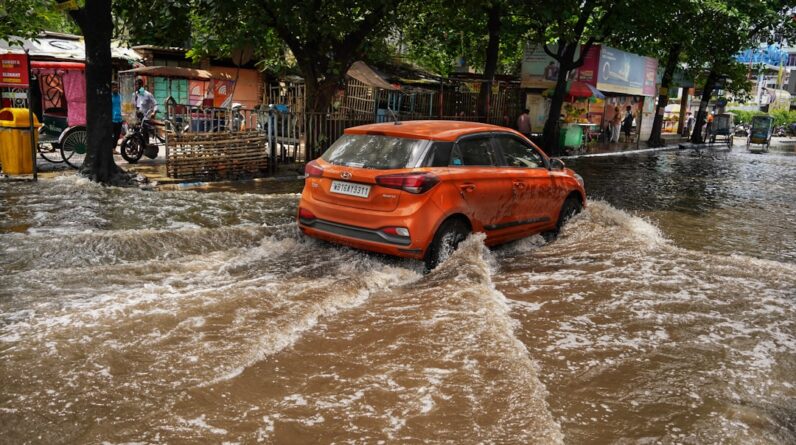
- Extreme Weather Events: The likelihood of events like floods and droughts increases.
Global Climate Implications
While the regional impacts are severe, deforestation contributes globally to:
- Global Temperature Rise: Accelerated warming due to additional greenhouse gases.
- Ocean Acidification: Higher CO2 levels lead to more acidic oceans, affecting marine life.
- Rising Sea Levels: Melting ice caps and expanding seawater can lead to higher sea levels.
Mitigation and Solutions
Knowing the problem is just the first step; tackling deforestation and its impacts requires concerted global efforts. Here are some possible solutions.
Effective Policies and Regulations
Governments and international bodies play a crucial role in:
- Sustainable Forest Management: Implementing practices that balance the need for forest resources with conservation.
- Protected Areas: Establishing regions where deforestation is strictly prohibited.
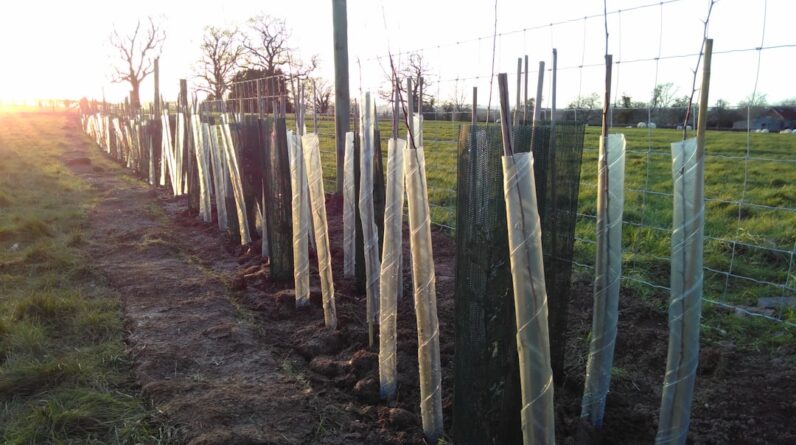
- Reforestation and Afforestation: Encouraging the planting of new trees.
Community and Individual Actions
Small actions by individuals and communities can collectively make a big difference:
- Conscious Consumption: Opt for products sourced from sustainable practices.
- Support for Conservation Organizations: Donate to or volunteer with organizations working to protect forests.
- Educating and Advocating: Raise awareness about the importance of forests and the impact of deforestation.
Role of Technology
In today’s digital age, technology can be a powerful ally in combating deforestation and its impact on global warming.
- Satellite Monitoring: Using satellites to track and monitor deforestation in real-time.
- Data Analytics: Leveraging big data to understand patterns and predict areas at risk.
- Blockchain for Transparency: Implementing blockchain to ensure transparency in logging activities.
Innovative Technologies
| Technology | Application |
|---|---|
| Satellite Monitoring | Real-time tracking of forest cover changes |
| Data Analytics | Predicting deforestation risks and patterns |
| Blockchain | Ensuring logging activities are transparent and ethical |

Case Studies
Sometimes, understanding specific examples can make abstract concepts more relatable. Let’s look at some case studies that highlight the impact of deforestation on global warming.
The Amazon Rainforest
Often called the “lungs of the Earth,” the Amazon Rainforest has been subject to significant deforestation:
- CO2 Emissions: The Amazon acts as a significant carbon sink, and its deforestation releases vast amounts of CO2.
- Biodiversity Loss: Many species are at risk due to habitat destruction.
- Climate Regulation: The Amazon influences weather patterns far beyond South America.
Indonesia’s Forests
Indonesia faces a critical deforestation issue primarily driven by palm oil plantations:
- Peatland Degradation: Draining peatlands for plantations releases stored carbon.
- Emissions: These activities contribute significantly to global CO2 emissions.
- Wildlife Extinction: Iconic species like orangutans are threatened.
Future Perspectives
The threat deforestation poses to global warming necessitates that future strategies be forward-thinking and globally coordinated.
Sustainable Development Goals (SDGs)
The United Nations’ SDGs include targets for:
- Responsible Consumption: Promoting sustainable management of forests.
- Climate Action: Urging countries to take decisive steps against climate change.
Global Cooperation
Combatting deforestation and global warming requires countries to:
- Share Knowledge: Collaborate on best practices and technologies.
- Fund Conservation: Support financially weaker nations in forest conservation efforts.
- Enforce International Agreements: Adhere to treaties and conventions focused on climate and biodiversity.

Conclusion
The link between deforestation and global warming is clear and pressing. While the challenges are immense, the solutions are within reach. By understanding the issues and taking comprehensive actions—both large and small—we can mitigate deforestation’s impact on our climate. You hold power through your choices and advocacy; together, we can make a difference for the planet and future generations.
Take Action Today
You can make a meaningful contribution by:
- Reducing Your Carbon Footprint: Make environmentally friendly choices.
- Spreading Awareness: Inform others about the importance of forests.
- Supporting Reforestation Projects: Participate in or fund tree-planting initiatives.
Your efforts, combined with those of others, can foster a more sustainable and cooler planet. It’s about making conscious decisions today to ensure a better tomorrow.