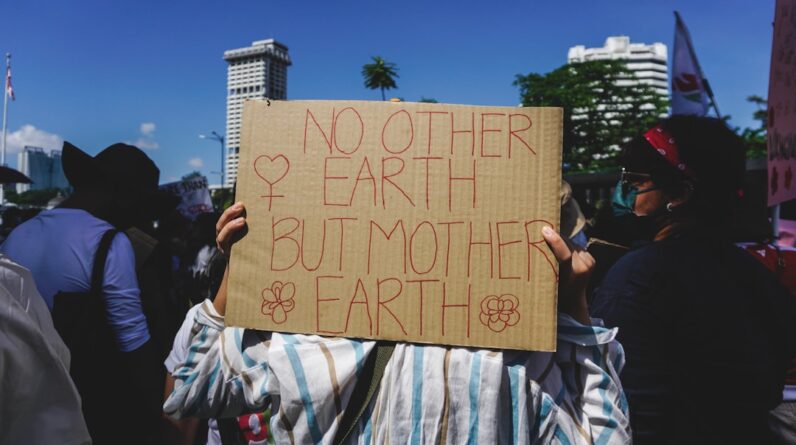
Understanding the psychology behind climate change denial is crucial for addressing the issue effectively. You may find it surprising that many individuals, despite overwhelming scientific evidence, choose to reject the reality of climate change. This denial often stems from a complex interplay of cognitive biases, emotional responses, and social influences.
For instance, when faced with the daunting implications of climate change, you might experience feelings of fear or helplessness. To cope with these emotions, some individuals resort to denial as a defense mechanism, allowing them to maintain a sense of normalcy in their lives. Moreover, social identity plays a significant role in climate change denial.
You may align your beliefs with those of your community or social group, leading to a reluctance to accept information that contradicts the prevailing views around you. This phenomenon is known as groupthink, where the desire for harmony and conformity within a group can suppress dissenting opinions. As a result, you might find yourself dismissing credible scientific data simply because it conflicts with the beliefs held by your peers or family.
Understanding these psychological barriers is essential for fostering open dialogue and encouraging acceptance of climate science.
Key Takeaways
- Climate change denial is often rooted in psychological factors such as fear, uncertainty, and identity protection.
- Overcoming cognitive dissonance requires acknowledging the reality of climate change and taking action to align beliefs with behaviors.
- Communicating the urgency of climate change requires framing the issue in a way that resonates with people’s values and emotions.
- Education and awareness play a crucial role in empowering individuals to understand and address the impacts of climate change.
- Mobilizing communities for climate action involves fostering a sense of collective responsibility and providing opportunities for meaningful engagement.
Overcoming Cognitive Dissonance
Cognitive dissonance occurs when your beliefs and actions are in conflict, leading to discomfort and a desire to resolve that tension. In the context of climate change, you may recognize the need for action but simultaneously engage in behaviors that contribute to environmental degradation. This dissonance can be unsettling, prompting you to either change your behavior or rationalize your actions.
To overcome this internal conflict, it is vital to acknowledge the dissonance and actively seek ways to align your beliefs with your actions. One effective strategy for overcoming cognitive dissonance is to engage in small, manageable changes that reflect your commitment to combating climate change. For instance, you might start by reducing your plastic consumption or using public transportation more frequently.
These incremental changes can help bridge the gap between your beliefs and actions, making it easier for you to embrace a more sustainable lifestyle. Additionally, surrounding yourself with like-minded individuals can reinforce your commitment and provide support as you navigate this journey toward greater environmental responsibility.
Communicating the Urgency of Climate Change

Effectively communicating the urgency of climate change is essential for mobilizing action and fostering a collective response. You may find that simply presenting facts and figures about rising temperatures or melting ice caps is not enough to inspire meaningful change. Instead, it is crucial to frame the conversation in a way that resonates with people’s values and emotions.
By sharing personal stories or highlighting local impacts, you can create a sense of urgency that compels others to take action. Moreover, utilizing various communication channels can enhance your message’s reach and effectiveness. Social media platforms, community events, and educational workshops are all valuable tools for spreading awareness about climate change.
You might consider collaborating with local organizations or influencers who share your passion for environmental issues. By amplifying your message through diverse channels, you can engage a broader audience and encourage more individuals to recognize the urgency of addressing climate change.
The Role of Education and Awareness
Education plays a pivotal role in shaping public understanding of climate change and its implications. You may have encountered various educational initiatives aimed at raising awareness about environmental issues, but their effectiveness often hinges on how they are presented. Engaging curricula that incorporate hands-on activities, real-world examples, and critical thinking exercises can foster a deeper understanding of climate science among students.
By promoting environmental literacy, you empower individuals to make informed decisions about their actions and advocate for sustainable practices. Furthermore, raising awareness extends beyond formal education settings. Community workshops, public lectures, and online resources can provide valuable information to individuals of all ages.
You might consider organizing or participating in local events that focus on climate education, allowing you to share knowledge and inspire others to take action. By fostering a culture of awareness and understanding, you contribute to a more informed society that is better equipped to tackle the challenges posed by climate change.
Mobilizing Communities for Climate Action
Mobilizing communities for climate action requires collaboration and collective effort. You may recognize that individual actions alone are insufficient to address the scale of the climate crisis; therefore, fostering a sense of community is essential. Building networks of like-minded individuals can create a powerful force for change.
You might consider organizing local clean-up events, tree-planting initiatives, or educational workshops that bring people together around a common goal. In addition to grassroots efforts, engaging with local leaders and organizations can amplify your impact. You may find that partnering with schools, businesses, or non-profits can provide additional resources and support for your initiatives.
By working together, you can create a unified front that advocates for sustainable practices and policies within your community. Mobilizing communities not only enhances collective action but also fosters a sense of belonging and shared responsibility for the environment.
The Power of Personal Responsibility
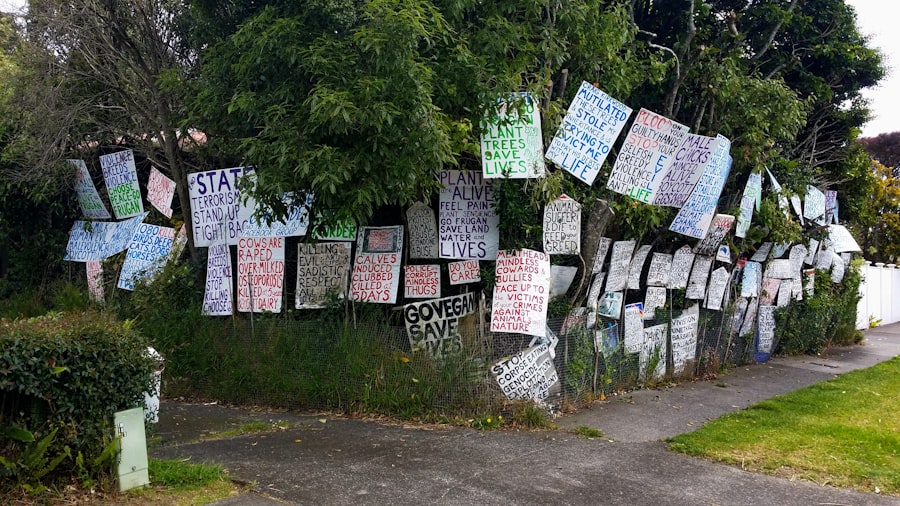
Embracing personal responsibility is a crucial aspect of addressing climate change effectively. You may feel overwhelmed by the enormity of the issue, but recognizing that your individual actions matter can empower you to make meaningful changes. Simple lifestyle adjustments—such as reducing energy consumption, supporting local businesses, or adopting a plant-based diet—can collectively contribute to a more sustainable future.
By taking ownership of your choices, you inspire others to do the same. Moreover, sharing your journey toward sustainability can have a ripple effect within your social circles. When you demonstrate commitment to environmentally friendly practices, you encourage friends and family to reflect on their own habits.
You might find that conversations about sustainability become more frequent as you lead by example. This shared responsibility fosters a culture of accountability and encourages others to consider their impact on the planet.
Policy Changes and Government Action
While individual actions are important, systemic change through policy is essential for addressing climate change on a larger scale. You may recognize that government action plays a pivotal role in shaping environmental regulations and promoting sustainable practices. Advocating for policies that prioritize renewable energy, carbon emissions reduction, and conservation efforts is crucial for creating lasting change.
Engaging with local representatives and participating in advocacy campaigns can amplify your voice in the political arena. Additionally, supporting organizations that focus on environmental policy can enhance your impact. You might consider joining forces with groups that lobby for climate-friendly legislation or participate in campaigns aimed at raising awareness about the importance of government action on climate issues.
By holding policymakers accountable and demanding action on climate change, you contribute to a collective effort that seeks to create a more sustainable future for all.
Building a Sustainable Future
Ultimately, building a sustainable future requires collaboration across all levels of society—individuals, communities, governments, and organizations must work together toward common goals. You may envision a world where clean energy sources power our homes and transportation systems are efficient and eco-friendly. Achieving this vision necessitates commitment from everyone involved; it requires innovative solutions and a willingness to adapt our lifestyles for the sake of future generations.
As you reflect on your role in this journey toward sustainability, consider how you can contribute to creating lasting change within your community and beyond. Whether through education, advocacy, or personal responsibility, every action counts in the fight against climate change. By fostering awareness and mobilizing collective efforts, you can help pave the way for a healthier planet—one where future generations can thrive in harmony with nature.
Together, we have the power to build a sustainable future that prioritizes both people and the planet.
A related article to “From Denial to Action: Changing Minds on Climate Change” is How Can Trees Save the Earth from Global Warming?. This article discusses the important role that trees play in combating climate change and how planting more trees can help reduce carbon dioxide levels in the atmosphere. By highlighting the benefits of trees in fighting global warming, this article complements the message of taking action to address climate change in the original piece.
FAQs
What is climate change denial?
Climate change denial refers to the rejection or downplaying of the scientific consensus on the reality and causes of climate change. It often involves the spread of misinformation and the questioning of established scientific evidence.
What are the common reasons for climate change denial?
Some common reasons for climate change denial include political ideology, economic interests, distrust of scientific institutions, and the fear of potential policy implications.
How can minds be changed on climate change?
Minds can be changed on climate change through education, communication of accurate information, highlighting the real-world impacts of climate change, and promoting solutions that are aligned with individual and community values.
What are the potential consequences of climate change denial?
The potential consequences of climate change denial include delayed action on mitigating climate change, exacerbation of its impacts, and the squandering of opportunities to transition to a more sustainable and resilient future.
What role can individuals play in addressing climate change denial?
Individuals can play a role in addressing climate change denial by staying informed, engaging in constructive conversations, supporting policies and initiatives that address climate change, and reducing their own carbon footprint.