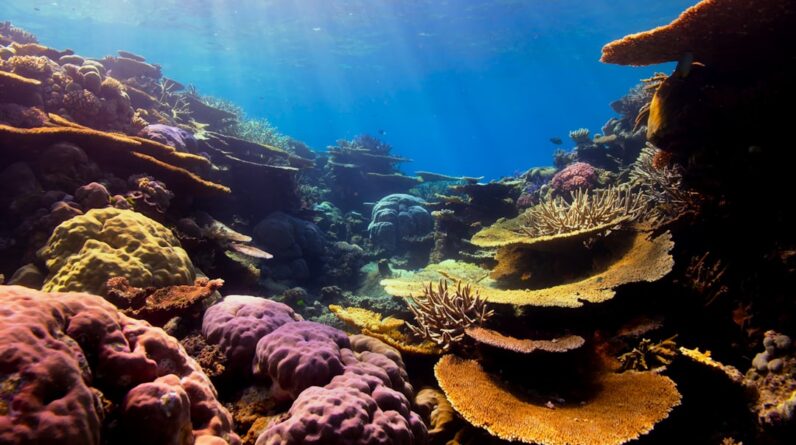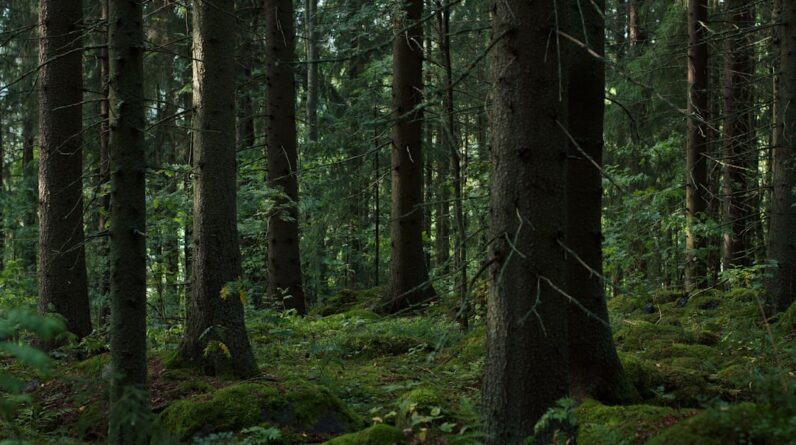
Reforestation is a critical process that involves replanting trees in areas where forests have been depleted. You may not realize it, but the significance of reforestation extends far beyond simply restoring tree cover. It plays a vital role in combating climate change, preserving biodiversity, and maintaining the health of our planet’s ecosystems.
As you consider the implications of deforestation, it becomes clear that reforestation is not just an environmental necessity; it is a moral imperative for future generations. When you think about the benefits of reforestation, consider how it contributes to soil health, water quality, and air purification. Trees act as natural filters, absorbing pollutants and releasing oxygen, which is essential for life.
By reintroducing trees into degraded landscapes, you help restore the balance of nature, allowing ecosystems to thrive once more. This restoration process is not merely about planting trees; it is about revitalizing entire ecosystems and ensuring that they can continue to provide essential services for both wildlife and human populations.
Key Takeaways
- Reforestation is crucial for restoring and maintaining healthy ecosystems and habitats.
- Deforestation has a significant negative impact on ecosystems and habitats, leading to loss of biodiversity and disruption of natural processes.
- Reforestation plays a key role in restoring biodiversity by providing habitats for various species and promoting ecological balance.
- Reforestation is an effective method for carbon sequestration, helping to mitigate the effects of climate change.
- Implementing best practices and community involvement are essential for successful reforestation projects and ensuring long-term impact on global ecosystems.
The Impact of Deforestation on Ecosystems and Habitats
Deforestation has far-reaching consequences that extend well beyond the immediate loss of trees. When you witness the clearing of forests, you are witnessing the destruction of complex ecosystems that have evolved over millennia. The removal of trees disrupts habitats, leading to the displacement of countless species.
You may find it alarming to know that deforestation is one of the leading causes of biodiversity loss, as many plants and animals depend on forested areas for their survival. Moreover, deforestation contributes to soil erosion and degradation. Without tree roots to anchor the soil, heavy rains can wash away topsoil, leading to decreased fertility and increased sedimentation in rivers and streams.
This not only affects plant life but also impacts aquatic ecosystems, as sediment can smother fish habitats and disrupt food chains. As you reflect on these consequences, it becomes evident that deforestation poses a significant threat to the delicate balance of nature, making reforestation efforts all the more crucial.
How Reforestation Helps Restore Biodiversity
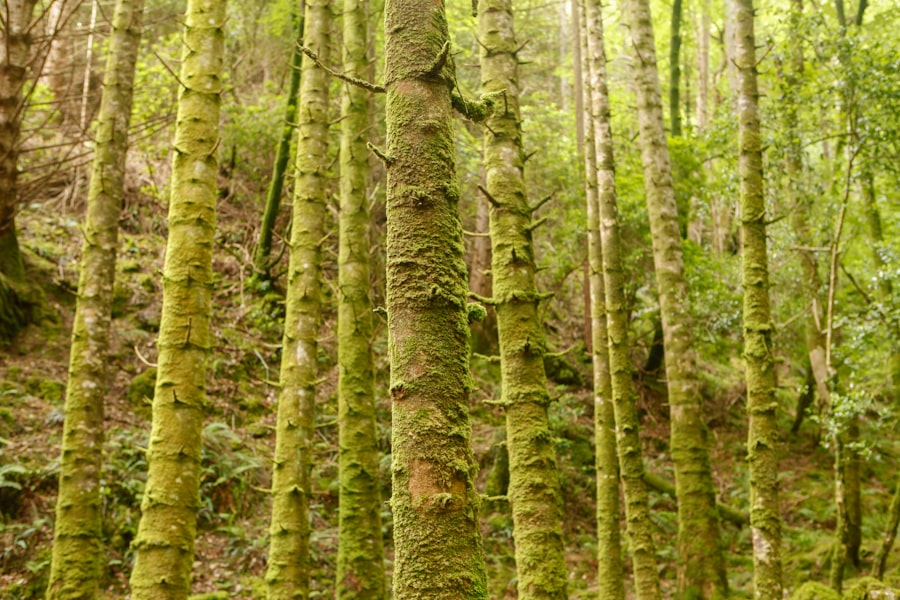
Reforestation serves as a powerful tool for restoring biodiversity in areas that have been ravaged by deforestation. When you engage in reforestation efforts, you are not just planting trees; you are creating habitats for a multitude of species. Diverse plant life attracts various animals, insects, and microorganisms, fostering a rich tapestry of life that can flourish once again.
By reintroducing native species, you help restore the ecological balance that has been disrupted by human activity. In addition to providing habitat, reforestation can also enhance genetic diversity within ecosystems. When you plant a variety of tree species, you create a more resilient environment capable of withstanding diseases and climate fluctuations.
This genetic diversity is essential for the long-term health of ecosystems, as it allows species to adapt and thrive in changing conditions. As you consider the importance of biodiversity, remember that reforestation is a proactive step toward ensuring the survival of countless species and the overall health of our planet.
The Role of Reforestation in Carbon Sequestration
One of the most pressing challenges facing humanity today is climate change, and reforestation plays a pivotal role in addressing this issue through carbon sequestration. Trees absorb carbon dioxide from the atmosphere during photosynthesis, storing carbon in their biomass and releasing oxygen as a byproduct. When you participate in reforestation initiatives, you are directly contributing to the reduction of greenhouse gases in the atmosphere.
The potential impact of reforestation on carbon sequestration is immense. Studies have shown that restoring forests can sequester billions of tons of carbon dioxide over time. As you consider your own carbon footprint, think about how supporting reforestation projects can help mitigate climate change on a global scale.
By investing in tree planting and forest restoration efforts, you are not only helping to combat climate change but also promoting a healthier planet for future generations.
Reforestation Techniques and Best Practices
To maximize the effectiveness of reforestation efforts, it is essential to employ appropriate techniques and best practices. You may be surprised to learn that successful reforestation goes beyond simply planting trees; it requires careful planning and consideration of local ecosystems. One effective technique is selecting native tree species that are well-adapted to the local environment.
By choosing native species, you ensure that the trees will thrive and support local wildlife. Another important aspect of reforestation is understanding the landscape’s hydrology and soil conditions. You should assess factors such as soil type, moisture levels, and sunlight exposure before planting.
Implementing techniques like agroforestry—integrating trees with agricultural practices—can also enhance biodiversity while providing economic benefits to local communities. As you explore these techniques, remember that successful reforestation requires collaboration with local stakeholders and ongoing maintenance to ensure the long-term health of newly planted forests.
Case Studies of Successful Reforestation Projects
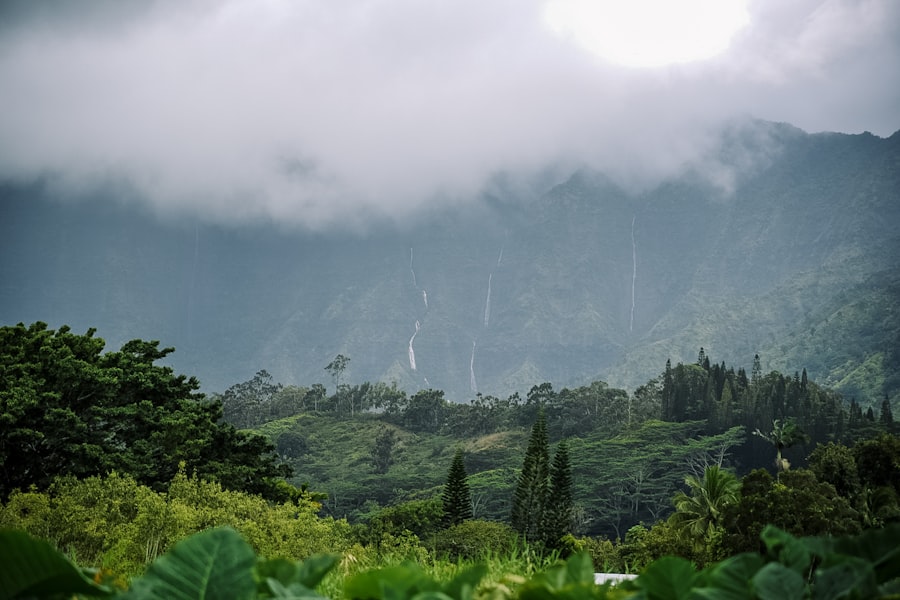
Examining successful case studies can provide valuable insights into effective reforestation strategies. One notable example is the Bonn Challenge, an international effort aimed at restoring 150 million hectares of deforested and degraded land by 2020. You may find it inspiring to learn how countries like Rwanda have embraced this challenge by implementing large-scale reforestation projects that have transformed landscapes and improved livelihoods.
In Rwanda, community involvement has been key to the success of these initiatives. Local residents have taken an active role in tree planting and forest management, fostering a sense of ownership over their natural resources. As you reflect on these success stories, consider how similar approaches could be applied in your own community or region to promote sustainable reforestation efforts.
Community Involvement in Reforestation Efforts
Community involvement is crucial for the success of reforestation projects. When local communities are engaged in tree planting initiatives, they are more likely to take ownership of the process and ensure its sustainability. You may be surprised by how much impact grassroots movements can have on reforestation efforts.
By organizing community events focused on tree planting and education about environmental stewardship, you can foster a sense of responsibility toward local ecosystems. Moreover, involving communities in reforestation can provide economic benefits as well. You might consider how agroforestry practices can create new income streams for local farmers while simultaneously restoring degraded land.
By integrating trees into agricultural systems, communities can enhance their resilience against climate change while improving food security. As you think about your role in supporting community-driven reforestation efforts, remember that collaboration and education are key components for long-term success.
The Future of Reforestation and Its Potential Impact on Global Ecosystems
Looking ahead, the future of reforestation holds immense potential for transforming global ecosystems. As awareness about climate change and biodiversity loss continues to grow, more individuals and organizations are recognizing the importance of restoring forests. You may find it encouraging to see governments committing to ambitious reforestation targets as part of their climate action plans.
The potential impact of widespread reforestation is profound. By restoring forests on a global scale, we can enhance carbon sequestration efforts, protect biodiversity, and improve ecosystem services such as clean water and air quality. As you consider your own role in this movement, remember that every small action counts—whether it’s supporting local tree-planting initiatives or advocating for policies that prioritize forest restoration.
Together, we can create a healthier planet for ourselves and future generations through dedicated reforestation efforts.
If you are interested in learning more about the impact of tree planting on preventing floods, check out the article Preventing Floods by Massive Tree Planting. This article discusses how reforestation efforts can help mitigate the risk of flooding by improving soil stability and water retention. It further highlights the importance of planting trees in flood-prone areas to protect communities and ecosystems from the devastating effects of floods.
FAQs
What is reforestation?
Reforestation is the process of planting trees in areas where forests have been depleted or destroyed, with the goal of restoring the ecological balance and biodiversity of the area.
How does reforestation revive degraded ecosystems and habitats?
Reforestation helps revive degraded ecosystems and habitats by restoring the natural vegetation, which in turn provides habitat and food for wildlife, improves soil quality, regulates water cycles, and reduces erosion.
What are the benefits of reforestation?
Reforestation has numerous benefits, including mitigating climate change by absorbing carbon dioxide, providing habitat for wildlife, improving air and water quality, and supporting local communities through sustainable resource management.
Where does reforestation take place?
Reforestation can take place in a variety of locations, including deforested areas, degraded landscapes, urban areas, and along riverbanks and coastlines.
What are some reforestation techniques?
Reforestation techniques include planting trees, using seed bombs, natural regeneration, and agroforestry, which involves integrating trees into agricultural landscapes. Each technique is chosen based on the specific needs and conditions of the area.