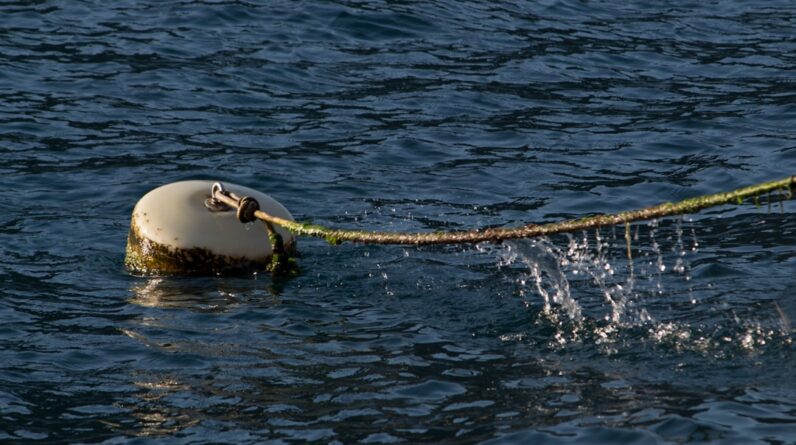
In recent years, the advent of smart technology has revolutionized various sectors, and the marine environment is no exception. Smart buoys, equipped with advanced sensors and Internet of Things (IoT) capabilities, have emerged as pivotal tools for monitoring ocean conditions. These floating devices are not just ordinary buoys; they are sophisticated instruments that collect real-time data about various oceanic parameters, including temperature, salinity, and, crucially, oxygen levels.
As you delve into the world of smart buoys, you will discover how they are transforming our understanding of marine ecosystems and contributing to environmental conservation efforts. The integration of IoT technology into marine monitoring systems has opened up new avenues for research and data collection. By connecting smart buoys to the internet, researchers can access real-time information from remote locations, enabling them to make informed decisions quickly.
This connectivity allows for a more comprehensive understanding of ocean health and the factors affecting it. As you explore this topic further, you will see how these innovations are not only enhancing scientific research but also fostering greater public awareness about the importance of ocean conservation.
Key Takeaways
- Smart buoys and IoT technology are revolutionizing the way we monitor ocean oxygen levels, providing real-time data and insights.
- Monitoring ocean oxygen levels is crucial for understanding and addressing issues such as ocean acidification, harmful algal blooms, and marine life health.
- Smart buoys use sensors and IoT technology to collect and transmit data on ocean oxygen levels, temperature, and other environmental factors.
- Advantages of using smart buoys for ocean oxygen monitoring include cost-effectiveness, real-time data collection, and remote monitoring capabilities.
- Current challenges and limitations of smart buoys include maintenance, data accuracy, and the need for standardization, but ongoing developments show promise for the future.
The Importance of Monitoring Ocean Oxygen Levels
Oxygen levels in the ocean are critical for maintaining healthy marine ecosystems. They play a vital role in supporting diverse marine life, from the smallest plankton to the largest whales. When oxygen levels drop, a phenomenon known as hypoxia occurs, leading to dead zones where aquatic life cannot survive.
Monitoring these oxygen levels is essential for understanding the health of our oceans and predicting potential ecological crises. As you consider the implications of declining oxygen levels, it becomes clear that proactive measures are necessary to safeguard marine biodiversity. The significance of monitoring ocean oxygen levels extends beyond ecological concerns; it also has profound implications for human activities.
Fisheries, tourism, and coastal communities all depend on healthy oceans. When oxygen levels fluctuate dramatically, it can disrupt fish populations and impact local economies reliant on fishing and tourism. By keeping a close eye on these levels through smart buoys, you can contribute to efforts aimed at preserving both marine life and the livelihoods of those who depend on it.
How Smart Buoys and IoT Technology Work

Smart buoys are equipped with an array of sensors that measure various environmental parameters, including temperature, salinity, and dissolved oxygen levels. These sensors continuously collect data, which is then transmitted via wireless networks to centralized databases for analysis. The integration of IoT technology allows these buoys to communicate with each other and with researchers onshore, creating a network of information that enhances our understanding of ocean dynamics.
As you learn more about this technology, you will appreciate how it enables real-time monitoring and rapid response to changing conditions. The data collected by smart buoys is invaluable for researchers and policymakers alike. By analyzing trends in oxygen levels and other parameters, scientists can identify patterns that may indicate larger environmental issues, such as climate change or pollution.
This information is crucial for developing effective management strategies aimed at protecting marine ecosystems. As you explore the inner workings of smart buoys, you will see how they serve as the eyes and ears of the ocean, providing critical insights that were previously difficult to obtain.
Advantages of Using Smart Buoys for Ocean Oxygen Monitoring
One of the primary advantages of using smart buoys for monitoring ocean oxygen levels is their ability to provide real-time data. Traditional methods of data collection often involve time-consuming processes that can delay responses to environmental changes. In contrast, smart buoys deliver immediate insights that allow researchers to act swiftly in addressing potential issues.
This capability is particularly important in the face of rapidly changing ocean conditions due to climate change and human activity. Another significant benefit is the cost-effectiveness of deploying smart buoys compared to traditional research vessels. While research ships are essential for certain types of studies, they can be expensive to operate and maintain.
Smart buoys offer a more economical solution for continuous monitoring over large areas. By utilizing these devices, you can help ensure that valuable resources are allocated efficiently while still obtaining high-quality data essential for understanding ocean health.
Current Challenges and Limitations
Despite their many advantages, smart buoys face several challenges and limitations that must be addressed to maximize their potential. One significant issue is the durability of these devices in harsh marine environments. Exposure to saltwater, extreme temperatures, and strong currents can affect the performance and longevity of sensors.
As you consider these challenges, it becomes evident that ongoing research and development are necessary to enhance the resilience of smart buoys. Another limitation is related to data management and analysis. While smart buoys generate vast amounts of data, processing this information can be overwhelming without adequate infrastructure and analytical tools.
Researchers must develop robust systems to handle data influx effectively while ensuring that insights are accessible and actionable. As you reflect on these challenges, you will recognize the importance of collaboration among scientists, engineers, and policymakers in overcoming obstacles associated with smart buoy technology.
Case Studies and Success Stories

Numerous case studies highlight the successful implementation of smart buoys in monitoring ocean oxygen levels. For instance, a project off the coast of California utilized a network of smart buoys to track changes in oxygen levels in response to seasonal variations and human activities. The data collected provided valuable insights into how local fisheries were affected by hypoxic conditions, leading to more informed management decisions that benefited both marine life and local communities.
Another notable success story comes from a collaborative effort in the Gulf of Mexico, where researchers deployed smart buoys to monitor oxygen levels in response to nutrient runoff from agricultural practices. The real-time data allowed scientists to identify areas at risk of hypoxia and engage with stakeholders to implement best practices aimed at reducing nutrient loading into the water. These case studies demonstrate how smart buoys can facilitate proactive measures that protect marine ecosystems while promoting sustainable practices among human activities.
Future Developments and Potential Applications
As technology continues to advance, the future of smart buoys holds exciting possibilities for ocean monitoring. Innovations in sensor technology may lead to even more accurate measurements of oxygen levels and other critical parameters. Additionally, improvements in battery life and energy efficiency could enhance the longevity of these devices in remote locations.
As you look ahead, consider how these advancements could further empower researchers and policymakers in their efforts to protect ocean health. Beyond monitoring oxygen levels, smart buoys have the potential for broader applications in marine research. For example, they could be used to track changes in water quality due to pollution or monitor migratory patterns of marine species in response to environmental changes.
The versatility of smart buoy technology opens up new avenues for exploration and understanding of complex marine systems. As you contemplate these future developments, you will see how they can contribute significantly to our collective efforts in preserving the oceans for generations to come.
The Impact of Smart Buoys and IoT on Ocean Oxygen Monitoring
In conclusion, smart buoys equipped with IoT technology represent a groundbreaking advancement in ocean monitoring efforts, particularly concerning oxygen levels. Their ability to provide real-time data enhances our understanding of marine ecosystems and informs critical decision-making processes aimed at conservation and sustainable management practices. As you reflect on the importance of monitoring ocean health, it becomes clear that these innovative tools are essential for addressing the challenges posed by climate change and human activity.
The impact of smart buoys extends beyond scientific research; they foster greater public awareness about the significance of healthy oceans and encourage collaborative efforts among stakeholders. By embracing this technology and supporting its continued development, you can play a role in safeguarding our oceans for future generations. The journey toward understanding and protecting marine ecosystems is ongoing, but with smart buoys leading the way, there is hope for a more sustainable future for our planet’s vital waters.
Smart Buoys and IoT: The Future of Ocean Oxygen Monitoring is a fascinating article that explores the innovative technology being used to monitor oxygen levels in our oceans. For more information on how trees can help combat global warming, check out How Can Trees Save the Earth from Global Warming. This article delves into the important role that trees play in absorbing carbon dioxide and reducing greenhouse gas emissions. Additionally, if you are interested in learning about how planting trees can help address climate change, be sure to read How Does Planting Trees Help Climate Change. These articles provide valuable insights into the various ways we can protect our planet and combat environmental challenges.
FAQs
What are smart buoys?
Smart buoys are ocean monitoring devices equipped with sensors and communication technology that allow them to collect and transmit data about various ocean parameters such as temperature, salinity, and oxygen levels.
What is IoT?
IoT stands for Internet of Things, which refers to the network of physical devices, vehicles, and other items embedded with electronics, software, sensors, and connectivity that enables them to connect and exchange data.
How do smart buoys and IoT work together for ocean oxygen monitoring?
Smart buoys are equipped with IoT technology, allowing them to collect real-time data on ocean oxygen levels and transmit this information to a central database. This data can then be analyzed to monitor changes in oxygen levels and identify potential areas of concern.
Why is monitoring ocean oxygen levels important?
Monitoring ocean oxygen levels is crucial for understanding the health of marine ecosystems. Oxygen is essential for the survival of marine life, and changes in oxygen levels can have significant impacts on biodiversity and ecosystem function.
What are the benefits of using smart buoys and IoT for ocean oxygen monitoring?
Using smart buoys and IoT for ocean oxygen monitoring allows for real-time data collection, continuous monitoring, and the ability to detect changes in oxygen levels more quickly. This can help researchers and policymakers make informed decisions about ocean conservation and management.