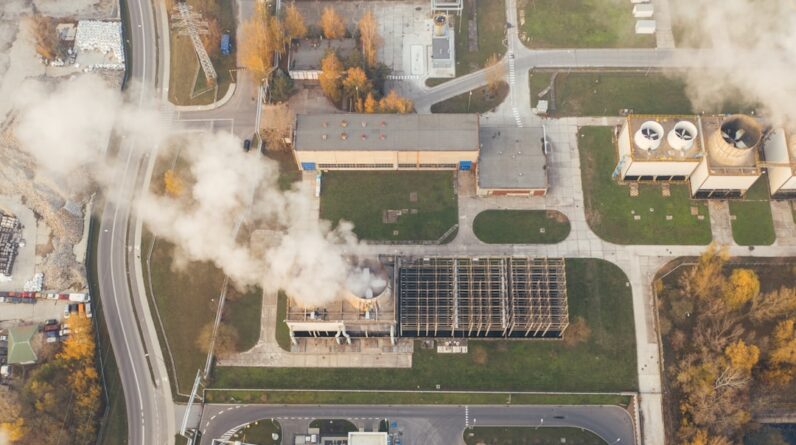
Carbon plays a pivotal role in the dynamics of climate change, acting as both a natural component of the Earth’s atmosphere and a significant contributor to global warming. When you think about carbon, it’s essential to recognize that it exists in various forms, including carbon dioxide (CO2) and methane (CH4), both of which are greenhouse gases. These gases trap heat in the atmosphere, leading to an increase in global temperatures.
As you go about your daily life, the activities you engage in—such as driving a car or using electricity—release carbon emissions that contribute to this phenomenon. Understanding the role of carbon is crucial for grasping the broader implications of climate change and the urgent need for mitigation strategies. The accumulation of carbon in the atmosphere has reached unprecedented levels, primarily due to human activities such as fossil fuel combustion, industrial processes, and land-use changes.
As you consider the implications of these actions, it becomes clear that the rising concentrations of carbon dioxide are not just numbers on a graph; they represent a tangible threat to ecosystems, weather patterns, and human health. The consequences of climate change are already evident in extreme weather events, rising sea levels, and shifting agricultural zones. By recognizing the role of carbon in climate change, you can better appreciate the importance of taking action to reduce emissions and promote sustainable practices.
Key Takeaways
- Carbon plays a significant role in climate change as it contributes to the greenhouse effect, leading to global warming.
- Deforestation has a direct impact on carbon levels, as trees absorb and store carbon dioxide, and their removal releases it back into the atmosphere.
- New forests have the potential to sequester large amounts of carbon, helping to mitigate climate change.
- Strategies for establishing new forests include reforestation, afforestation, and agroforestry, which can be tailored to specific environmental and social contexts.
- New forests provide benefits for biodiversity and ecosystem services, such as habitat for wildlife and regulation of water and soil quality.
The Impact of Deforestation on Carbon Levels
Deforestation is one of the most significant contributors to increased carbon levels in the atmosphere. When forests are cleared for agriculture, urban development, or logging, the carbon stored in trees is released back into the atmosphere as CO2. As you reflect on this process, consider how each tree acts as a carbon sink, absorbing CO2 during photosynthesis and storing it in its biomass.
When these trees are removed, not only is this stored carbon released, but the capacity for future carbon absorption is also diminished. This cycle exacerbates climate change and highlights the urgent need for forest conservation. Moreover, deforestation has far-reaching consequences beyond just carbon emissions.
It disrupts local ecosystems and biodiversity, leading to habitat loss for countless species. As you think about the interconnectedness of life on Earth, it becomes evident that the loss of forests can trigger a cascade of ecological imbalances. The reduction in tree cover also affects local climates, as forests play a crucial role in regulating temperature and precipitation patterns.
By understanding the impact of deforestation on carbon levels, you can see why protecting existing forests is vital for both climate stability and ecological health.
The Potential of New Forests in Carbon Sequestration

New forests hold immense potential for carbon sequestration, acting as vital allies in the fight against climate change. When you plant trees or restore degraded land, you create new opportunities for carbon absorption. Young forests can sequester significant amounts of CO2 as they grow, making them an essential tool for mitigating climate change.
As you consider the potential of new forests, think about how each tree planted contributes to a larger solution—transforming barren land into thriving ecosystems that capture carbon from the atmosphere. In addition to their role in carbon sequestration, new forests can also enhance soil health and improve water quality. As trees grow, their roots stabilize soil and prevent erosion, while their leaves and branches provide shade that helps maintain moisture levels.
This interplay between trees and soil creates a healthier environment for other plants and animals to thrive. By investing in new forests, you are not only addressing climate change but also fostering biodiversity and promoting ecosystem resilience.
Strategies for Establishing New Forests
Establishing new forests requires thoughtful planning and execution to ensure their success. One effective strategy is to engage local communities in reforestation efforts. When you involve people who live near potential forest sites, you tap into their knowledge and commitment to the land.
Community-led initiatives can lead to more sustainable practices and greater long-term success. By fostering a sense of ownership among local residents, you create a supportive environment for new forests to flourish. Another important strategy is selecting appropriate tree species for planting.
As you consider the local climate and soil conditions, it becomes clear that choosing native species can enhance biodiversity and resilience against pests and diseases. Native trees are often better adapted to local conditions and can support a wider range of wildlife. Additionally, incorporating agroforestry practices—where trees are integrated into agricultural landscapes—can provide multiple benefits, such as improved crop yields and enhanced carbon sequestration.
By employing these strategies, you can contribute to the successful establishment of new forests that thrive for generations to come.
The Benefits of New Forests for Biodiversity and Ecosystem Services
New forests offer a multitude of benefits beyond just carbon sequestration; they play a crucial role in enhancing biodiversity and providing essential ecosystem services. When you think about biodiversity, consider how diverse ecosystems are more resilient to environmental changes and disturbances. New forests create habitats for various species, from birds and mammals to insects and fungi.
By planting trees and restoring landscapes, you contribute to a richer tapestry of life that supports not only wildlife but also human well-being. Ecosystem services provided by new forests are invaluable. They help regulate water cycles by improving groundwater recharge and reducing runoff, which can mitigate flooding risks.
Additionally, forests act as natural air filters, absorbing pollutants and improving air quality. As you reflect on these benefits, it becomes clear that new forests are not just a tool for combating climate change; they are essential for maintaining healthy ecosystems that support life on Earth. By recognizing these interconnected benefits, you can appreciate the broader implications of forest restoration efforts.
The Economic Opportunities of New Forests

The establishment of new forests also presents significant economic opportunities that can benefit local communities and economies. As you consider the potential for job creation in forestry management, reforestation projects, and eco-tourism initiatives, it becomes evident that investing in new forests can stimulate economic growth while promoting environmental sustainability. These jobs not only provide livelihoods but also foster a sense of stewardship toward natural resources.
Moreover, new forests can enhance agricultural productivity through agroforestry practices that integrate trees with crops or livestock. This approach can lead to improved soil health and increased resilience against climate-related challenges such as droughts or floods. As you think about the economic implications of new forests, consider how they can serve as a buffer against economic instability by diversifying income sources for rural communities.
By supporting initiatives that promote new forest establishment, you contribute to both environmental sustainability and economic resilience.
Policy and Incentives for Promoting New Forests
To effectively promote new forests, supportive policies and incentives are essential. Governments play a crucial role in creating frameworks that encourage reforestation efforts through funding programs, tax incentives, or grants for landowners who engage in sustainable forestry practices. As you consider the importance of policy in this context, think about how effective legislation can drive large-scale reforestation initiatives that have lasting impacts on carbon levels and biodiversity.
In addition to government action, collaboration with non-governmental organizations (NGOs) and private sector partners can amplify efforts to establish new forests. By fostering partnerships that leverage resources and expertise, you can create a more robust approach to forest restoration. Public awareness campaigns can also play a vital role in educating communities about the benefits of new forests and encouraging participation in reforestation projects.
By advocating for policies that support new forest initiatives, you contribute to a collective effort toward a more sustainable future.
The Future of Carbon Management through New Forests
Looking ahead, the future of carbon management will increasingly rely on innovative approaches that incorporate new forests into broader climate strategies. As you contemplate this future, consider how advancements in technology—such as remote sensing and data analytics—can enhance our understanding of forest dynamics and improve monitoring efforts for carbon sequestration. These tools will enable more effective management practices that maximize the benefits of newly established forests.
Furthermore, as global awareness of climate change continues to grow, there is an opportunity for increased investment in forest restoration projects worldwide. By supporting international agreements aimed at reducing deforestation and promoting afforestation efforts, you can be part of a global movement toward sustainable land management practices. The future of carbon management through new forests is not just about planting trees; it’s about fostering resilient ecosystems that support both people and the planet for generations to come.
By engaging with these initiatives today, you contribute to a healthier environment and a more sustainable future for all.
In a related article, How Does Planting Trees Help the Environment?, the importance of reforestation and afforestation is discussed in depth. This article highlights the various ways in which planting trees can benefit the environment, from absorbing carbon dioxide to providing habitats for wildlife. It further emphasizes the crucial role that forests play in mitigating climate change and preserving biodiversity. By understanding the interconnectedness of these issues, we can work towards creating a more sustainable future for our planet.
FAQs
What is the concept of turning carbon from foe to friend with new forests?
The concept involves using new forests to capture and store carbon dioxide from the atmosphere, thereby helping to mitigate climate change.
How do new forests help in turning carbon from foe to friend?
New forests act as carbon sinks, absorbing carbon dioxide from the atmosphere during photosynthesis and storing it in their biomass and soil.
What are the benefits of turning carbon from foe to friend with new forests?
The benefits include reducing the concentration of carbon dioxide in the atmosphere, mitigating climate change, and providing additional ecosystem services such as biodiversity conservation and water regulation.
What are some examples of initiatives that focus on turning carbon from foe to friend with new forests?
Examples include reforestation projects, afforestation efforts, and sustainable forest management practices that aim to enhance carbon sequestration and storage.
How can individuals contribute to turning carbon from foe to friend with new forests?
Individuals can support reforestation and afforestation efforts, participate in tree planting initiatives, and advocate for sustainable forest management practices.