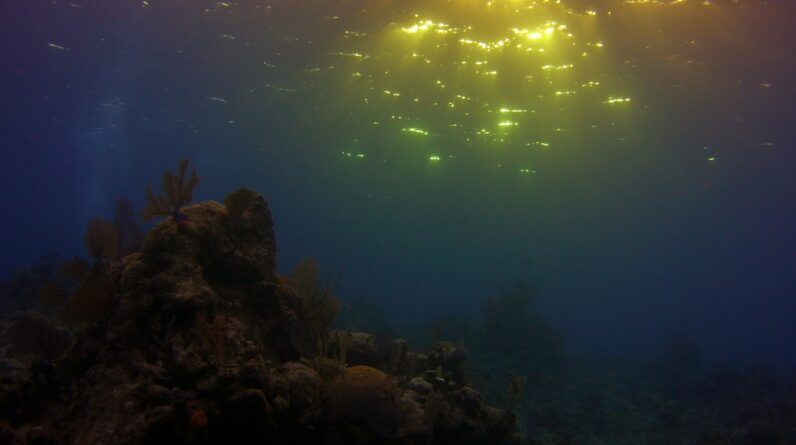
As you gaze out over the vast expanse of the ocean, it’s easy to overlook the intricate ecosystems that thrive beneath the surface. These underwater realms are not just teeming with life; they are also vital to your existence on land. The oceans are home to what can be described as “oxygen factories,” where a remarkable process occurs that sustains life on Earth.
These factories, primarily composed of microscopic organisms, play a crucial role in producing the oxygen you breathe. Understanding these underwater ecosystems is essential, as they are not only beautiful but also fundamental to the health of our planet. The oceans cover more than 70% of the Earth’s surface, and within their depths lies a complex web of life that contributes significantly to the planet’s oxygen supply.
While you may associate trees and plants on land with oxygen production, the reality is that the oceans contribute approximately 50% to 80% of the oxygen in the atmosphere. This staggering statistic highlights the importance of marine ecosystems, particularly those that engage in photosynthesis. As you delve deeper into this topic, you will discover how these underwater oxygen factories operate and why they are crucial for both marine and terrestrial life.
Key Takeaways
- Oxygen factories beneath the waves are crucial for maintaining the balance of oxygen in the atmosphere and supporting marine life.
- Oceanic photosynthesis plays a vital role in producing oxygen, with phytoplankton and algae being the primary contributors.
- Coral reefs and seagrasses also contribute to oxygen production through photosynthesis and are essential for maintaining healthy marine ecosystems.
- Human activities such as pollution, overfishing, and climate change are negatively impacting oceanic oxygen factories.
- The decline in oceanic oxygen production has significant implications for climate change and the overall health of the planet.
The Importance of Oceanic Photosynthesis
Photosynthesis is a process that you might be familiar with from your studies in school, often associated with green plants and trees. However, the oceans host their own unique photosynthetic organisms that are equally important. Oceanic photosynthesis occurs primarily through phytoplankton, algae, and other marine plants, which convert sunlight into energy while releasing oxygen as a byproduct.
This process is not only essential for the survival of these organisms but also for maintaining the balance of gases in the atmosphere. As you consider the significance of oceanic photosynthesis, it becomes clear that it serves as the foundation for marine food webs. The oxygen produced by these organisms supports a diverse array of marine life, from tiny zooplankton to massive whales.
Furthermore, oceanic photosynthesis plays a critical role in regulating carbon dioxide levels in the atmosphere. By absorbing CO2 during photosynthesis, these marine organisms help mitigate climate change and maintain a stable environment for all living beings. The intricate relationship between oceanic photosynthesis and atmospheric health underscores its importance in your daily life.
How Phytoplankton and Algae Contribute to Oxygen Production
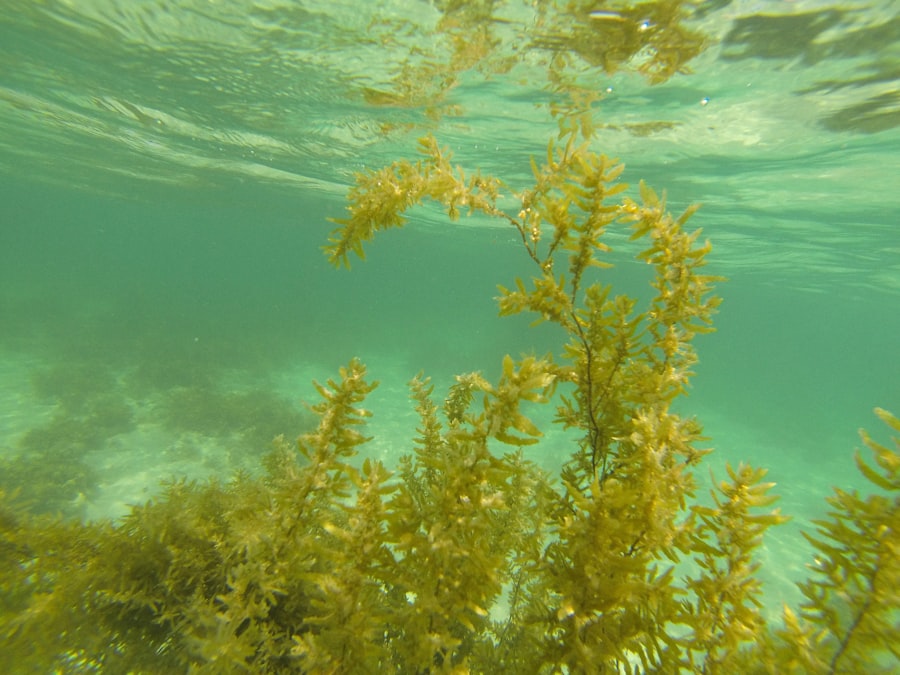
Phytoplankton, often referred to as the “grass of the sea,” are microscopic organisms that float near the ocean’s surface. These tiny powerhouses are responsible for producing a significant portion of the world’s oxygen supply. As you explore their role in oxygen production, you’ll find that phytoplankton are not only abundant but also incredibly diverse.
They come in various shapes and sizes, each adapted to thrive in different marine environments. Through photosynthesis, they convert sunlight into energy while releasing oxygen into the water and atmosphere. Algae, another group of vital organisms, also contribute to oceanic oxygen production.
While some algae can be harmful in excess, many species play a crucial role in maintaining healthy marine ecosystems. Algae can be found in various forms, from single-celled organisms to large seaweeds. Like phytoplankton, they utilize sunlight to produce energy and oxygen.
The symbiotic relationship between phytoplankton and algae creates a dynamic environment where both groups support one another and contribute to the overall health of ocean ecosystems. As you learn more about these organisms, you’ll appreciate their significance not just for marine life but for your own well-being.
The Role of Coral Reefs and Seagrasses in Oxygen Production
Coral reefs and seagrasses are often celebrated for their beauty and biodiversity, but their contributions to oxygen production are equally noteworthy. Coral reefs, often referred to as the “rainforests of the sea,” provide habitat for countless marine species while also engaging in photosynthesis through their symbiotic relationship with zooxanthellae—tiny algae that live within coral tissues. This partnership allows corals to thrive in nutrient-poor waters while simultaneously producing oxygen that benefits both marine life and the atmosphere.
Seagrasses, on the other hand, are flowering plants that grow in shallow coastal waters. They play a vital role in stabilizing sediments and providing habitat for various marine species. Through photosynthesis, seagrasses contribute significantly to oxygen production in coastal ecosystems.
As you consider these two vital components of marine environments, it becomes evident that coral reefs and seagrasses work together with phytoplankton and algae to create a balanced ecosystem that supports life both underwater and on land.
The Impact of Human Activities on Oceanic Oxygen Factories
Despite their importance, oceanic oxygen factories face numerous threats due to human activities. Pollution, overfishing, and climate change are just a few factors that jeopardize these vital ecosystems. As you reflect on your own impact on the environment, consider how actions such as plastic waste disposal and carbon emissions contribute to the degradation of marine habitats.
Nutrient runoff from agriculture can lead to harmful algal blooms that deplete oxygen levels in water, creating “dead zones” where marine life cannot survive. Additionally, climate change poses a significant threat to oceanic oxygen production. Rising sea temperatures can disrupt the delicate balance of marine ecosystems, affecting phytoplankton growth and distribution.
Ocean acidification, caused by increased CO2 absorption, can hinder the ability of corals and other calcifying organisms to thrive. As you contemplate these challenges, it becomes clear that protecting oceanic oxygen factories is essential for maintaining not only marine biodiversity but also your own quality of life.
The Connection Between Oceanic Oxygen Production and Climate Change

The relationship between oceanic oxygen production and climate change is complex yet critical for understanding global environmental dynamics. As you delve into this connection, you’ll find that healthy oceans play a pivotal role in regulating climate patterns by absorbing carbon dioxide from the atmosphere. This process helps mitigate climate change effects by reducing greenhouse gas concentrations.
However, when oceanic ecosystems are compromised due to pollution or overexploitation, their ability to absorb CO2 diminishes. Moreover, changes in ocean temperature and chemistry can impact phytoplankton populations, which are essential for oxygen production. As you consider the implications of climate change on these organisms, it becomes evident that protecting oceanic ecosystems is not just an environmental issue; it is a matter of global health and sustainability.
By safeguarding these underwater oxygen factories, you contribute to a healthier planet capable of supporting diverse life forms.
Conservation Efforts to Protect Oceanic Oxygen Factories
Recognizing the importance of oceanic oxygen factories has led to various conservation efforts aimed at protecting these vital ecosystems. Organizations around the world are working tirelessly to raise awareness about the significance of marine environments and promote sustainable practices. As you explore these initiatives, you’ll discover that community engagement plays a crucial role in conservation efforts.
Local communities often rely on healthy oceans for their livelihoods, making them key stakeholders in preserving marine ecosystems. Marine protected areas (MPAs) have emerged as an effective strategy for safeguarding critical habitats such as coral reefs and seagrass beds. By restricting human activities in designated zones, MPAs allow ecosystems to recover and thrive.
Additionally, initiatives focused on reducing plastic pollution and promoting sustainable fishing practices are gaining momentum globally. As you consider your own role in these efforts, remember that even small actions can contribute to larger conservation goals.
The Future of Oceanic Oxygen Production and Its Implications for Humanity
Looking ahead, the future of oceanic oxygen production is intertwined with humanity’s ability to address environmental challenges effectively. As you contemplate this future, consider how advancements in technology and science can aid conservation efforts. Innovations such as remote sensing technology allow researchers to monitor ocean health more effectively, providing valuable data for decision-making processes.
Moreover, fostering a culture of environmental stewardship is essential for ensuring the longevity of oceanic oxygen factories. Education plays a pivotal role in raising awareness about the importance of marine ecosystems and inspiring individuals to take action. By advocating for sustainable practices and supporting conservation initiatives, you can help secure a healthier future for both oceans and humanity.
In conclusion, understanding oceanic oxygen factories is crucial for appreciating their role in sustaining life on Earth. From phytoplankton to coral reefs, these ecosystems contribute significantly to oxygen production while also supporting diverse marine life. However, human activities pose significant threats to these vital systems, making conservation efforts more important than ever.
By recognizing your connection to these underwater realms and taking action to protect them, you contribute to a healthier planet for generations to come.
In a related article on Live Life with a Cause, the importance of planting trees in combating climate change is discussed. The article highlights how planting trees can help absorb carbon dioxide from the atmosphere and reduce greenhouse gas emissions. To learn more about the critical role of trees in addressing climate change, visit How Does Planting Trees Help Climate Change?.
FAQs
What are oxygen factories beneath the waves?
Oxygen factories beneath the waves refer to the role of oceans in producing oxygen through the process of photosynthesis by marine plants, algae, and phytoplankton.
How do oceans contribute to oxygen production?
Oceans contribute to oxygen production through the photosynthetic activities of marine plants, algae, and phytoplankton, which release oxygen as a byproduct.
What is the critical role of oceans in oxygen production?
Oceans play a critical role in oxygen production as they are responsible for producing a significant portion of the Earth’s oxygen, contributing to the overall balance of atmospheric oxygen levels.
Why are oxygen factories beneath the waves important for the environment?
Oxygen factories beneath the waves are important for the environment as they support marine life and help maintain the balance of oxygen in the atmosphere, which is essential for all living organisms.
How can human activities impact oxygen factories beneath the waves?
Human activities such as pollution, overfishing, and climate change can negatively impact oxygen factories beneath the waves by disrupting marine ecosystems and reducing the ability of marine plants and organisms to produce oxygen.