As you gaze out at the vast expanse of the ocean, it’s easy to be captivated by its beauty and mystery. However, beneath the shimmering surface lies a troubling reality: ocean pollution. This pervasive issue affects not only marine ecosystems but also human health and economies worldwide.
Ocean pollution encompasses a variety of contaminants, including plastics, chemicals, and waste products that find their way into the water. The consequences of this pollution are dire, threatening the delicate balance of marine life and the health of our planet. You may wonder how such a vast body of water can be so heavily impacted by human activity.
The truth is that oceans are the final destination for much of the waste generated on land. Rivers and streams carry pollutants from urban areas, agricultural lands, and industrial sites, ultimately depositing them into the sea. As you consider the scale of this problem, it becomes clear that ocean pollution is not just an environmental issue; it is a global crisis that requires immediate attention and action from individuals, communities, and governments alike.
Key Takeaways
- Ocean pollution has a significant impact on marine life and ecosystems, threatening the health of the oceans and the creatures that inhabit them.
- Microplastics play a major role in ocean pollution, posing a threat to marine life and potentially entering the food chain.
- Synthetic fibers are a lesser-known but significant contributor to ocean pollution, with their presence in clothing and textiles leading to widespread contamination.
- Synthetic fibers contribute to ocean pollution through shedding microplastics during washing and production processes, ultimately entering the marine environment.
- Synthetic fiber pollution poses environmental and health risks, as these fibers can accumulate toxins and harm marine life, as well as potentially impacting human health through the food chain.
The Impact of Ocean Pollution on Marine Life
The effects of ocean pollution on marine life are profound and far-reaching. As you delve deeper into this issue, you will discover that various species are affected in different ways. For instance, larger marine animals, such as whales and dolphins, often ingest plastic debris or become entangled in discarded fishing gear.
This can lead to injury or death, disrupting entire ecosystems. Smaller creatures, like fish and crustaceans, are not immune either; they can mistake plastic particles for food, leading to malnutrition and toxic accumulation in their bodies. Moreover, ocean pollution can alter habitats critical for marine life.
Coral reefs, often referred to as the “rainforests of the sea,” are particularly vulnerable to pollution. When pollutants enter the water, they can cause coral bleaching and disease, leading to the decline of these vital ecosystems. As you reflect on this, consider how the loss of biodiversity in the ocean can have cascading effects on food chains and the overall health of marine environments.
The Role of Microplastics in Ocean Pollution
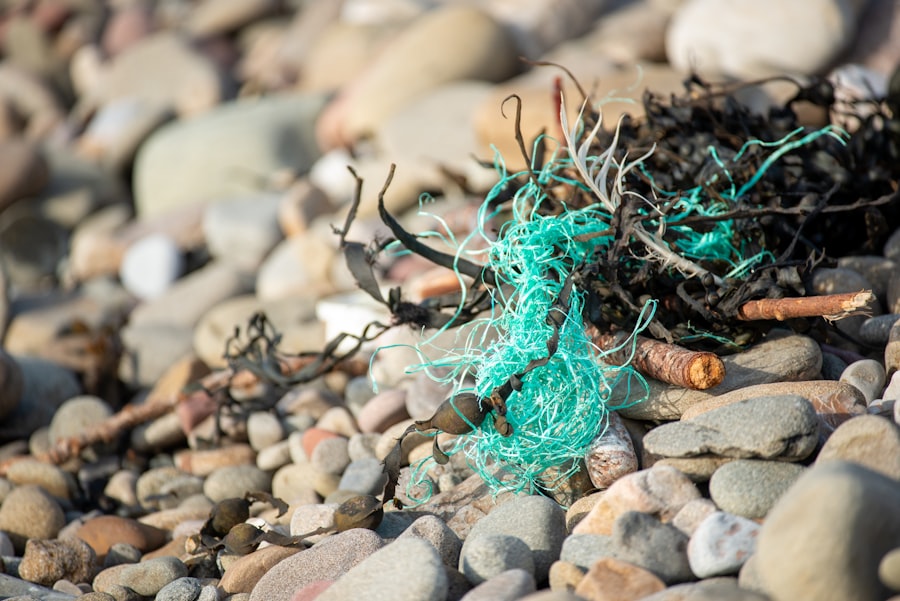
Microplastics have emerged as one of the most insidious forms of ocean pollution. These tiny plastic particles, less than five millimeters in size, originate from various sources, including the breakdown of larger plastic items and the shedding of synthetic fibers during laundry. As you learn more about microplastics, you may be surprised to find that they are now found in every corner of the globe, from the deepest ocean trenches to Arctic ice.
The impact of microplastics on marine life is alarming. Many marine organisms, from plankton to fish, inadvertently consume these particles, mistaking them for food. This ingestion can lead to physical harm and toxicological effects, as microplastics can carry harmful chemicals that disrupt endocrine systems and cause reproductive issues.
As you consider the implications of microplastics in the ocean, it becomes evident that they pose a significant threat not only to marine life but also to human health through the seafood we consume.
The Lesser-Known Ocean Polluter: Synthetic Fibers
While plastics often dominate discussions about ocean pollution, synthetic fibers represent a lesser-known yet equally concerning contributor. These fibers come from everyday clothing made from materials like polyester, nylon, and acrylic. As you wash your clothes, tiny fibers shed from these garments and make their way into wastewater systems.
Unfortunately, many wastewater treatment plants are not equipped to filter out these microscopic pollutants, allowing them to flow directly into rivers and oceans. You might be surprised to learn that synthetic fibers account for a significant portion of the microplastics found in marine environments. Studies estimate that millions of tons of these fibers enter the oceans each year, contributing to the growing problem of ocean pollution.
As you reflect on your own clothing choices and laundry habits, consider how seemingly innocuous actions can have far-reaching consequences for our oceans.
How Synthetic Fibers Contribute to Ocean Pollution
The journey of synthetic fibers into our oceans begins with everyday activities that many people engage in without a second thought. When you wash synthetic clothing, tiny fibers break off and enter the water system. These fibers are so small that they often evade filtration systems at wastewater treatment plants.
Consequently, they flow into rivers and eventually reach the ocean, where they accumulate over time. Once in the ocean, synthetic fibers pose a unique challenge. Unlike larger plastic debris that can be seen and removed, these tiny particles are often invisible to the naked eye.
They can be ingested by a wide range of marine organisms, from small fish to larger predators like seabirds and marine mammals. As you consider this cycle of pollution, it becomes clear that synthetic fibers not only contribute to microplastic pollution but also have far-reaching implications for marine ecosystems and food webs.
The Environmental and Health Risks of Synthetic Fiber Pollution
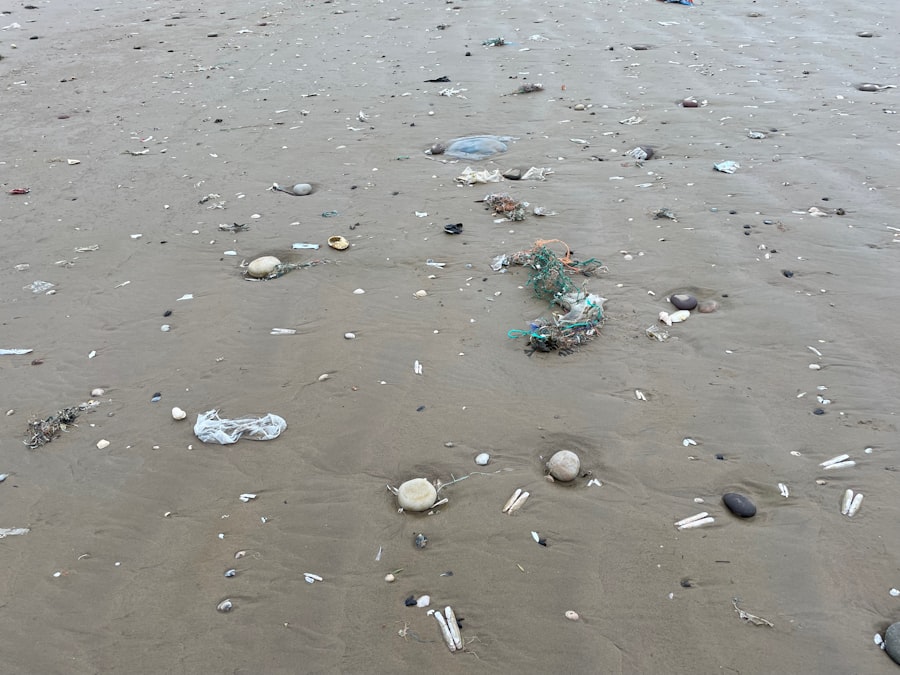
The environmental risks associated with synthetic fiber pollution are significant and multifaceted. As these fibers accumulate in marine environments, they can disrupt ecosystems by altering food chains and harming wildlife. For instance, when fish ingest synthetic fibers, they may experience reduced growth rates and reproductive issues due to toxic substances associated with these particles.
As you think about these consequences, it’s essential to recognize that the health of our oceans directly impacts human health as well. Moreover, synthetic fibers can enter the human food chain through seafood consumption. When you eat fish or shellfish that have ingested microplastics or synthetic fibers, you may unknowingly expose yourself to harmful chemicals that can disrupt hormonal systems or lead to other health issues.
This connection between ocean pollution and human health underscores the urgency of addressing synthetic fiber pollution as part of a broader strategy to combat ocean pollution.
Solutions to Synthetic Fiber Pollution
Addressing synthetic fiber pollution requires a multifaceted approach that involves individuals, industries, and policymakers working together. As an individual consumer, you can make a difference by being mindful of your clothing choices. Opting for natural fibers like cotton or wool instead of synthetic materials can significantly reduce your contribution to this form of pollution.
Additionally, washing your clothes less frequently or using a microfiber filter bag can help capture shedding fibers before they enter wastewater systems. On a larger scale, industries must take responsibility for their role in synthetic fiber pollution. Manufacturers can invest in research and development to create more sustainable fabrics and improve filtration systems in wastewater treatment plants.
Policymakers also play a crucial role by implementing regulations that limit microfiber pollution and promote sustainable practices within the fashion industry. As you consider these solutions, remember that collective action is essential for creating meaningful change.
Taking Action to Combat Ocean Pollution
As you reflect on the complexities of ocean pollution and its impact on marine life and human health, it becomes clear that action is necessary at all levels—individuals, communities, industries, and governments must unite in this fight against pollution. By making conscious choices about your clothing and advocating for sustainable practices within your community, you contribute to a larger movement aimed at preserving our oceans for future generations. The journey toward cleaner oceans may seem daunting, but every small action counts.
Whether it’s reducing your use of synthetic fabrics or supporting policies aimed at reducing ocean pollution, your efforts matter. Together, we can combat ocean pollution and protect the beauty and biodiversity of our oceans for years to come. The time for action is now; let’s work together to ensure a healthier planet for ourselves and future generations.
If you’re interested in learning more about how reforestation can help combat climate change, check out this article on the advantages of planting trees for climate change. Reforestation is just one of the many ways we can work towards a healthier planet and reduce pollution, including tackling the issue of ocean pollution caused by microplastics. To learn more about how you can make a difference and live life with a cause, visit Live Life with a Cause.
FAQs
What is the #1 ocean polluter that I’ve never heard of?
The #1 ocean polluter that you’ve never heard of is the cigarette butt. Cigarette butts are the most commonly littered item in the world and are a major source of ocean pollution.
How do cigarette butts contribute to ocean pollution?
Cigarette butts are made of plastic and contain harmful chemicals. When they are littered, they can be washed into storm drains and eventually end up in the ocean, where they release toxins and microplastics, harming marine life.
What are the environmental impacts of cigarette butt pollution in the ocean?
Cigarette butt pollution in the ocean can harm marine animals that mistake them for food, leading to ingestion and entanglement. The toxins and microplastics released from cigarette butts can also contaminate the water and harm marine ecosystems.
What can be done to address cigarette butt pollution in the ocean?
Efforts to address cigarette butt pollution in the ocean include implementing stricter littering laws, promoting proper disposal of cigarette butts, and developing biodegradable alternatives to traditional cigarette filters. Additionally, public awareness campaigns and clean-up initiatives can help reduce the impact of cigarette butt pollution on the ocean.