


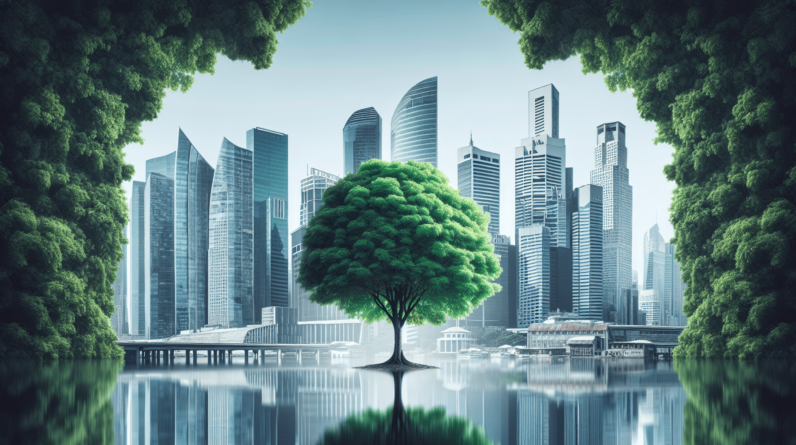
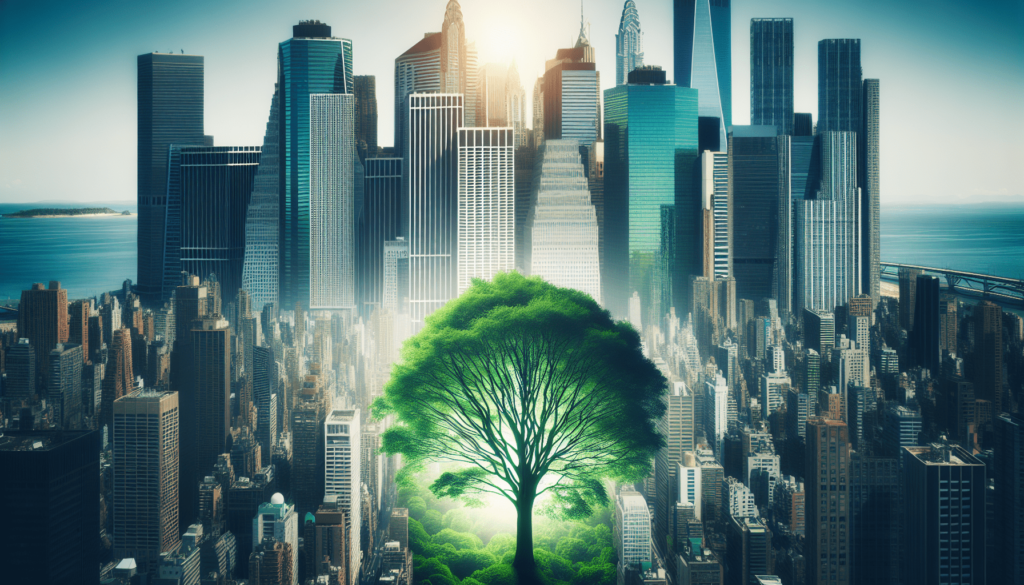
Have you ever wondered how we can make our cities more livable, sustainable, and healthier? Urban areas everywhere are grappling with problems like overheating, air pollution, and a lack of green spaces. One promising solution is reforestation—introducing trees and green infrastructure back into our urban environments. Reforestation in urban areas not only helps combat climate change, but also improves the quality of life for city dwellers.
What is Urban Reforestation?
Urban reforestation refers to the practice of planting trees and other vegetation in cities, suburbs, and other densely populated areas. Unlike traditional forestry efforts, urban reforestation focuses on integrating green spaces into built environments. The aim is to create a harmonious balance between nature and human habitation.
The Benefits of Urban Reforestation
Urban reforestation offers a myriad of benefits, transforming our cities into healthier and more pleasant places to live. Here’s a closer look at some of these advantages:
| Benefit | Description |
|---|---|
| Climate Mitigation | Trees absorb carbon dioxide, helping reduce greenhouse gas levels. |
| Air Quality Improvement | Trees filter harmful pollutants from the air, leading to healthier communities. |
| Temperature Regulation | Vegetation helps lower urban temperatures, combating the “urban heat island” effect. |
| Biodiversity Enhancement | Green spaces provide a habitat for various species, boosting urban biodiversity. |
| Mental Health | Interaction with nature reduces stress and improves overall well-being. |
How Trees Improve Air Quality
Trees act like natural air filters. They absorb pollutants such as nitrogen dioxide, sulfur dioxide, and particulate matter, which are common in urban areas due to vehicle emissions and industrial activities. By improving air quality, reforestation can contribute significantly to public health.
The Issue of the Urban Heat Island Effect
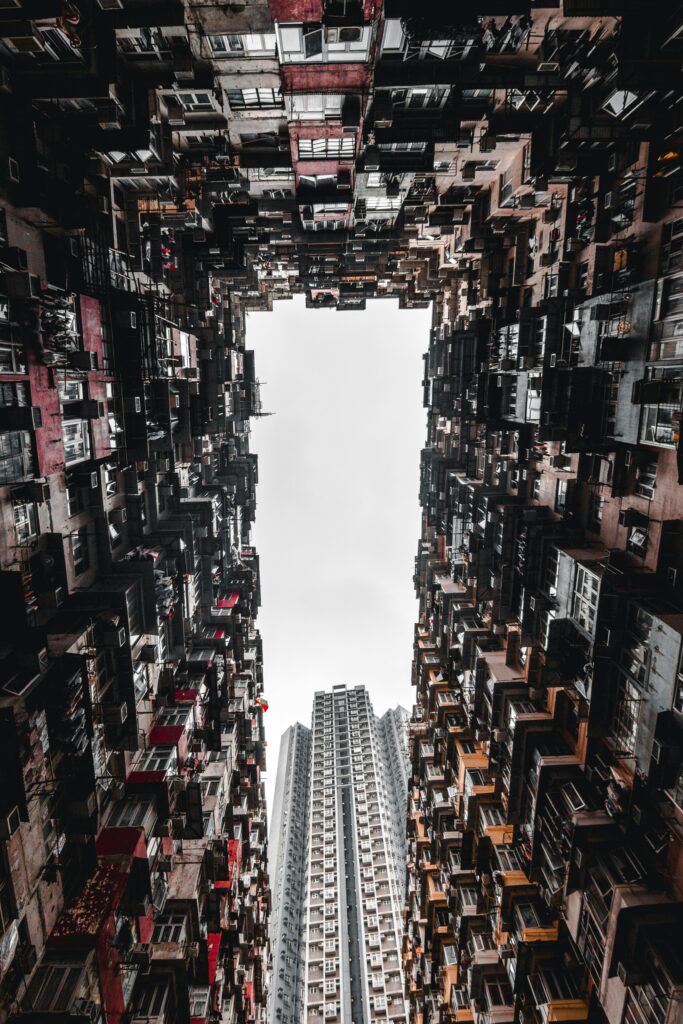
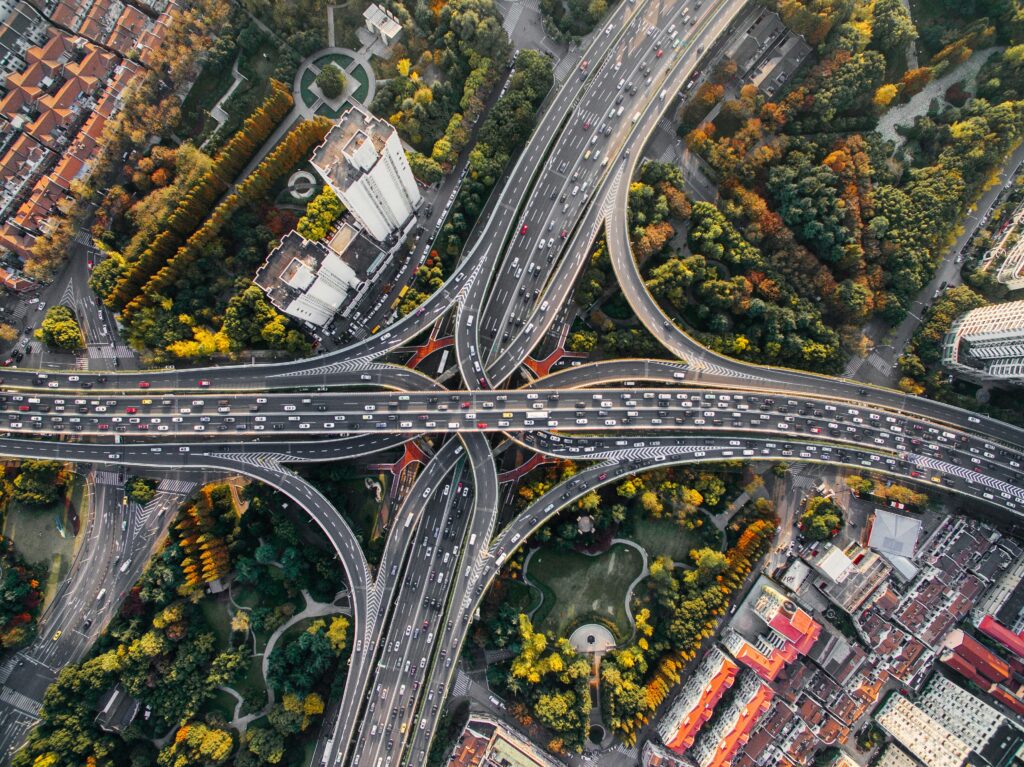
One of the key problems in urban areas is the so-called “urban heat island” effect. This phenomenon occurs when cities experience significantly higher temperatures than their rural surroundings. The lack of vegetation and the prevalence of concrete and asphalt absorb and retain heat, leading to overheating.
How Reforestation Can Combat Urban Heat Islands
Planting trees can mitigate the urban heat island effect in several ways:
- Shade: Trees provide shade, reducing the need for air conditioning and cooling costs.
- Transpiration: Trees release water vapor through their leaves, creating a cooling effect.
- Reflective Surfaces: Leaves reflect sunlight, lowering surface and air temperatures.
Increasing Biodiversity in Urban Areas
Biodiversity is often overlooked in urban planning, yet it plays a critical role in ecosystem stability and resilience. Reforestation can help reintroduce and support diverse species in the city.
Types of Urban Green Spaces
Urban green spaces can take many forms, including parks, green roofs, street trees, and community gardens. Each type has its own role in enhancing biodiversity:
| Type of Green Space | Description |
|---|---|
| Parks | Large, often central green areas with diverse plant species. |
| Green Roofs | Rooftop gardens that provide insulation and space for plants. |
| Street Trees | Trees planted along streets to provide shade and aesthetic appeal. |
| Community Gardens | Shared gardens where locals can grow plants, herbs, and vegetables. |
Attracting Wildlife
With more trees and plants, urban areas can attract birds, insects, and other wildlife. This not only enriches the urban ecosystem but also provides educational and recreational opportunities for residents.
The Social Benefits of Urban Reforestation
Reforestation in urban areas isn’t just good for the environment; it also brings several social benefits. Green spaces can foster community interaction, provide recreational opportunities, and enhance mental well-being.
Enhancing Mental Health
Numerous studies have shown that spending time in green spaces can reduce stress, anxiety, and depression. The natural environment offers a peaceful retreat from the hustle and bustle of city life.
Community Building
Green spaces can serve as communal areas where people gather, socialize, and build stronger relationships. Parks, community gardens, and green rooftops become hubs for social interaction and community engagement.
Economic Benefits of Urban Reforestation
Beyond environmental and social advantages, urban reforestation can also bring economic benefits. Trees can increase property values, reduce energy costs, and even provide job opportunities.
Property Value Increase
Homes and properties near green spaces often have higher market values. The aesthetic appeal and numerous benefits of having trees and vegetation contribute to increased real estate prices.
| Benefit | Impact |
|---|---|
| Property Value | Increase in real estate prices for homes near green spaces. |
| Energy Savings | Lower cooling and heating costs thanks to natural shade and insulation from trees and plants. |
| Job Creation | Opportunities in planting, maintenance, and landscaping roles. |
Energy Savings
Trees can significantly reduce energy costs by providing natural cooling through shade and transpiration. This can decrease the need for air conditioning in the summer and offer windbreaks in the winter, leading to lower heating costs.
Implementing Urban Reforestation: Challenges and Solutions
While the benefits are clear, implementing reforestation in urban areas comes with challenges. Space constraints, funding, and maintenance are some of the key issues.
Space Constraints
Urban areas often have limited space available for reforestation. Creative solutions are required to integrate green spaces into densely populated environments.
Maximizing Space Usage
Innovative approaches like vertical gardens, green walls, and mini-parks can help maximize the use of available space. Collaborating with city planners and developers to incorporate green infrastructure into new projects is also crucial.
Funding and Resources
Securing funding and resources is another significant challenge. Public funds are often limited, and private investment may be necessary.
| Funding Source | Description |
|---|---|
| Government Grants | Public funding allocated for environmental and sustainability projects. |
| Private Investment | Financial contributions from corporations and businesses. |
| Community Fundraising | Local fundraising efforts and volunteer contributions. |
Maintenance and Sustainability
The sustainability of urban reforestation projects depends on regular maintenance and community involvement. Trees and plants need care, including watering, pruning, and pest control.
Engaging the Community
Community involvement is essential for the success of urban reforestation. Local residents can take part in planting and maintaining green spaces, fostering a sense of ownership and responsibility.
Case Studies: Successful Urban Reforestation Projects
Looking at successful examples can provide valuable insights and inspiration for implementing urban reforestation in other cities.
Curitiba, Brazil
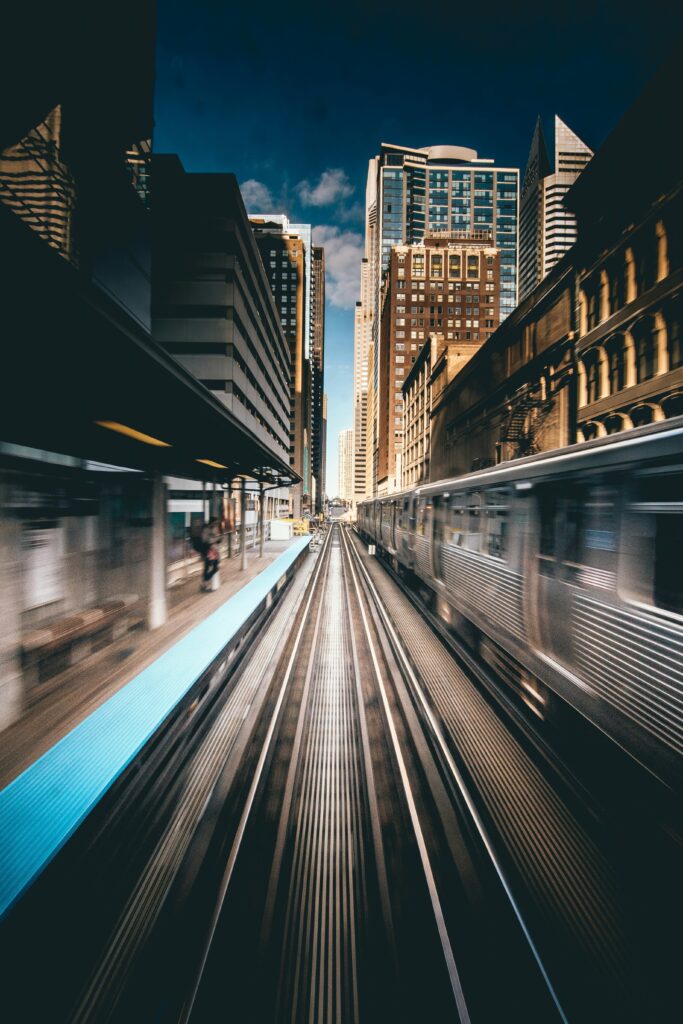
Curitiba is often cited as a model for urban sustainability. The city has focused on integrating green spaces with efficient public transportation, reducing its carbon footprint and improving residents’ quality of life.
Key Initiatives:
- Large parks and green corridors throughout the city.
- Incentives for businesses to create green roofs and gardens.
- Public awareness campaigns on the importance of sustainability.
New York City, USA
New York City has made significant strides in urban reforestation through its MillionTreesNYC initiative, aiming to plant and care for one million new trees across the city’s five boroughs.
Key Initiatives:
- Partnership between the city government, non-profits, and citizens.
- Focus on planting trees in underserved neighborhoods.
- Comprehensive care and maintenance plans to ensure the health of new trees.
Singapore
Singapore, known as the “Garden City,” has integrated abundant greenery into its urban design. The city is renowned for its innovative approach to urban reforestation and green architecture.
Key Initiatives:
- Green roofs and vertical gardens incorporated in buildings.
- Extensive network of parks and nature reserves.
- Policies promoting the conservation of mature trees.
How You Can Get Involved
If you’re passionate about transforming your urban environment, there are plenty of ways to contribute to reforestation efforts. You don’t have to be a city planner or a government official to make a difference.
Joining Local Initiatives
Many cities have local reforestation projects that welcome volunteers. Participating in tree planting events, community garden projects, or park clean-ups can be a rewarding way to contribute.
Advocating for Green Policies
Supporting policies that promote urban reforestation is another effective way to get involved. Advocate for green initiatives in your community and support politicians and organizations that prioritize sustainability.
Personal Contribution
You can also make smaller-scale contributions in your own space. Planting trees in your yard, creating a small garden, or even maintaining potted plants on your balcony can help improve the local environment.
The Future of Urban Reforestation
As our cities continue to grow, the need for sustainable, green urban environments becomes increasingly important. The future of urban reforestation lies in innovative solutions that integrate nature seamlessly into urbanization processes.
Technology and Innovation
Emerging technologies, such as drone planting and smart irrigation systems, can enhance the efficiency and effectiveness of reforestation efforts. These technologies allow for precise planting and maintenance, reducing costs and labor intensity.
Collaborative Efforts
The success of urban reforestation depends on collaborative efforts between governments, businesses, communities, and individuals. By working together, we can overcome challenges and create greener, healthier cities for future generations.
Education and Awareness
Educating the public about the benefits of urban reforestation and the importance of green spaces is crucial. Raising awareness can lead to increased community involvement and support for reforestation projects.
Conclusion
Reforestation in urban areas offers a powerful solution to many of the challenges faced by modern cities. By planting trees and creating green spaces, we can combat climate change, improve air quality, enhance biodiversity, and boost the well-being of city residents. Though there are challenges in implementing these initiatives, innovative solutions and community involvement can pave the way for greener, healthier urban environments. Your participation can make a significant difference, contributing to a sustainable future where cities and nature coexist harmoniously.


