
Reforestation plays a pivotal role in the quest for global sustainability, acting as a natural remedy for many of the environmental challenges we face today. As you navigate through the complexities of climate change, habitat loss, and pollution, you may find that reforestation emerges as a beacon of hope. By restoring forests that have been depleted or damaged, you contribute to the restoration of ecosystems that are vital for maintaining the balance of our planet.
This process not only helps in combating climate change but also enhances the resilience of communities and ecosystems alike. Moreover, reforestation is not merely an environmental endeavor; it is a multifaceted approach that intertwines with social and economic dimensions. When you engage in reforestation efforts, you are also investing in the future of local communities.
Healthy forests provide resources such as timber, food, and medicine, which can significantly improve the livelihoods of people living in and around these areas. Thus, reforestation serves as a bridge connecting ecological health with human well-being, making it an essential component of sustainable development.
Key Takeaways
- Reforestation is crucial for global sustainability as it helps combat climate change, conserve biodiversity, and promote sustainable development.
- Trees play a vital role in carbon sequestration, helping to mitigate climate change by absorbing and storing carbon dioxide from the atmosphere.
- Reforestation efforts contribute to biodiversity conservation by providing habitats for a wide range of plant and animal species.
- Reforestation brings economic benefits through the creation of jobs, sustainable timber production, and ecotourism opportunities.
- Reforestation plays a key role in water resource management by preventing soil erosion, regulating water flow, and improving water quality.
The Role of Trees in Carbon Sequestration and Climate Change Mitigation
Trees are often referred to as the lungs of our planet, and for good reason. They absorb carbon dioxide from the atmosphere and store it in their biomass, a process known as carbon sequestration. As you consider the implications of rising greenhouse gas levels, it becomes clear that trees are indispensable allies in the fight against climate change.
By participating in reforestation initiatives, you are directly contributing to the reduction of atmospheric carbon levels, which is crucial for mitigating global warming. In addition to their carbon-storing capabilities, trees also influence local climates and weather patterns. They provide shade, reduce heat, and help maintain humidity levels in their surroundings.
When you plant trees or support reforestation projects, you are not only sequestering carbon but also creating microclimates that can benefit agriculture and biodiversity. This dual role of trees makes them essential in both climate change mitigation and adaptation strategies, reinforcing the importance of reforestation in your efforts to create a sustainable future.
Reforestation and Biodiversity Conservation

Biodiversity is the cornerstone of healthy ecosystems, and reforestation plays a critical role in preserving this diversity. When you engage in reforestation efforts, you are not just planting trees; you are creating habitats for countless species of flora and fauna. Forests serve as sanctuaries for wildlife, providing food, shelter, and breeding grounds.
By restoring these habitats, you contribute to the conservation of species that may be threatened or endangered due to habitat loss. Furthermore, reforested areas can act as corridors that connect fragmented habitats, allowing species to migrate and adapt to changing environmental conditions. This connectivity is vital for maintaining genetic diversity and resilience within ecosystems.
As you support reforestation initiatives, you are helping to ensure that future generations inherit a planet rich in biodiversity, which is essential for ecosystem stability and human survival.
Economic Benefits of Reforestation
The economic advantages of reforestation extend far beyond environmental benefits; they encompass job creation, sustainable resource management, and community development. When you invest in reforestation projects, you are fostering economic opportunities for local communities. These initiatives often require labor for planting, maintenance, and monitoring, creating jobs that can uplift families and stimulate local economies.
Additionally, reforested areas can provide sustainable resources such as timber, non-timber forest products, and ecotourism opportunities. By promoting responsible harvesting practices and sustainable land use, you can help ensure that these resources are available for future generations. The economic benefits of reforestation thus create a win-win scenario: you contribute to environmental restoration while simultaneously enhancing the livelihoods of those who depend on these ecosystems.
Reforestation and Water Resource Management
Water is an essential resource for life, and forests play a crucial role in maintaining water quality and availability. Trees help regulate the water cycle by absorbing rainfall and releasing moisture back into the atmosphere through transpiration. When you participate in reforestation efforts, you are actively contributing to improved water management practices.
Healthy forests act as natural filters, reducing sedimentation and pollution in waterways while enhancing groundwater recharge. Moreover, reforested areas can mitigate the impacts of flooding and drought by stabilizing soil and regulating water flow. As you consider the challenges posed by climate change on water resources, it becomes evident that reforestation is a vital strategy for ensuring water security.
By restoring forested landscapes, you help create resilient ecosystems that can better withstand extreme weather events while providing clean water for communities.
Reforestation and Sustainable Development Goals
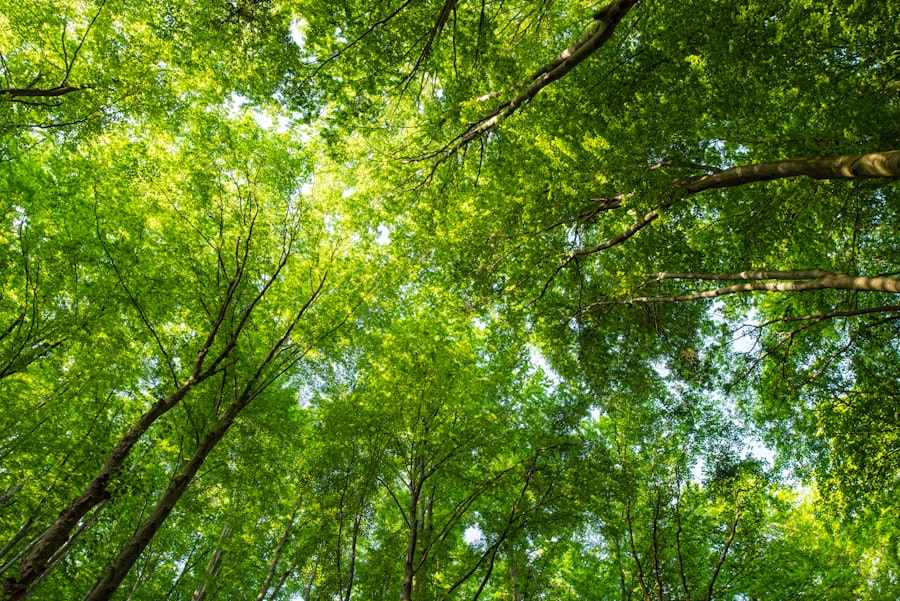
The United Nations Sustainable Development Goals (SDGs) provide a framework for addressing global challenges such as poverty, inequality, and environmental degradation. Reforestation aligns closely with several of these goals, particularly Goal 15: Life on Land. By engaging in reforestation efforts, you contribute to the preservation of terrestrial ecosystems and promote sustainable land use practices.
Additionally, reforestation supports other SDGs related to poverty alleviation (Goal 1), clean water (Goal 6), climate action (Goal 13), and partnerships for the goals (Goal 17). As you work towards achieving these objectives, consider how your involvement in reforestation can create synergies across multiple areas of sustainable development. Your actions can help foster a holistic approach to addressing global challenges while promoting environmental stewardship.
Challenges and Barriers to Reforestation Efforts
Despite the numerous benefits associated with reforestation, several challenges hinder its widespread implementation. One significant barrier is land tenure issues; without clear ownership or rights to land, communities may be reluctant to invest time and resources into reforestation projects. As you explore ways to support reforestation initiatives, it is essential to consider how land rights can be secured to empower local communities.
Another challenge lies in funding and resources. Many reforestation projects require substantial financial investment for planning, execution, and maintenance. As you seek to contribute to these efforts, consider advocating for increased funding from governments and private sectors or supporting organizations that specialize in reforestation financing.
Addressing these barriers is crucial for ensuring that reforestation efforts are effective and sustainable over the long term.
The Future of Reforestation and its Impact on Global Sustainability
Looking ahead, the future of reforestation holds immense potential for enhancing global sustainability. As awareness of environmental issues continues to grow, more individuals and organizations are recognizing the importance of restoring forests as a means to combat climate change and promote biodiversity conservation. Your involvement in these initiatives can help catalyze change at both local and global levels.
Innovative approaches such as agroforestry, community-based forestry management, and technology-driven monitoring systems are emerging as effective strategies for enhancing reforestation efforts. By embracing these methods and advocating for their implementation, you can play a vital role in shaping a sustainable future. The impact of your actions today will resonate through generations to come, ensuring that forests continue to thrive as essential components of our planet’s health and well-being.
In a related article on Live Life With a Cause, the importance of planting trees for the environment is further explored. The article discusses how reforestation efforts can help combat climate change, improve air quality, and provide habitat for wildlife. To learn more about how planting trees can benefit the environment, check out this article.
FAQs
What is reforestation?
Reforestation is the process of planting trees in areas where forests have been depleted or destroyed, with the goal of restoring the ecological balance and increasing the forest cover.
How does reforestation contribute to global sustainability?
Reforestation contributes to global sustainability by helping to mitigate climate change, preserving biodiversity, protecting watersheds, and providing economic and social benefits to local communities.
What are the environmental benefits of reforestation?
Reforestation helps to absorb carbon dioxide from the atmosphere, reduce soil erosion, improve air and water quality, and provide habitat for wildlife.
How does reforestation help mitigate climate change?
Trees absorb carbon dioxide from the atmosphere through photosynthesis, helping to reduce the concentration of greenhouse gases and mitigate the effects of climate change.
What are the social and economic benefits of reforestation?
Reforestation can create jobs, provide sustainable sources of timber and non-timber forest products, and support ecotourism, contributing to the economic development of local communities.
What are some successful examples of reforestation projects around the world?
Successful reforestation projects include the Atlantic Forest Restoration Pact in Brazil, the Bonn Challenge, and the Great Green Wall initiative in Africa, among others. These projects have demonstrated the potential of reforestation to contribute to global sustainability.