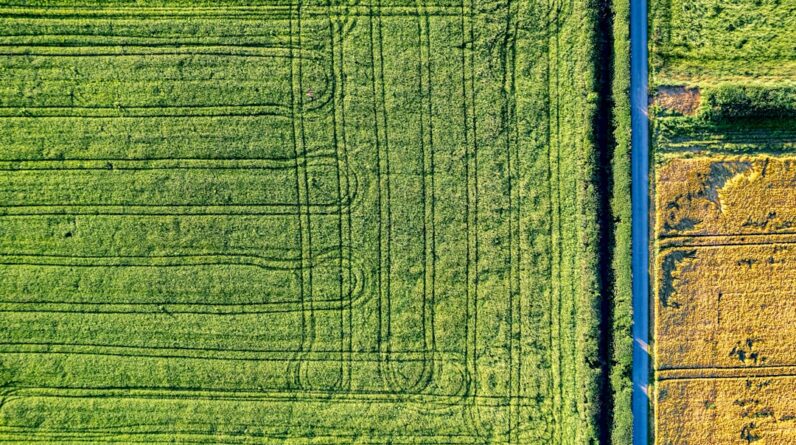
Drones have emerged as a transformative tool in the realm of reforestation, revolutionizing how you approach the restoration of forests. These unmanned aerial vehicles (UAVs) are not just for capturing stunning aerial photographs; they play a crucial role in surveying large areas of land quickly and efficiently. By utilizing drones, you can gather high-resolution images and data that help identify deforested regions, assess the health of existing forests, and plan reforestation strategies with precision.
This technology allows you to cover vast terrains that would otherwise be time-consuming and labor-intensive to analyze on foot. Moreover, drones can be equipped with seed dispersal mechanisms, enabling you to plant trees in hard-to-reach areas. This method, often referred to as “drone seeding,” allows for the rapid deployment of seeds over large landscapes, significantly increasing the number of trees planted in a shorter time frame.
By using drones, you can also monitor the growth of these newly planted trees from above, ensuring that they are thriving and adapting to their environment. The integration of drones into reforestation efforts not only enhances efficiency but also reduces costs, making it a viable option for large-scale restoration projects.
Key Takeaways
- Drones play a crucial role in reforestation efforts by planting trees in hard-to-reach areas and monitoring the progress of reforested areas.
- Artificial intelligence is being used to identify ideal reforestation sites by analyzing various factors such as soil health, climate conditions, and biodiversity.
- Soil health is of utmost importance in reforestation projects as it directly impacts the success and sustainability of newly planted trees.
- Drones and AI are essential for monitoring and maintaining reforested areas, ensuring the long-term success and health of the new forests.
- Drones and AI are helping to improve reforestation success rates by overcoming challenges such as deforestation, climate change, and limited resources, leading to environmental and economic benefits.
Utilizing Artificial Intelligence to Identify Ideal Reforestation Sites
Artificial intelligence (AI) is playing an increasingly vital role in identifying the most suitable sites for reforestation. By analyzing vast amounts of data, AI algorithms can assess various environmental factors such as soil quality, climate conditions, and existing biodiversity. This data-driven approach allows you to pinpoint areas that are not only suitable for planting but also have the potential for long-term ecological success.
With AI, you can make informed decisions about where to focus your reforestation efforts, maximizing the impact of your initiatives. Furthermore, AI can help predict future environmental changes that may affect reforested areas. By utilizing machine learning models, you can analyze historical climate data and project future trends, allowing you to select tree species that are more likely to thrive in changing conditions.
This foresight is crucial for ensuring the sustainability of reforestation projects. By leveraging AI technology, you can enhance your ability to create resilient ecosystems that can withstand the challenges posed by climate change and other environmental stressors.
The Importance of Soil Health in Reforestation Projects
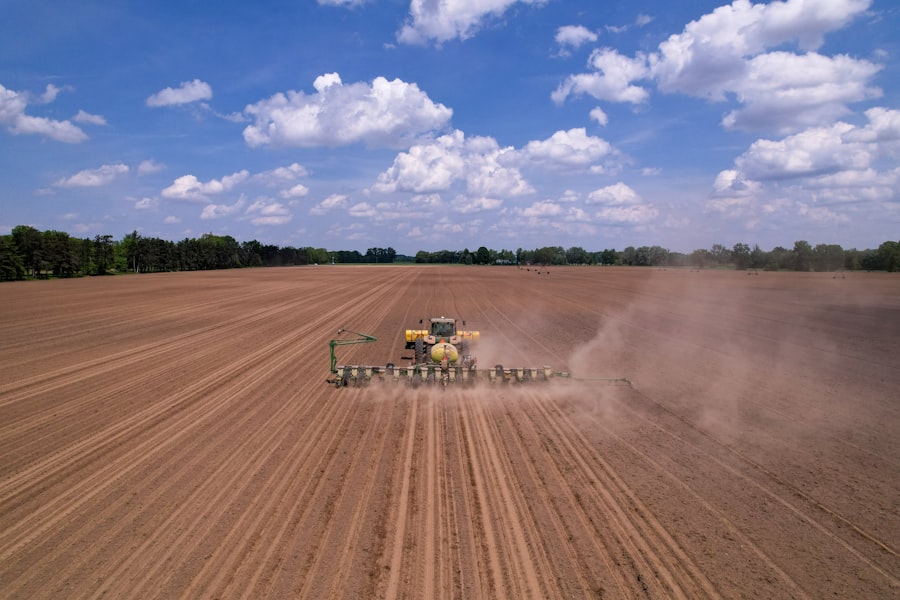
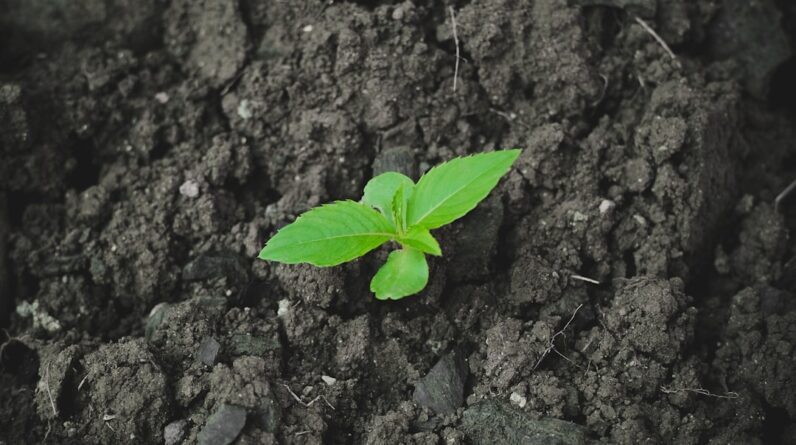
Soil health is a fundamental aspect of successful reforestation efforts that you cannot overlook. Healthy soil provides the necessary nutrients and support for young trees to grow and thrive. When embarking on a reforestation project, it is essential to assess the soil quality in your chosen area.
Factors such as pH levels, organic matter content, and microbial activity all play a significant role in determining how well trees will establish themselves. By conducting thorough soil assessments, you can tailor your reforestation strategies to improve soil health and create an optimal environment for growth. In addition to assessing soil quality, you should also consider implementing practices that enhance soil health over time.
Techniques such as cover cropping, mulching, and organic amendments can improve soil structure and fertility. By fostering a healthy soil ecosystem, you not only support the growth of newly planted trees but also contribute to the overall resilience of the landscape. Healthy soils can better retain water, sequester carbon, and support diverse plant and animal life, making them a cornerstone of effective reforestation efforts.
Monitoring and Maintenance: How Drones and AI Help Sustain Reforested Areas
Once reforestation projects are underway, ongoing monitoring and maintenance become critical to their success. Drones equipped with advanced imaging technology can provide real-time data on tree growth and health. By regularly surveying the reforested areas from above, you can quickly identify any issues such as pest infestations or disease outbreaks that may threaten the young trees.
This proactive approach allows you to address problems before they escalate, ensuring that your reforestation efforts yield positive results. AI also plays a significant role in monitoring reforested areas by analyzing data collected from drones and other sources. Machine learning algorithms can detect patterns in tree growth and health over time, providing insights into how well the ecosystem is developing.
By combining drone technology with AI analytics, you can create a comprehensive monitoring system that not only tracks the progress of your reforestation efforts but also informs future management decisions. This synergy between technology and ecological stewardship is essential for sustaining healthy forests in the long term.
Overcoming Challenges: How Drones and AI Are Improving Reforestation Success Rates
Reforestation projects often face numerous challenges that can hinder their success. Factors such as climate variability, invasive species, and human encroachment can pose significant threats to newly planted trees. However, by harnessing the power of drones and AI, you can effectively mitigate these challenges and improve success rates.
For instance, drones can be used to monitor environmental conditions in real-time, allowing you to adapt your strategies based on current weather patterns or emerging threats. AI can also assist in predicting potential challenges before they arise. By analyzing historical data on climate patterns and ecological changes, AI algorithms can forecast risks associated with specific locations or tree species.
This predictive capability enables you to make informed decisions about which areas to prioritize for reforestation and which species are best suited for those environments. By proactively addressing potential challenges through technology-driven insights, you can significantly enhance the likelihood of successful reforestation outcomes.
The Environmental and Economic Benefits of Accelerated Reforestation
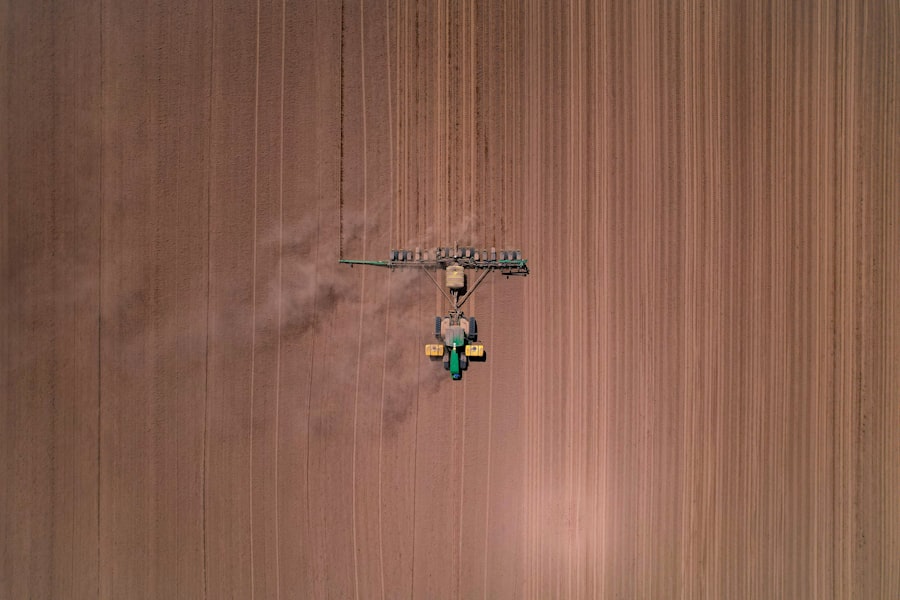
Accelerated reforestation offers a multitude of environmental and economic benefits that extend beyond simply planting trees. From an environmental perspective, reforestation plays a crucial role in combating climate change by sequestering carbon dioxide from the atmosphere. As trees grow, they absorb CO2, helping to mitigate the effects of global warming.
Additionally, reforested areas contribute to biodiversity conservation by providing habitats for various species and restoring ecosystems that have been degraded over time. Economically, investing in reforestation initiatives can yield significant returns. Healthy forests provide valuable resources such as timber, non-timber forest products, and recreational opportunities that can boost local economies.
Furthermore, by enhancing ecosystem services like water filtration and soil stabilization, reforested areas contribute to improved agricultural productivity and reduced costs associated with natural disasters. By recognizing the interconnectedness of environmental health and economic prosperity, you can advocate for accelerated reforestation as a win-win solution for both nature and communities.
Community Involvement and Education in Reforestation Efforts
Community involvement is essential for the long-term success of reforestation projects. Engaging local communities not only fosters a sense of ownership but also ensures that initiatives are culturally relevant and sustainable. You can organize workshops and educational programs to raise awareness about the importance of reforestation and empower community members to participate actively in restoration efforts.
By involving local stakeholders in decision-making processes, you create a collaborative environment where everyone has a stake in the health of their ecosystem. Education plays a pivotal role in fostering a culture of stewardship towards forests. By teaching community members about sustainable land management practices and the ecological benefits of trees, you equip them with the knowledge needed to protect their natural resources.
Additionally, involving schools in reforestation initiatives can inspire younger generations to become advocates for environmental conservation. Through hands-on experiences such as tree planting events or nature walks, you instill a sense of responsibility towards the environment that can last a lifetime.
The Future of Reforestation: Innovations in Drones, AI, and Soil Management
As technology continues to advance, the future of reforestation looks promising with innovations in drones, AI, and soil management techniques on the horizon. You can expect drones to become even more sophisticated, equipped with enhanced sensors capable of detecting subtle changes in vegetation health or soil moisture levels. These advancements will allow for more precise monitoring and management of reforested areas.
AI will also evolve to provide deeper insights into ecosystem dynamics, enabling you to make more informed decisions about species selection and site management strategies. Additionally, innovations in soil management practices will further enhance soil health through regenerative agriculture techniques that promote biodiversity and resilience. In conclusion, the integration of drones and AI into reforestation efforts represents a significant leap forward in restoring our planet’s forests.
By embracing these technologies while prioritizing community involvement and education, you can contribute to creating healthier ecosystems for future generations. The path ahead is filled with opportunities for innovation and collaboration as we work together towards a greener future through accelerated reforestation initiatives.
In a related article on livelifewithacause.org, the importance of reforestation in helping the environment is discussed in detail. The article highlights how planting trees can combat deforestation, restore ecosystems, and improve air quality. It also emphasizes the role of reforestation in mitigating climate change by sequestering carbon dioxide from the atmosphere. This article further underscores the significance of reforestation efforts in preserving biodiversity and promoting sustainable development.
FAQs
What are drones and AI used for in reforestation?
Drones are used to survey and map deforested areas, while AI is used to analyze the data collected and identify the best locations for reforestation.
How do drones and AI help reforest faster?
Drones and AI help reforest faster by efficiently identifying the most suitable areas for planting trees, allowing for targeted and strategic reforestation efforts.
What role does dirt play in the reforestation process?
Dirt, or soil, is essential for the growth of trees and other vegetation. It provides the necessary nutrients and support for the roots of the newly planted trees.
How is technology changing the reforestation industry?
Technology, such as drones and AI, is revolutionizing the reforestation industry by enabling more efficient and effective methods for identifying and restoring deforested areas.