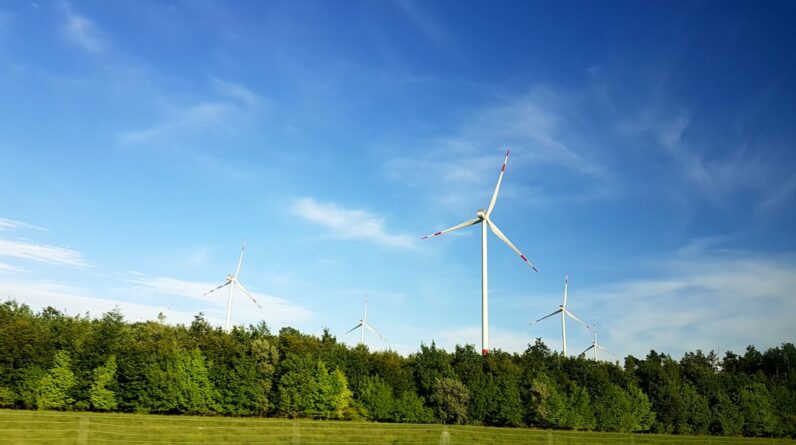
In recent years, the world has witnessed a remarkable phenomenon: the silent return of endangered species to their natural habitats, particularly in reforested areas. As you delve into this topic, you will discover how dedicated conservation efforts and the restoration of ecosystems have created a sanctuary for species once on the brink of extinction. The narrative of these comebacks is not just about numbers; it is a testament to resilience, hope, and the power of nature to heal when given a chance.
You may find yourself inspired by the stories of these species reclaiming their rightful places in the ecosystem, reminding us of the intricate connections that bind all living beings. Reforestation plays a pivotal role in this resurgence. By restoring forests that have been lost to deforestation, you are not only revitalizing the environment but also providing a lifeline for countless species.
The interplay between trees, soil, water, and wildlife creates a complex web of life that supports biodiversity. As you explore this topic further, you will come to appreciate how reforestation initiatives are not merely about planting trees; they are about nurturing ecosystems that can sustain life in all its forms. The silent return of endangered species is a powerful narrative that underscores the importance of environmental stewardship and the potential for recovery when humans take action.
Key Takeaways
- Reforestation has led to the silent return of endangered species in reforested areas.
- Reforestation plays a crucial role in providing habitat and resources for endangered species to thrive.
- Success stories of endangered species making comebacks in reforested areas highlight the positive impact of reforestation efforts.
- Endangered species in reforested areas face challenges such as habitat fragmentation and human-wildlife conflict.
- Community engagement is essential in supporting the conservation of endangered species in reforested areas.
The Importance of Reforestation for Endangered Species
Reforestation is crucial for endangered species as it restores habitats that have been lost or degraded over time. When you consider the impact of deforestation, it becomes clear that entire ecosystems can collapse, leading to the decline of various species. By replanting trees and restoring native vegetation, you create an environment where wildlife can thrive once again.
This process not only provides shelter and food sources but also helps maintain the delicate balance of ecosystems that many species depend on for survival. Moreover, reforestation contributes to the overall health of the planet. As you learn more about this topic, you will discover that forests play a vital role in carbon sequestration, water purification, and soil stabilization.
These functions are essential not only for wildlife but also for human populations. By supporting reforestation efforts, you are participating in a global movement that seeks to combat climate change and promote biodiversity. The interconnectedness of these issues highlights the importance of viewing reforestation as a multifaceted solution to environmental challenges.
Success Stories of Endangered Species Making Comebacks in Reforested Areas
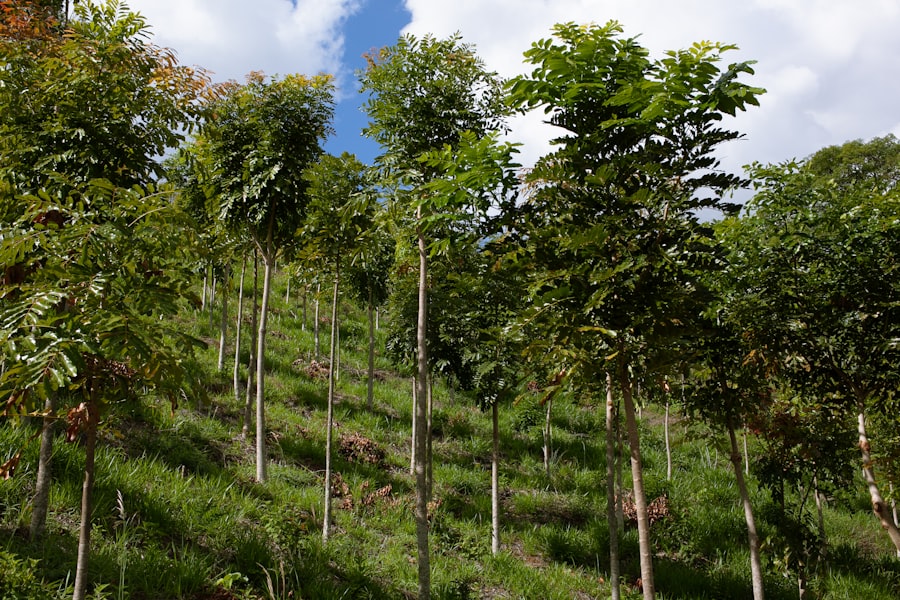
As you explore the success stories of endangered species making comebacks in reforested areas, you will encounter inspiring examples that showcase the effectiveness of conservation efforts. One such story is that of the California condor, which faced near extinction in the 1980s due to habitat loss and lead poisoning. Through intensive breeding programs and habitat restoration initiatives, these magnificent birds have begun to reclaim their place in the skies.
Reforested areas provide essential nesting sites and food sources, allowing their populations to grow and thrive once more. Another remarkable example is the return of the red wolf in North Carolina. Once thought to be extinct in the wild, concerted efforts to restore their habitat through reforestation have led to a gradual increase in their numbers.
You will find it fascinating how these wolves have adapted to their new surroundings, utilizing the dense cover provided by reforested areas for hunting and denning. These success stories serve as powerful reminders that with dedication and strategic planning, it is possible to reverse the decline of endangered species and restore balance to ecosystems.
Challenges and Obstacles Faced by Endangered Species in Reforested Areas
Despite the successes, endangered species still face numerous challenges in reforested areas. As you delve deeper into this topic, you will uncover issues such as habitat fragmentation, invasive species, and human encroachment that threaten their survival. Even in restored habitats, these obstacles can hinder the recovery of populations.
For instance, if reforested areas are not large enough or connected to other habitats, species may struggle to find mates or access necessary resources. Additionally, invasive species can disrupt the delicate balance of newly restored ecosystems. You may find it concerning that non-native plants and animals can outcompete native species for resources, further complicating recovery efforts.
Conservationists must remain vigilant in monitoring these threats and implementing strategies to mitigate their impact. Understanding these challenges is crucial for developing effective conservation plans that ensure the long-term survival of endangered species in reforested areas.
The Role of Community Engagement in Supporting Endangered Species in Reforested Areas
Community engagement plays a vital role in supporting endangered species within reforested areas. As you explore this aspect, you will see how local communities can become powerful allies in conservation efforts. By involving residents in reforestation projects and educating them about the importance of biodiversity, you empower them to take ownership of their environment.
This grassroots approach fosters a sense of stewardship that can lead to sustainable practices and long-term commitment to protecting wildlife. Moreover, community engagement can enhance monitoring and research efforts. When local people are involved in observing wildlife and reporting changes in their habitats, you gain valuable insights that can inform conservation strategies.
This collaborative approach not only strengthens conservation initiatives but also builds resilience within communities as they adapt to changing environmental conditions. As you reflect on this topic, consider how fostering connections between people and nature can lead to more effective conservation outcomes.
The Impact of Climate Change on Endangered Species in Reforested Areas

Climate change poses significant challenges for endangered species in reforested areas. As you examine this issue, you will find that shifting weather patterns, rising temperatures, and altered precipitation levels can disrupt ecosystems and threaten wildlife survival. For instance, changes in temperature may affect the timing of flowering plants or the availability of food sources for certain species.
This can create a cascade effect throughout the food web, impacting not only individual species but entire ecosystems. Additionally, climate change can exacerbate existing threats such as habitat loss and fragmentation. As forests are altered by changing climatic conditions, you may notice that some areas become less suitable for certain species while others may become more hospitable for invasive species.
This dynamic creates an ongoing challenge for conservationists who must adapt their strategies to address these evolving threats. Understanding the intersection between climate change and endangered species is essential for developing resilient conservation plans that can withstand future uncertainties.
Future Prospects for Endangered Species in Reforested Areas
Looking ahead, the future prospects for endangered species in reforested areas are both hopeful and complex. As you consider potential pathways forward, it becomes clear that continued investment in reforestation efforts is essential for fostering biodiversity and supporting wildlife recovery. Innovative approaches such as agroforestry and mixed-species plantations can enhance habitat quality while providing economic benefits to local communities.
Furthermore, advancements in technology offer exciting possibilities for monitoring wildlife populations and assessing ecosystem health. You may find it intriguing how tools like remote sensing and genetic analysis can provide valuable data that informs conservation strategies. By harnessing these technologies alongside community engagement and adaptive management practices, there is potential for significant progress in supporting endangered species within reforested areas.
The Continued Efforts Needed to Support Endangered Species in Reforested Areas
In conclusion, the silent return of endangered species to reforested areas is a powerful narrative of hope and resilience. However, as you reflect on this journey, it becomes evident that continued efforts are necessary to ensure their long-term survival. Reforestation initiatives must be coupled with comprehensive strategies that address challenges such as climate change, habitat fragmentation, and invasive species.
Moreover, fostering community engagement remains crucial for building a culture of conservation that empowers individuals to take action on behalf of their environment. As you consider your role in this global movement, remember that every effort counts—whether it’s supporting local conservation projects or advocating for policies that protect natural habitats. Together, we can contribute to a brighter future for endangered species and the ecosystems they inhabit, ensuring that their silent return continues for generations to come.
In a related article on biodiversity reservoirs in healthy forests, it discusses the importance of reforestation efforts in creating habitats for endangered species to thrive. Just like in “The Silent Return,” these reforested areas serve as crucial sanctuaries for wildlife populations that are on the brink of extinction. By understanding the interconnectedness of healthy forests and biodiversity, we can continue to support the resurgence of endangered species and promote a more sustainable ecosystem.
FAQs
What are some examples of endangered species making comebacks in reforested areas?
Some examples of endangered species making comebacks in reforested areas include the California condor, the black-footed ferret, the red-cockaded woodpecker, and the Iberian lynx.
How do reforested areas contribute to the comeback of endangered species?
Reforested areas provide crucial habitat for endangered species, offering food sources, shelter, and breeding grounds. Reforestation also helps to restore ecological balance and create corridors for species to move and thrive.
What are the benefits of reforestation for endangered species?
Reforestation provides numerous benefits for endangered species, including increased habitat availability, improved biodiversity, and enhanced ecosystem services such as carbon sequestration and water regulation.
What are some challenges in the silent return of endangered species in reforested areas?
Challenges in the silent return of endangered species in reforested areas include habitat fragmentation, human-wildlife conflicts, and the need for ongoing conservation efforts to ensure the long-term survival of these species.
How can individuals contribute to the conservation of endangered species in reforested areas?
Individuals can contribute to the conservation of endangered species in reforested areas by supporting reforestation efforts, participating in habitat restoration projects, and advocating for policies that protect and preserve critical habitats for these species.