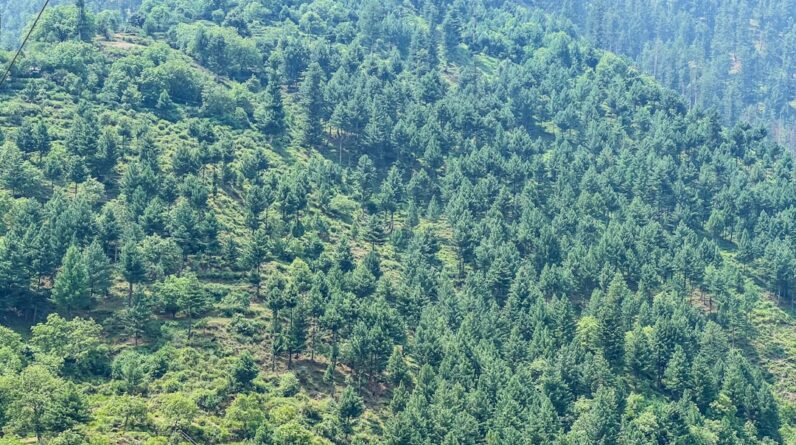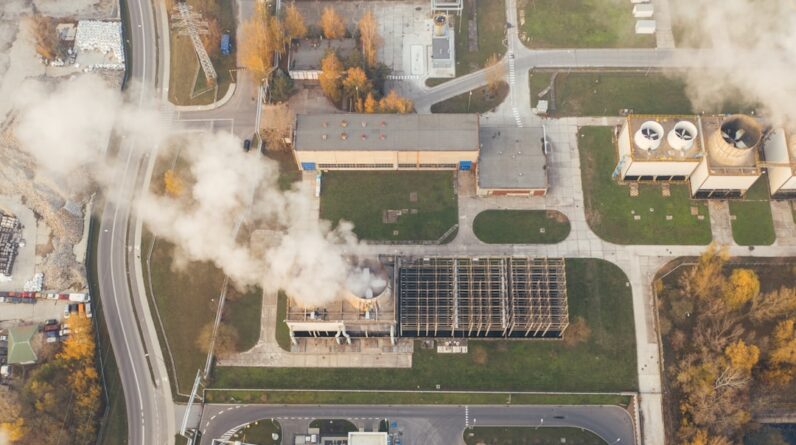
Reforestation is the process of replanting trees in areas where forests have been depleted or destroyed. This practice is not merely about planting trees; it encompasses a broader understanding of ecosystems, biodiversity, and the intricate relationships that exist within them. When you engage in reforestation, you are participating in a vital ecological restoration effort that can help revive habitats, improve air quality, and combat climate change.
The act of reforesting can take many forms, from large-scale government initiatives to grassroots community projects, each contributing to the overall health of our planet. As you delve deeper into the concept of reforestation, you will discover its multifaceted benefits. It serves as a natural solution to many environmental issues, including soil erosion, loss of biodiversity, and carbon sequestration.
By planting trees, you are not only restoring landscapes but also creating a sustainable future for generations to come. Understanding the nuances of reforestation allows you to appreciate its significance in maintaining ecological balance and promoting resilience against climate change.
Key Takeaways
- Reforestation is the process of planting trees in areas where forests have been depleted, with the goal of restoring ecological balance and increasing forest cover.
- Aquifer recharge is the process of replenishing underground water sources, which is crucial for maintaining water availability and quality.
- Trees play a vital role in aquifer recharge by capturing and storing rainwater, reducing surface runoff, and allowing water to percolate into the ground.
- Deforestation has a detrimental impact on aquifer recharge, leading to decreased water availability and quality, and increased risk of drought and water scarcity.
- Successful reforestation projects have demonstrated the potential to enhance aquifer recharge, restore ecosystems, and provide numerous economic and environmental benefits.
The Importance of Aquifer Recharge
Aquifer recharge is a critical process that replenishes underground water supplies, ensuring that communities have access to fresh water. As you consider the importance of aquifers, it becomes clear that they are essential for drinking water, agriculture, and industrial use. The sustainability of these water sources is directly linked to how well they are recharged.
Without adequate recharge, aquifers can become depleted, leading to severe consequences such as water scarcity and increased competition for resources. You may not realize it, but the health of aquifers is intricately tied to land use practices and environmental stewardship. When rainwater is allowed to infiltrate the ground rather than running off into streams and rivers, it has the potential to replenish aquifers.
This process is vital for maintaining the balance of ecosystems and ensuring that both human and wildlife populations have access to necessary water supplies. Understanding aquifer recharge helps you recognize the importance of sustainable land management practices that promote water conservation and protect these vital resources.
The Role of Trees in Aquifer Recharge
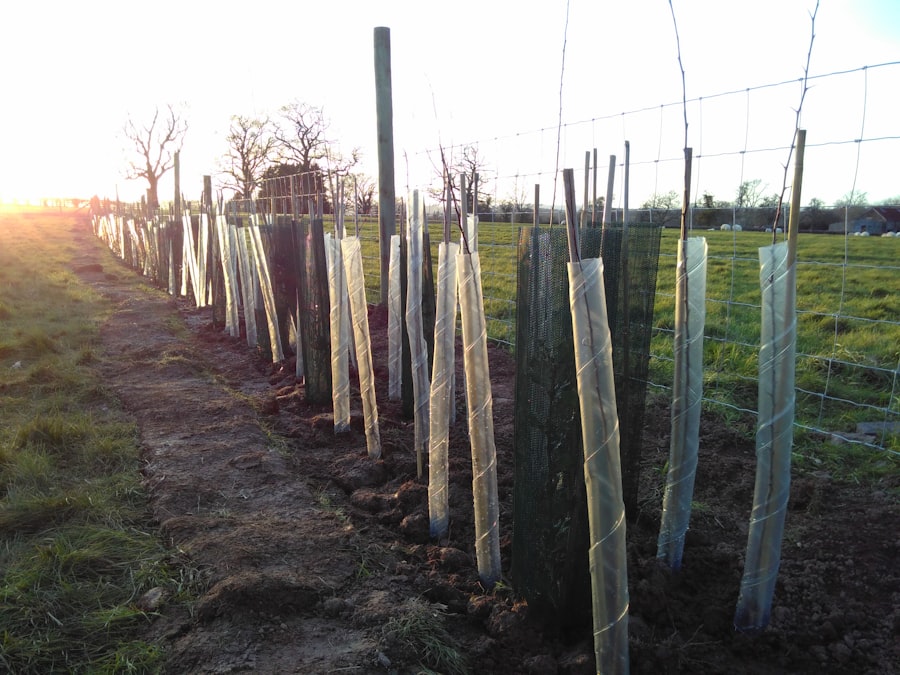
Trees play a pivotal role in the aquifer recharge process. As you explore this relationship, you will find that trees help facilitate water infiltration into the soil through their root systems. The roots create channels that allow rainwater to penetrate deeper into the ground, where it can reach aquifers.
Additionally, trees help reduce surface runoff by slowing down rainfall and allowing more time for water to seep into the earth. This natural filtration process is essential for maintaining clean and healthy groundwater supplies. Moreover, trees contribute to the overall health of the soil, enhancing its ability to retain moisture.
When you plant trees, you are not only providing shade and habitat for wildlife but also improving soil structure and fertility. Healthy soils are better equipped to absorb and store water, which directly benefits aquifer recharge. By understanding the role of trees in this process, you can appreciate how reforestation efforts can lead to more sustainable water management practices and healthier ecosystems.
Impact of Deforestation on Aquifer Recharge
Deforestation poses a significant threat to aquifer recharge and overall environmental health. When forests are cleared for agriculture, urban development, or logging, the natural processes that facilitate water infiltration are disrupted. You may notice that without trees, rainwater tends to run off quickly rather than being absorbed into the ground.
This not only leads to reduced aquifer recharge but also increases the risk of soil erosion and sedimentation in waterways. The consequences of deforestation extend beyond immediate water supply issues. As you consider the long-term impacts, it becomes evident that deforestation can lead to decreased biodiversity and altered climate patterns.
The loss of tree cover can exacerbate drought conditions and increase the frequency of flooding events, further stressing already vulnerable aquifers. Understanding these impacts highlights the urgent need for sustainable land management practices that prioritize forest conservation and restoration.
Success Stories of Reforestation Projects
Across the globe, numerous reforestation projects have demonstrated the potential for restoring ecosystems and enhancing aquifer recharge. One notable example is the Bonn Challenge, an international effort aimed at restoring 150 million hectares of deforested and degraded land by 2020. As you explore these success stories, you will find that many communities have come together to plant trees, restore habitats, and improve local water supplies.
In Ethiopia, the Green Legacy Initiative has gained attention for its ambitious goal of planting 4 billion trees in a single year. This project not only aims to combat deforestation but also seeks to improve water availability in arid regions by enhancing aquifer recharge. By engaging local communities in tree planting efforts, Ethiopia is setting a powerful example of how reforestation can lead to tangible benefits for both people and the environment.
Techniques for Enhancing Aquifer Recharge through Reforestation
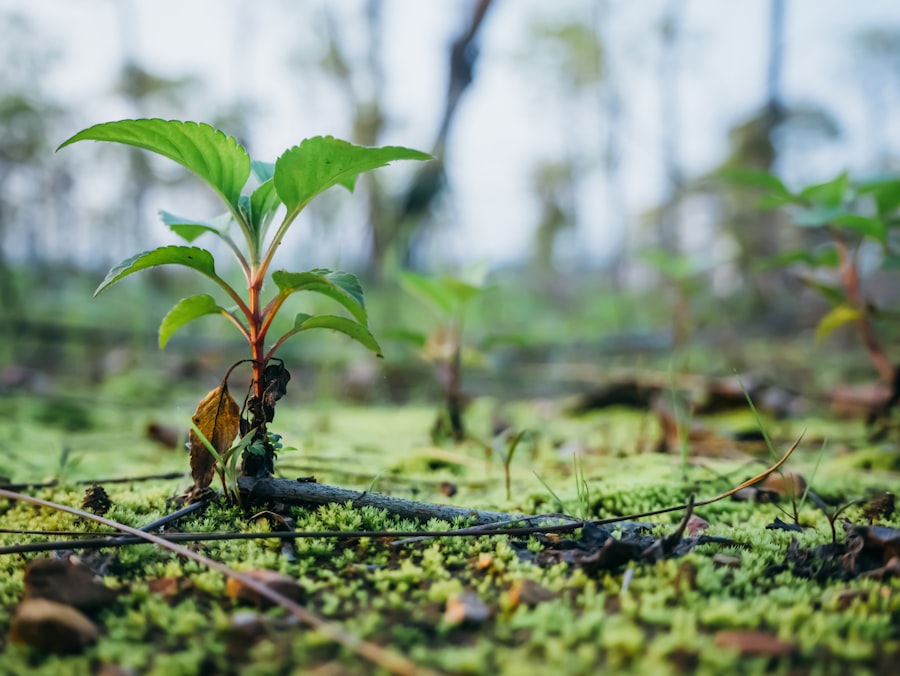
To maximize the benefits of reforestation for aquifer recharge, various techniques can be employed. One effective method is agroforestry, which integrates trees into agricultural landscapes. By planting trees alongside crops, you can create a more diverse ecosystem that enhances soil health and improves water retention.
This approach not only supports aquifer recharge but also provides additional income sources for farmers through timber or fruit production. Another technique involves using contour planting or terracing on sloped land. By planting trees along the contours of the land, you can slow down water runoff and promote infiltration into the soil.
This method helps reduce erosion while simultaneously enhancing aquifer recharge. As you consider these techniques, it becomes clear that innovative approaches to reforestation can significantly impact water management practices and contribute to sustainable land use.
Economic and Environmental Benefits of Reforestation for Aquifer Recharge
The economic benefits of reforestation extend far beyond environmental restoration; they also encompass job creation and improved livelihoods. When you invest in reforestation projects, you are supporting local economies by providing employment opportunities in tree planting, maintenance, and sustainable forestry practices. Additionally, healthier ecosystems lead to increased tourism potential as people seek out natural areas for recreation and relaxation.
From an environmental perspective, reforestation plays a crucial role in mitigating climate change by sequestering carbon dioxide from the atmosphere. As trees grow, they absorb CO2 and release oxygen, contributing to cleaner air quality. Furthermore, by enhancing aquifer recharge through reforestation efforts, you are helping ensure a sustainable water supply for future generations.
The interconnectedness of these benefits underscores the importance of prioritizing reforestation as a key strategy for addressing both economic and environmental challenges.
The Future of Reforestation and Aquifer Recharge
Looking ahead, the future of reforestation and aquifer recharge appears promising yet challenging. As climate change continues to impact weather patterns and water availability, it becomes increasingly important to prioritize sustainable land management practices that support both tree growth and aquifer health. You may find that innovative technologies such as remote sensing and data analytics can play a significant role in monitoring reforestation efforts and assessing their impact on aquifer recharge.
Moreover, community engagement will be essential in driving successful reforestation initiatives. By involving local populations in decision-making processes and empowering them to take ownership of their natural resources, you can foster a sense of stewardship that leads to long-term sustainability. As you reflect on these possibilities, it becomes clear that a collaborative approach will be vital in ensuring that reforestation efforts effectively enhance aquifer recharge while addressing broader environmental challenges.
In conclusion, understanding the intricate relationship between reforestation and aquifer recharge is crucial for promoting sustainable land management practices. By recognizing the importance of trees in this process and learning from successful projects around the world, you can contribute to a more sustainable future for both people and the planet. Embracing innovative techniques and fostering community engagement will be key in ensuring that reforestation efforts yield lasting benefits for aquifers and ecosystems alike.
In a related article on how planting trees helps the environment, the importance of reforestation in combating climate change and preserving biodiversity is highlighted. The article discusses how planting trees can help reduce carbon dioxide levels in the atmosphere, provide habitat for wildlife, and improve air and water quality. This further emphasizes the crucial role that reforestation plays in not only replenishing aquifers but also in promoting overall environmental health and sustainability.
FAQs
What is reforestation?
Reforestation is the process of planting trees in areas where forests have been depleted or destroyed. It is done to restore the ecological balance, prevent soil erosion, and combat climate change.
What is aquifer recharge?
Aquifer recharge is the process of replenishing underground water sources, known as aquifers, with water from the surface. This is essential for maintaining water supplies for drinking, agriculture, and ecosystems.
How does reforestation contribute to aquifer recharge?
Reforestation plays a crucial role in aquifer recharge by increasing the infiltration of rainwater into the soil. Tree roots help to break up compacted soil, allowing water to penetrate deeper and replenish underground aquifers.
What are the benefits of reforestation for aquifer recharge?
Reforestation helps to improve water quality, reduce the risk of flooding, and sustain groundwater levels. It also supports biodiversity and provides habitat for wildlife.
Are there any specific regions where reforestation has had a significant impact on aquifer recharge?
Yes, there are several regions around the world where reforestation efforts have led to noticeable improvements in aquifer recharge, such as the Loess Plateau in China and the Atlantic Forest in Brazil.
What are some reforestation techniques that can enhance aquifer recharge?
Agroforestry, where trees are planted alongside crops, and riparian buffer zones, where trees are planted along waterways, are effective reforestation techniques for enhancing aquifer recharge. These methods help to reduce erosion and improve water retention in the soil.