
Reforestation is a vital process that involves the replanting of trees in areas where forests have been depleted or destroyed. This practice not only helps restore ecosystems but also plays a crucial role in combating climate change, preserving biodiversity, and supporting local communities. As you delve into the world of reforestation, you will discover that it is more than just planting trees; it is about nurturing the environment and fostering a sustainable future for generations to come.
The urgency of reforestation has never been more pronounced, as deforestation rates continue to rise due to urbanization, agriculture, and industrial activities. You may wonder why reforestation is so critical. Forests act as the lungs of our planet, absorbing carbon dioxide and releasing oxygen.
They provide habitat for countless species, regulate water cycles, and prevent soil erosion. When you consider the myriad benefits that forests offer, it becomes clear that reforestation is not merely an environmental concern but a necessity for human survival. By engaging in reforestation efforts, you contribute to a global movement aimed at restoring balance to our ecosystems and ensuring a healthier planet for all.
Key Takeaways
- Reforestation is the process of planting trees in areas where forests have been depleted, with the goal of restoring ecological balance and combating climate change.
- The Amazon Rainforest Reforestation Project aims to restore the world’s largest rainforest by planting millions of trees and promoting sustainable land use practices.
- The Great Green Wall of Africa is a massive reforestation initiative spanning 11 countries, with the goal of creating a 4,350-mile-long and 9-mile-wide mosaic of trees and vegetation across the entire width of Africa.
- The Bonn Challenge is a global effort to bring 150 million hectares of deforested and degraded land into restoration by 2020 and 350 million hectares by 2030.
- The Three-North Shelter Forest Program in China is the world’s largest ecological engineering project, aiming to create a “green Great Wall” of forests to combat desertification and soil erosion.
- The Atlantic Forest Restoration Pact is a commitment by the Brazilian government and various organizations to restore 15 million hectares of the Atlantic Forest by 2050.
- The Billion Tree Tsunami in Pakistan is a reforestation campaign that aims to plant one billion trees in the country’s degraded forests.
- In conclusion, reforestation plays a crucial role in mitigating climate change, preserving biodiversity, and ensuring the well-being of future generations. It is essential for governments, organizations, and individuals to support and participate in reforestation efforts around the world.
The Amazon Rainforest Reforestation Project
The Amazon Rainforest, often referred to as the “lungs of the Earth,” is one of the most biodiverse regions on the planet. However, it has faced significant threats from deforestation, primarily due to logging, agriculture, and mining. The Amazon Rainforest Reforestation Project aims to reverse this trend by restoring degraded areas and promoting sustainable land use practices.
As you explore this initiative, you will find that it not only focuses on planting trees but also on empowering local communities to engage in conservation efforts. In this project, you will see how collaboration plays a pivotal role. Local communities, governments, and non-governmental organizations work together to identify areas in need of restoration and develop strategies tailored to the unique challenges of the Amazon.
By involving indigenous populations in the decision-making process, the project ensures that traditional knowledge is respected and integrated into modern conservation practices. This holistic approach not only enhances the effectiveness of reforestation efforts but also fosters a sense of ownership among local communities.
The Great Green Wall of Africa
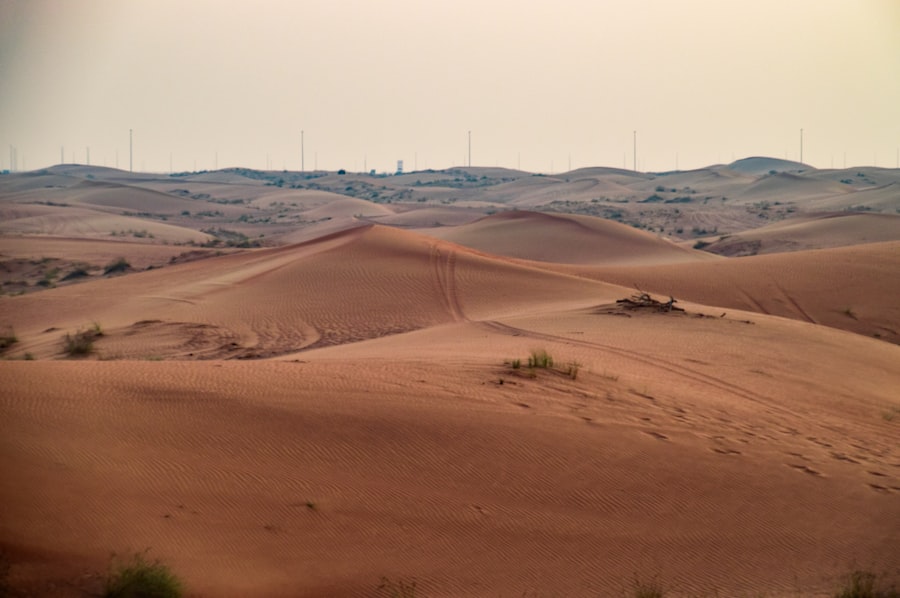
The Great Green Wall of Africa is an ambitious initiative aimed at combating desertification and restoring degraded landscapes across the Sahel region. Stretching from Senegal in the west to Djibouti in the east, this project seeks to create a mosaic of green spaces that can withstand the harsh conditions of climate change. As you learn about this monumental effort, you will appreciate its potential to transform not only the environment but also the lives of millions of people living in these vulnerable areas.
You may be surprised to discover that the Great Green Wall is not just about planting trees; it encompasses a wide range of activities aimed at improving land management and promoting sustainable agricultural practices. By engaging local communities in these efforts, the initiative empowers them to take charge of their environment while also addressing issues such as food security and poverty. As you reflect on the significance of this project, consider how it represents a beacon of hope for a region grappling with the effects of climate change and environmental degradation.
The Bonn Challenge
The Bonn Challenge is a global effort aimed at restoring 150 million hectares of deforested and degraded land by 2020, with an ambitious goal of reaching 350 million hectares by 2030. Launched in 2011 during the UN Climate Change Conference in Bonn, Germany, this initiative brings together governments, organizations, and individuals committed to reforestation and sustainable land management. As you explore the Bonn Challenge, you will find that it serves as a rallying point for countries to take action against deforestation while also addressing climate change.
One of the key aspects of the Bonn Challenge is its emphasis on collaboration and knowledge sharing. By providing a platform for countries to exchange best practices and lessons learned, the initiative fosters innovation in reforestation techniques and policies. You may find it inspiring that nations like Rwanda and Brazil have made significant strides in their reforestation efforts as part of this challenge.
The Bonn Challenge not only highlights the importance of restoring ecosystems but also underscores the collective responsibility we share in safeguarding our planet’s future.
The Three-North Shelter Forest Program in China
The Three-North Shelter Forest Program, also known as the “Great Green Wall,” is one of the largest reforestation projects in history. Launched in 1978, this ambitious initiative aims to combat desertification and soil erosion across northern China by creating a protective forest belt that spans over 4,500 kilometers. As you delve into this program, you will discover how it has transformed vast stretches of barren land into thriving forests, benefiting both the environment and local communities.
You may be intrigued by the scale and complexity of this program. It involves not only planting trees but also implementing sustainable land management practices that enhance soil fertility and water retention. By engaging local farmers in reforestation efforts, the program has created new economic opportunities while also promoting environmental stewardship.
As you reflect on the success of the Three-North Shelter Forest Program, consider how it serves as a model for other countries facing similar challenges related to desertification and land degradation.
The Atlantic Forest Restoration Pact
The Atlantic Forest Restoration Pact is a collaborative initiative aimed at restoring one of the world’s most threatened ecosystems: the Atlantic Forest in Brazil. Once covering over 1 million square kilometers, this forest has been drastically reduced due to urbanization and agriculture. As you explore this pact, you will find that it brings together various stakeholders—including governments, NGOs, and private companies—to work towards restoring 15 million hectares of degraded land by 2050.
What makes this initiative particularly noteworthy is its focus on biodiversity conservation alongside reforestation efforts. You will learn that restoring native species is crucial for maintaining ecological balance and supporting wildlife habitats. By prioritizing native tree species in their reforestation projects, participants in the Atlantic Forest Restoration Pact are not only enhancing carbon sequestration but also revitalizing ecosystems that have been severely impacted by human activity.
This multifaceted approach highlights the interconnectedness of environmental restoration and biodiversity conservation.
The Billion Tree Tsunami in Pakistan
The Billion Tree Tsunami is an ambitious reforestation campaign launched in Pakistan with the goal of planting one billion trees across the country. Initiated in 2014 as part of a broader effort to combat climate change and restore degraded landscapes, this project has garnered international attention for its scale and impact. As you delve into this initiative, you will discover how it has transformed barren lands into lush green spaces while also addressing pressing social issues such as poverty and unemployment.
You may be inspired by how this campaign has mobilized communities across Pakistan to participate actively in reforestation efforts. By involving local residents in tree planting activities, the Billion Tree Tsunami fosters a sense of ownership and responsibility towards the environment. Additionally, it provides economic opportunities through jobs related to forestry and sustainable land management practices.
As you reflect on the success of this initiative, consider how it exemplifies the power of grassroots movements in driving positive change for both people and the planet.
The Importance of Reforestation
As you conclude your exploration of reforestation initiatives around the world, it becomes evident that these efforts are not merely about planting trees; they represent a collective commitment to restoring our planet’s health and resilience. Reforestation plays a crucial role in mitigating climate change, preserving biodiversity, and supporting local communities. Each project discussed highlights unique approaches tailored to specific environmental challenges while emphasizing collaboration among various stakeholders.
You may feel inspired by the stories of transformation and hope that emerge from these initiatives. They remind us that every action counts—whether it’s participating in local tree-planting events or advocating for policies that support sustainable land management practices. As you reflect on your own role in this global movement, consider how you can contribute to reforestation efforts in your community or support organizations dedicated to environmental restoration.
Ultimately, reforestation is not just an environmental issue; it is a pathway towards a sustainable future for all living beings on our planet.
If you are interested in learning more about combatting global warming through massive tree planting, check out this article on livelifewithacause.org. It provides valuable insights into the importance of reforestation projects in mitigating climate change and preserving our planet for future generations. Additionally, you can explore other articles on livelifewithacause.org to discover more ways to make a positive impact on the environment, such as stopping forest burning to save trees and animals.
FAQs
What are reforestation projects?
Reforestation projects involve the planting of trees in areas where forests have been depleted or destroyed, with the goal of restoring the ecological balance and increasing forest cover.
Why are reforestation projects important?
Reforestation projects are important for combating climate change, preserving biodiversity, preventing soil erosion, and providing habitat for wildlife. They also contribute to the overall health of the planet by absorbing carbon dioxide and releasing oxygen.
What are some of the world’s largest reforestation projects?
Some of the world’s largest reforestation projects include the Great Green Wall in Africa, the Bonn Challenge, the Atlantic Forest Restoration Pact in Brazil, and the National Forestation Program in China.
How do reforestation projects benefit the environment?
Reforestation projects benefit the environment by sequestering carbon, improving air and water quality, preventing desertification, and providing habitat for a wide range of plant and animal species.
What challenges do reforestation projects face?
Reforestation projects face challenges such as securing funding and resources, addressing land tenure issues, dealing with invasive species, and ensuring the long-term survival of newly planted trees.