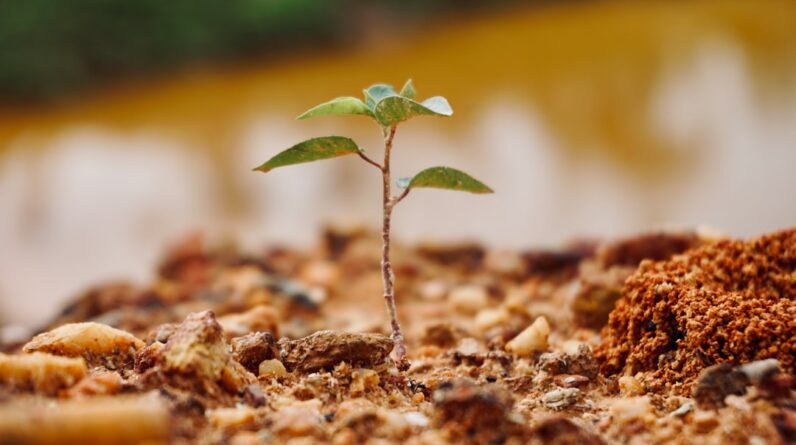
Reforestation plays a crucial role in water conservation, acting as a natural solution to many of the water-related challenges you face today. As forests are restored, they enhance the ability of the land to capture and store water, which is vital for maintaining healthy ecosystems and supporting human needs. Trees absorb rainfall, allowing it to percolate into the soil rather than running off into streams and rivers.
This process not only replenishes groundwater supplies but also reduces the risk of flooding, which can devastate communities and ecosystems alike. By investing in reforestation, you are directly contributing to a more sustainable water future. Moreover, reforestation helps to improve water quality.
Forests act as natural filters, trapping pollutants and sediments before they can enter waterways. This filtration process is essential for maintaining clean drinking water and supporting aquatic life. When you support reforestation efforts, you are not just planting trees; you are fostering healthier watersheds that benefit both people and wildlife.
The interconnectedness of forests and water resources underscores the importance of prioritizing reforestation as a key strategy in your efforts to conserve water.
Key Takeaways
- Reforestation plays a crucial role in water conservation by preventing soil erosion and maintaining water quality.
- Successful reforestation projects have shown significant hydrological benefits, such as improved water flow and reduced sedimentation.
- Forests regulate water flow and quality, acting as natural filters and reservoirs for water storage.
- Reforestation contributes to groundwater recharge, replenishing underground water sources and sustaining water availability.
- Deforestation leads to soil erosion and water scarcity, highlighting the importance of reforestation in addressing these interconnected issues.
Reforestation and its Impact on Watershed Management
Watershed management is a critical aspect of ensuring sustainable water resources, and reforestation is a powerful tool in this regard. When you engage in reforestation within a watershed, you enhance its capacity to manage water flow and quality effectively. Trees play a vital role in regulating the hydrological cycle by intercepting rainfall, reducing surface runoff, and promoting groundwater recharge.
This means that by restoring forests in your watershed, you are actively improving its resilience to both droughts and floods. In addition to regulating water flow, reforestation contributes to biodiversity within watersheds. Healthy forests provide habitat for various species, which in turn supports ecosystem services that are essential for water management.
For instance, diverse plant life can help stabilize soil, reducing erosion and sedimentation in rivers and streams. By prioritizing reforestation in your watershed management strategies, you are not only safeguarding water resources but also promoting ecological health and resilience.
Case Studies: Successful Reforestation Projects and Their Hydrological Benefits
Examining successful reforestation projects around the world can provide valuable insights into the hydrological benefits of these initiatives. One notable example is the reforestation efforts in the Loess Plateau of China. Over the past few decades, this region has seen significant tree planting initiatives aimed at combating soil erosion and restoring degraded land.
As a result of these efforts, you can observe improved water retention in the soil, leading to increased agricultural productivity and enhanced water quality in local rivers. Another compelling case is found in Costa Rica, where reforestation has been integrated into national policy. The country has implemented programs that incentivize landowners to restore forests on their properties.
This has led to a remarkable recovery of forest cover, which has had a direct positive impact on watershed health. You can see how these restored forests have improved water quality by reducing sedimentation and increasing the availability of clean drinking water for local communities. These case studies illustrate that when you invest in reforestation, you are not only addressing environmental degradation but also enhancing the hydrological health of entire regions.
The Role of Forests in Regulating Water Flow and Quality
Forests serve as natural regulators of water flow and quality, playing an indispensable role in maintaining the balance of ecosystems. When you think about how trees interact with rainfall, consider that they absorb significant amounts of water through their roots and release it slowly back into the atmosphere through a process called transpiration. This natural mechanism helps to maintain humidity levels and regulate local climates, which is essential for sustaining both terrestrial and aquatic ecosystems.
Furthermore, forests contribute to improved water quality by acting as buffers against pollutants. As rainwater flows through forested areas, it encounters various plant species that can absorb or filter out harmful substances. This means that when you protect or restore forests, you are also safeguarding the quality of the water that flows into rivers and lakes.
The intricate relationship between forests and water underscores the need for comprehensive conservation strategies that prioritize both tree planting and watershed protection.
Reforestation and its Contribution to Groundwater Recharge
Groundwater recharge is a critical component of sustainable water management, and reforestation plays a significant role in this process. When you plant trees, their root systems create pathways for rainwater to infiltrate the soil, replenishing aquifers that provide essential drinking water supplies. This is particularly important in regions where surface water is scarce or unreliable.
By enhancing groundwater recharge through reforestation, you are helping to secure a vital resource for future generations. In addition to improving groundwater levels, reforested areas can also help maintain the quality of groundwater supplies. As trees filter rainwater before it enters the aquifer, they reduce the risk of contamination from surface pollutants.
This dual benefit of reforestation—boosting both quantity and quality of groundwater—highlights its importance in your efforts to address water scarcity issues. By prioritizing tree planting initiatives, you are taking proactive steps toward ensuring a sustainable water future.
The Connection Between Deforestation, Soil Erosion, and Water Scarcity

The relationship between deforestation, soil erosion, and water scarcity is complex yet critical to understand. When forests are cleared for agriculture or urban development, the protective cover that trees provide is lost. This leads to increased soil erosion as rainwater washes away topsoil, which is essential for healthy plant growth.
As soil erodes, it not only diminishes agricultural productivity but also contributes to sedimentation in rivers and lakes, further degrading water quality. You may not realize it, but deforestation can also exacerbate water scarcity issues. Without trees to intercept rainfall and promote infiltration, more water runs off into streams rather than replenishing groundwater supplies.
This can lead to reduced streamflow during dry periods, making it difficult for communities to access reliable sources of clean water. Understanding this connection emphasizes the importance of reforestation as a countermeasure against the negative impacts of deforestation on both soil health and water availability.
Reforestation and Climate Change: Mitigating the Impact on Water Resources
Climate change poses significant challenges to global water resources, but reforestation offers a viable solution to mitigate some of these impacts. As temperatures rise and precipitation patterns shift, you may notice changes in water availability that affect both ecosystems and human communities. Reforested areas can help buffer these changes by enhancing local climate stability through increased humidity and reduced temperature extremes.
Additionally, forests play a vital role in carbon sequestration, helping to mitigate climate change itself. By absorbing carbon dioxide from the atmosphere, trees contribute to reducing greenhouse gas concentrations that drive climate change. This dual benefit—addressing climate change while simultaneously improving water resources—highlights the importance of integrating reforestation into broader climate adaptation strategies.
When you support reforestation efforts, you are not only investing in healthier ecosystems but also taking action against one of the most pressing challenges of our time.
The Future of Reforestation and its Potential to Address Global Water Challenges
Looking ahead, the future of reforestation holds immense potential for addressing global water challenges. As awareness grows about the critical role forests play in maintaining healthy watersheds and ensuring clean water supplies, more individuals and organizations are likely to invest in tree planting initiatives. You have an opportunity to be part of this movement by advocating for policies that support reforestation efforts at local, national, and global levels.
Moreover, innovative approaches such as agroforestry—integrating trees into agricultural landscapes—can enhance both food security and water conservation simultaneously. By adopting practices that prioritize tree planting alongside crop production, you can contribute to sustainable land use that benefits both people and the environment. The future of reforestation is bright; with your involvement and commitment, it can become a cornerstone strategy for addressing some of the most pressing water challenges facing our planet today.
If you are interested in learning more about the benefits of reforestation and how it can help prevent floods, check out the article Preventing Floods by Massive Tree Planting. This article discusses the importance of planting trees to mitigate the impact of floods and protect communities around the world. It provides valuable insights into how reforestation efforts can contribute to a healthier environment and sustainable future.
FAQs
What is reforestation?
Reforestation is the process of planting trees in areas where forests have been depleted or destroyed, with the goal of restoring the ecological balance and increasing forest cover.
What are the hydrological benefits of reforestation?
Reforestation can have several hydrological benefits, including reducing soil erosion, increasing groundwater recharge, regulating water flow, and improving water quality.
How does reforestation reduce soil erosion?
Tree roots help hold soil in place, preventing erosion caused by rainfall and runoff. The canopy of trees also reduces the impact of raindrops on the soil surface, further reducing erosion.
How does reforestation increase groundwater recharge?
Trees help to increase groundwater recharge by allowing rainwater to infiltrate the soil and replenish underground aquifers. This can help to sustain water availability in areas with high water demand.
How does reforestation regulate water flow?
Forests act as natural sponges, absorbing and storing water during periods of heavy rainfall and releasing it gradually during drier periods. This can help to reduce the risk of flooding and drought.
How does reforestation improve water quality?
Forests can act as natural filters, trapping sediments and pollutants before they reach water bodies. The roots of trees also help to stabilize stream banks, reducing sedimentation and improving water quality.
Are there any successful reforestation projects around the world that have demonstrated hydrological benefits?
Yes, there are numerous successful reforestation projects around the world that have demonstrated significant hydrological benefits, including improved water quality, reduced erosion, and increased water availability. These projects have been implemented in diverse ecosystems, from tropical rainforests to arid landscapes.