


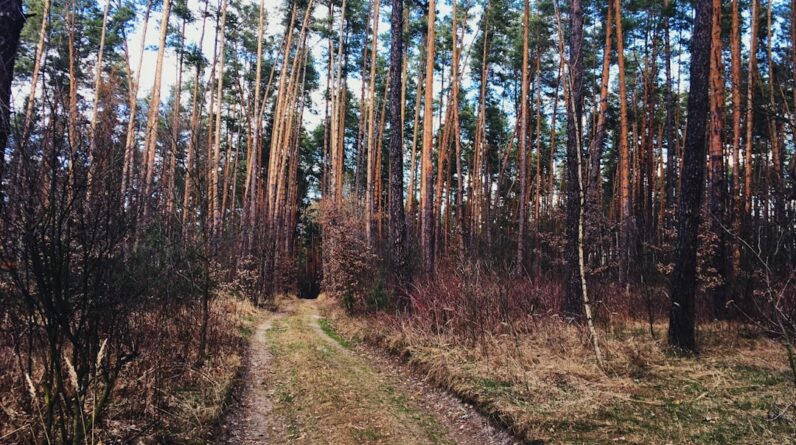
Reforestation is a vital process that involves the replanting of trees in areas where forests have been depleted or destroyed. As you delve into the significance of reforestation, you will discover that it is not merely about planting trees; it is about restoring ecosystems and enhancing the services they provide. Ecosystem services are the benefits that humans derive from nature, including clean air, water purification, and climate regulation.
By understanding the intricate relationship between reforestation and these services, you can appreciate the profound impact that trees have on our environment and well-being. As you explore this topic further, you will find that reforestation plays a crucial role in addressing some of the most pressing environmental challenges of our time. Deforestation, driven by agriculture, urbanization, and logging, has led to significant loss of biodiversity and disruption of natural processes.
Reforestation offers a pathway to restore these ecosystems, providing a multitude of benefits not only for the environment but also for human societies. By engaging in reforestation efforts, you contribute to a healthier planet and a more sustainable future.
Key Takeaways
- Reforestation plays a crucial role in restoring and enhancing ecosystem services, which are essential for the well-being of both humans and the environment.
- Trees contribute to ecosystem services by providing habitat for wildlife, regulating water flow, improving air quality, and reducing soil erosion.
- Reforestation efforts can significantly increase biodiversity by creating new habitats for a variety of plant and animal species.
- Reforestation helps mitigate climate change by sequestering carbon dioxide from the atmosphere and reducing the impacts of extreme weather events.
- Trees play a vital role in maintaining soil health by preventing erosion, improving soil structure, and enhancing nutrient cycling, ultimately leading to increased agricultural productivity.
The Role of Trees in Ecosystem Services
Trees are often referred to as the lungs of our planet, and for good reason. They play an essential role in producing oxygen and absorbing carbon dioxide, thus regulating the atmosphere’s composition. As you consider the role of trees in ecosystem services, you will recognize that they are fundamental to maintaining air quality.
Through photosynthesis, trees convert sunlight into energy while releasing oxygen as a byproduct. This process is vital for all living organisms, including humans, who rely on clean air for survival. Moreover, trees contribute significantly to climate regulation.
They act as carbon sinks, sequestering carbon dioxide from the atmosphere and mitigating the effects of climate change. When you think about the increasing levels of greenhouse gases and their impact on global warming, the importance of trees becomes even more apparent. By absorbing carbon dioxide, trees help to stabilize the climate and reduce the severity of climate-related events such as floods and droughts.
In this way, reforestation not only enhances ecosystem services but also serves as a critical strategy in combating climate change.
Benefits of Reforestation for Biodiversity
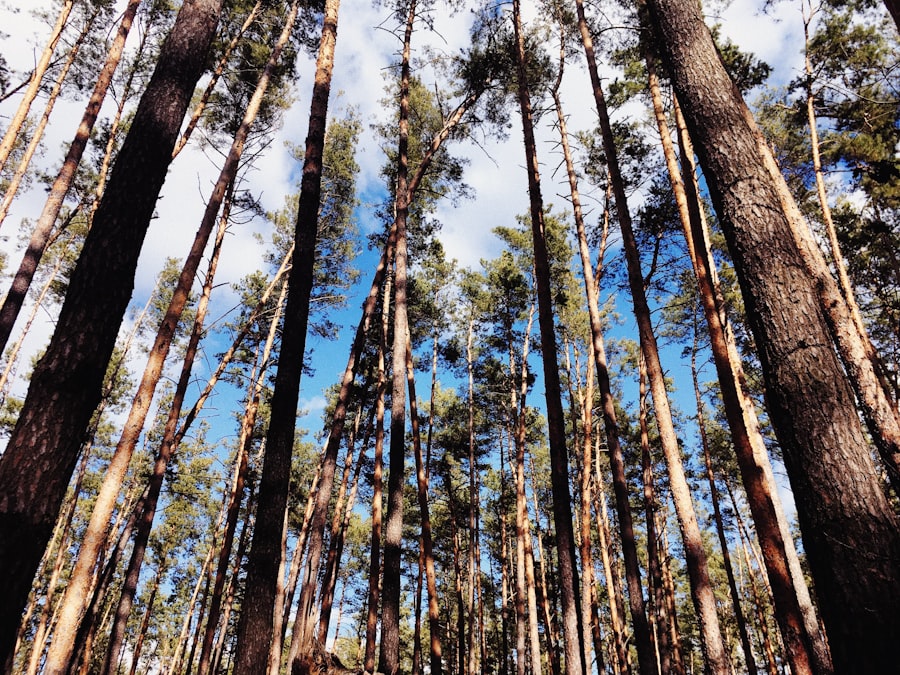
Biodiversity is the variety of life on Earth, encompassing different species, ecosystems, and genetic diversity. When you engage in reforestation efforts, you are directly contributing to the preservation and enhancement of biodiversity. Forests provide habitat for countless species of plants and animals, many of which are endangered or threatened due to habitat loss.
By restoring forests through reforestation, you create new habitats that support diverse ecosystems. In addition to providing habitat, reforestation can also help to reconnect fragmented landscapes. Many species rely on large, contiguous areas of forest for their survival.
When you participate in reforestation projects, you help to create corridors that allow wildlife to move freely between habitats. This connectivity is crucial for maintaining genetic diversity and ensuring the resilience of ecosystems in the face of environmental changes. As you witness the positive impact of reforestation on biodiversity, you will gain a deeper appreciation for the interconnectedness of all living things.
Reforestation and Climate Change Mitigation
The relationship between reforestation and climate change mitigation is one of the most compelling reasons to support tree planting initiatives. As you consider the escalating impacts of climate change—rising temperatures, extreme weather events, and shifting ecosystems—you will realize that reforestation offers a practical solution to these challenges. Trees absorb carbon dioxide from the atmosphere, effectively reducing greenhouse gas concentrations and helping to stabilize global temperatures.
Furthermore, reforestation can enhance local resilience to climate change impacts. By restoring forests, you contribute to improved water retention in soils, reduced erosion, and increased biodiversity—all factors that help ecosystems adapt to changing conditions. As you engage with communities involved in reforestation efforts, you will see firsthand how these initiatives empower local populations to combat climate change while fostering sustainable development.
The act of planting trees becomes not just an environmental endeavor but a means of building resilience against future challenges.
Reforestation and Soil Health
Soil health is a critical component of ecosystem functioning, and trees play an essential role in maintaining it. When you think about reforestation, consider how trees contribute to soil quality through their root systems. Tree roots help to anchor soil in place, preventing erosion and promoting stability.
Additionally, as trees grow and shed leaves, they contribute organic matter to the soil, enhancing its fertility and structure. Moreover, trees can improve soil moisture retention by creating a microclimate that reduces evaporation rates. This is particularly important in areas prone to drought or where agricultural practices have degraded soil quality.
By participating in reforestation efforts, you are not only helping to restore tree cover but also enhancing soil health for future generations. Healthy soils are essential for food production and ecosystem resilience, making your involvement in reforestation all the more impactful.
Reforestation and Water Conservation

Water is one of our most precious resources, and trees play a vital role in conserving it. As you explore the connection between reforestation and water conservation, you will find that forests act as natural water filters. Tree roots help to absorb rainfall and facilitate groundwater recharge, ensuring a steady supply of clean water for both ecosystems and human communities.
In addition to improving water quality, reforestation can mitigate flooding by slowing down runoff during heavy rainfall events. Trees intercept rainfall with their leaves and branches, allowing water to gradually seep into the ground rather than rushing into streams and rivers. This natural process helps to reduce the risk of flooding while maintaining healthy watersheds.
By supporting reforestation initiatives, you contribute to sustainable water management practices that benefit both people and nature.
Economic and Social Benefits of Reforestation
Reforestation is not only an environmental imperative but also an economic opportunity. As you consider the economic benefits of tree planting initiatives, think about how forests can provide sustainable livelihoods for local communities. Timber production, non-timber forest products (such as fruits and nuts), and ecotourism are just a few examples of how reforested areas can generate income while promoting conservation.
Moreover, reforestation can enhance social cohesion within communities. When individuals come together to plant trees or restore degraded lands, they foster a sense of shared purpose and responsibility toward their environment. This collective action can lead to stronger community ties and increased awareness about environmental issues.
As you engage with local communities involved in reforestation efforts, you will witness how these initiatives empower individuals while promoting sustainable development.
Challenges and Considerations in Reforestation Efforts
While reforestation offers numerous benefits, it is essential to acknowledge the challenges associated with these efforts. One significant consideration is selecting appropriate tree species for specific environments. Not all trees are suitable for every location; planting non-native species can disrupt local ecosystems and harm native flora and fauna.
As you participate in reforestation projects, it is crucial to work with experts who understand local ecology to ensure that your efforts are beneficial. Additionally, long-term maintenance is vital for successful reforestation outcomes. Planting trees is just the beginning; ongoing care is necessary to ensure their survival and growth.
This includes monitoring for pests or diseases, managing competing vegetation, and addressing any environmental changes that may affect young trees. By understanding these challenges and actively participating in solutions, you can contribute to more effective reforestation efforts that yield lasting benefits for both ecosystems and communities. In conclusion, your involvement in reforestation initiatives can have far-reaching impacts on ecosystem services, biodiversity conservation, climate change mitigation, soil health improvement, water conservation, economic development, and social cohesion.
While challenges exist within this field, your commitment to understanding and addressing them can lead to meaningful change. As you engage with nature through tree planting efforts, remember that every tree planted is a step toward a healthier planet for future generations.
In a related article discussing the advantages of planting trees for climate change, it highlights the crucial role that reforestation plays in mitigating the effects of global warming. By planting trees, we can help restore ecosystem services and create a more sustainable environment for future generations. To learn more about the benefits of planting trees for climate change, check out