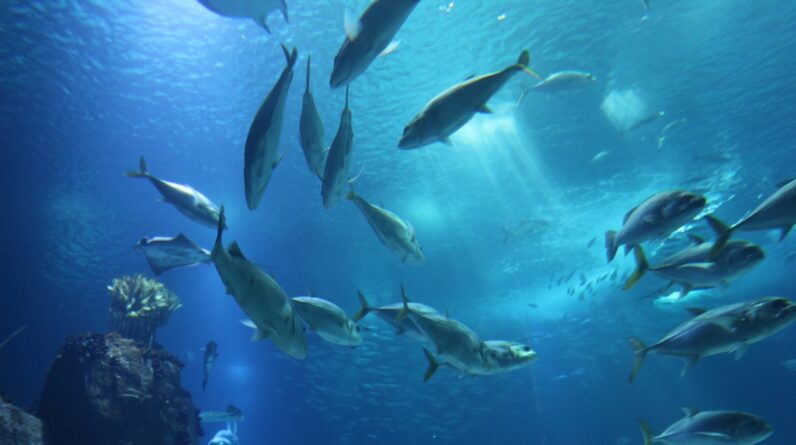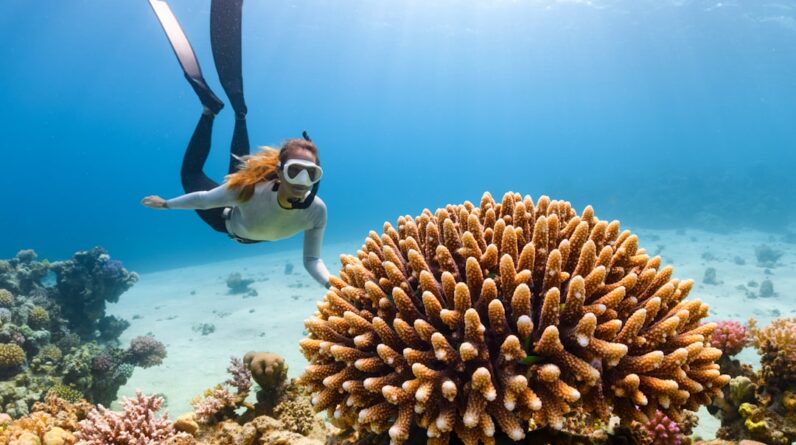
As you stroll along the beach or enjoy a day by the water, it’s easy to overlook the hidden dangers lurking beneath the surface. The ocean, a vast and beautiful ecosystem, is suffering from an insidious threat: plastic pollution. Millions of tons of plastic waste enter the oceans each year, wreaking havoc on marine life and habitats.
This pollution not only affects the creatures that call the ocean home but also has far-reaching consequences for human health and the environment. Understanding the impact of plastic on the ocean is crucial for anyone who cares about preserving our planet. Plastic debris can take hundreds of years to decompose, leading to a buildup of waste that harms marine animals.
Sea turtles mistake plastic bags for jellyfish, while seabirds ingest small plastic particles, mistaking them for food. These interactions can lead to malnutrition, internal injuries, and even death. Moreover, as plastics break down into microplastics, they enter the food chain, ultimately affecting human health as well.
By recognizing the severity of this issue, you can become more mindful of your own plastic consumption and its implications for the ocean.
Key Takeaways
- Plastic pollution in the ocean has a devastating impact on marine life and ecosystems.
- Eco-friendly pet products can help reduce plastic waste and minimize environmental harm.
- There are many alternatives to single-use plastics for pets, such as biodegradable waste bags and reusable food and water bowls.
- Proper disposal of pet waste is crucial to prevent contamination of waterways and marine environments.
- Supporting ocean-friendly pet brands can promote sustainable and environmentally responsible pet care.
Choosing Eco-Friendly Pet Products
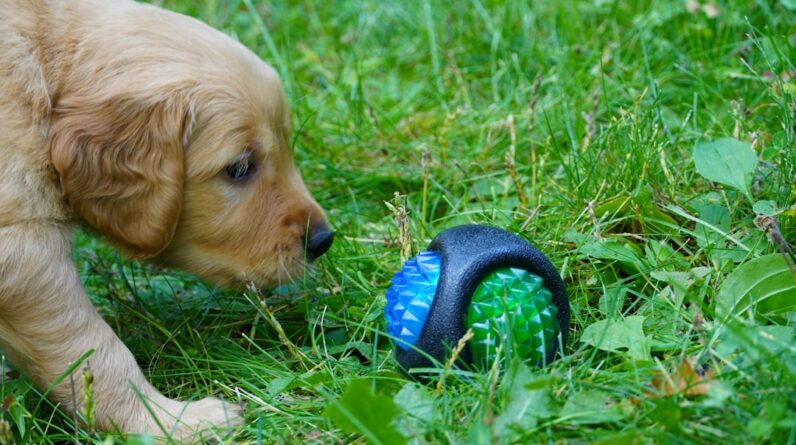
When it comes to caring for your furry friends, you may not immediately think about the environmental impact of their products. However, the pet industry is a significant contributor to plastic waste, from food packaging to toys and grooming supplies. By choosing eco-friendly pet products, you can make a positive difference in reducing plastic pollution.
Look for items made from sustainable materials, such as biodegradable toys or organic food packaging. These choices not only benefit the environment but also promote a healthier lifestyle for your pets. In addition to selecting eco-friendly products, consider supporting brands that prioritize sustainability in their manufacturing processes.
Many companies are now committed to reducing their carbon footprint and using recycled materials in their products. By opting for these brands, you are not only providing your pet with safe and healthy items but also encouraging a shift towards more responsible practices in the pet industry. Your choices can inspire others to follow suit, creating a ripple effect that contributes to a cleaner planet.
Alternatives to Single-Use Plastics for Pets
Single-use plastics have become a staple in many households, including those with pets. From plastic bags for waste disposal to disposable feeding bowls, these items contribute significantly to environmental degradation. Fortunately, there are numerous alternatives available that can help you reduce your plastic footprint while still meeting your pet’s needs.
For instance, consider using compostable waste bags made from plant-based materials instead of traditional plastic bags. These biodegradable options break down naturally and are much kinder to the environment. Another great alternative is to invest in reusable feeding bowls and water containers.
Stainless steel or silicone bowls are durable and easy to clean, making them a practical choice for pet owners. Additionally, you can explore options like collapsible bowls for travel or outdoor adventures with your pet. By making these small changes in your daily routine, you can significantly decrease your reliance on single-use plastics and contribute to a healthier planet for both your pets and marine life.
Proper Disposal of Pet Waste
Proper disposal of pet waste is an essential aspect of responsible pet ownership that often goes overlooked. Many pet owners may not realize that improperly disposed waste can contribute to pollution and harm local ecosystems, including waterways that eventually lead to the ocean. When pet waste is left on the ground or disposed of inappropriately, it can wash into storm drains during rainstorms, carrying harmful bacteria and nutrients into rivers and oceans.
This not only poses a risk to marine life but also affects water quality for humans. To mitigate this issue, always clean up after your pet promptly and dispose of waste in designated trash bins or composting systems designed for pet waste. If you’re using biodegradable bags, ensure they are disposed of correctly so they can break down as intended.
Additionally, consider exploring local initiatives that promote responsible pet waste disposal or community composting programs. By taking these steps, you can help protect local ecosystems and contribute to cleaner oceans.
Supporting Ocean-Friendly Pet Brands
As a conscious consumer, you have the power to influence the market by supporting brands that prioritize sustainability and ocean conservation. Many companies are now emerging with a focus on creating eco-friendly pet products that minimize environmental impact. By choosing to purchase from these brands, you not only provide your pets with high-quality items but also send a message that sustainability matters to consumers.
Look for certifications or labels that indicate a commitment to environmentally friendly practices. In addition to purchasing products from ocean-friendly brands, consider sharing your experiences with others. Social media platforms provide an excellent opportunity to highlight companies that are making a difference in the fight against plastic pollution.
By spreading awareness about these brands, you can encourage your friends and family to make more sustainable choices for their pets as well. Your support can help drive demand for eco-friendly products and inspire other businesses to adopt more sustainable practices.
Educating Others About Ocean Conservation
Education is a powerful tool in the fight against plastic pollution and ocean degradation. By sharing knowledge about the impact of plastic on marine ecosystems, you can inspire others to take action in their own lives. Start conversations with friends and family about the importance of reducing plastic use and choosing sustainable alternatives for their pets.
You might be surprised at how receptive people are when they understand the consequences of their choices. Consider organizing workshops or informational sessions in your community focused on ocean conservation and sustainable pet ownership. Collaborating with local environmental organizations can amplify your efforts and provide valuable resources for attendees.
By fostering a culture of awareness and responsibility, you can empower others to make informed decisions that benefit both their pets and the planet.
Participating in Beach Clean-Up Events
One of the most impactful ways you can contribute to ocean conservation is by participating in beach clean-up events. These gatherings not only help remove plastic waste from our shores but also raise awareness about the importance of keeping our oceans clean. Many organizations host regular clean-up events where volunteers come together to collect trash and debris from beaches and coastal areas.
Joining these efforts allows you to make a tangible difference while connecting with like-minded individuals who share your passion for protecting marine life. Before attending a clean-up event, consider bringing along your pet if it’s appropriate and safe to do so. This can be a great way to involve your furry friend in environmental stewardship while also promoting responsible pet ownership among fellow participants.
Sharing your experiences on social media can inspire others to join future clean-up efforts or organize their own events in different locations.
Advocating for Ocean-Friendly Pet Policies
Advocacy plays a crucial role in driving systemic change toward more sustainable practices within communities and industries. As an informed citizen, you can advocate for policies that promote ocean conservation and reduce plastic pollution related to pet ownership. Start by researching local legislation regarding waste management, recycling programs, and plastic use in your area.
Engage with local government representatives or attend town hall meetings to voice your concerns about plastic pollution and suggest solutions. Additionally, consider collaborating with local animal shelters or pet organizations to promote policies that encourage responsible pet ownership and environmental stewardship. By working together with others who share your vision for a cleaner ocean, you can amplify your voice and create meaningful change within your community.
Your advocacy efforts can help pave the way for future generations to enjoy healthy oceans and thriving marine ecosystems. In conclusion, taking action against plastic pollution is essential for preserving our oceans and protecting marine life. By understanding the impact of plastic on the ocean, choosing eco-friendly pet products, exploring alternatives to single-use plastics, properly disposing of pet waste, supporting ocean-friendly brands, educating others about conservation, participating in clean-up events, and advocating for sustainable policies, you can make a significant difference in the fight against plastic pollution.
Your commitment to these practices not only benefits your pets but also contributes to a healthier planet for all living beings.
If you’re interested in reducing your pet’s plastic paw print, you may also want to learn about the benefits of planting trees for the environment. Check out this article on how planting trees helps combat climate change to discover how simple actions like reforestation can make a big impact on the health of our planet. By incorporating eco-friendly practices into your pet care routine, you can help create a more sustainable future for all living beings.
FAQs
What is a plastic paw print?
A plastic paw print refers to the environmental impact of a pet’s use of plastic products, such as toys, food packaging, and accessories, which contribute to plastic pollution in the ocean and other ecosystems.
How can pet owners reduce their pet’s plastic paw print?
Pet owners can reduce their pet’s plastic paw print by choosing eco-friendly pet products, using biodegradable waste bags, opting for sustainable pet food packaging, and selecting natural fiber toys instead of plastic ones.
Why is reducing a pet’s plastic paw print important?
Reducing a pet’s plastic paw print is important because plastic pollution in the ocean and other environments poses a threat to marine life, ecosystems, and human health. By minimizing the use of plastic products for pets, owners can help protect the planet.
What are some eco-friendly alternatives for pet products?
Eco-friendly alternatives for pet products include biodegradable waste bags, sustainable pet food packaging, natural fiber toys, and non-toxic grooming and cleaning products. These alternatives help reduce a pet’s plastic paw print.
How does plastic pollution affect marine life?
Plastic pollution affects marine life in various ways, including entanglement, ingestion, and habitat destruction. Marine animals can become trapped in or consume plastic waste, leading to injury, illness, and death.