In an era where environmental concerns are at the forefront of global discussions, corporate responsibility has emerged as a critical concept that intertwines business practices with ecological stewardship. You may find yourself wondering how corporations can play a role in preserving the health of our oceans, which are vital to the planet’s ecosystem. The oceans cover over 70% of the Earth’s surface and are home to an incredible diversity of life.
They also provide essential resources, including food, oxygen, and climate regulation. However, the health of our oceans is increasingly threatened by pollution, overfishing, and climate change. As a result, it is imperative for businesses to recognize their impact on marine environments and take proactive steps to mitigate harm.
Corporate responsibility extends beyond mere compliance with regulations; it encompasses a commitment to ethical practices that benefit society and the environment. You may be surprised to learn that many companies are beginning to integrate ocean health into their corporate social responsibility (CSR) strategies. This shift not only reflects a growing awareness of environmental issues but also acknowledges the interconnectedness of business success and ecological sustainability.
By prioritizing ocean health, companies can enhance their brand reputation, foster customer loyalty, and contribute to a more sustainable future for all.
Key Takeaways
- Corporate responsibility plays a crucial role in protecting ocean health and sustainability.
- Corporate activities such as pollution, overfishing, and plastic waste have a significant impact on ocean health.
- Companies like Patagonia, Adidas, and Unilever are leading the way in ocean health initiatives through sustainable practices and partnerships.
- Corporate social responsibility is essential in promoting sustainable practices and protecting the oceans for future generations.
- Innovative technologies and solutions, as well as collaborations between companies and environmental organizations, are key to sustainable ocean management and conservation efforts.
The Impact of Corporate Activities on Ocean Health
Your daily choices as a consumer can have far-reaching implications for ocean health, especially when it comes to the activities of corporations. Industries such as fishing, shipping, and tourism have significant impacts on marine ecosystems. For instance, overfishing has led to the depletion of fish stocks, disrupting food chains and threatening the livelihoods of communities that depend on fishing.
Additionally, shipping activities contribute to marine pollution through oil spills, plastic waste, and the introduction of invasive species. As you consider your own consumption patterns, it becomes clear that corporate activities can either harm or help the oceans. Moreover, the production processes of many industries generate waste that often ends up in our oceans.
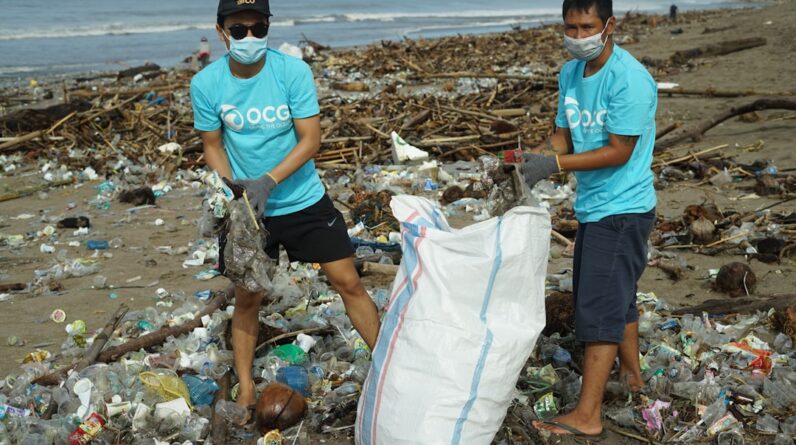
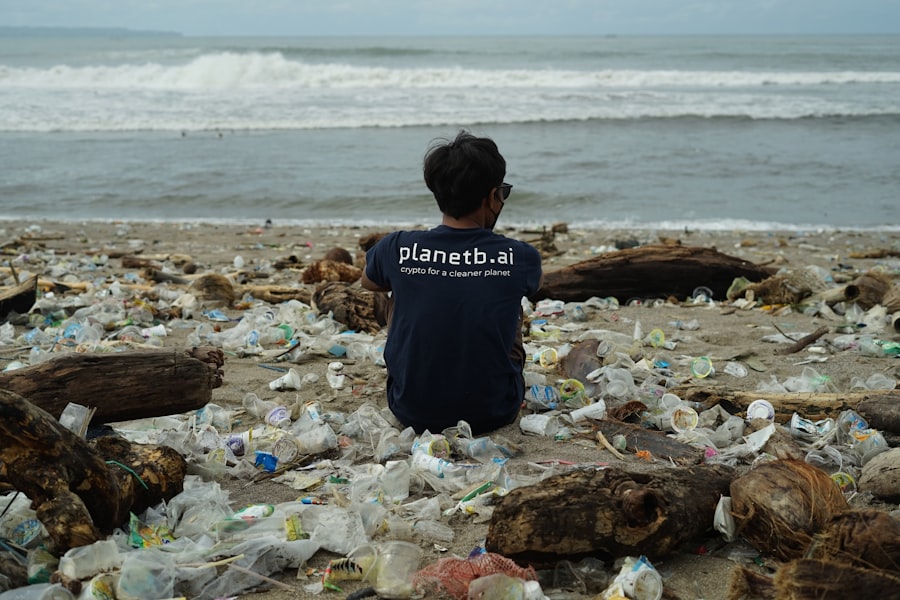
Plastics, chemicals, and other pollutants can have devastating effects on marine life, leading to habitat destruction and biodiversity loss. You might be surprised to learn that an estimated 8 million tons of plastic enter the oceans each year, posing a significant threat to marine animals and ecosystems. This reality underscores the urgent need for corporations to adopt sustainable practices that minimize their environmental footprint.
By recognizing their role in ocean health, businesses can implement strategies that not only reduce harm but also promote restoration and conservation efforts.
Case Studies of Companies Leading the Way in Ocean Health Initiatives

As you explore the landscape of corporate responsibility in relation to ocean health, you’ll discover inspiring examples of companies that are making a difference. One such company is Unilever, which has committed to reducing its plastic footprint by implementing innovative packaging solutions and promoting recycling initiatives. You may be interested to know that Unilever has set ambitious targets to make all of its plastic packaging recyclable or reusable by 2025.
This commitment not only addresses plastic pollution but also encourages consumers to engage in sustainable practices. Another noteworthy example is Patagonia, an outdoor apparel company that has long been an advocate for environmental conservation. Patagonia has invested in initiatives aimed at protecting marine ecosystems, including supporting sustainable fishing practices and funding ocean conservation projects.
You might appreciate how Patagonia’s dedication to transparency and ethical sourcing resonates with consumers who prioritize sustainability in their purchasing decisions. By showcasing these case studies, it becomes evident that corporate initiatives can lead to meaningful change in ocean health while simultaneously enhancing brand loyalty.
The Role of Corporate Social Responsibility in Protecting the Oceans
Corporate social responsibility plays a pivotal role in shaping how businesses approach ocean health. As you delve deeper into this concept, you’ll find that CSR encompasses a range of practices designed to promote ethical behavior and contribute positively to society. Companies that prioritize CSR often engage in initiatives aimed at reducing their environmental impact and supporting community well-being.
In the context of ocean health, this means taking proactive steps to address issues such as pollution, habitat destruction, and overfishing. You may find it compelling that many consumers today actively seek out brands that demonstrate a commitment to sustainability. This shift in consumer behavior has prompted companies to integrate ocean health into their CSR strategies more than ever before.
By aligning their business goals with environmental stewardship, corporations can not only fulfill their ethical obligations but also tap into new market opportunities. As you consider the potential benefits of CSR for both businesses and the environment, it becomes clear that protecting our oceans is not just a moral imperative; it is also a smart business strategy.
Innovative Technologies and Solutions for Sustainable Ocean Management
In your exploration of corporate responsibility and ocean health, you may be intrigued by the role of innovative technologies in promoting sustainable ocean management. Advances in technology have opened up new avenues for monitoring and protecting marine ecosystems. For instance, satellite imagery and drones are being used to track illegal fishing activities and monitor changes in ocean temperatures.
These tools enable companies and organizations to gather valuable data that can inform conservation efforts and policy decisions. Additionally, you might be fascinated by how companies are leveraging biotechnology to develop sustainable alternatives to harmful practices. For example, some businesses are investing in lab-grown seafood as a way to reduce overfishing and its associated environmental impacts.
By harnessing cutting-edge technologies, corporations can contribute to more sustainable practices while meeting consumer demand for seafood products. As you consider the potential of these innovations, it becomes evident that technology can play a crucial role in safeguarding ocean health for future generations.
Collaborations and Partnerships Between Companies and Environmental Organizations
As you reflect on the complexities of ocean health, you may recognize that collaboration is essential for driving meaningful change. Many companies are forging partnerships with environmental organizations to amplify their impact on marine conservation efforts. These collaborations often bring together diverse expertise and resources, enabling both parties to tackle challenges more effectively.
For instance, you might be interested in how companies like Coca-Cola have partnered with organizations such as Ocean Conservancy to address plastic pollution through cleanup initiatives and awareness campaigns. Such partnerships not only enhance corporate credibility but also demonstrate a genuine commitment to environmental stewardship. You may find it inspiring that these collaborations often involve community engagement efforts aimed at educating consumers about the importance of protecting our oceans.
By working together, companies and environmental organizations can create synergies that lead to innovative solutions for ocean health challenges while fostering a sense of shared responsibility among stakeholders.
The Importance of Transparency and Accountability in Corporate Efforts for Ocean Health
In your journey through corporate responsibility and ocean health, you may come across discussions about transparency and accountability as critical components of effective CSR strategies. As consumers become increasingly aware of environmental issues, they are demanding greater transparency from companies regarding their practices and commitments. You might be surprised to learn that many businesses are now publishing sustainability reports that outline their efforts to protect ocean health and reduce their environmental impact.
Accountability is equally important; companies must be willing to set measurable goals and report on their progress toward achieving them. This level of transparency not only builds trust with consumers but also encourages continuous improvement within organizations. As you consider the implications of transparency in corporate efforts for ocean health, it becomes clear that open communication fosters a culture of responsibility and encourages other businesses to follow suit.
The Future of Corporate Responsibility and its Impact on Ocean Health
Looking ahead, you may wonder what the future holds for corporate responsibility in relation to ocean health. As awareness of environmental issues continues to grow, it is likely that more companies will prioritize sustainability as a core aspect of their business strategies. You might find it encouraging that consumers are increasingly supporting brands that demonstrate a commitment to protecting the environment, which could drive further innovation in sustainable practices.
Moreover, as regulatory frameworks evolve to address environmental challenges more effectively, businesses will need to adapt their operations accordingly. You may be interested in how emerging trends such as circular economy principles could reshape corporate approaches to resource management and waste reduction in relation to ocean health. By embracing these changes, companies can position themselves as leaders in sustainability while contributing positively to the well-being of our oceans.
In conclusion, your exploration of corporate responsibility and ocean health reveals a complex interplay between business practices and environmental stewardship. As you reflect on the impact of corporate activities on marine ecosystems, consider how your choices as a consumer can influence corporate behavior. By supporting companies that prioritize sustainability and engaging in conversations about ocean health, you can play an active role in shaping a more responsible future for our oceans.
A related article to Corporate Responsibility: The Companies Taking the Lead on Ocean Health discusses the benefits of planting trees for climate change. This article highlights how massive tree planting initiatives can combat global warming and improve environmental sustainability. To learn more about the advantages of planting trees for climate change, you can read the article here.
FAQs
What is corporate responsibility?
Corporate responsibility refers to the idea that businesses have a responsibility to consider the social, environmental, and economic impacts of their decisions and actions. This includes taking steps to minimize negative impacts and contribute to the well-being of society and the environment.
Why is ocean health important?
Ocean health is important because the oceans play a crucial role in regulating the Earth’s climate, providing food and livelihoods for millions of people, and supporting a diverse array of marine life. However, human activities such as pollution, overfishing, and climate change are putting the health of the oceans at risk.
What are some examples of companies taking the lead on ocean health?
Some companies are taking the lead on ocean health by implementing sustainable fishing practices, reducing plastic waste, and investing in ocean conservation efforts. For example, some companies are working to reduce their plastic packaging and waste, while others are supporting marine protected areas and sustainable seafood sourcing.
How can companies contribute to ocean health?
Companies can contribute to ocean health by reducing their environmental impact, supporting sustainable fishing practices, investing in ocean conservation initiatives, and advocating for policies that protect the oceans. This can include measures such as reducing plastic use, minimizing pollution, and supporting marine conservation efforts.
What are the benefits of corporate responsibility for ocean health?
Corporate responsibility for ocean health can lead to a healthier marine environment, more sustainable fisheries, and a reduced impact of human activities on the oceans. This can benefit both the environment and the communities that rely on the oceans for their livelihoods.