As you navigate through the complexities of modern life, it becomes increasingly evident that the world is facing a profound environmental crisis. This crisis is not merely a distant concern; it is a pressing reality that affects every aspect of your existence. From the air you breathe to the water you drink, the consequences of environmental degradation are palpable.
The intricate web of life on Earth is unraveling, and the urgency to address these issues has never been more critical. The global environmental crisis encompasses a myriad of challenges, including climate change, resource depletion, and biodiversity loss, all of which are interconnected and require immediate attention. You may find it alarming to realize that the choices made today will shape the world for generations to come.
The environmental crisis is not just an abstract concept; it is a call to action for individuals, communities, and nations alike. As you delve deeper into this topic, you will uncover the various factors contributing to this crisis and the potential pathways toward a more sustainable future. Understanding the gravity of the situation is the first step in fostering a sense of responsibility and urgency in addressing these pressing issues.
Key Takeaways
- The global environmental crisis is a pressing issue that requires immediate attention and action from individuals, communities, and governments.
- Population growth and resource depletion are contributing to the strain on the Earth’s natural resources, leading to environmental degradation and scarcity.
- Climate change is causing widespread impacts such as extreme weather events, rising sea levels, and disruptions to ecosystems, posing a threat to human societies and biodiversity.
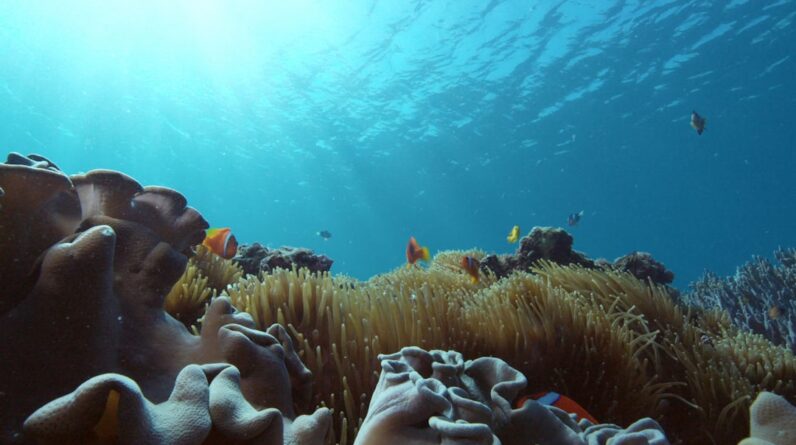
- Biodiversity loss and ecosystem collapse are occurring at an alarming rate, leading to the loss of valuable species and the destabilization of natural habitats.
- Consumerism and overconsumption are driving unsustainable patterns of resource use and waste generation, exacerbating the environmental crisis and contributing to social inequalities.
Population Growth and Resource Depletion
One of the most significant drivers of the global environmental crisis is population growth. As you consider the current global population, which exceeds 8 billion people, it becomes clear that this rapid increase places immense pressure on the planet’s resources. Each additional person requires food, water, energy, and space, leading to an unsustainable demand for natural resources.
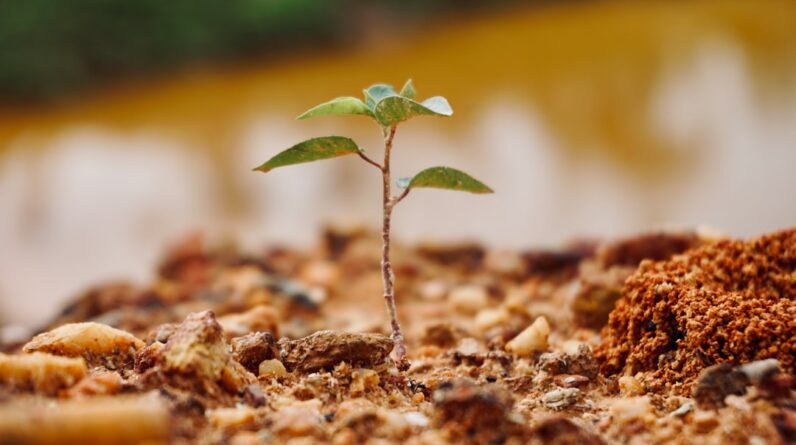
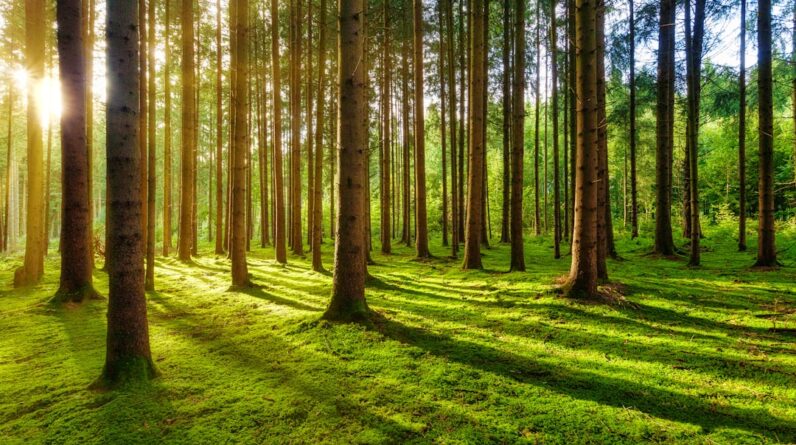
You may wonder how this growth translates into environmental degradation. The answer lies in the fact that as populations expand, so does the need for agricultural land, housing, and infrastructure, often at the expense of forests, wetlands, and other vital ecosystems. Resource depletion is a direct consequence of this unchecked population growth.
You might be aware that many essential resources, such as freshwater and fossil fuels, are finite. As you consume more resources than the Earth can replenish, you contribute to a cycle of depletion that threatens not only your well-being but also that of future generations. The over-extraction of resources leads to habitat destruction, soil degradation, and water scarcity, creating a precarious situation for both people and wildlife.
It is crucial to recognize that sustainable management of resources is not just an option; it is a necessity for ensuring a livable planet.
Climate Change and Its Impacts

Climate change stands as one of the most daunting challenges of our time, and its impacts are felt across the globe. As you observe shifting weather patterns, rising sea levels, and increasing frequency of extreme weather events, it becomes clear that climate change is not a distant threat but a current reality. The burning of fossil fuels, deforestation, and industrial activities have led to an unprecedented increase in greenhouse gas emissions, trapping heat in the atmosphere and altering the delicate balance of Earth’s climate systems.
You may find it unsettling to consider how climate change affects not only natural ecosystems but also human societies. From devastating hurricanes to prolonged droughts, the consequences are far-reaching and often catastrophic. Agriculture suffers as changing climates disrupt growing seasons, leading to food insecurity in many regions.
Additionally, vulnerable communities face displacement due to rising sea levels and extreme weather events. As you reflect on these impacts, it becomes evident that addressing climate change requires immediate action on both individual and collective levels.
Biodiversity Loss and Ecosystem Collapse
The loss of biodiversity is another critical aspect of the global environmental crisis that demands your attention. As you explore the intricate relationships between species and their habitats, you may come to appreciate how interconnected life on Earth truly is. Biodiversity encompasses not only the variety of species but also the genetic diversity within those species and the ecosystems they inhabit.
Unfortunately, human activities such as habitat destruction, pollution, and climate change have led to alarming rates of species extinction. You might be surprised to learn that scientists estimate that we are currently experiencing a mass extinction event, with species disappearing at a rate 1,000 times faster than natural background rates. This loss of biodiversity has dire consequences for ecosystem stability and resilience.
Healthy ecosystems provide essential services such as clean air and water, pollination of crops, and carbon sequestration. When these systems collapse due to biodiversity loss, you may find yourself facing a world where these vital services are compromised, leading to further challenges for humanity.
The Role of Consumerism and Overconsumption
In today’s society, consumerism plays a significant role in exacerbating environmental issues. As you navigate your daily life, consider how your choices as a consumer impact the planet. The culture of overconsumption encourages individuals to prioritize material possessions over sustainability, leading to increased waste generation and resource depletion.
You may find yourself caught in a cycle of purchasing goods that are often designed for obsolescence rather than longevity. The consequences of this consumer-driven mindset extend beyond individual choices; they contribute to larger systemic issues such as pollution and climate change. The production processes behind many consumer goods often involve harmful practices that release toxins into the environment and contribute to greenhouse gas emissions.
As you reflect on your consumption habits, it becomes clear that embracing a more sustainable approach—such as reducing waste, choosing eco-friendly products, and supporting ethical brands—can make a significant difference in mitigating these environmental challenges.
The Urgency of Sustainable Solutions

Renewable Energy: A Cleaner Alternative
Transitioning to renewable energy sources such as solar and wind power can significantly reduce greenhouse gas emissions while providing cleaner alternatives to fossil fuels.
Sustainable Agriculture: Preserving Ecosystems and Biodiversity
Sustainable agriculture practices can enhance food security while preserving ecosystems and biodiversity. As you explore these solutions further, consider how they can be integrated into your own life and community efforts.
Advocating for Change
By advocating for policies that promote sustainability and supporting initiatives aimed at protecting natural resources, you can contribute to meaningful change.
The Importance of Individual and Collective Action
While systemic change is essential in addressing environmental issues, individual actions also play a crucial role in driving progress. You may feel empowered by recognizing that your choices matter—whether it’s reducing your carbon footprint through mindful transportation options or participating in local conservation efforts. Collective action amplifies individual efforts; when communities come together to advocate for sustainable practices or engage in grassroots movements, they can create significant impact.
You might consider joining local organizations focused on environmental protection or participating in community clean-up events. These actions not only foster a sense of connection with others who share your values but also contribute to building momentum for larger-scale change. By raising awareness about environmental issues within your social circles and encouraging others to take action, you can help cultivate a culture of sustainability that extends beyond your immediate surroundings.
Hope for a Sustainable Future
Despite the daunting challenges posed by the global environmental crisis, there is reason for hope as you look toward a sustainable future. Around the world, individuals and organizations are working tirelessly to develop innovative solutions that address pressing environmental issues while promoting social equity. You may find inspiration in stories of communities successfully implementing sustainable practices or individuals making significant strides toward reducing their ecological footprints.
The growing awareness surrounding environmental issues has sparked a global movement toward sustainability that transcends borders. As you engage with this movement—whether through education, advocacy, or personal lifestyle changes—you become part of a collective effort aimed at creating a healthier planet for future generations. While the road ahead may be challenging, your commitment to sustainability can contribute to a brighter future where people coexist harmoniously with nature.
In conclusion, as you reflect on the global environmental crisis and its myriad challenges—from population growth to climate change—remember that every action counts. By embracing sustainable practices in your daily life and advocating for collective action within your community, you can play an integral role in shaping a more sustainable future for all. Hope lies not only in recognizing the problems we face but also in our ability to work together toward meaningful solutions that protect our planet for generations to come.
If you are interested in learning more about how planting trees can help combat climate change, check out the article How Does Planting Trees Help Climate Change. This article delves into the benefits of reforestation and the positive impact it can have on our planet’s future. It provides valuable insights into the role trees play in sequestering carbon dioxide and mitigating the effects of global warming.
FAQs
What is the unsettling math behind our planet’s future?
The unsettling math behind our planet’s future refers to the alarming statistics and projections related to climate change, biodiversity loss, and other environmental issues that indicate the urgent need for action to mitigate these problems.
What are some key statistics related to the unsettling math behind our planet’s future?
Some key statistics include the rise in global temperatures, the loss of biodiversity, the increase in carbon dioxide levels, and the depletion of natural resources. These statistics highlight the urgency of addressing environmental issues.
How does the unsettling math behind our planet’s future impact human society?
The unsettling math behind our planet’s future has significant implications for human society, including potential food and water shortages, increased frequency of extreme weather events, displacement of communities due to rising sea levels, and threats to public health.
What can be done to address the unsettling math behind our planet’s future?
Addressing the unsettling math behind our planet’s future requires a combination of efforts, including reducing greenhouse gas emissions, transitioning to renewable energy sources, conserving natural habitats, implementing sustainable agricultural practices, and promoting policies that prioritize environmental protection.