



Reforestation plays a pivotal role in conservation efforts, serving as a vital strategy to restore ecological balance and promote biodiversity. As you may know, deforestation has led to the loss of countless species and disrupted ecosystems worldwide. By reintroducing trees and restoring forested areas, you contribute to the recovery of habitats that are essential for various forms of wildlife.
This process not only helps in reviving the flora and fauna but also aids in stabilizing the soil, preventing erosion, and maintaining water cycles. The act of planting trees is more than just a restoration effort; it is a commitment to preserving the planet for future generations. Moreover, reforestation is a proactive approach to combatting the adverse effects of human activities on the environment.
As you engage in reforestation initiatives, you become part of a larger movement that recognizes the interconnectedness of all living things. Forests are often referred to as the lungs of the Earth, and by replenishing them, you are directly contributing to cleaner air and a healthier planet. The importance of reforestation cannot be overstated; it is a fundamental aspect of conservation that addresses both immediate ecological needs and long-term sustainability goals.
Key Takeaways
- Reforestation is crucial for conservation efforts as it helps restore ecosystems and mitigate climate change.
- Reforestation plays a key role in restoring biodiversity and preserving endangered species.
- Reforestation projects face challenges but also present opportunities for social and economic benefits.
- The connection between reforestation and sustainable development is significant for global conservation efforts.
- The future of reforestation efforts will have a major impact on global conservation and the environment.
How Reforestation Helps Restore Ecosystems
When you participate in reforestation efforts, you are actively involved in restoring ecosystems that have been damaged or destroyed. Forests provide critical habitats for countless species, and by planting trees, you help create a sanctuary for wildlife that may have lost its home due to deforestation or urbanization. The process of reforestation allows for the gradual rebuilding of these ecosystems, enabling flora and fauna to thrive once again.
As trees grow, they provide shelter, food, and breeding grounds for various organisms, fostering a rich tapestry of life. In addition to providing habitat, reforestation also plays a crucial role in restoring ecological functions. Trees help regulate water cycles by absorbing rainfall and releasing moisture back into the atmosphere through transpiration.
This process not only supports local climates but also contributes to groundwater recharge, ensuring that water remains available for both human and ecological needs. As you engage in reforestation projects, you are helping to restore these vital functions, which are essential for maintaining healthy ecosystems and supporting biodiversity.
The Role of Reforestation in Mitigating Climate Change
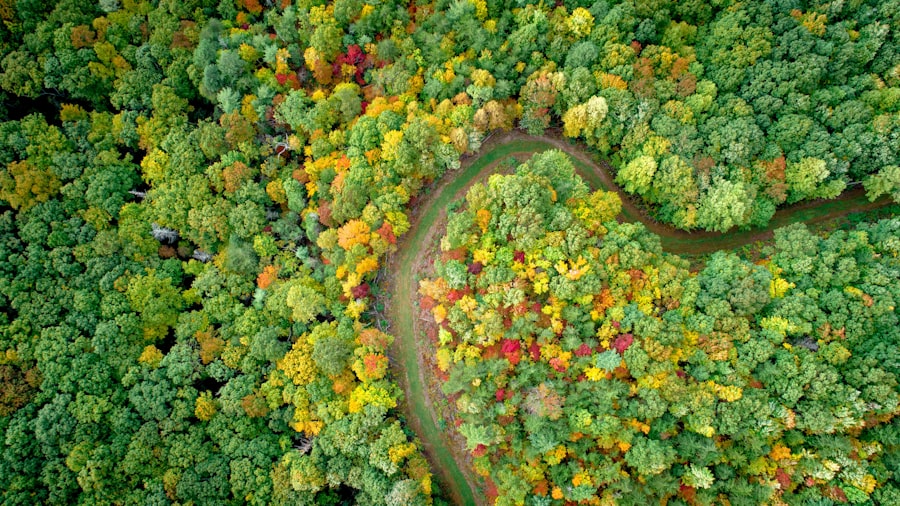
Reforestation is increasingly recognized as a powerful tool in the fight against climate change. As you may be aware, forests act as carbon sinks, absorbing carbon dioxide from the atmosphere and storing it in their biomass. By planting trees, you are directly contributing to the reduction of greenhouse gases, which are a major driver of global warming.
This process not only helps mitigate climate change but also enhances the resilience of ecosystems to its impacts. The more trees you plant, the greater the potential for carbon sequestration, making reforestation an essential component of climate action strategies. Furthermore, reforestation can help communities adapt to the changing climate.
As you support these initiatives, you are also fostering resilience in local populations by restoring natural resources that can buffer against climate-related disasters such as floods and droughts. Healthy forests can stabilize soils, reduce runoff, and improve water quality, all of which are critical in mitigating the effects of climate change on vulnerable communities. By participating in reforestation efforts, you are not only addressing climate change but also empowering communities to thrive in an uncertain future.
Reforestation as a Tool for Biodiversity Conservation
Biodiversity is essential for the health of our planet, and reforestation serves as a key strategy for its conservation. When you engage in reforestation projects, you are helping to create diverse habitats that support a wide range of species. Forests are home to approximately 80% of terrestrial biodiversity, and by restoring these ecosystems, you contribute to the preservation of countless plants and animals that rely on forests for survival.
This effort is particularly important in areas where habitat loss has led to declining populations or even extinction. In addition to providing habitat, reforestation can enhance genetic diversity within species. As you plant trees from various genetic backgrounds, you promote resilience against diseases and environmental changes.
This genetic diversity is crucial for the long-term survival of species and ecosystems alike. By participating in reforestation initiatives focused on native species, you help ensure that local flora and fauna can adapt to changing conditions while maintaining their unique characteristics. Your involvement in these efforts is vital for fostering biodiversity and ensuring that ecosystems remain vibrant and resilient.
Challenges and Opportunities in Reforestation Projects
While reforestation offers numerous benefits, it is not without its challenges. One significant hurdle is ensuring that the right species are planted in appropriate locations. As you may know, introducing non-native species can disrupt local ecosystems and lead to unintended consequences.
Therefore, it is essential to conduct thorough research and engage with local communities to identify suitable species that will thrive in specific environments. This collaborative approach not only enhances the success rate of reforestation projects but also fosters community ownership and stewardship. Despite these challenges, there are ample opportunities for innovation and collaboration in reforestation efforts.
Advances in technology have made it easier to monitor tree growth and health through satellite imagery and drones. These tools can help you assess the effectiveness of reforestation initiatives and make data-driven decisions for future projects. Additionally, partnerships between governments, NGOs, and local communities can lead to more sustainable practices and increased funding for reforestation efforts.
By embracing these opportunities, you can contribute to more effective and impactful reforestation projects that benefit both people and the planet.
The Social and Economic Benefits of Reforestation

Reforestation extends beyond environmental benefits; it also offers significant social and economic advantages. When you participate in tree-planting initiatives, you help create jobs in local communities through forestry management, conservation work, and ecotourism. These employment opportunities can uplift communities economically while fostering a sense of pride and ownership over local natural resources.
As forests regenerate, they can provide sustainable livelihoods through timber production, non-timber forest products, and recreational activities. Moreover, reforestation can enhance food security by restoring degraded lands that can be used for agroforestry or sustainable agriculture practices. By integrating trees into agricultural systems, you can improve soil health, increase crop yields, and provide shade for livestock.
This holistic approach not only benefits farmers but also contributes to overall community resilience against climate change impacts. Your involvement in reforestation projects can thus have far-reaching effects on both social equity and economic stability.
The Connection Between Reforestation and Sustainable Development
Reforestation is intricately linked to sustainable development goals (SDGs), particularly those focused on environmental sustainability, poverty alleviation, and climate action. As you engage in reforestation efforts, you contribute directly to achieving these global objectives by promoting healthy ecosystems that support human well-being. Restoring forests aligns with SDG 15 (Life on Land), which emphasizes the importance of protecting terrestrial ecosystems while combating desertification and halting biodiversity loss.
Additionally, reforestation initiatives can foster community engagement and empowerment by involving local populations in decision-making processes related to land use and resource management. This participatory approach ensures that development efforts are inclusive and equitable while addressing the unique needs of different communities. By supporting reforestation as part of sustainable development strategies, you help create a more balanced relationship between people and nature—one that prioritizes both ecological health and human prosperity.
The Future of Reforestation Efforts and the Impact on Global Conservation
Looking ahead, the future of reforestation efforts holds great promise for global conservation initiatives. As awareness about climate change and biodiversity loss continues to grow, more individuals and organizations are recognizing the importance of restoring forests as a means to address these pressing issues. Your involvement in reforestation projects can inspire others to take action as well—creating a ripple effect that amplifies the impact of these efforts on a global scale.
Innovative approaches such as community-based forestry management, agroforestry systems, and large-scale restoration programs are emerging as effective strategies for enhancing reforestation outcomes. By embracing these methods and collaborating with diverse stakeholders—including governments, NGOs, businesses, and local communities—you can contribute to a more sustainable future where forests thrive alongside human development. The collective impact of your efforts will not only benefit local ecosystems but also play a crucial role in safeguarding our planet’s health for generations to come.
In conclusion, your participation in reforestation efforts is vital for conservation efforts worldwide. By understanding its importance in restoring ecosystems, mitigating climate change, conserving biodiversity, addressing social challenges, and promoting sustainable development, you can make informed decisions about how best to engage with this critical issue. The future of our planet depends on collective action—your involvement today can lead to a healthier environment tomorrow.
If you are interested in learning more about how reforestation helps the environment, you may want to check out the article