As you stand on the shore, the salty breeze fills your lungs, and the rhythmic sound of waves crashing against the rocks creates a sense of tranquility. However, beneath this serene surface lies a complex relationship between respiratory health and the unique environmental factors that coastal communities face. The air you breathe is not just a mixture of gases; it is influenced by various elements, including oceanic conditions, pollution levels, and even climate change.
Understanding respiratory health in these areas is crucial, as it directly impacts the well-being of residents and the sustainability of local ecosystems. Coastal communities often experience a unique set of challenges when it comes to respiratory health. The proximity to the ocean can lead to both beneficial and detrimental effects on air quality.
While the ocean can provide a source of clean, oxygen-rich air, it can also be affected by pollution from land-based activities, industrial emissions, and climate change. As you delve deeper into this topic, you will discover how these factors intertwine to shape the respiratory health landscape in coastal regions, highlighting the need for awareness and proactive measures to protect both human health and the environment.
Key Takeaways
- Respiratory health in coastal communities is influenced by ocean oxygen levels and air quality.
- Oxygen plays a crucial role in maintaining respiratory health and overall well-being.
- Declining ocean oxygen levels can have a negative impact on the respiratory health of coastal communities.
- Strategies for improving respiratory health in coastal areas should include sustainable ocean management and addressing air quality issues.
- Continued research and action are needed to address the complex relationship between ocean oxygen levels, air quality, and respiratory health in coastal communities.
Understanding the Role of Oxygen in Respiratory Health
Oxygen is essential for life; it fuels your body’s cells and supports vital functions. When you inhale, oxygen enters your lungs and is transported through your bloodstream to every part of your body. This process is critical for maintaining energy levels, supporting cognitive function, and ensuring overall health.
In coastal communities, where the ocean plays a significant role in air quality, understanding how oxygen levels fluctuate can provide insight into respiratory health. The relationship between oxygen and respiratory health is particularly important in coastal areas where marine ecosystems can influence atmospheric conditions. For instance, phytoplankton in the ocean produce a substantial amount of the world’s oxygen through photosynthesis.
When ocean health declines due to pollution or climate change, it can lead to reduced oxygen production, which may ultimately affect air quality. As you consider these dynamics, it becomes clear that maintaining healthy ocean ecosystems is not just about preserving marine life; it is also about safeguarding your respiratory health.
The Impact of Ocean Oxygen Levels on Coastal Communities

The levels of oxygen in the ocean have far-reaching implications for coastal communities. When ocean oxygen levels drop—often referred to as hypoxia—it can lead to significant ecological changes that ripple through the food chain. Fish and other marine organisms rely on adequate oxygen levels for survival; when these levels decline, it can result in fish kills and a decrease in biodiversity.
This ecological imbalance can have direct consequences for local economies that depend on fishing and tourism. Moreover, low ocean oxygen levels can also affect air quality in coastal areas. As marine life struggles to survive, the decomposition of dead organisms can release harmful gases into the atmosphere.
These gases can contribute to respiratory issues among residents, particularly those with pre-existing conditions such as asthma or chronic obstructive pulmonary disease (COPD). As you reflect on these connections, it becomes evident that the health of the ocean is intricately linked to the respiratory well-being of coastal populations.
Strategies for Improving Respiratory Health in Coastal Areas
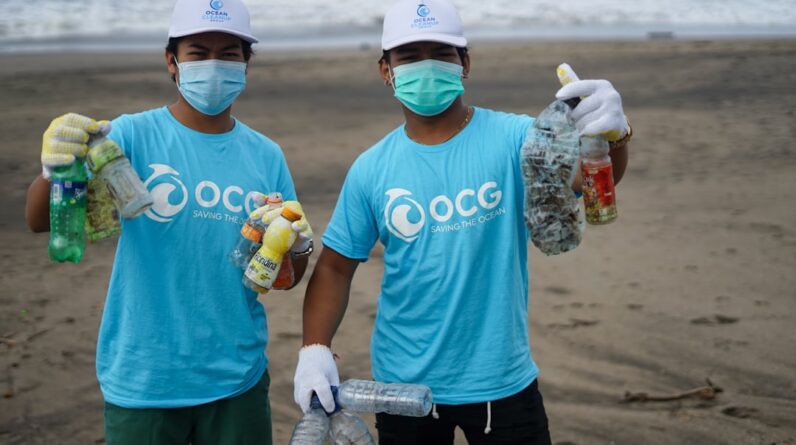
To enhance respiratory health in coastal communities, a multifaceted approach is necessary. One effective strategy involves increasing public awareness about the importance of clean air and healthy oceans. Educational campaigns can empower residents to take action by reducing their carbon footprint, participating in local clean-up efforts, and advocating for policies that protect marine environments.
By fostering a sense of community responsibility, you can contribute to a healthier atmosphere for everyone. Another critical strategy is the implementation of stricter regulations on pollution sources. Coastal areas often face challenges from industrial emissions and runoff from agriculture that can degrade air quality.
By advocating for policies that limit these pollutants, you can help ensure that both oceanic and atmospheric conditions remain conducive to good respiratory health. Additionally, promoting green spaces and urban planning that prioritizes natural ventilation can further improve air quality in densely populated coastal regions.
The Connection Between Air Quality and Ocean Oxygen Levels
The intricate relationship between air quality and ocean oxygen levels cannot be overstated. As you explore this connection, consider how changes in one can directly impact the other. For instance, when ocean temperatures rise due to climate change, it can lead to decreased oxygen solubility in seawater.
This phenomenon not only affects marine life but also has implications for air quality as harmful algal blooms become more prevalent. These blooms can release toxins into the air, exacerbating respiratory issues among coastal residents. Furthermore, pollutants from land-based activities often find their way into the ocean, creating a feedback loop that compromises both air and water quality.
As you think about this cycle, it becomes clear that addressing air quality issues requires a holistic approach that considers both terrestrial and marine environments. By recognizing this interconnectedness, you can advocate for comprehensive policies that address pollution at its source while promoting sustainable practices that benefit both air quality and ocean health.
Case Studies of Coastal Communities and Respiratory Health

Examining specific case studies of coastal communities can provide valuable insights into the challenges and successes related to respiratory health. For example, consider a coastal town that has implemented strict regulations on industrial emissions while simultaneously investing in green infrastructure such as parks and bike paths. As a result, residents have reported improved air quality and a decrease in respiratory-related hospital visits.
This case illustrates how proactive measures can lead to tangible benefits for community health. In contrast, look at another coastal area grappling with high levels of pollution from nearby industries and agricultural runoff. Residents in this community may experience higher rates of asthma and other respiratory conditions due to poor air quality linked to both land-based activities and declining ocean health.
By analyzing these contrasting scenarios, you can better understand the importance of targeted interventions and community engagement in addressing respiratory health challenges in coastal regions.
The Importance of Sustainable Ocean Management for Respiratory Health
Sustainable ocean management is crucial not only for preserving marine ecosystems but also for protecting human health in coastal communities. As you consider this importance, think about how practices such as responsible fishing, habitat restoration, and pollution control can contribute to healthier oceans and cleaner air. By prioritizing sustainability, you are not only safeguarding marine biodiversity but also ensuring that future generations have access to clean air and water.
Moreover, engaging local communities in sustainable practices fosters a sense of stewardship over their environment. When residents feel connected to their natural surroundings, they are more likely to advocate for policies that protect both their health and the health of the ocean. This collective effort can lead to significant improvements in respiratory health outcomes while promoting a culture of environmental responsibility.
The Need for Continued Research and Action in Coastal Respiratory Health
As you reflect on the intricate relationship between respiratory health and coastal environments, it becomes clear that continued research and action are essential. The challenges faced by coastal communities are complex and multifaceted; therefore, a collaborative approach involving scientists, policymakers, and residents is necessary to address these issues effectively. By investing in research that explores the connections between ocean health and air quality, you can contribute to a deeper understanding of how best to protect both human health and marine ecosystems.
In conclusion, your awareness and advocacy play a vital role in shaping the future of respiratory health in coastal communities. By recognizing the importance of clean air and healthy oceans, you can take action to promote sustainable practices that benefit both people and the planet. The journey toward improved respiratory health is ongoing; however, with continued commitment and collaboration, there is hope for healthier coastal environments for generations to come.
A related article to Respiratory Health in Coastal Communities: The Ocean Oxygen Factor is “Preventing Floods by Massive Tree Planting.” This article discusses the benefits of planting trees to help prevent flooding in communities. To learn more about this topic, you can visit the article here.
FAQs
What is the relationship between respiratory health and coastal communities?
Coastal communities are often exposed to unique environmental factors such as ocean breezes, salt air, and marine aerosols, which can have both positive and negative effects on respiratory health.
How does the ocean oxygen factor affect respiratory health in coastal communities?
The ocean oxygen factor refers to the high levels of oxygen produced by ocean phytoplankton, which can have a positive impact on respiratory health by improving air quality and reducing the risk of respiratory diseases.
What are some common respiratory health issues in coastal communities?
Common respiratory health issues in coastal communities include asthma, allergies, and chronic obstructive pulmonary disease (COPD), which can be exacerbated by environmental factors such as air pollution and allergens.
What are some ways to promote respiratory health in coastal communities?
Promoting respiratory health in coastal communities can be achieved through measures such as reducing air pollution, promoting green spaces, and raising awareness about the benefits of ocean oxygen on respiratory health.
Are there any specific populations in coastal communities that are more vulnerable to respiratory health issues?
Certain populations, such as children, the elderly, and individuals with pre-existing respiratory conditions, may be more vulnerable to respiratory health issues in coastal communities due to their increased susceptibility to environmental factors.