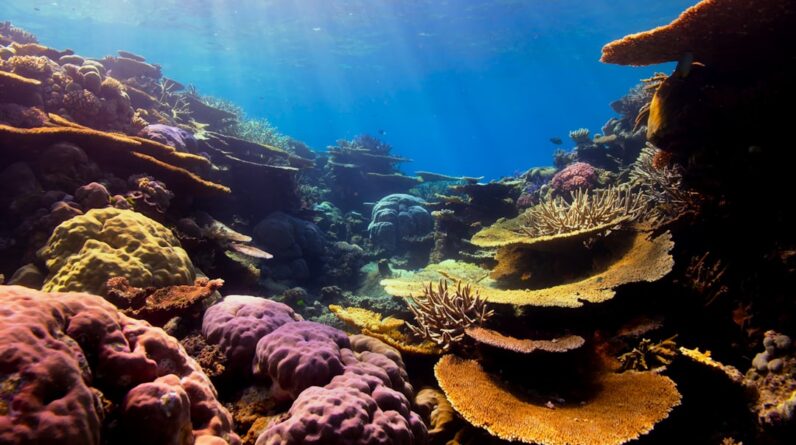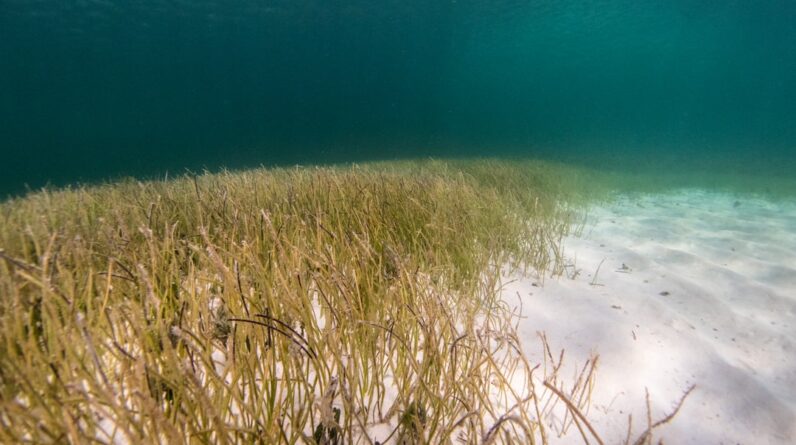
As you gaze out at the vast expanse of blue, it’s easy to forget that the oceans are not just a beautiful backdrop; they are vital to life on Earth. Covering over 70% of the planet’s surface, the oceans are a treasure trove of biodiversity and a critical component of the global ecosystem. They play an essential role in regulating climate, supporting countless species, and providing resources that sustain human life.
The oceans are often referred to as the “lungs of the Earth,” a title that underscores their importance in producing oxygen and absorbing carbon dioxide. Understanding the significance of the oceans is crucial for fostering a sense of responsibility toward their preservation. You may not realize it, but your daily life is intricately linked to the health of the oceans.
From the air you breathe to the food you eat, the oceans influence many aspects of your existence. They are a source of nourishment, recreation, and inspiration. However, human activities have put immense pressure on these vital waters, leading to pollution, overfishing, and climate change.
As stewards of the planet, it is your responsibility to recognize the importance of the oceans and advocate for their protection. The time has come to deepen your understanding of these magnificent bodies of water and their role in sustaining life on Earth.
Key Takeaways
- The world’s oceans play a crucial role in maintaining the health of the planet and supporting life on Earth.
- Phytoplankton, tiny marine plants, are responsible for producing a significant portion of the world’s oxygen through photosynthesis.
- Deforestation has a direct impact on ocean health, as it leads to increased runoff of pollutants and sediment into the ocean, harming marine life and ecosystems.
- The health of the world’s oceans is closely linked to human health, as they provide food, regulate climate, and offer recreational and economic opportunities.
- The oceans play a vital role in regulating the Earth’s climate by absorbing carbon dioxide and heat, and influencing weather patterns.
The Role of Phytoplankton in Oxygen Production
When you think about oxygen production, trees and plants may come to mind first. However, you might be surprised to learn that phytoplankton, microscopic organisms that inhabit the ocean’s surface, are responsible for producing approximately 50% of the world’s oxygen. These tiny powerhouses perform photosynthesis, converting sunlight into energy while releasing oxygen as a byproduct.
This process is not only essential for marine life but also for all terrestrial organisms, including you. Without phytoplankton, the atmosphere would be drastically different, and life as you know it would be unsustainable. Phytoplankton thrive in nutrient-rich waters and are a crucial part of the oceanic food web.
They serve as the primary food source for a variety of marine species, from tiny zooplankton to massive whales. By supporting these organisms, phytoplankton indirectly sustains human populations that rely on seafood for their diets. The health of phytoplankton populations is indicative of ocean health; when they flourish, so does marine biodiversity.
However, factors such as climate change and pollution threaten their survival, which could have dire consequences for both marine ecosystems and the oxygen levels in our atmosphere.
The Impact of Deforestation on Ocean Health
You may not immediately connect deforestation with ocean health, but these two issues are intricately linked. When forests are cleared for agriculture or urban development, soil erosion increases significantly. This erosion leads to sediment runoff that eventually finds its way into rivers and oceans.
The influx of sediment can smother coral reefs and disrupt delicate marine ecosystems. Additionally, deforestation contributes to increased carbon dioxide levels in the atmosphere, exacerbating climate change and further impacting ocean health. Moreover, deforestation often leads to increased nutrient runoff from fertilizers used in agriculture.
This nutrient overload can result in harmful algal blooms that deplete oxygen levels in the water, creating dead zones where marine life cannot survive. As you consider your role in this cycle, it becomes clear that protecting forests is not just about preserving terrestrial ecosystems; it is also about safeguarding the health of our oceans. By advocating for sustainable land-use practices and supporting reforestation efforts, you can help mitigate the negative impacts of deforestation on ocean health.
The Connection Between Ocean Health and Human Health
The relationship between ocean health and human health is profound and multifaceted. You might not realize it, but the oceans provide essential resources that directly impact your well-being. From seafood that serves as a primary protein source for billions of people to medicinal compounds derived from marine organisms, the oceans are a treasure trove of benefits for humanity.
However, when ocean health declines due to pollution or overfishing, these resources become compromised, posing risks to human health. Contaminated waters can lead to toxic seafood that endangers your health when consumed. Heavy metals and pollutants accumulate in marine life, making their way up the food chain and ultimately affecting you.
Additionally, declining fish populations can lead to food insecurity in communities that rely on fishing as their primary livelihood. As you reflect on your connection to the oceans, consider how your choices—such as supporting sustainable seafood practices—can contribute to healthier oceans and, by extension, healthier communities.
The Ocean’s Role in Regulating the Earth’s Climate
The oceans are not just passive observers in the climate system; they actively regulate Earth’s climate by absorbing heat and carbon dioxide from the atmosphere. When you think about climate change, it’s essential to recognize that the oceans act as a buffer against its most severe impacts. They absorb approximately 30% of carbon dioxide emissions produced by human activities, helping to mitigate global warming.
However, this comes at a cost; as carbon dioxide levels rise, ocean acidification occurs, threatening marine life and ecosystems. You may wonder how this affects you directly. Changes in ocean temperature and chemistry can lead to shifts in weather patterns, impacting agriculture and food production worldwide.
Additionally, rising sea levels threaten coastal communities where many people live and work. Understanding the ocean’s role in climate regulation highlights your responsibility to reduce carbon emissions and advocate for policies that protect these vital waters. By taking action now, you can help ensure that the oceans continue to play their crucial role in maintaining a stable climate for future generations.
Threats to the Ocean’s Ability to Produce Oxygen
Despite their critical role in oxygen production, phytoplankton and other marine organisms face numerous threats that jeopardize their ability to thrive. Climate change is one of the most significant challenges they encounter; rising sea temperatures can disrupt phytoplankton growth patterns and reduce their populations. Additionally, ocean acidification resulting from increased carbon dioxide levels can hinder their ability to perform photosynthesis effectively.
Pollution also poses a severe threat to oceanic oxygen production. Nutrient runoff from agricultural practices leads to algal blooms that consume oxygen in the water when they die off, creating dead zones where marine life cannot survive. As you consider these threats, it becomes clear that protecting ocean health is essential for maintaining oxygen levels in our atmosphere.
By advocating for sustainable practices and reducing pollution, you can contribute to safeguarding these vital organisms and ensuring they continue to support life on Earth.
The Importance of Conserving and Protecting the World’s Oceans
Conserving and protecting the world’s oceans is not just an environmental issue; it is a moral imperative that affects every living being on this planet. You have a role to play in this endeavor by raising awareness about ocean conservation and supporting initiatives aimed at protecting marine ecosystems. Whether through participating in beach clean-ups or advocating for policies that promote sustainable fishing practices, your actions can make a difference.
Moreover, supporting organizations dedicated to ocean conservation can amplify your impact. These organizations work tirelessly to protect marine habitats, conduct research on ocean health, and advocate for policies that prioritize sustainability. By aligning yourself with these efforts, you contribute to a collective movement aimed at preserving the oceans for future generations.
Remember that every small action counts; together, we can create a wave of change that ensures the health of our oceans remains a priority.
The Ongoing Need to Protect the Ocean’s Role as the Earth’s Lungs
As you reflect on the importance of the world’s oceans, it becomes evident that they are indispensable not only for marine life but also for humanity as a whole. Their role as producers of oxygen and regulators of climate underscores their significance in maintaining life on Earth. However, with increasing threats from pollution, climate change, and deforestation, it is crucial that you take action now to protect these vital resources.
The ongoing need to safeguard the oceans cannot be overstated; they are indeed the lungs of our planet. By understanding your connection to these waters and advocating for their protection, you contribute to a healthier planet for yourself and future generations. Embrace your role as a steward of the Earth’s oceans—your actions today will shape the world tomorrow.
Together, we can ensure that our oceans continue to thrive as essential components of life on Earth.
Planting trees is crucial for combating deforestation and preserving the environment. In a related article, How Does Planting Trees Help Deforestation?, the importance of reforestation efforts is highlighted as a way to mitigate the impact of deforestation on the planet. Just as the world’s oceans act as the lungs of the Earth by absorbing carbon dioxide and producing oxygen, trees play a vital role in maintaining the balance of our ecosystem. By stopping forest burning and promoting the advantages of planting trees for climate change, we can work towards a healthier planet for future generations.
FAQs
What are the world’s oceans?
The world’s oceans are large bodies of saltwater that cover over 70% of the Earth’s surface. There are five main oceans: the Pacific, Atlantic, Indian, Southern (Antarctic), and Arctic oceans.
Why are the world’s oceans considered the true lungs of the Earth?
The world’s oceans are considered the true lungs of the Earth because they produce over half of the world’s oxygen through the process of photosynthesis by marine plants, particularly phytoplankton. This oxygen production is essential for the survival of all living organisms on Earth.
How do the oceans produce oxygen?
Oceans produce oxygen through photosynthesis, a process carried out by marine plants such as phytoplankton, seaweed, and other aquatic plants. These plants use sunlight, carbon dioxide, and water to produce oxygen and organic compounds.
What role do the oceans play in regulating the Earth’s climate?
The oceans play a crucial role in regulating the Earth’s climate by absorbing and storing large amounts of heat from the sun. They also help regulate the distribution of heat and moisture around the globe, influencing weather patterns and climate systems.
How do human activities impact the oceans’ ability to produce oxygen?
Human activities such as pollution, overfishing, and climate change can negatively impact the oceans’ ability to produce oxygen. For example, pollution can lead to the decline of marine plant populations, while climate change can disrupt ocean ecosystems and affect the growth of marine plants. These factors can ultimately reduce the oceans’ oxygen production.