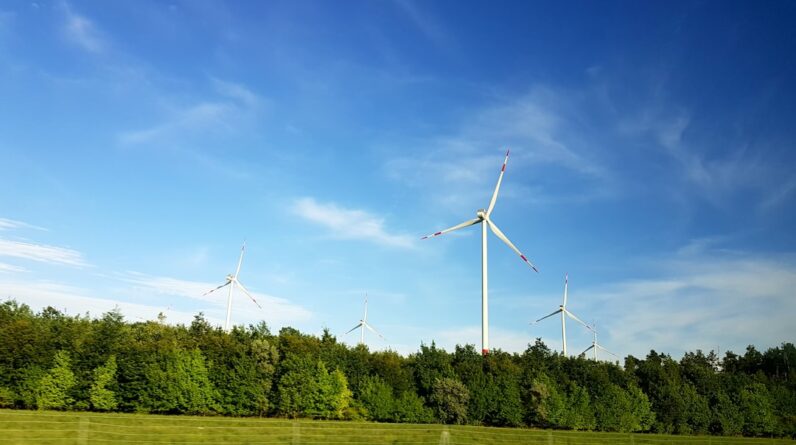
Small island nations are among the most vulnerable regions on the planet when it comes to the impacts of climate change. You may find it alarming that these nations, often characterized by their limited landmass and resources, face existential threats from rising sea levels, increased frequency of extreme weather events, and changing oceanic conditions. As you consider the implications, it becomes clear that the very survival of these nations is at stake.
For instance, countries like the Maldives and Tuvalu are experiencing coastal erosion and saltwater intrusion, which jeopardize freshwater supplies and agricultural productivity. The reality is that climate change is not a distant threat for these communities; it is an immediate crisis that demands urgent attention. Moreover, the socio-economic fabric of small island nations is intricately woven with their natural environment.
You might reflect on how tourism, fishing, and agriculture are not just economic activities but lifelines for these communities. As climate change disrupts weather patterns and marine ecosystems, the livelihoods of countless individuals are put at risk. The loss of biodiversity and the degradation of coral reefs further exacerbate these challenges, leading to food insecurity and economic instability.
In this context, it becomes evident that addressing climate change is not merely an environmental issue; it is a matter of social justice and human rights for the people living in these vulnerable regions.
Key Takeaways
- Small island nations are particularly vulnerable to the impacts of climate change, including rising sea levels and extreme weather events.
- Small island nations play a crucial role in promoting sustainable development through their unique perspectives and experiences.
- Small island nations are leading the way in championing renewable energy sources to reduce their reliance on fossil fuels.
- Small island nations are actively working to combat ocean acidification, which poses a significant threat to marine ecosystems.
- The conservation efforts of small island nations have a positive impact on global biodiversity, despite their small size.
The Role of Small Island Nations in Promoting Sustainable Development
Despite their vulnerabilities, small island nations have emerged as powerful advocates for sustainable development on the global stage. You may be surprised to learn that these nations often lead by example, showcasing innovative practices that prioritize environmental stewardship while promoting economic growth. Their unique circumstances compel them to adopt sustainable practices that can serve as models for larger nations grappling with similar challenges.
For instance, initiatives aimed at sustainable tourism not only protect natural resources but also empower local communities by ensuring that they benefit directly from their environment. In addition to sustainable tourism, small island nations are increasingly focusing on sustainable agriculture and fisheries management. You might consider how these practices not only enhance food security but also contribute to the resilience of local economies.
By implementing policies that promote organic farming and responsible fishing techniques, these nations are taking proactive steps to safeguard their natural resources for future generations. Their commitment to sustainable development is a testament to their resilience and determination to thrive in the face of adversity.
Small Island Nations as Champions of Renewable Energy
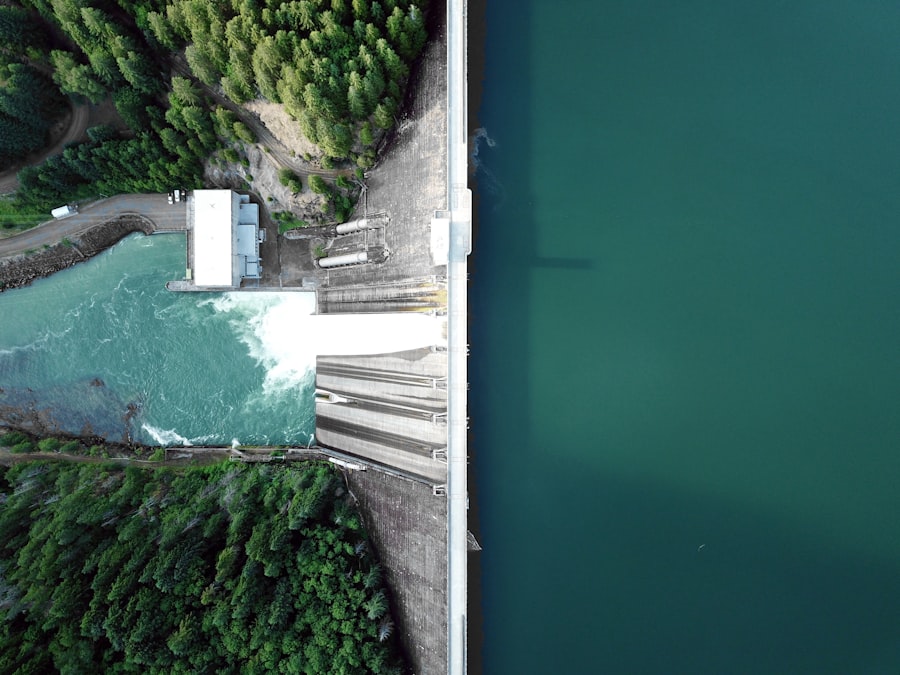
As you delve deeper into the environmental initiatives of small island nations, you will discover their remarkable commitment to renewable energy. These nations are often at the forefront of adopting clean energy technologies, driven by a need to reduce dependence on imported fossil fuels and mitigate greenhouse gas emissions. You may find it inspiring that countries like Samoa and Fiji have set ambitious targets for transitioning to 100% renewable energy sources.
This shift not only enhances energy security but also positions them as leaders in the global fight against climate change. The potential for renewable energy in small island nations is immense, given their abundant natural resources such as sunlight, wind, and ocean currents. You might envision how solar panels dotting rooftops or wind turbines harnessing coastal breezes can transform energy landscapes in these regions.
By investing in renewable energy infrastructure, small island nations are not only addressing their energy needs but also creating jobs and stimulating local economies. Their pioneering efforts serve as a beacon of hope for other nations seeking to transition to sustainable energy systems.
Small Island Nations’ Efforts to Combat Ocean Acidification
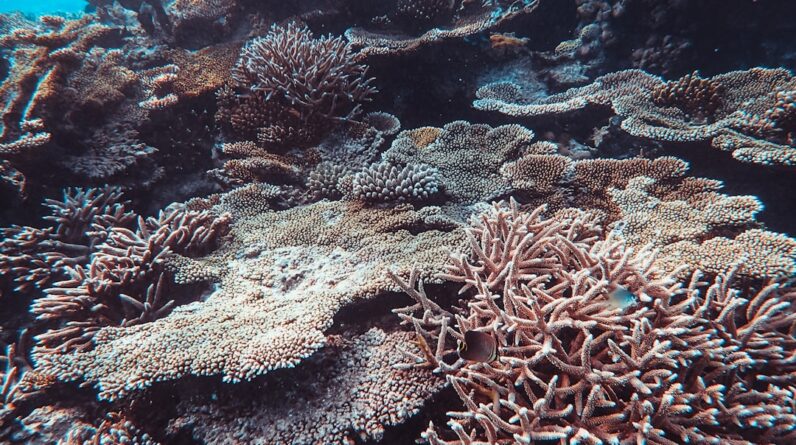
Ocean acidification is another pressing issue that disproportionately affects small island nations, given their reliance on marine ecosystems for food and economic stability. As you explore this topic, you will come to understand how rising carbon dioxide levels lead to increased acidity in ocean waters, threatening coral reefs and shellfish populations. These changes have far-reaching implications for the livelihoods of coastal communities that depend on healthy oceans for fishing and tourism.
In response to this challenge, small island nations are taking proactive measures to combat ocean acidification. You may be intrigued by initiatives aimed at monitoring ocean chemistry and implementing adaptive management strategies to protect vulnerable marine species. By collaborating with international organizations and research institutions, these nations are working to enhance their understanding of ocean dynamics and develop effective responses.
Their commitment to safeguarding marine ecosystems reflects a deep understanding of the interconnectedness of environmental health and human well-being.
The Impact of Small Island Nations’ Conservation Efforts on Global Biodiversity
The conservation efforts undertaken by small island nations have significant implications for global biodiversity. As you consider the unique ecosystems found in these regions—ranging from lush rainforests to vibrant coral reefs—you will appreciate their role as biodiversity hotspots. These ecosystems harbor a wealth of species, many of which are endemic and found nowhere else on Earth.
Your awareness of this biodiversity can deepen your understanding of why protecting these areas is crucial not only for local communities but for the planet as a whole. Small island nations are increasingly recognizing the importance of conservation as a means of preserving their natural heritage while contributing to global biodiversity goals. You might be inspired by initiatives aimed at establishing marine protected areas (MPAs) or restoring degraded habitats.
These efforts not only safeguard local species but also enhance ecosystem resilience in the face of climate change. By championing conservation, small island nations are making invaluable contributions to global efforts aimed at halting biodiversity loss and promoting ecological sustainability.
The Economic and Social Benefits of Small Island Nations’ Environmental Initiatives
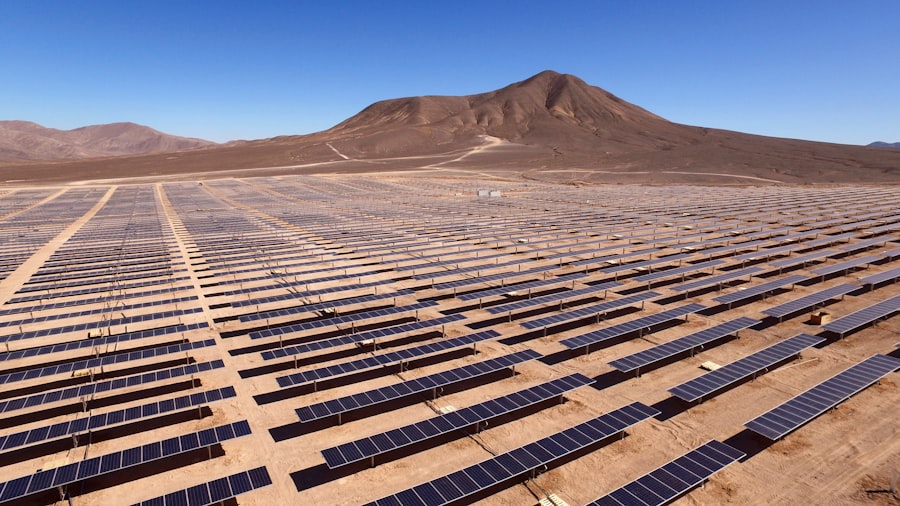
The environmental initiatives undertaken by small island nations yield significant economic and social benefits that extend beyond mere conservation efforts. As you reflect on this topic, you will recognize that investing in sustainable practices can lead to job creation, improved public health, and enhanced community resilience. For instance, eco-tourism initiatives not only attract visitors but also provide employment opportunities for local residents, fostering economic growth while preserving natural resources.
Furthermore, you may find it compelling that environmental initiatives often promote social cohesion within communities. By engaging local populations in conservation efforts and decision-making processes, small island nations empower individuals to take ownership of their environment. This sense of agency can lead to stronger community bonds and a shared commitment to sustainability.
As you consider the broader implications, it becomes clear that environmental initiatives are not just about protecting nature; they are about building thriving communities that can adapt and flourish in an uncertain future.
The Importance of International Support for Small Island Nations’ Environmental Protection Efforts
While small island nations are making remarkable strides in environmental protection, they cannot do it alone. You may recognize the critical role that international support plays in bolstering their efforts. Given their limited resources and capacity, these nations often rely on partnerships with larger countries and international organizations to access funding, technology, and expertise.
Your understanding of this dynamic can deepen your appreciation for the collaborative nature of global environmental governance. International support can take many forms, from financial assistance for renewable energy projects to technical training for local communities engaged in conservation efforts. You might consider how initiatives like the Green Climate Fund aim to provide resources specifically tailored to the needs of vulnerable countries, including small island states.
By fostering collaboration and knowledge-sharing, international support can amplify the impact of local initiatives and help small island nations achieve their environmental goals more effectively.
The Future of Small Island Nations’ Leadership in Environmental Conservation
Looking ahead, small island nations are poised to play a pivotal role in shaping the future of environmental conservation on a global scale. As you contemplate this future, you will likely recognize that their unique experiences with climate change and sustainability position them as valuable leaders in advocating for urgent action. Their voices carry weight in international forums where critical decisions about climate policy and environmental protection are made.
Moreover, you may find it encouraging that small island nations are increasingly leveraging technology and innovation to address environmental challenges. From utilizing satellite imagery for monitoring deforestation to employing data analytics for sustainable fisheries management, these nations are embracing new tools that enhance their capacity for effective conservation. As they continue to lead by example, small island nations inspire others to take bold action in the face of pressing environmental issues.
In conclusion, small island nations embody resilience and innovation in their approach to environmental conservation amidst significant challenges posed by climate change. Their commitment to sustainable development, renewable energy adoption, ocean protection, and biodiversity conservation serves as a powerful reminder of what can be achieved when communities come together with a shared vision for a sustainable future. As you reflect on their journey, consider how your own actions can contribute to a more sustainable world—one where small island nations continue to thrive as champions of environmental stewardship.
Small Island Nations are not the only ones taking action to protect the environment. In a related article, Stop Forest Burning: Save Trees and Animals, the importance of preventing forest fires and preserving natural habitats is highlighted. This article emphasizes the devastating impact that forest burning can have on both trees and animals, urging individuals and communities to take steps to protect these vital resources. By working together to address environmental challenges, we can all play a role in safeguarding the source of our breath and ensuring a sustainable future for all.
FAQs
What are small island nations doing to protect the environment?
Small island nations are taking proactive measures to protect the environment by implementing policies to reduce carbon emissions, promoting renewable energy sources, and advocating for international climate action.
Why are small island nations particularly vulnerable to climate change?
Small island nations are particularly vulnerable to climate change due to their low-lying geography, which makes them susceptible to rising sea levels, extreme weather events, and coastal erosion. These impacts threaten their infrastructure, economy, and overall well-being.
How do small island nations contribute to global efforts to combat climate change?
Small island nations contribute to global efforts to combat climate change by advocating for stronger international agreements, participating in climate conferences, and implementing sustainable practices within their own countries. They also raise awareness about the disproportionate impact of climate change on their communities.
What are some specific initiatives that small island nations have undertaken to protect the environment?
Small island nations have undertaken initiatives such as establishing marine protected areas, investing in renewable energy projects, implementing sustainable tourism practices, and promoting climate-resilient agriculture. They have also worked to reduce plastic pollution and promote sustainable waste management.
How can the international community support small island nations in their efforts to protect the environment?
The international community can support small island nations by providing financial assistance for climate adaptation and mitigation projects, sharing knowledge and technology for sustainable development, and honoring commitments to reduce greenhouse gas emissions. Additionally, supporting small island nations in their efforts to address climate change can help protect the global environment.