
Reforestation is a vital process that involves the replanting of trees in areas where forests have been depleted or destroyed. As you delve into the significance of this practice, you will discover that it is not merely about planting trees; it is about restoring ecosystems, enhancing biodiversity, and combating climate change. The urgency of reforestation has become increasingly apparent in recent years, as deforestation continues to threaten the planet’s health.
You may find it surprising that every year, millions of hectares of forest are lost due to logging, agriculture, and urban development. This loss not only affects the environment but also has profound implications for human well-being. As you explore the multifaceted benefits of reforestation, you will come to appreciate its role in creating a sustainable future.
The act of planting trees can serve as a powerful tool for environmental restoration and climate mitigation. By understanding the various dimensions of reforestation, you can better grasp its importance in addressing some of the most pressing challenges facing our planet today. From improving air quality to enhancing water resources, reforestation is a cornerstone of ecological health and resilience.
Key Takeaways
- Reforestation plays a crucial role in restoring and replenishing forests that have been depleted due to deforestation and other human activities.
- Ecosystem services provided by forests, such as carbon sequestration, water filtration, and habitat provision, are essential for maintaining a healthy environment and supporting human well-being.
- Reforestation helps improve soil health by preventing erosion, enhancing nutrient cycling, and promoting soil structure and fertility.
- Restoring forests through reforestation efforts can help conserve and protect a wide range of plant and animal species, contributing to biodiversity conservation.
- Reforestation plays a key role in regulating the climate by sequestering carbon dioxide from the atmosphere and mitigating the impacts of climate change.
The Importance of Ecosystem Services
Ecosystem services are the myriad benefits that humans derive from nature, and reforestation plays a crucial role in maintaining and enhancing these services. As you consider the interconnectedness of ecosystems, you will realize that forests provide essential services such as carbon sequestration, soil stabilization, and habitat provision. When you engage in reforestation efforts, you are not only contributing to the restoration of trees but also to the overall health of the ecosystem.
This interconnectedness highlights the importance of preserving and restoring forests for future generations. Moreover, reforestation can significantly improve air quality by absorbing carbon dioxide and releasing oxygen. As you breathe in cleaner air, you may reflect on how vital forests are in combating air pollution and mitigating climate change.
Additionally, forests act as natural water filters, purifying water as it flows through the soil and vegetation. By participating in reforestation initiatives, you are directly contributing to the enhancement of these ecosystem services, which ultimately benefit both nature and humanity.
How Reforestation Improves Soil Health

Soil health is a critical component of ecosystem functionality, and reforestation plays a significant role in enhancing it. When you plant trees, their roots help to anchor the soil, preventing erosion and promoting stability. This stabilization is particularly important in areas prone to landslides or degradation due to agricultural practices.
As you witness the growth of newly planted trees, you may notice how their root systems create a network that improves soil structure and fertility. In addition to preventing erosion, reforestation contributes to nutrient cycling within the soil. Trees shed leaves and organic matter that decompose and enrich the soil with essential nutrients.
This process not only enhances soil fertility but also supports a diverse array of microorganisms that contribute to overall soil health. By engaging in reforestation efforts, you are fostering an environment where healthy soils can thrive, ultimately leading to more productive ecosystems.
Reforestation and Biodiversity Conservation
Biodiversity is essential for maintaining resilient ecosystems, and reforestation is a powerful tool for conserving it. As you participate in reforestation projects, you will likely notice how newly planted trees create habitats for various species of flora and fauna. Forests are home to countless organisms, many of which rely on specific tree species for food and shelter.
By restoring these habitats through reforestation, you are playing a crucial role in preserving biodiversity. Furthermore, reforestation can help mitigate the effects of habitat fragmentation caused by urbanization and agriculture. When you plant trees in areas that have been stripped of their natural cover, you are effectively reconnecting fragmented habitats and allowing wildlife to thrive once more.
This restoration not only benefits individual species but also contributes to the overall health of ecosystems. As you engage with nature through reforestation efforts, you will come to appreciate the intricate web of life that depends on healthy forests.
Reforestation and Climate Regulation
The relationship between reforestation and climate regulation is profound and multifaceted. Trees act as carbon sinks, absorbing carbon dioxide from the atmosphere and storing it in their biomass. As you consider the implications of climate change, you may recognize that reforestation can be a powerful strategy for mitigating its effects.
By increasing forest cover, you are directly contributing to the reduction of greenhouse gases in the atmosphere. In addition to carbon sequestration, forests play a vital role in regulating local climates. They influence temperature and humidity levels while providing shade and cooling effects in urban areas.
As you witness the growth of a newly planted forest, you may reflect on how these trees contribute to climate stability by moderating extreme weather events. Through your involvement in reforestation initiatives, you are not only addressing climate change but also fostering a more stable environment for future generations.
Reforestation and Water Quality and Quantity
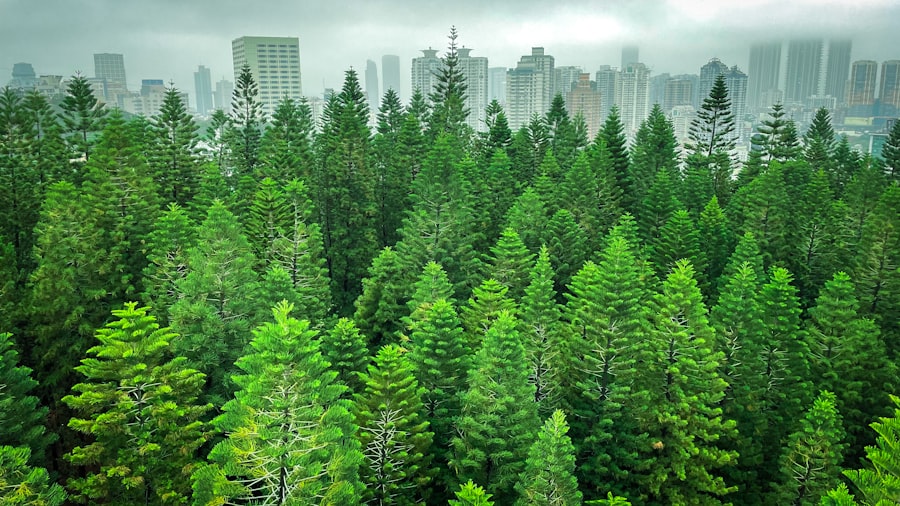
Water is an essential resource for all life on Earth, and reforestation significantly impacts both water quality and quantity. As you explore the relationship between forests and water resources, you will discover that trees play a crucial role in maintaining healthy watersheds. Their root systems help absorb rainfall, reducing runoff and allowing water to infiltrate the soil more effectively.
This process not only replenishes groundwater supplies but also helps maintain streamflow during dry periods. Moreover, forests act as natural filters for water bodies. As rainwater flows through forested areas, it is purified by the soil and vegetation before reaching rivers and lakes.
This filtration process helps reduce sedimentation and pollution in waterways, ultimately leading to cleaner water for both humans and wildlife. By participating in reforestation efforts, you are contributing to improved water quality and ensuring that this vital resource remains available for future generations.
Economic Benefits of Reforestation
Reforestation is not only an environmental imperative but also an economic opportunity. As you consider the potential economic benefits of restoring forests, you may find that they extend far beyond timber production. Healthy forests can support sustainable tourism, providing opportunities for ecotourism ventures that attract visitors seeking natural beauty and outdoor experiences.
This influx of tourism can generate income for local communities while promoting conservation efforts. Additionally, reforestation can create jobs in various sectors, from tree planting to forest management and conservation education. As communities engage in reforestation initiatives, they can develop skills that contribute to sustainable livelihoods while fostering a sense of stewardship for their natural resources.
By investing in reforestation projects, you are not only supporting environmental restoration but also contributing to economic resilience within communities.
Challenges and Considerations in Reforestation Efforts
While reforestation offers numerous benefits, it is essential to recognize the challenges and considerations involved in these efforts. One significant challenge is ensuring that the right tree species are selected for planting based on local ecosystems and climate conditions. As you engage in reforestation projects, it is crucial to prioritize native species that are well-adapted to the local environment.
This approach enhances biodiversity and increases the chances of successful establishment. Another consideration is the long-term maintenance of newly planted forests. Reforestation is not a one-time effort; it requires ongoing care and management to ensure that young trees thrive amidst competition from invasive species or other environmental stressors.
As you participate in these initiatives, understanding the importance of monitoring and maintaining these areas will be vital for their success. In conclusion, reforestation is a multifaceted endeavor that offers numerous benefits for ecosystems, biodiversity, climate regulation, water resources, and local economies. By engaging in reforestation efforts, you are contributing to a healthier planet while fostering sustainable practices that benefit both nature and humanity.
As you reflect on your role in this vital process, consider how your actions can help shape a more sustainable future for generations to come.
If you are interested in learning more about the benefits of planting trees for the environment, you may want to check out the article How Does Planting Trees Help the Environment?. This article delves into the various ways in which tree planting can positively impact our planet, from sequestering carbon to providing habitat for wildlife. It complements the discussion on how reforestation enhances ecosystem services and functionality by highlighting the broader environmental benefits of tree planting initiatives.
FAQs
What is reforestation?
Reforestation is the process of restoring and replanting forests that have been depleted or destroyed, with the goal of improving the health and functionality of the ecosystem.
How does reforestation enhance ecosystem services?
Reforestation enhances ecosystem services by improving soil health, increasing biodiversity, regulating water flow, and sequestering carbon dioxide, among other benefits. These services contribute to the overall functionality and resilience of the ecosystem.
What are some examples of ecosystem services provided by reforestation?
Examples of ecosystem services provided by reforestation include improved water quality, increased habitat for wildlife, enhanced carbon sequestration, and reduced soil erosion.
How does reforestation contribute to the functionality of ecosystems?
Reforestation contributes to the functionality of ecosystems by restoring natural processes such as nutrient cycling, water regulation, and habitat provision. This helps to support the overall health and balance of the ecosystem.
What are the environmental benefits of reforestation?
Reforestation provides environmental benefits such as mitigating climate change through carbon sequestration, improving air and water quality, and reducing the risk of natural disasters such as floods and landslides.
How does reforestation support sustainable development?
Reforestation supports sustainable development by providing resources such as timber and non-timber forest products, while also maintaining the ecological integrity of the ecosystem and supporting local communities.