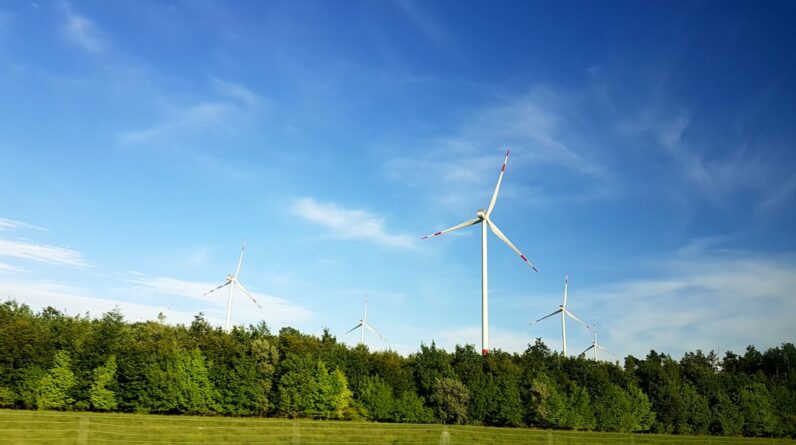
As you step outside during the summer months, you may notice the air feels different—thicker, warmer, and often more oppressive than in years past. Rising global temperatures are not just a statistic; they manifest in your daily life through sweltering heatwaves and unpredictable weather patterns. The increase in average temperatures has led to a surge in extreme weather events, including hurricanes, droughts, and heavy rainfall.
These phenomena are not merely inconveniences; they pose significant risks to your health, safety, and overall enjoyment of the summer season. You might find that your favorite summer activities are increasingly disrupted by these extreme weather events. For instance, a sunny beach day can quickly turn into a race against a sudden storm, or a planned hiking trip may be thwarted by excessive heat warnings.
The unpredictability of weather patterns can lead to frustration and disappointment, as you navigate the challenges posed by climate change. Understanding the connection between rising temperatures and extreme weather is crucial for adapting your summer plans and ensuring that you can still enjoy the season to its fullest.
Key Takeaways
- Rising temperatures and extreme weather events are impacting summer vacations, leading to changes in travel patterns and activities.
- Popular vacation destinations are experiencing the impact of climate change, with rising sea levels, extreme heat, and natural disasters affecting tourism.
- Wildlife and natural landscapes are being altered by climate change, leading to shifts in biodiversity and ecosystem dynamics.
- Outdoor activities and recreation are being affected by climate change, with changes in weather patterns and environmental conditions.
- The travel and tourism industry is facing challenges from climate change, with impacts on infrastructure, transportation, and visitor experiences.
Impact on Popular Vacation Destinations
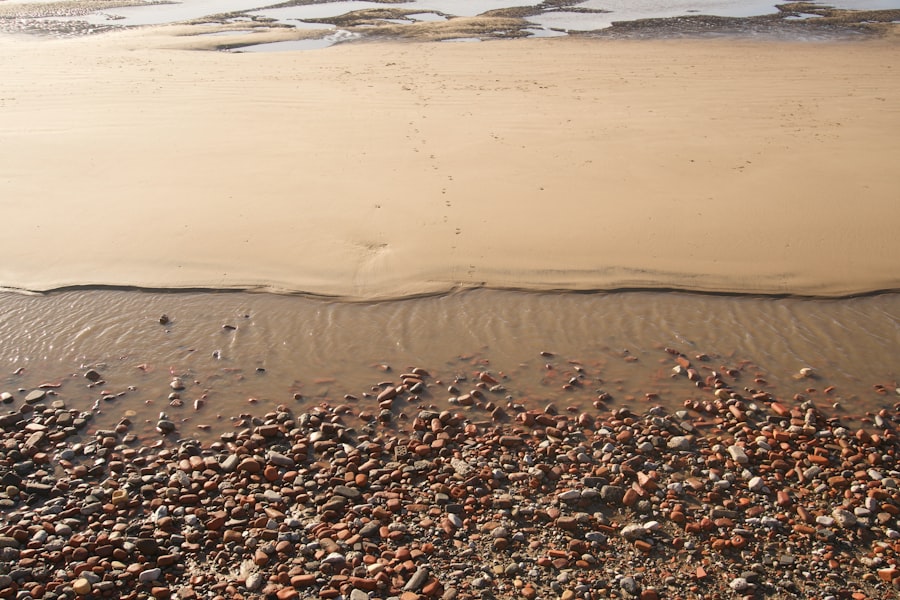
When you think of summer vacations, certain destinations likely come to mind—beaches, mountains, and vibrant cities filled with culture and adventure. However, climate change is reshaping these beloved locales in ways that may not be immediately apparent. Coastal areas are experiencing rising sea levels, which threaten to erode beaches and inundate waterfront properties.
You may find that once-pristine shores are now littered with debris or that your favorite seaside town is grappling with the consequences of flooding. Inland destinations are not immune either. National parks that once boasted lush landscapes and diverse wildlife are facing challenges due to changing climates.
You might notice that some trails are closed due to wildfires or that certain species of plants and animals are disappearing from their natural habitats. As you plan your summer getaway, it’s essential to consider how climate change is impacting these popular vacation spots and to seek out alternatives that prioritize sustainability and resilience.
Changes in Wildlife and Natural Landscapes

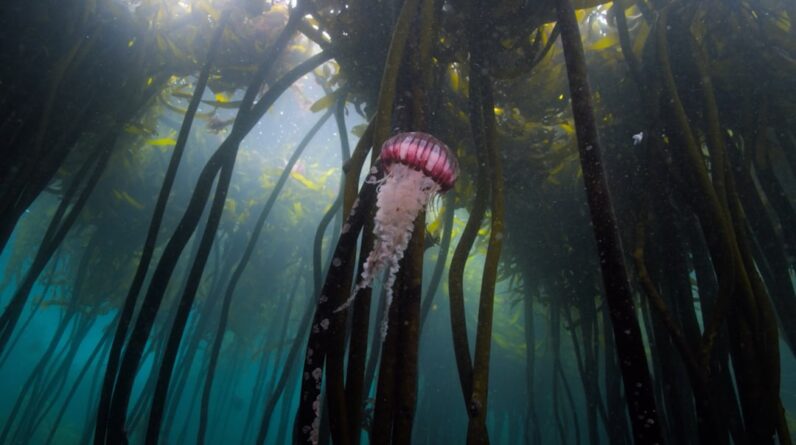
As you explore the great outdoors this summer, you may encounter changes in wildlife behavior and natural landscapes that reflect the ongoing impacts of climate change. Many species are struggling to adapt to shifting temperatures and altered ecosystems. You might notice that certain birds have migrated earlier than usual or that familiar animal calls are less frequent in your favorite hiking spots.
These changes can be disheartening, as they signal a disruption in the delicate balance of nature. The landscapes themselves are also transforming. Glaciers that once captivated visitors with their majestic beauty are retreating at alarming rates, while forests face increased threats from pests and diseases exacerbated by warmer temperatures.
As you witness these changes firsthand, it’s important to recognize the interconnectedness of all living things and the role you play in preserving these environments. By being mindful of your impact on nature, you can contribute to efforts aimed at protecting wildlife and maintaining the integrity of our natural landscapes.
Shifts in Outdoor Activities and Recreation
Your summer plans often revolve around outdoor activities—whether it’s hiking, camping, or simply lounging by the pool. However, climate change is prompting shifts in how you engage with these recreational pursuits. For instance, rising temperatures may make certain activities less enjoyable or even unsafe.
You might find yourself seeking shade more often or adjusting your schedule to avoid the hottest parts of the day. This shift can alter the way you experience nature and limit your options for outdoor fun. Moreover, some traditional summer activities may become increasingly difficult to pursue due to changing weather patterns.
For example, if you enjoy kayaking or fishing, you may notice that water levels in rivers and lakes fluctuate dramatically due to drought conditions or heavy rainfall. As you adapt to these changes, consider exploring new activities that align with the evolving climate landscape. Embracing alternative forms of recreation can help you stay connected to nature while also promoting resilience in the face of climate change.
Effects on Travel and Tourism Industry
The travel and tourism industry is intricately linked to seasonal patterns and natural beauty, making it particularly vulnerable to the effects of climate change. As a traveler, you may notice that popular destinations are experiencing shifts in visitor patterns due to extreme weather events or environmental degradation. For instance, ski resorts may face shorter seasons as snowfall becomes less reliable, while beach destinations grapple with erosion and rising sea levels.
These changes not only affect your travel plans but also have broader implications for local economies that rely on tourism revenue. Communities that once thrived on summer visitors may find themselves struggling to adapt to new realities. As you consider your travel choices, it’s essential to support destinations that prioritize sustainability and resilience in their tourism practices.
By doing so, you can help ensure that these places remain viable options for future generations of travelers.
Importance of Sustainable and Eco-Friendly Travel
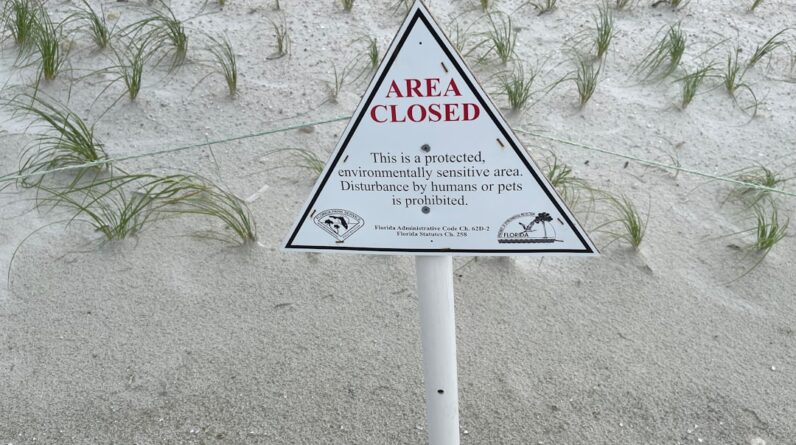
As you navigate the complexities of summer travel in a changing climate, embracing sustainable and eco-friendly practices becomes increasingly important. You have the power to make choices that minimize your environmental impact while still enjoying all that summer has to offer. This might involve selecting accommodations that prioritize green initiatives or opting for transportation methods with lower carbon footprints.
Additionally, being mindful of your consumption habits during your travels can contribute to a more sustainable experience. You might choose to support local businesses that prioritize eco-friendly practices or engage in activities that promote conservation efforts. By making conscious decisions about how you travel, you can play a role in protecting the planet while still enjoying memorable summer adventures.
Strategies for Coping with Climate Change on Summer Vacations
Adapting your summer vacation plans in response to climate change requires creativity and flexibility. One effective strategy is to stay informed about local weather patterns and environmental conditions at your chosen destination. By keeping an eye on forecasts and potential hazards, you can adjust your itinerary accordingly and ensure a safer experience.
Another approach is to prioritize destinations that have implemented climate resilience measures. Many areas are investing in infrastructure improvements designed to mitigate the impacts of climate change, such as enhanced flood defenses or sustainable tourism initiatives. By choosing these locations, you not only support communities working toward sustainability but also increase your chances of having an enjoyable vacation despite changing conditions.
Advocacy and Action for Mitigating Climate Change’s Impact on Summer Vacations
As an individual traveler, your voice matters in the fight against climate change. Advocacy plays a crucial role in raising awareness about the impacts of climate change on summer vacations and promoting action at local, national, and global levels. You can engage with organizations focused on environmental protection or participate in community initiatives aimed at addressing climate issues.
Moreover, sharing your experiences and insights with others can inspire collective action toward mitigating climate change’s effects on travel and tourism. Whether through social media platforms or community discussions, your perspective can help raise awareness about the importance of sustainable practices in the travel industry. By advocating for change and supporting policies that prioritize environmental protection, you contribute to a brighter future for summer vacations—one where both people and nature can thrive together.
If you’re interested in learning more about how planting trees can help combat deforestation and protect the environment, check out the article How Does Planting Trees Help Deforestation? on Live Life with a Cause. This article delves into the importance of reforestation efforts and how they can positively impact our planet. It’s a great read for those looking to make a difference and contribute to a more sustainable future.
FAQs
What is climate change?
Climate change refers to long-term changes in temperature, precipitation, and other atmospheric conditions on Earth. It is primarily caused by human activities such as burning fossil fuels, deforestation, and industrial processes, which release greenhouse gases into the atmosphere.
How will climate change affect summer vacations?
Climate change will affect summer vacations in various ways, including more extreme weather events such as heatwaves, hurricanes, and wildfires, changes in natural landscapes and ecosystems, and impacts on popular tourist destinations such as beaches and national parks.
What are some potential impacts of climate change on popular vacation destinations?
Some potential impacts of climate change on popular vacation destinations include rising sea levels affecting coastal areas and beaches, increased risk of extreme weather events such as hurricanes and wildfires, changes in wildlife and natural habitats, and shifts in seasonal weather patterns.
How can travelers adapt to the effects of climate change on summer vacations?
Travelers can adapt to the effects of climate change on summer vacations by choosing more sustainable travel options, supporting eco-friendly accommodations and tour operators, being mindful of their environmental impact while traveling, and staying informed about potential climate-related risks at their destination.
What are some sustainable travel practices that can help mitigate the impact of climate change on summer vacations?
Some sustainable travel practices that can help mitigate the impact of climate change on summer vacations include reducing carbon emissions by choosing eco-friendly transportation options, supporting local conservation efforts, minimizing waste and plastic usage, and choosing accommodations with strong environmental policies.