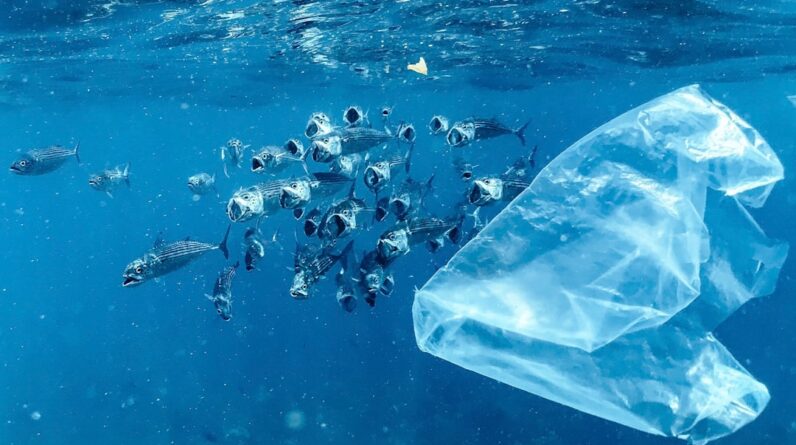
As you delve into the intricate relationship between the oceans and the atmosphere, it becomes clear that ocean oxygen is a vital component of life on Earth. The oceans produce approximately half of the oxygen you breathe, thanks to the photosynthetic activities of marine plants, particularly phytoplankton. These microscopic organisms not only contribute to the oxygen supply but also play a crucial role in regulating the global climate.
By absorbing carbon dioxide and releasing oxygen, they help maintain a delicate balance that supports both marine and terrestrial ecosystems. Understanding this connection is essential for appreciating the broader implications of ocean health on your own well-being. Moreover, the oceans serve as a significant carbon sink, absorbing excess carbon dioxide from the atmosphere.
This process mitigates climate change and helps regulate global temperatures. However, as you consider the importance of ocean oxygen, it is vital to recognize that changes in ocean chemistry, temperature, and biodiversity can disrupt these processes. The health of marine ecosystems directly influences your quality of life, from the air you breathe to the food you consume.
Therefore, fostering a deeper understanding of ocean oxygen is not just an academic exercise; it is a call to action for everyone who relies on the oceans for sustenance and survival.
Key Takeaways
- Ocean oxygen is crucial for marine life and the overall health of the ocean ecosystem.
- Climate change, pollution, and overfishing are major threats to ocean oxygen levels.
- Policymakers play a key role in addressing ocean oxygen issues through legislation and regulation.
- Engaging policymakers requires building strong alliances and coalitions to advocate for ocean oxygen.
- Overcoming political barriers and resistance is essential for successful policy interventions for ocean oxygen.
Identifying the Challenges and Threats to Ocean Oxygen Levels
As you explore the challenges facing ocean oxygen levels, it becomes evident that human activities are at the forefront of these threats. Climate change, primarily driven by greenhouse gas emissions, is causing ocean temperatures to rise. Warmer waters hold less dissolved oxygen, leading to hypoxic conditions—areas where oxygen levels are insufficient to support most marine life.
This phenomenon poses a significant risk to fish populations and other marine organisms, disrupting food chains and threatening biodiversity. The implications extend beyond marine life; they can also affect your local economies that depend on fishing and tourism. In addition to climate change, nutrient pollution from agricultural runoff exacerbates the problem.
Excessive fertilizers wash into rivers and eventually reach the oceans, leading to algal blooms that consume oxygen as they decompose. These blooms create dead zones—regions where oxygen levels are critically low—resulting in mass die-offs of marine life. As you consider these challenges, it becomes clear that addressing ocean oxygen levels requires a multifaceted approach that tackles both climate change and pollution.
The urgency of these issues cannot be overstated; they demand immediate attention and action from individuals, communities, and governments alike.
The Role of Policymakers in Addressing Ocean Oxygen Issues

Policymakers play a crucial role in addressing the challenges posed by declining ocean oxygen levels. As you reflect on their responsibilities, it is essential to recognize that effective policy can drive significant change. By implementing regulations that limit greenhouse gas emissions and promote sustainable agricultural practices, policymakers can help mitigate the factors contributing to low oxygen levels in the oceans.
Their decisions can shape environmental standards that protect marine ecosystems while also considering economic impacts on communities reliant on ocean resources. Furthermore, policymakers have the power to allocate funding for research and conservation initiatives aimed at understanding and preserving ocean health. By supporting scientific studies that investigate the causes and consequences of declining oxygen levels, they can inform evidence-based policies that address these pressing issues.
Engaging with scientists, environmental organizations, and local communities can enhance their understanding of the complexities surrounding ocean oxygen and foster collaborative solutions. Ultimately, your involvement in advocating for strong policies can influence decision-makers to prioritize ocean health in their agendas.
Strategies for Engaging Policymakers on Ocean Oxygen Issues
Engaging policymakers on ocean oxygen issues requires strategic approaches that resonate with their priorities and concerns. One effective strategy is to present compelling data that highlights the economic implications of declining ocean health. By illustrating how low oxygen levels can lead to fishery collapses or reduced tourism revenue, you can capture their attention and emphasize the need for immediate action.
Tailoring your message to align with their interests—whether it be economic growth, public health, or environmental stewardship—can create a sense of urgency that motivates them to act. Additionally, grassroots movements can amplify your voice and demonstrate public support for ocean oxygen initiatives. Organizing community events, campaigns, or petitions can showcase widespread concern about declining ocean health.
When policymakers see that their constituents are passionate about these issues, they may be more inclined to prioritize them in their agendas. Building relationships with local representatives through meetings or correspondence can also foster dialogue and collaboration. By establishing yourself as a knowledgeable advocate for ocean oxygen issues, you can influence their decision-making processes and encourage them to champion policies that protect our oceans.
Building Alliances and Coalitions to Advocate for Ocean Oxygen
To effectively advocate for ocean oxygen issues, building alliances and coalitions is essential. Collaborating with environmental organizations, academic institutions, and community groups can amplify your efforts and create a unified front in addressing these challenges. By pooling resources and expertise, you can develop comprehensive strategies that tackle various aspects of ocean health.
These partnerships can also enhance your credibility as an advocate, as diverse stakeholders lend their voices to the cause. Moreover, engaging with industries that rely on healthy oceans—such as fisheries, tourism, and recreation—can strengthen your advocacy efforts. By highlighting how declining oxygen levels impact their livelihoods, you can foster a sense of shared responsibility among stakeholders.
Collaborative initiatives that promote sustainable practices within these industries can lead to positive outcomes for both the economy and marine ecosystems. As you work together with diverse groups, you create a powerful network dedicated to advocating for policies that protect ocean oxygen levels.
Overcoming Political Barriers and Resistance

Navigating political barriers and resistance is often a significant challenge when advocating for ocean oxygen issues. You may encounter skepticism from policymakers who prioritize short-term economic gains over long-term environmental sustainability. To overcome this resistance, it is crucial to present well-researched arguments that demonstrate the economic benefits of protecting ocean health.
By showcasing successful case studies where sustainable practices have led to economic growth or job creation, you can counteract arguments against environmental regulations. Additionally, fostering open dialogue with those who may oppose your views is essential for building understanding and finding common ground. Engaging in respectful conversations with skeptics allows you to address their concerns while also sharing your perspective on the importance of ocean oxygen.
By focusing on shared values—such as community well-being or economic stability—you can create opportunities for collaboration rather than confrontation. Ultimately, persistence and patience are key; overcoming political barriers requires ongoing efforts to educate and engage stakeholders at all levels.
Showcasing Successful Policy Interventions for Ocean Oxygen
Highlighting successful policy interventions can serve as powerful examples when advocating for ocean oxygen issues. You might look to regions where proactive measures have led to improved water quality and restored marine ecosystems. For instance, some coastal communities have implemented nutrient management programs that reduce agricultural runoff into waterways.
These initiatives not only enhance water quality but also promote healthier marine environments by preventing harmful algal blooms. Another example is the establishment of marine protected areas (MPAs), which restrict certain activities in designated regions to safeguard biodiversity and promote ecosystem recovery. Research has shown that MPAs can enhance fish populations and improve overall ocean health by providing safe havens for marine life to thrive.
By showcasing these successful interventions, you can inspire policymakers to adopt similar strategies in their jurisdictions. Demonstrating tangible results reinforces the idea that protecting ocean oxygen levels is not only feasible but also beneficial for communities and economies alike.
The Future of Ocean Oxygen Policy: Opportunities and Challenges
As you contemplate the future of ocean oxygen policy, it becomes evident that both opportunities and challenges lie ahead. On one hand, growing awareness of climate change and its impacts on marine ecosystems has spurred increased interest in sustainable practices among policymakers and the public alike. This momentum presents an opportunity for advocates like you to push for stronger regulations aimed at protecting ocean health.
Collaborative efforts among governments, NGOs, and communities can lead to innovative solutions that address both climate change and pollution. However, challenges remain as political divisions persist regarding environmental policies. Resistance from industries reliant on fossil fuels or unsustainable practices may hinder progress toward comprehensive solutions for ocean oxygen issues.
Additionally, funding constraints can limit research initiatives aimed at understanding the complexities of ocean health. As you navigate this landscape, it is crucial to remain resilient in your advocacy efforts while continuing to build alliances with diverse stakeholders who share your commitment to protecting our oceans. In conclusion, addressing ocean oxygen issues requires a multifaceted approach involving education, advocacy, collaboration, and policy intervention.
By understanding the importance of ocean oxygen and engaging with policymakers effectively, you can contribute to meaningful change that safeguards marine ecosystems for future generations. The journey may be challenging, but your efforts are vital in ensuring a healthier planet where both people and oceans thrive together.
Political Will: Engaging Policymakers on Ocean Oxygen Issues is crucial for addressing the environmental challenges our planet faces. In a related article, How Does Planting Trees Help Climate Change?, the importance of reforestation in combating climate change is discussed. By understanding the interconnectedness of our ecosystems and the impact of human activities on the environment, policymakers can make informed decisions to protect our planet for future generations.
FAQs
What is political will and why is it important in addressing ocean oxygen issues?
Political will refers to the determination and commitment of government leaders and policymakers to take action on a particular issue. In the context of ocean oxygen issues, political will is crucial in driving policy changes, allocating resources, and implementing measures to address the declining oxygen levels in the world’s oceans.
How can stakeholders engage policymakers on ocean oxygen issues?
Stakeholders can engage policymakers on ocean oxygen issues by raising awareness, providing scientific evidence, and advocating for policy changes. This can be done through direct communication, organizing events, and collaborating with government agencies and non-governmental organizations.
What are some effective strategies for building political will to address ocean oxygen issues?
Effective strategies for building political will to address ocean oxygen issues include highlighting the impact on marine ecosystems and fisheries, emphasizing the link between ocean oxygen levels and climate change, and demonstrating the economic and social benefits of taking action. Engaging with policymakers at all levels of government and fostering partnerships with relevant stakeholders can also be effective.
What are the potential barriers to building political will on ocean oxygen issues?
Potential barriers to building political will on ocean oxygen issues include competing policy priorities, lack of awareness or understanding among policymakers, and resistance from industries or special interest groups that may be affected by policy changes. Additionally, political and economic factors can also pose challenges to building political will on this issue.