As you delve into the pressing issue of melting polar ice, it becomes evident that one of the most immediate consequences is the rise in sea levels. The polar regions, particularly Greenland and Antarctica, hold vast amounts of ice that, when melted, contribute significantly to global sea levels. You may find it alarming to learn that scientists estimate that if all the ice in Greenland were to melt, it could raise sea levels by approximately 7 meters.
This dramatic increase would have catastrophic implications for coastal cities and low-lying areas around the world. The melting of polar ice is not a distant threat; it is happening now. Satellite data has shown that the rate of ice loss from these regions has accelerated over the past few decades.
As you consider the implications of this phenomenon, think about how rising sea levels can lead to increased flooding, erosion, and saltwater intrusion into freshwater sources. Coastal communities are already experiencing these effects, and as the ice continues to melt, the situation will only worsen. The urgency of addressing this issue cannot be overstated, as it poses a direct threat to millions of people living in vulnerable areas.
Key Takeaways
- Melting polar ice is contributing to rising sea levels, posing a threat to coastal areas worldwide.
- Changes in global climate patterns, such as extreme weather events, are being influenced by melting polar ice.
- Wildlife and ecosystems are being negatively impacted by the melting of polar ice, leading to habitat loss and species displacement.
- Coastal communities are at risk of displacement due to rising sea levels caused by melting polar ice.
- The economic impacts of melting polar ice include damage to infrastructure, loss of land, and increased costs for adaptation and mitigation efforts.
Changes in Global Climate Patterns
The melting of polar ice is intricately linked to changes in global climate patterns. As you explore this connection, you will discover that the polar regions play a crucial role in regulating the Earth’s climate. The ice reflects sunlight back into space, helping to maintain cooler temperatures.
When this ice melts, darker ocean waters are exposed, absorbing more heat and further accelerating global warming. This feedback loop creates a cascade of effects that can alter weather patterns across the globe. You may notice that these changes manifest in various ways, from more intense storms and hurricanes to prolonged droughts and heatwaves.
The disruption of established climate patterns can lead to unpredictable weather events that affect agriculture, water supply, and overall human health. As you reflect on these changes, consider how they impact not only your local environment but also ecosystems and communities far removed from the polar regions. The interconnectedness of our planet means that the consequences of melting ice are felt worldwide.
Effects on Wildlife and Ecosystems

The ramifications of melting polar ice extend beyond human concerns; they also pose significant threats to wildlife and ecosystems. As you think about the polar regions, consider the unique species that inhabit these areas, such as polar bears, seals, and various seabirds. These animals rely on stable ice habitats for hunting, breeding, and resting.
With the ongoing loss of ice, their survival is increasingly jeopardized. You may find it heartbreaking to realize that some species are already facing extinction due to habitat loss. Moreover, the melting ice affects entire ecosystems.
As you explore this topic further, you will discover that the influx of freshwater from melting glaciers can disrupt marine ecosystems by altering salinity levels and nutrient distribution. This shift can have cascading effects on fish populations and other marine life that depend on stable conditions for survival. The delicate balance of these ecosystems is being threatened, and as a result, biodiversity is at risk.
You may feel a sense of urgency to advocate for conservation efforts to protect these vulnerable species and their habitats.
Displacement of Coastal Communities
One of the most pressing social issues arising from melting polar ice is the displacement of coastal communities. As sea levels rise, many people living in low-lying areas are forced to confront the reality of losing their homes. You might imagine what it would be like to witness your community slowly being swallowed by the ocean or facing increasingly frequent flooding events.
This situation is not just a hypothetical scenario; it is a reality for many around the world. The displacement caused by rising sea levels can lead to a host of challenges for affected communities. You may consider how relocation can disrupt social networks, cultural identities, and livelihoods.
The loss of land can also exacerbate existing inequalities, as marginalized communities often bear the brunt of climate impacts. As you reflect on these issues, think about the importance of developing comprehensive strategies to support displaced populations and ensure their voices are heard in discussions about climate adaptation and resilience.
Economic Impacts of Melting Polar Ice
The economic implications of melting polar ice are profound and far-reaching. As you examine this topic, consider how rising sea levels can threaten infrastructure, property values, and local economies in coastal areas. You may find it concerning that cities like Miami, New Orleans, and New York are already investing billions in flood defenses and resilience measures to combat the impacts of climate change.
These costs will only escalate as sea levels continue to rise. Additionally, the economic ramifications extend beyond immediate coastal concerns. You might think about how changes in global climate patterns can disrupt agricultural production and food supply chains.
Extreme weather events can lead to crop failures and increased prices for essential goods. As you contemplate these economic challenges, consider how they will disproportionately affect vulnerable populations who may lack the resources to adapt or recover from such shocks.
Potential Solutions and Mitigation Strategies

In light of the challenges posed by melting polar ice, it is essential to explore potential solutions and mitigation strategies. You may find it encouraging to learn that there are various approaches being developed to address this crisis. One key strategy involves reducing greenhouse gas emissions through renewable energy sources, energy efficiency improvements, and sustainable transportation options.
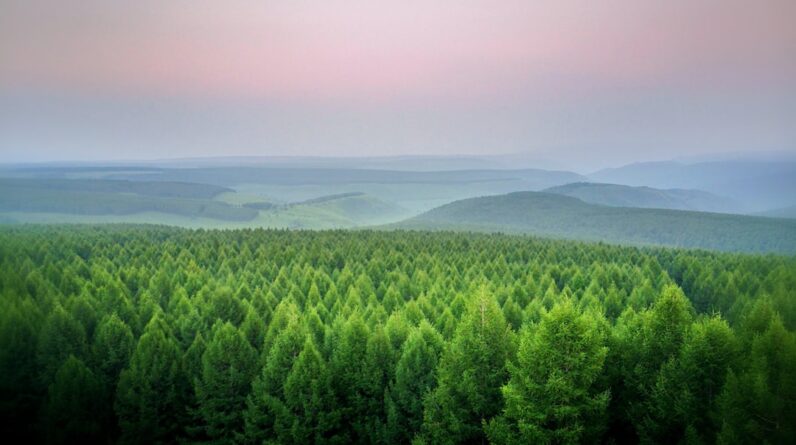
By transitioning to a low-carbon economy, you can contribute to slowing down global warming and its associated impacts on polar ice. Another important aspect of mitigation involves enhancing natural carbon sinks such as forests and wetlands. You might consider how protecting and restoring these ecosystems can help absorb carbon dioxide from the atmosphere while also providing critical habitats for wildlife.
Additionally, investing in innovative technologies such as carbon capture and storage could play a role in reducing atmospheric CO2 levels. As you reflect on these solutions, think about how individual actions—such as reducing waste or supporting sustainable practices—can collectively make a difference.
The Role of International Cooperation
Addressing the challenges posed by melting polar ice requires robust international cooperation. As you contemplate this issue, consider how climate change knows no borders; its impacts are felt globally regardless of where they originate. You may find it inspiring that countries around the world are beginning to recognize the need for collaborative efforts to combat climate change through agreements like the Paris Accord.
International cooperation can take many forms, from sharing research and technology to providing financial support for vulnerable nations facing climate impacts. You might think about how developed countries have a responsibility to assist developing nations in building resilience against climate change effects. By fostering partnerships and promoting knowledge exchange, countries can work together toward common goals in addressing the crisis posed by melting polar ice.
Adapting to a World Without Ice
As you envision a future shaped by melting polar ice, it becomes crucial to consider how societies can adapt to a world without ice. This adaptation will require innovative thinking and proactive planning at all levels—from local communities to national governments. You may find it essential to explore strategies such as building resilient infrastructure designed to withstand flooding or investing in sustainable urban planning that accounts for rising sea levels.
Moreover, adapting to a world without ice involves rethinking our relationship with nature and embracing sustainable practices that prioritize environmental stewardship. You might consider how education plays a vital role in fostering awareness about climate change and encouraging individuals to take action within their communities. By promoting a culture of sustainability and resilience, you can contribute to shaping a future where humanity coexists harmoniously with a changing planet.
In conclusion, as you reflect on the multifaceted impacts of melting polar ice—from rising sea levels and altered climate patterns to wildlife threats and economic challenges—it becomes clear that urgent action is needed. By understanding these issues and advocating for solutions at both individual and collective levels, you can play a part in addressing one of the most pressing challenges facing our planet today.
A related article to “A World Without Ice: Visualizing Earth After the Poles Melt” is “How Does Planting Trees Help Climate Change?” This article discusses the importance of reforestation in combating global warming and its positive impact on the environment. Planting trees can help absorb carbon dioxide from the atmosphere and reduce greenhouse gas emissions. To learn more about the benefits of planting trees for climate change, you can read the full article here.
FAQs
What is the article “A World Without Ice: Visualizing Earth After the Poles Melt” about?
The article explores the potential consequences of the melting of the polar ice caps and the impact it would have on the Earth’s climate, sea levels, and ecosystems.
What are the potential consequences of the melting of the polar ice caps?
The melting of the polar ice caps could lead to rising sea levels, changes in global weather patterns, loss of habitat for polar animals, and disruption of ocean currents.
How would the melting of the polar ice caps affect sea levels?
The melting of the polar ice caps would cause sea levels to rise, leading to coastal flooding, erosion, and displacement of populations living in low-lying areas.
What impact would the melting of the polar ice caps have on global weather patterns?
The melting of the polar ice caps could disrupt global weather patterns, leading to more extreme weather events such as storms, heatwaves, and droughts.
How would the melting of the polar ice caps affect ecosystems?
The melting of the polar ice caps would result in the loss of habitat for polar animals such as polar bears, seals, and penguins, leading to a decline in their populations.
What can be done to prevent the melting of the polar ice caps?
To prevent the melting of the polar ice caps, it is important to reduce greenhouse gas emissions, transition to renewable energy sources, and take measures to protect and preserve the polar regions.