As you delve into the world of poetry, you may find that the ocean breathes life into countless verses, its rhythmic waves echoing the pulse of existence. The poetry of ocean breath captures the essence of the sea, intertwining the natural world with human emotion and experience. This unique form of expression invites you to explore the depths of your own feelings while simultaneously connecting you to the vastness of the marine environment.
The ocean, with its boundless horizons and mysterious depths, serves as a powerful metaphor for life’s complexities, offering solace, inspiration, and reflection. In this exploration, you will discover how poets have harnessed the imagery and symbolism of ocean breath to convey profound truths about existence. The interplay between the sea and human emotion creates a rich tapestry of meaning, inviting you to ponder your relationship with nature and the world around you.
As you journey through this poetic landscape, you will encounter themes of longing, loss, and renewal, all intricately woven into the fabric of oceanic imagery. The breath of the ocean becomes a vital force in literature, breathing life into words and evoking a sense of wonder that transcends time and space.
Key Takeaways
- The poetry of ocean breath captures the essence of the sea and its connection to human existence.
- Marine oxygen is often used as a symbol of life, vitality, and renewal in poetry, representing the interconnectedness of all living beings.
- Literature has often romanticized the ocean breath, portraying it as a source of inspiration, freedom, and emotional depth.
- Marine oxygen holds scientific and ecological importance in poetry, highlighting the need for environmental preservation and sustainability.
- Environmental poetry often utilizes marine oxygen as a metaphor for the fragility of the natural world and the impact of human actions on the environment.
The Symbolism of Marine Oxygen in Poetry
Marine oxygen serves as a potent symbol in poetry, representing not only the physical sustenance necessary for life but also the intangible essence of inspiration and creativity. When poets reference the breath of the ocean, they often evoke feelings of vitality and renewal, suggesting that just as the sea provides oxygen to countless organisms, it also nourishes the human spirit. This duality allows you to appreciate the interconnectedness of all living beings, emphasizing that your existence is intricately linked to the health of the marine environment.
Moreover, marine oxygen symbolizes freedom and exploration. The vastness of the ocean invites you to venture beyond your comfort zone, encouraging you to embrace new experiences and perspectives. Poets often use this symbolism to reflect on personal journeys, illustrating how the ocean’s breath can inspire courage and resilience in the face of adversity.
As you read these verses, you may find yourself drawn to the idea that just as the ocean breathes life into its surroundings, so too can you draw strength from nature’s beauty and power.
The Romanticization of Ocean Breath in Literature

Throughout literary history, poets have romanticized the concept of ocean breath, portraying it as a source of beauty and inspiration. The imagery associated with the sea often evokes feelings of nostalgia and longing, inviting you to reflect on your own experiences with nature. The gentle lapping of waves against the shore can be likened to a lover’s whisper, creating an intimate connection between the poet and their subject.
This romanticization allows you to escape into a world where the ocean becomes a sanctuary for your thoughts and emotions. In many poems, the ocean is depicted as a muse, inspiring creativity and artistic expression. The breath of the sea is often described in lush detail, with poets using vivid language to paint a picture of its beauty.
You may find yourself captivated by descriptions of shimmering waves, salty breezes, and the soothing sounds of nature. This romantic portrayal not only enhances your appreciation for the ocean but also encourages you to explore your own creative potential. As you immerse yourself in these verses, you may feel a sense of kinship with the poets who have found solace and inspiration in the embrace of ocean breath.
The Scientific and Ecological Importance of Marine Oxygen in Poetry
While poetry often focuses on emotional resonance, it is essential to recognize the scientific and ecological significance of marine oxygen as well. The oceans produce a substantial portion of the Earth’s oxygen through photosynthesis carried out by phytoplankton, seaweed, and other marine plants. This vital process not only sustains marine life but also plays a crucial role in maintaining atmospheric balance.
As you engage with poetry that highlights this aspect of ocean breath, you may gain a deeper understanding of your connection to the natural world. Poets who incorporate scientific knowledge into their work often create a bridge between art and ecology. By weaving facts about marine oxygen into their verses, they invite you to consider the fragility of our ecosystems and the importance of preserving them.
This awareness can inspire action and advocacy for environmental protection. As you read these poems, you may find yourself reflecting on your role in safeguarding the oceans and their vital resources. The marriage of science and poetry serves as a powerful reminder that art can be a catalyst for change, urging you to take responsibility for the health of our planet.
The Role of Marine Oxygen in Environmental Poetry
Environmental poetry often emphasizes the significance of marine oxygen as a symbol of life and vitality within our ecosystems. Poets who focus on environmental themes frequently highlight the interconnectedness between humans and nature, illustrating how our actions impact marine environments. By exploring the role of ocean breath in their work, these poets encourage you to consider your relationship with nature and your responsibility toward its preservation.
In this genre, marine oxygen becomes a rallying cry for environmental awareness. Poets use evocative language to depict the beauty and fragility of marine ecosystems, urging you to recognize their intrinsic value. Through vivid imagery and poignant metaphors, they illustrate how pollution and climate change threaten not only marine life but also your own existence.
As you engage with these powerful verses, you may feel compelled to take action in support of environmental causes, recognizing that your voice can contribute to a larger movement for change.
The Poetic Imagery of Ocean Breath
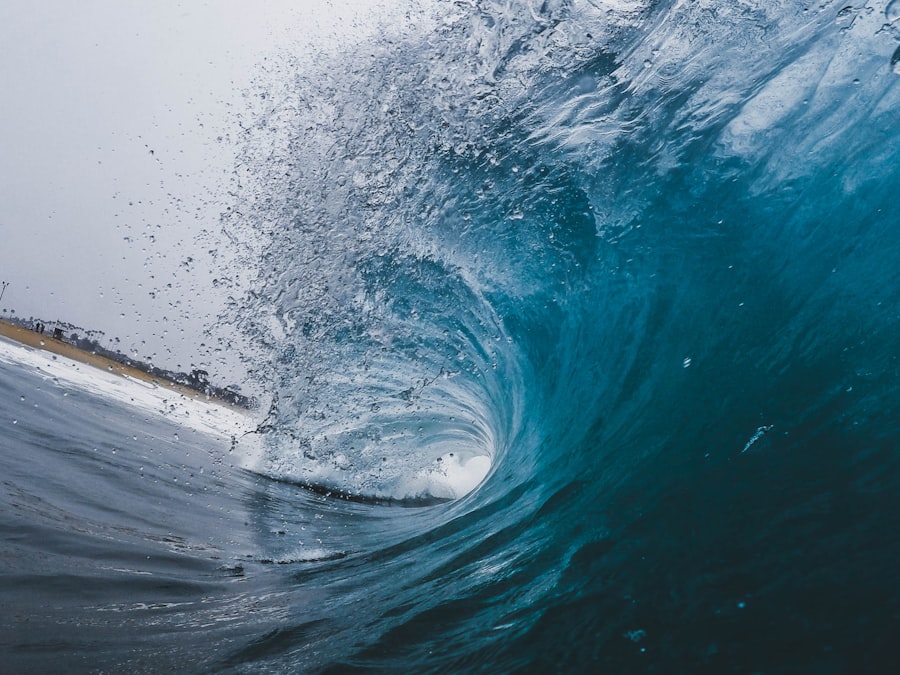
The imagery associated with ocean breath is rich and varied, allowing poets to evoke a wide range of emotions and sensations. When you read poems that explore this theme, you may find yourself transported to coastal landscapes where waves crash against rocky shores or gentle breezes carry the scent of saltwater through the air. This vivid imagery creates an immersive experience that invites you to connect with nature on a deeper level.
Poets often employ sensory language to bring ocean breath to life, appealing to your sense of sight, sound, touch, and even taste. You might visualize sun-drenched beaches or stormy seas while hearing the rhythmic ebb and flow of tides in your mind’s ear. This multisensory approach enhances your engagement with the text, allowing you to feel as though you are partaking in the experience alongside the poet.
As you immerse yourself in these images, you may discover new layers of meaning within each verse, deepening your appreciation for both poetry and nature.
The Connection Between Marine Oxygen and Human Existence in Poetry
The relationship between marine oxygen and human existence is a recurring theme in poetry that invites contemplation on life’s interconnectedness. As you explore this connection through various works, you may come to understand how essential marine ecosystems are not only for sustaining life but also for enriching your own experiences. Poets often draw parallels between their emotional landscapes and the vastness of the ocean, suggesting that just as marine oxygen supports life beneath the waves, it also nourishes your spirit.
This connection can evoke feelings of gratitude and humility as you recognize your dependence on nature’s resources. Many poets emphasize that human existence is intricately tied to the health of our oceans; when they suffer from pollution or climate change, so too do we feel their effects. By engaging with these themes in poetry, you may find yourself reflecting on your role within this delicate balance and considering how your actions can contribute positively to both personal well-being and environmental health.
The Enduring Influence of Marine Oxygen in Literary Expression
As you conclude this exploration into the poetry of ocean breath, it becomes clear that marine oxygen serves as a powerful symbol within literary expression. Its multifaceted significance encompasses themes of life, inspiration, interconnectedness, and environmental awareness. Through vivid imagery and evocative language, poets have captured the essence of ocean breath in ways that resonate deeply with your own experiences.
The enduring influence of marine oxygen in poetry reminds you that literature has the power to inspire change and foster a greater appreciation for nature’s beauty. As you continue your journey through poetry, let these themes guide your reflections on your relationship with both art and the environment. Embrace the call to action that many poets convey through their work; allow their words to inspire you to protect our oceans and cherish the breath they provide—not only for yourself but for generations yet to come.
In a related article on combating global warming, Combatting Global Warming by Massive Tree Planting, the importance of planting trees to help mitigate climate change is discussed. Just as marine oxygen plays a crucial role in sustaining life in the ocean, trees play a vital role in absorbing carbon dioxide and releasing oxygen into the atmosphere. By understanding the interconnectedness of our planet’s ecosystems, we can work towards preserving the environment for future generations.
FAQs
What is marine oxygen?
Marine oxygen refers to the oxygen dissolved in the Earth’s oceans. It is essential for the survival of marine life and plays a crucial role in the ocean’s ecosystem.
How does marine oxygen impact the environment?
Marine oxygen is vital for the survival of marine organisms, as they rely on it for respiration. It also plays a role in regulating the ocean’s chemistry and nutrient cycles.
What are the literary perspectives on marine oxygen?
Literary perspectives on marine oxygen may include poems, essays, and other forms of literature that explore the significance of marine oxygen in the natural world. These works may reflect on the beauty, power, and importance of marine oxygen in the context of the ocean and its inhabitants.
How does marine oxygen inspire poetry?
The rhythmic ebb and flow of marine oxygen in the ocean, as well as its vital role in sustaining life, can inspire poets to explore themes of interconnectedness, resilience, and the beauty of the natural world in their work.