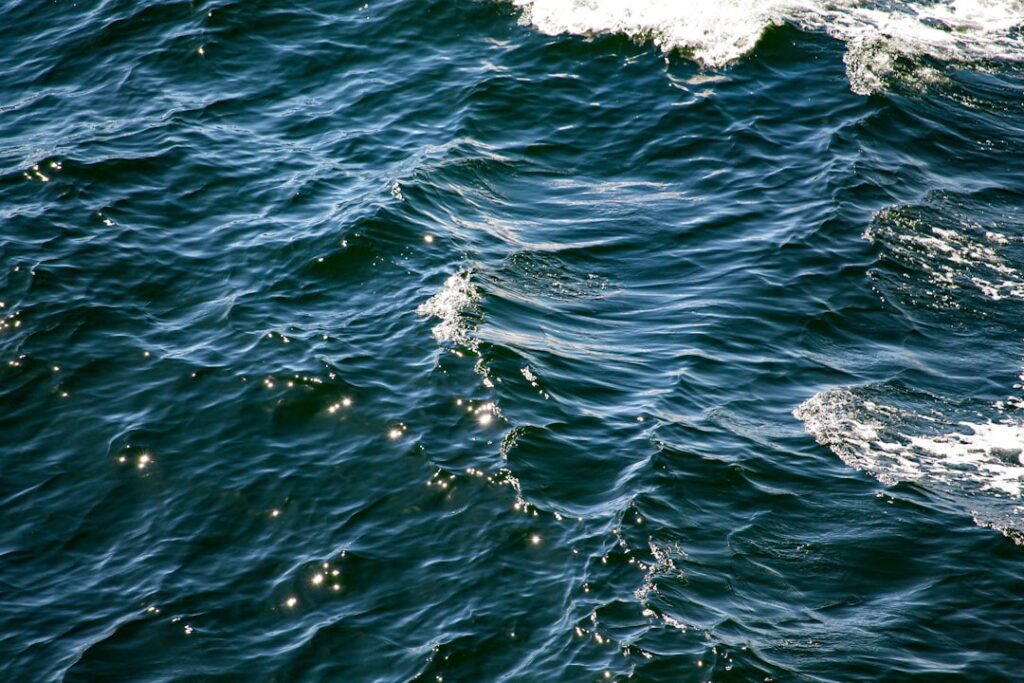
Ocean eddies are swirling masses of water that form in the ocean, often resembling miniature whirlpools. These dynamic features can vary in size, with some being just a few kilometers across while others can stretch for hundreds of kilometers. Eddies are created by various forces, including wind patterns, the Earth’s rotation, and the interaction of ocean currents.
As you explore the vastness of the ocean, you may find that these eddies play a crucial role in the movement of water and nutrients, influencing everything from climate patterns to marine ecosystems. When you think about ocean eddies, consider them as nature’s way of mixing and redistributing water. They can be classified into two main types: warm eddies and cold eddies.
Warm eddies carry warmer water from the equator toward the poles, while cold eddies transport cooler water from the poles toward the equator. This movement is essential for regulating ocean temperatures and maintaining the delicate balance of marine environments. As you delve deeper into the world of ocean eddies, you’ll discover their significance extends far beyond mere water movement; they are vital players in the intricate web of life beneath the waves.
Key Takeaways
- Ocean eddies are swirling masses of water that can range in size from a few kilometers to hundreds of kilometers in diameter.
- Oxygen is crucial for marine life, and its distribution in the ocean is influenced by physical processes such as ocean eddies.
- Ocean eddies play a significant role in transporting oxygen from the surface to the deep ocean, affecting the distribution of oxygen in the water column.
- The impact of ocean eddies on marine life can be both positive and negative, influencing the distribution of nutrients and affecting the productivity of ecosystems.
- Studying ocean eddies and their role in oxygen transport is essential for understanding and predicting the effects of climate change on marine ecosystems.
The Importance of Oxygen in the Ocean
Oxygen is a fundamental element for life, and in the ocean, it plays a critical role in supporting diverse ecosystems. As you navigate through the depths of the sea, you’ll find that oxygen is essential for the survival of marine organisms, from the tiniest plankton to the largest whales. The ocean is responsible for producing a significant portion of the Earth’s oxygen through photosynthesis, primarily carried out by phytoplankton.
These microscopic plants harness sunlight and convert carbon dioxide into oxygen, contributing to the overall health of our planet. In addition to supporting marine life, oxygen is crucial for various biochemical processes that occur in the ocean. It helps decompose organic matter, facilitating nutrient cycling and maintaining ecosystem balance.
As you consider the importance of oxygen in the ocean, it’s essential to recognize that its availability can vary significantly across different regions. Factors such as temperature, salinity, and depth influence oxygen levels, creating zones where life thrives or struggles to survive. Understanding these dynamics is key to appreciating the intricate relationships between oceanic processes and marine biodiversity.
The Role of Ocean Eddies in Oxygen Transport

Ocean eddies play a pivotal role in transporting oxygen throughout the marine environment. As these swirling currents move through the water column, they facilitate the mixing of oxygen-rich surface waters with deeper layers that may be depleted of this vital gas. This process is particularly important in areas where stratification occurs, such as in warmer waters where lighter surface layers can inhibit mixing with deeper, nutrient-rich waters.
By promoting this exchange, eddies help maintain oxygen levels that are essential for sustaining marine life. As you observe how ocean eddies function, you’ll notice that they can also influence local productivity. When warm eddies bring nutrient-rich waters to the surface, they create ideal conditions for phytoplankton blooms.
These blooms not only produce oxygen but also serve as a food source for various marine organisms. Conversely, cold eddies can help transport nutrients from deeper waters to the surface, further enhancing productivity. The interplay between eddies and oxygen transport is a fascinating aspect of ocean dynamics that underscores their importance in maintaining healthy marine ecosystems.
Impact of Ocean Eddies on Marine Life
The impact of ocean eddies on marine life is profound and multifaceted. As you explore different regions of the ocean, you’ll find that these swirling currents create habitats that support diverse species. For instance, areas where warm eddies converge often experience increased biological activity due to enhanced nutrient availability.
This phenomenon attracts a variety of marine organisms, including fish, seabirds, and marine mammals, all drawn to the rich feeding grounds created by these dynamic features. Moreover, ocean eddies can influence migration patterns and breeding behaviors among marine species. For example, certain fish species may follow warm eddies to find optimal spawning grounds or feeding areas.
As you consider the interconnectedness of marine life and ocean eddies, it’s clear that these currents not only shape physical environments but also play a crucial role in the survival and reproduction of countless species. The health of marine ecosystems is intricately linked to the presence and behavior of these swirling water masses.
Studying Ocean Eddies and Oxygen Transport
Studying ocean eddies and their role in oxygen transport requires a multidisciplinary approach that combines oceanography, biology, and environmental science. Researchers utilize advanced technologies such as satellite imagery, buoys, and underwater drones to monitor and analyze these dynamic features. By collecting data on temperature, salinity, and oxygen levels within eddies, scientists can gain insights into their behavior and impact on marine ecosystems.
As you delve into this field of research, you’ll discover that understanding ocean eddies is crucial for predicting changes in marine environments due to climate change. For instance, shifts in ocean temperature and circulation patterns can alter the frequency and intensity of eddy formation. By studying these changes, researchers can better assess potential impacts on oxygen transport and marine biodiversity.
The ongoing exploration of ocean eddies not only enhances our knowledge of ocean dynamics but also informs conservation efforts aimed at protecting vulnerable marine ecosystems.
The Future of Ocean Eddy Research
The future of ocean eddy research holds great promise as scientists continue to uncover new insights into their behavior and significance. With advancements in technology and data collection methods, researchers are now able to study these swirling currents with unprecedented detail. This enhanced understanding will allow for more accurate predictions regarding how climate change may affect ocean dynamics and marine life.
As you look ahead to future research endeavors, consider how interdisciplinary collaboration will play a vital role in advancing our knowledge of ocean eddies. By bringing together experts from various fields—such as climatology, marine biology, and environmental policy—scientists can develop comprehensive models that account for the complex interactions between eddies, oxygen transport, and marine ecosystems. This collaborative approach will be essential for addressing pressing challenges related to ocean health and sustainability.
Human Impacts on Ocean Eddies and Oxygen Transport
Human activities have significant impacts on ocean eddies and their ability to transport oxygen effectively. Climate change is one of the most pressing concerns; rising global temperatures can alter wind patterns and ocean currents, potentially affecting eddy formation and behavior. Additionally, pollution from agricultural runoff and industrial waste can lead to nutrient overloading in certain areas, resulting in harmful algal blooms that deplete oxygen levels and disrupt marine ecosystems.
As you reflect on these human impacts, it’s crucial to recognize that our actions have far-reaching consequences for ocean health. The degradation of coastal habitats due to development or overfishing can also disrupt the natural processes that support eddy formation and nutrient cycling. By understanding these connections, you can appreciate the importance of sustainable practices aimed at protecting both ocean eddies and the vital oxygen transport they facilitate.
Protecting Ocean Eddies for Oxygen Transport
Protecting ocean eddies is essential for maintaining healthy marine ecosystems and ensuring adequate oxygen transport throughout the oceans. Conservation efforts should focus on reducing pollution and mitigating climate change impacts to preserve these dynamic features. Implementing sustainable fishing practices and promoting habitat restoration can also contribute to healthier coastal environments that support eddy formation.
As you consider your role in this effort, remember that individual actions can collectively make a difference. Advocating for policies that prioritize ocean health and supporting organizations dedicated to marine conservation are ways you can contribute to protecting ocean eddies. By raising awareness about their importance in oxygen transport and overall ecosystem health, you can help foster a greater appreciation for these remarkable features of our oceans.
In conclusion, understanding ocean eddies is vital for grasping their role in oxygen transport and their impact on marine life. As you explore this fascinating subject further, you’ll uncover the intricate relationships between these swirling currents and the health of our oceans. By prioritizing research and conservation efforts aimed at protecting ocean eddies, we can ensure a sustainable future for both marine ecosystems and our planet as a whole.
In a related article on preventing floods by massive tree planting, it discusses the importance of reforestation in mitigating the impact of natural disasters such as floods. The article highlights how planting trees can help absorb excess water, reduce soil erosion, and ultimately prevent flooding in vulnerable areas. This demonstrates the interconnectedness of ecosystems and the vital role that trees play in maintaining a healthy environment. To learn more about this topic, visit Preventing Floods by Massive Tree Planting.
FAQs
What are ocean eddies?
Ocean eddies are swirling masses of water that form in the ocean, typically as a result of the interaction between ocean currents and other forces such as wind and tides.
How do ocean eddies transport oxygen?
Ocean eddies can transport oxygen through the ocean by mixing water with different oxygen levels. This mixing can help distribute oxygen to areas of the ocean that may be lacking in oxygen, supporting marine life.
What role do ocean eddies play in the marine ecosystem?
Ocean eddies play a crucial role in the marine ecosystem by transporting nutrients, oxygen, and other important elements throughout the ocean. This helps support the diverse life forms that depend on these resources for survival.
How do scientists study the role of ocean eddies in transporting oxygen?
Scientists study the role of ocean eddies in transporting oxygen using a variety of methods, including satellite observations, oceanographic measurements, and computer models. These tools help researchers understand how eddies impact oxygen distribution in the ocean.
Why is it important to understand the role of ocean eddies in transporting oxygen?
Understanding the role of ocean eddies in transporting oxygen is important for predicting and managing the health of marine ecosystems. It can also help scientists and policymakers make informed decisions about conservation and management efforts.